Desensitising a Shih Tzu to Clippers and Dryers
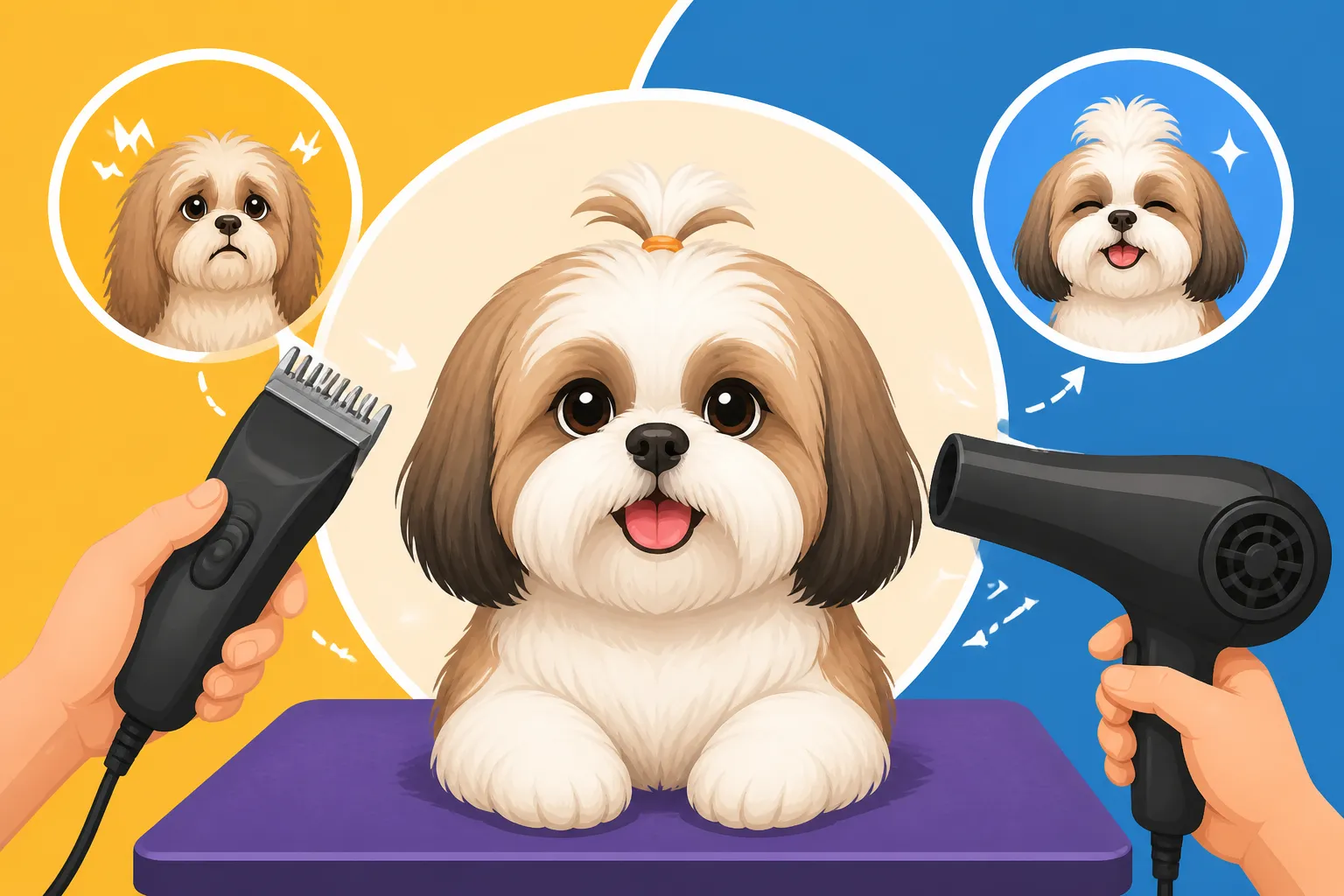
Oh, the battle of the groom! If you're a Shih Tzu parent, you know the struggle is real when it comes to clippers and dryers. Many of our sweet, fluffy companions act like these essential grooming tools are instruments of torture, turning a routine tidy-up into a wrestling match complete with frantic barking and panicked attempts to escape. This guide is all about helping you understand why your Shih Tzu might be so terrified of these sounds and sensations, and then walking you through a gentle, step-by-step process to desensitize them, making grooming a much calmer experience for everyone involved.
Understanding Why Clippers and Dryers Are Scary for Your Shih Tzu
Let's face it, from a dog's perspective, clippers and dryers are truly bizarre. Imagine a loud, vibrating monster that comes near your fur, followed by a rushing, hot wind that rustles everything. It's not hard to see why many Shih Tzus develop a profound fear of these necessary evils. Their unique physiology and common grooming requirements often exacerbate these fears, turning what should be a routine part of their care into a source of immense stress.
The Sensory Overload: Noise, Vibration, and Airflow
Shih Tzus have incredibly sensitive hearing, and what might be a tolerable hum to us can be a piercing, overwhelming roar to their delicate ears. High-pitched whines from clippers, the sudden whoosh of a dryer, and the sheer volume can be terrifying. Beyond the noise, there's the vibration. Clippers don't just make a sound; they buzz and vibrate against the skin, a sensation that can be profoundly unsettling. It's an unnatural feeling that can make them feel vulnerable and out of control. Then, with dryers, you have the strong, directed airflow. This isn't just a gentle breeze; it's a powerful stream of air, often warm or even hot, that can feel intrusive and startling. When all these sensory inputs hit at once—loud noise, strange vibration, and forceful air—it's a recipe for sensory overload that can send a sensitive Shih Tzu into a tailspin of fear. They don't understand why this is happening, only that it's unpleasant and scary.
Negative Past Experiences and Lack of Early Socialization
Sometimes, a Shih Tzu's fear isn't just about the immediate sensory assault; it stems from past experiences. Perhaps a puppy's first encounter with clippers was rushed, painful, or handled without proper care, leading to an immediate negative association. A quick nip from a dull blade, getting too hot under a dryer, or simply being held too tightly by a frustrated groomer can imprint a lasting fear. Unfortunately, many puppies don't receive adequate exposure to these grooming tools during their critical socialization period. This is typically between 3 and 16 weeks of age, a window where positive introductions to new sights, sounds, and sensations are crucial. If a Shih Tzu puppy isn't gently introduced to the sounds and vibrations of clippers and dryers early on, their natural reaction as an adult is often fear and avoidance. They simply haven't learned that these tools are harmless when used correctly. This is why it's so important to start this training as early as possible.
The Groomer's Table as a Place of Stress
For many Shih Tzus, the fear isn't just of the tools themselves, but of the entire grooming process, especially when it involves the groomer's table. This elevated surface, often slick and unfamiliar, can feel incredibly precarious to a small dog. Being away from the security of the floor and their human can trigger anxiety. When you combine this vulnerable position with the sensory assault of clippers and dryers, the groomer's table can quickly become a perceived threat. They associate the table with the unpleasant sounds and sensations, and with being restrained. This can lead to a vicious cycle: the more stressed they become, the more they struggle, and the more challenging it becomes for the groomer, potentially reinforcing their negative associations. It's a place where they feel trapped, unable to escape the things they fear, which only heightens their panic. Many groomers now specialize in fear-free techniques, but even then, a dog with a profound fear needs proactive help from their owner.
Setting the Stage for Successful Desensitization
Before you even think about turning on a clipper or dryer, you need to lay a strong foundation. Desensitization isn't about forcing your Shih Tzu to tolerate something; it's about gradually changing their emotional response from fear to indifference, or even positive anticipation. This requires patience, consistency, and a positive environment where your dog feels safe and loved.
Creating a Calm and Safe Environment
The first step in desensitization is ensuring your Shih Tzu feels completely secure. Choose a quiet time of day when there are no distractions. A familiar, comfortable room in your home, perhaps with their favorite blanket or bed, is ideal. Avoid high-traffic areas or times when children or other pets might interrupt. You want to create a spa-like atmosphere, as much as possible, for your dog. Consider playing calming music or using a pheromone diffuser to help them relax. The goal is for your Shih Tzu to associate this training time with comfort and positive attention, not stress. This calm foundation helps prevent them from immediately going into "flight or fight" mode before you've even introduced the scary object. The fewer external stressors, the more likely your Shih Tzu will be able to focus on you and the task at hand. You want to make sure the lighting is soft, the temperature is comfortable, and you are feeling calm and patient yourself, as your dog will pick up on your energy.
Essential Tools and Supplies for Home Training
Having the right tools is crucial. You'll need:
- Quiet Clippers: Invest in a good quality, quiet set of clippers. Many professional-grade clippers are designed to be low-vibration and quiet, which can make a huge difference. Brands often mention "low noise" or "quiet operation." You can find good options on Amazon.
- Low-Noise Dryer: While professional forced-air dryers are incredibly efficient, they can also be very loud. For desensitization, start with a regular human hairdryer set to the lowest, coolest setting, or a pet-specific dryer known for quiet operation. The goal is to minimize the initial shock.
- High-Value Treats: These are crucial! Think soft, smelly, irresistible treats that your Shih Tzu rarely gets, like small pieces of cooked chicken, cheese, or specialized training treats. These treats will become the positive reinforcement that overrides their fear.
- Lick Mat/Kong: A lick mat spread with peanut butter or plain yogurt, or a Kong stuffed with something delicious, can keep your Shih Tzu distracted and happily occupied during early sessions.
- Brush and Comb: Even though the focus is clippers and dryers, always have your regular grooming tools handy. Brushing beforehand can help relax them. See our guide on Getting a Shih Tzu Used to a Slicker Brush.
- A Sturdy Table with Non-Slip Mat: If you plan to groom on a table, start getting them used to it now. A rubber mat on top will prevent slips and build confidence.
The Power of Positive Reinforcement and Treats
Positive reinforcement is the cornerstone of effective desensitization. Every tiny step towards tolerating the clipper or dryer should be rewarded with immediate praise, affection, and those high-value treats. The idea is to create a strong positive association: "clipper/dryer sound = yummy treat!" Never punish your Shih Tzu for showing fear; this will only make things worse. Instead, if they react negatively, simply stop, wait for them to calm down, and then restart at an easier level.
Think of it like this: your dog needs to learn that the scary thing predicts something wonderful. The moment they hear the sound or feel the vibration, even for a split second, a treat appears. This changes their internal narrative. The Positive Reinforcement With a Shih Tzu approach works wonders because it builds trust and confidence, rather than demanding compliance through fear. It’s a slow, incremental process, but it’s the most effective and humane way to overcome deep-seated fears.
Step-by-Step Desensitization to Clippers
Clippers can be particularly scary due to their close contact and buzzing sensation. This process is about breaking down the act of clipping into tiny, manageable steps, so your Shih Tzu can feel comfortable at each stage before moving on to the next. Remember, patience is key.
Introducing the Clippers (Off and On, Far Away)
Start with the clippers off. Let your Shih Tzu sniff them, give a treat. Do this several times over a few days until they show no fear of the stationary clippers. The goal here is just to make the object itself boring, not scary.
Next, turn the clippers on, but keep them far away, across the room. The moment you press the button, immediately give your Shih Tzu a super high-value treat. Then turn the clippers off. Repeat this many times. The pattern is: clipper sound – treat – clipper off. You want them to associate the sound with something positive. Over several sessions, gradually decrease the distance between the clippers and your Shih Tzu, always stopping and treating the moment the clippers turn on, and turning them off quickly. If your dog shows any signs of stress (tail tucked, ears back, trying to leave), you've moved too fast. Go back to a distance where they are comfortable. This process might take days or even weeks. Consider enrolling in a positive-reinforcement based online program, like the one offered by BAXTER & Bella, which often includes detailed modules on desensitization to grooming tools. Their structured approach can provide a helpful roadmap.
Gradual Contact: From Body to Paws and Face
Once your Shih Tzu is comfortable with the sound of the clippers nearby, while off, gently touch the clippers (still off) to their body for a second, then remove and treat. Repeat this on different parts of their body – back, sides, chest. The vibration, even when off, can still be startling. Once they're okay with the off clippers touching them, it's time to introduce the on clippers.
Turn the clippers on, let them run for a split second, and immediately touch the back of the clippers (not the blade end) to a less sensitive area like their flank. Remove the clippers and give a treat. Repeat this, gradually increasing the duration of the contact. Always keep it brief and positive. Once they are okay with the back of the clippers, very gently touch the side of the blade (again, not the cutting edge) to their coat, letting the vibration be felt without actually cutting hair. Treat lavishly.
Progress to the actual clipping surface:
- Body: Start with a single, quick pass on their back or side. Treat. Repeat. Gradually increase the number and length of passes.
- Paws: This is a sensitive area! Use very quick, gentle touches around the paw pads and between toes. Work slowly. Remember, for proper paw care, it's essential to keep hair trimmed. Our guide Shih Tzu Nail Trimming and Paw Hair offers more context.
- Face: The face is the most challenging. The whiskers, eyes, and nose are highly sensitive. For face trims, it's important to go excruciatingly slow. Many Shih Tzus hate anything near their eyes, and given their propensity for Shih Tzu Eye Proptosis, the Emergency Owners Miss, it's vital they remain calm. Start by just holding the off clippers near their face, treating. Then on clippers far away, treating. Then on clippers near the face (but not touching), treating. Eventually, very short, quick passes on the forehead or cheeks. Consider tying a The Shih Tzu Topknot and Keeping Hair Out of the Eyes to keep the hair clear during this training.
Making the First Trims a Positive Experience
When you finally attempt the first actual hair trimming, keep the sessions incredibly short. A few swipes, a generous treat, and a break. If you're tackling something like a sanitary trim, do just a tiny bit, then stop. The goal is not to achieve a perfect groom, but to build a positive association. You might even only clip one small area per session initially.
Focus on areas that are less sensitive first. Their back or rump might be good starting points. Always use sharp, clean blades to prevent pulling, which can be painful and set back your training. Remember, any time you groom a Shih Tzu, particularly around their sensitive areas like their face or paws, a single painful or startling experience can undo weeks of progress. Make sure you are calm, patient, and using plenty of rewards. Keep a mental note of your dog's favorite high-value treats – something like freeze-dried liver or bits of cooked chicken work wonderfully for these critical moments. This makes every successful clip instantly associated with deliciousness!
Conquering the Fear of the Dryer
After bath time, the dryer is often the next hurdle. The noise and the feeling of forced air can be very unsettling. Just like with clippers, a gradual, positive approach is your best friend.
Starting with Low Noise and Distance
Begin with your chosen dryer (a quiet human hairdryer on cool, low setting, or a quiet pet dryer) turned on far away from your Shih Tzu. Across the room, or even in another room with the door ajar. The moment it turns on, treat your Shih Tzu generously. Turn it off. Repeat. This is the same principle as with the clippers: sound equals treat.
Gradually decrease the distance over multiple sessions, always keeping the dryer on the lowest, coolest setting. You want the sound to be barely noticeable at first. Never point the dryer directly at them initially. Aim it away from them, letting them simply become accustomed to the ambient noise. Keep a watchful eye for any signs of discomfort. Trembling, yawning, lip licking, or trying to hide are all signs that you need to slow down or increase the distance. For dogs that are extremely sound-sensitive, even a small increase in volume can be overwhelming. Some pet owners find success with noise-reducing earmuffs specifically designed for dogs, available on Amazon, though introducing these would be another desensitization step in itself.
Familiarizing Your Shih Tzu with Airflow
Once your Shih Tzu tolerates the sound of the dryer nearby, start introducing the sensation of the air. Again, begin with the dryer on the coolest, lowest setting. Aim the airflow away from them, but close enough that they can feel the gentle, indirect air current on their body, perhaps on their back or side. The second they feel it, give a treat. Turn the dryer off. Repeat.
Slowly and gently, move the dryer so the airflow is directly on a less sensitive area, like their back or hindquarters, for a very brief second. Remove the dryer, treat. Increase the duration of the direct airflow gradually. Avoid their face and ears initially, as these areas are much more sensitive. When you do eventually work towards their head, use your hand as a shield between the airflow and their eyes and ears. Our guide on Shih Tzu Ear Cleaning and Hair Removal highlights how sensitive their ears can be, so extreme caution is needed here.
The Importance of Thorough Drying
Thorough drying isn't just about aesthetics; it's vital for a Shih Tzu's health. Their dense double coat can trap moisture against the skin, leading to painful skin irritations and infections if not dried properly. Shih Tzu Ear and Skin Infections Under the Coat are common issues exacerbated by damp conditions. In humid environments or if their coat is left damp for too long, mats can form rapidly, especially under their front legs and behind their ears. This can quickly lead to a situation where a groomer might have to shave down a severely matted Shih Tzu, which is not only stressful but can expose their skin to sunburn.
Therefore, the desensitization process for drying is not optional; it's a critical part of their routine care. While you're desensitizing, you might need to use towels and air drying as much as possible, always ensuring their coat is completely dry to the skin. This means brushing it out while drying to ensure air reaches the undercoat. It’s a painstaking process, but essential for preventing discomfort and health issues down the line. Remember, Damp Shih Tzu Hair and How Fast It Knots emphasizes the importance of proper drying to avoid painful matting.
Maintaining Desensitization and Preventing Relapse
Desensitization isn't a one-and-done deal. It requires ongoing maintenance to ensure your Shih Tzu remains comfortable with clippers and dryers. Consistency is the key to preventing a relapse into old fears.
Regular Practice and Short Sessions
Once your Shih Tzu is accepting of clippers and dryers, don't just put them away until the next full groom. Instead, integrate short, positive practice sessions into your routine. This could be as simple as:
- Turning on the clippers for 30 seconds while your dog gets a treat.
- Briefly touching the (off) clippers to their body, followed by a treat.
- Running the (on) clippers for a quick pass on their back, then stopping and rewarding.
- Turning on the dryer on a low setting for a minute while they chew on a delicious Kong.
- A quick brush through the coat while the dryer gently blows air from a distance.
These frequent, positive, and very short exposures reinforce the learned behavior and keep their comfort level high. Think of it like a language; if you don't practice it, you'll start to forget. The same goes for desensitization. Even a few minutes, a few times a week, can make a huge difference in maintaining their calm. Keeping Shih Tzu Training Sessions Short is a principle that applies perfectly here, as it prevents over-stimulation and maintains a positive experience.
Handling Professional Grooming Visits
Even if you groom your Shih Tzu at home, there might be times they need a professional groomer. The grooming salon is a completely different environment with new sounds, smells, and people. It’s critical to communicate your dog's history and progress to any professional groomer.
- Choose a Fear-Free Groomer: Seek out groomers who specialize in fear-free techniques and have experience with anxious toy breeds. They will understand the importance of patience and positive reinforcement.
- Brief Visits: Ask if your groomer offers "happy visits" where your Shih Tzu can simply come in, get a treat, hear some sounds, and leave without any actual grooming. This helps them build positive associations with the salon itself.
- Stay or Drop Off: Some dogs do better with their owner present, while others are calmer if their owner drops them off and picks them up later. Discuss what works best for your individual Shih Tzu with the groomer.
- Regularity: Schedule grooming appointments consistently (every 4-6 weeks) to prevent matting and make each visit less overwhelming. A matted dog often requires more intense clipping, which can be more stressful and potentially painful. See Grooming a Shih Tzu Every Four to Six Weeks for more on this.
- Prioritize Comfort over Style: Especially in the beginning, focus on your Shih Tzu's comfort rather than insisting on a specific elaborate haircut. A simple, comfortable puppy cut might be best if it reduces stress. Our article on What a Shih Tzu Puppy Cut Costs also discusses this practical approach.
Remember, the goal is for your Shih Tzu to have a positive experience, whether at home or with a professional. The more comfortable they are, the less likely they are to develop behavioral issues at the groomer, which can sometimes lead to a groomer having to turn them away if they become too stressed or reactive, as discussed in Why a Groomer Turns a Shih Tzu Away.
When to Seek Professional Help
Sometimes, despite your best efforts, a Shih Tzu's fear of clippers and dryers can be so profound that it impacts their quality of life or makes essential grooming impossible. This is when it's time to consider professional intervention.
- Certified Professional Dog Trainer (CPDT): A trainer specializing in fear and anxiety can help you develop a more tailored desensitization and counter-conditioning plan. They can observe your interactions and offer specific techniques you might not have considered. Look for trainers who use positive reinforcement methods exclusively.
- Veterinary Behaviorist: For severe cases of fear, anxiety, or aggression related to grooming, a veterinary behaviorist might be necessary. These are veterinarians with specialized training in animal behavior. They can diagnose underlying anxiety disorders and, if appropriate, prescribe medication to help reduce your Shih Tzu's anxiety during the training process. This isn't a quick fix, but it can significantly lower their stress threshold, making them more receptive to learning.
- Groomers Specializing in Anxious Dogs: As mentioned, some groomers have specific training and facilities designed for highly anxious or fearful dogs. They might have quieter equipment, longer appointment times, or specific handling techniques. While they might charge more, the investment in your Shih Tzu's comfort and well-being is often worth it.
Don't feel like a failure if you need to bring in the pros. Some fears run deep, and having an expert guide you and your Shih Tzu can be incredibly beneficial. The ultimate goal is to ensure your furry friend can live a healthy, happy life free from overwhelming stress during routine care.
Comparing Desensitization Approaches: Clippers vs. Dryers
To summarize the key differences and similarities in desensitizing your Shih Tzu to these two often-feared grooming tools, here's a helpful breakdown:
| Feature | Clipper Desensitization | Dryer Desensitization |
|---|---|---|
| Primary Fear Source | Vibration, close contact, buzzing sound | Loud whooshing sound, directed airflow (often warm/hot) |
| Starting Point | Clippers OFF, let sniff | Dryer OFF, then ON in another room (sound only) |
| Initial Introduction | Clippers ON (far away), treat, turn OFF | Dryer ON (far away), treat, turn OFF |
| Gradual Contact | Touch off clippers to body, then on clippers (back of tool) to body, then on clippers (cutting edge) to body for short bursts | Indirect airflow from distance, then direct airflow (coolest, lowest setting) on body for short bursts |
| Most Sensitive Areas | Face, ears, paw pads | Face, ears, eyes |
| Key Reinforcement | High-value treats, praise, immediate cessation of tool | High-value treats, praise, immediate cessation of tool |
| Essential Tools | Quiet clippers, high-value treats, lick mat | Quiet dryer (or human hairdryer on cool), high-value treats, lick mat, towel |
| Duration of Sessions | Very short (seconds to minutes), frequent | Very short (seconds to minutes), frequent |
| Goal | Calm acceptance of clipping/buzzing | Calm acceptance of sound and airflow |
This table highlights that while the tools differ, the underlying principles of desensitization remain consistent: slow, positive, incremental exposure paired with generous rewards. By understanding these nuances, you can better tailor your approach to each specific grooming challenge your Shih Tzu presents.
Disclaimer
This article is for general informational purposes only and does not constitute professional advice. Laws, prices and regulations vary by location and change over time. Consult a qualified professional for guidance on your specific situation.