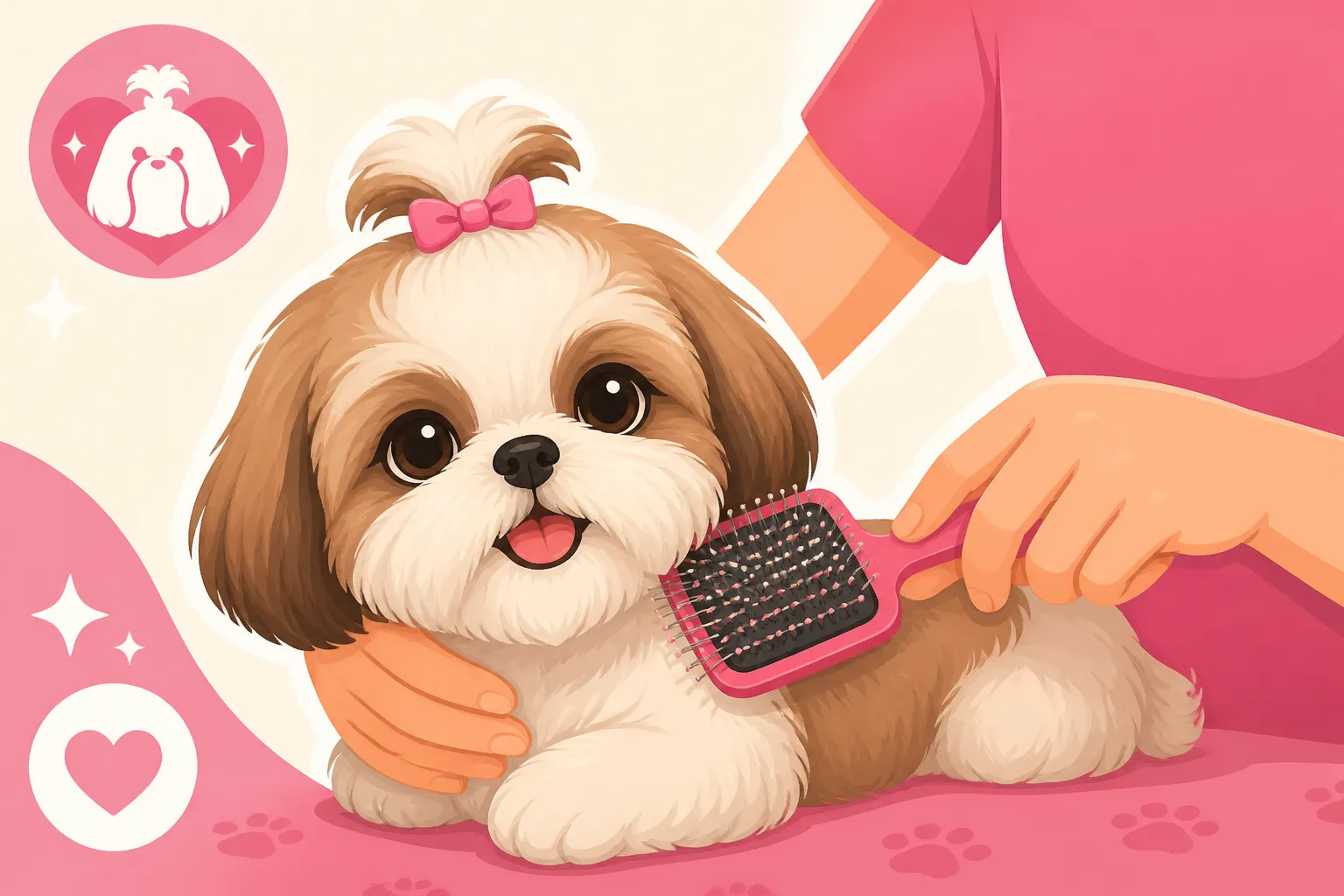
Handling a Shih Tzu Puppy for Daily Brushing
Bringing home a fluffy Shih Tzu puppy is pure joy, but many new owners quickly discover the daily battle that can be brushing that beautiful, flowing coat. It's not just about aesthetics; ignoring daily grooming can lead to painful mats and expensive trips to the groomer, not to mention a very unhappy pup. This guide will walk you through how to gently introduce your Shih Tzu puppy to daily handling and brushing, transforming a potential struggle into a bonding experience.
Why Early Handling and Brushing is Crucial
You might look at your tiny, adorable fluffball and think brushing can wait, especially if they’re on a short "puppy cut." But let me tell you, that would be a missed opportunity! The sooner you start conditioning your Shih Tzu to be handled, touched, and brushed, the smoother their entire life, and yours, will be. It's about much more than just keeping their hair looking nice.
Building a Foundation of Trust and Touch
Think about all the ways your puppy will need to be handled throughout their life. Vets will need to examine their ears, eyes, and paws. Groomers will need to spend significant time brushing, bathing, and trimming. If these experiences are new and frightening each time, it creates immense stress for your dog and for anyone trying to care for them. Starting early, with calm, gentle handling, teaches your puppy that being touched is a normal, even pleasant, part of their day.
Imagine your puppy as a little sponge, soaking up every experience. If the first time they feel a brush is when a mat is tugged out, they'll associate brushing with pain. But if it's introduced with soft strokes, yummy treats, and reassuring words, it becomes a ritual of comfort. This early trust extends beyond just brushing; it helps them accept nail trims, ear cleaning, and even administering medication down the line. It's an investment in their overall emotional well-being and your future sanity.
Preventing Painful Matting and Skin Issues
The Shih Tzu's luxurious double coat is one of its most defining features, but it's also a magnet for tangles and mats. These aren't just cosmetic problems; mats can pull on the skin, causing significant pain, discomfort, and even skin infections underneath. When mats get really tight, they can restrict movement and even cut off circulation, leading to serious health issues.
Starting a daily brushing routine from puppyhood helps prevent these issues before they even begin. You'll be removing loose hair, dirt, and small tangles before they can clump together into painful mats. By regularly parting the coat and checking the skin, you'll also become familiar with what's normal for your puppy, allowing you to spot any skin irritations, parasites, or lumps early. This proactive approach saves your puppy from discomfort and can save you from emergency vet visits or extensive dematting fees at the groomer. You can learn more about how quickly these issues can escalate by reading How Many Days Before a Shih Tzu Mats.
Setting Up for Success: Your Brushing Sanctuary
Creating the right environment for your Shih Tzu's brushing sessions is just as important as the technique itself. It’s not just about having the right tools; it’s about making the entire experience calm, positive, and predictable. This special "grooming zone" should be a place where your puppy feels safe and relaxed, not stressed.
Choosing the Right Location
When you're first introducing brushing, pick a quiet, low-traffic area in your home where you won't be interrupted. Avoid noisy areas like the kitchen during meal prep or a bustling living room with kids playing. A bathroom counter or a sturdy table covered with a non-slip mat (even a yoga mat works!) can be ideal. The height makes it easier on your back and helps prevent your puppy from simply walking away, though always keep a hand on them for safety. A small, non-slip mat is crucial; a slick surface can make a puppy feel insecure and more likely to struggle.
I've seen many owners try to brush their pups on the floor, only to have the puppy treat it like playtime. The elevated surface sends a clear message that this is a focused activity. Make sure the lighting is good, so you can clearly see what you're doing, especially when working around sensitive areas like the eyes and ears. Some people even like to play soft, calming music during these sessions to help set a relaxed mood for both of you.
Gathering Your Essential Supplies
Before you even bring your puppy into the brushing zone, have everything laid out and ready. This minimizes fumbling and keeps the session flowing smoothly, which is key for a short puppy attention span. For a Shih Tzu puppy, you'll need a few specific items:
- Slicker Brush: Choose one with soft, flexible pins and a comfortable handle. Smaller sizes are often best for puppies.
- Metal Comb: A greyhound comb with both wide and fine teeth is invaluable for checking your work and getting through deeper layers.
- Detangling Spray: A good quality, puppy-safe detangling spray can help the brush glide through the hair and reduce static.
- High-Value Treats: Small, soft, and incredibly tempting treats that your puppy doesn't get at any other time. Think tiny pieces of cooked chicken or cheese.
- Grooming Table (Optional but Recommended): A small, sturdy grooming table with an arm and noose can provide a secure, elevated surface, though for puppies, a non-slip bath mat on any stable surface works to start.
- Face Comb/Eyewipe: A tiny comb or specific wipes for cleaning around the delicate eye area.
- Small Scissors (Blunt-Nosed): For carefully trimming any hair growing into the eyes.
You can often find these items easily on platforms like Amazon. Having them within arm's reach means you can maintain focus on your puppy, providing praise and rewards without interruption. This efficiency helps keep sessions short and sweet, which is exactly what you want for a young, easily distracted Shih Tzu.
The Tools of the Trade for Tiny Pups
Choosing the right grooming tools for your Shih Tzu puppy can feel overwhelming with so many options out there. However, a few key pieces will make a world of difference in keeping their coat healthy and making brushing a positive experience. It's not about having the most expensive tools, but the right tools for their delicate puppy coat and sensitive skin.
Selecting the Perfect Brushes
For a Shih Tzu, the slicker brush is your primary weapon against mats. For a puppy, look for one with smaller, softer pins that are less likely to scratch their delicate skin. When you're just starting, you don't need a huge, dense brush; a compact one will be easier to maneuver around their small body. Test the brush on your own arm – it should feel firm but not sharp or painful. The goal is to gently detangle the top and undercoat without irritation.
Alongside the slicker brush, a good metal comb, often called a "greyhound comb," is absolutely essential. This comb usually has widely spaced teeth on one half and fine teeth on the other. You'll use the wide teeth to gently work through larger sections, and the fine teeth to check for any missed tangles, especially around the ears, armpits, and groin – those notorious matting zones. The comb is your final inspection tool, ensuring no hidden knots remain that the slicker brush might have simply glided over. Getting your puppy accustomed to the comb early will also help with future Getting a Shih Tzu Used to a Slicker Brush sessions.
Using Detangling Sprays and Conditioning Aids
A good detangling spray is a game-changer for a Shih Tzu coat, especially during brushing. It helps to lubricate the hair, allowing the brush to glide through more easily, reducing static, and minimizing breakage. This means less pulling and a more comfortable experience for your puppy. Look for a spray specifically formulated for dogs, preferably one that is leave-in and helps to condition the coat. Many come with pleasant, light scents that can make the grooming session more enjoyable for both of you.
When applying, mist the spray lightly over the section of hair you're about to brush, rather than saturating the entire coat. This helps you work in smaller, manageable sections without making the coat too damp. Think of it as a little insurance policy against discomfort. Using a quality spray can significantly reduce the amount of pulling and tugging, making it a much more positive encounter for your puppy. Some owners find that a spritz of plain water in a spray bottle works well in a pinch, but a dedicated detangler often offers better conditioning and anti-static benefits.
Gentle Techniques for a Positive Brushing Experience
Now that you have your setup and tools, it's time to actually get brushing! The key here is gentleness and patience. Remember, you're not just brushing hair; you're shaping your puppy's entire perception of grooming. Every session should aim to be a mini celebration of cooperation.
The "Line Brushing" Method
For a Shih Tzu, especially as their coat grows, the "line brushing" method is your best friend. This technique ensures you're reaching all the way down to the skin, through both layers of their double coat, preventing those hidden mats. It sounds complicated, but it's really quite simple once you get the hang of it.
Start by parting a small section of your puppy's coat horizontally, against the direction of hair growth. This exposes the skin. Then, hold the hair above the part out of the way (you can use a hair clip for this if your puppy tolerates it). Now, gently brush the exposed section of hair downwards with your slicker brush, working in small strokes from the skin out to the ends. Once that section is tangle-free, move down slightly and create another horizontal part, repeating the process. You're essentially working your way through the coat, layer by layer, making sure to brush from the skin out.
This method can be done on the entire body, but for a puppy, you might start with just a small, less sensitive area like their back or shoulder. The goal is quality over quantity in the beginning. Reward liberally throughout the process. For more detailed guidance on this, consider resources like BAXTER & Bella's online training programs, which often cover handling skills in depth. You'll find that mastering this technique early will save you a lot of headache, especially when you consider Working a Shih Tzu Coat in Sections as they grow older.
Positive Reinforcement and Short Sessions
This is perhaps the most important tip of all: make it fun! Your Shih Tzu puppy needs to associate brushing with good things. Keep your sessions extremely short initially, perhaps just 1-2 minutes, even if you only manage to brush a tiny patch of fur. The moment your puppy tolerates a few strokes, offer a high-value treat and enthusiastic praise. Then, end the session. You want to leave them wanting more, not dreading the next time.
As your puppy gets more comfortable, you can gradually extend the duration. If they start to get squirmy or show signs of discomfort, stop, reassure them, and try again when they're calmer, perhaps with an even higher value treat. Never scold or punish your puppy for struggling; this will only create negative associations. Patience is paramount. Imagine your pup happily wagging their tail when they see the brush because they know good things are coming! This positive association is what truly makes a difference. Remember, you're setting them up for a lifetime of comfortable grooming, not just one perfect session.
Common Challenges and How to Overcome Them
Even with the best intentions and the gentlest techniques, you'll likely encounter a few bumps in the road when handling and brushing your Shih Tzu puppy. It's completely normal, so don't get discouraged! Understanding common puppy behaviors and having strategies to address them can turn a frustrating moment into a teachable one.
The Wriggly Worm and Nibbling Nuisance
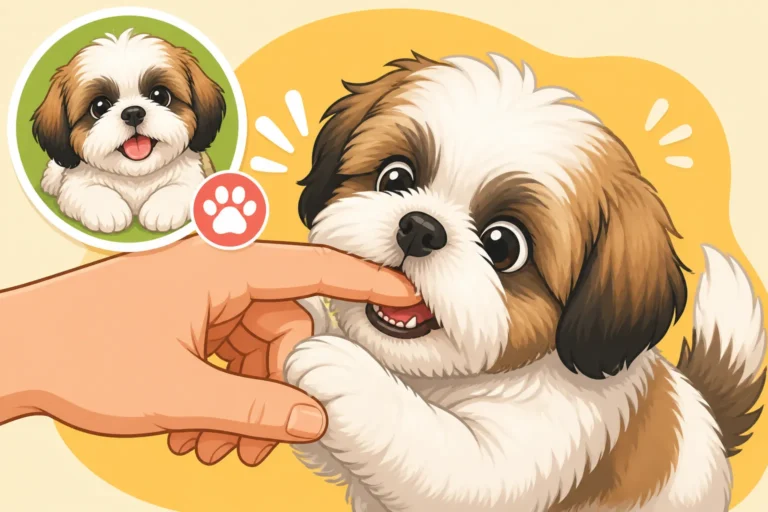
Most puppies are naturally curious and often a bit squirmy, and your Shih Tzu is no exception. They might try to mouth the brush, chew on your fingers, or just generally refuse to stay still. This isn't defiance; it's puppy behavior! They're exploring their world with their mouths and have short attention spans.
To combat the wriggles, ensure you have a secure, non-slip surface and keep one hand gently but firmly on your puppy at all times to prevent falls. Start with very brief sessions and work on areas they tolerate best first, typically the back or shoulders. As for the nibbling, redirect it immediately. If your puppy tries to bite the brush, move it away and offer a designated chew toy instead. If they nip at your fingers, calmly say "No thank you" and withdraw your hand for a moment. Once they settle, even for a second, reward with a treat and praise. You can also try giving them a long-lasting, safe chew to gnaw on during the brushing session to distract them and keep their mouth busy on something appropriate. This concept ties into similar challenges like Shih Tzu Puppy Mouthing at Hands.
Sensitive Spots: Ears, Paws, and Tummy
Shih Tzus have a lot of sensitive areas that need attention during grooming – floppy ears with hair that grows inside, delicate paws, and often a very ticklish tummy. These spots are common flashpoints for resistance.
When approaching the ears, start by simply touching them gently, then gradually introduce the brush around the outside. For the inner ear, you might need to use a very small, fine comb or your fingers to part the hair and check for tangles. For paws, gently hold each paw, touching the pads, and slowly moving the brush or comb between their toes to prevent matting there. The tummy can be particularly sensitive; try brushing it while your puppy is lying on their back, if they're comfortable with that position, offering lots of belly rubs and treats simultaneously. Go slowly, and if they pull away, respect that and try again later. It’s better to get a few gentle strokes in over time than to force a full brush and create a negative experience. Building this tolerance will be crucial for other aspects like Shih Tzu Ear and Paw Care.
Making Brushing a Lifelong Habit
Establishing a consistent brushing routine early on is a gift you give both your Shih Tzu and yourself. It transforms what could be a chore into a seamless part of your shared life, ensuring your furry friend stays happy, healthy, and looking their best for years to come.
Consistency is Key
The biggest secret to successful grooming with a Shih Tzu is consistency. A few minutes every single day is far more effective and less traumatic than trying to tackle large mats once a week or once a month. Daily brushing prevents small tangles from becoming huge, painful mats, which makes the entire process quicker and more pleasant for your dog. Think of it like brushing your own teeth – a little bit every day keeps major problems at bay.
Even if your Shih Tzu has a short "puppy cut" or a "teddy bear cut," daily brushing is still important. Hair grows, and the undercoat still sheds and tangles. Plus, the daily ritual reinforces the positive association you've worked so hard to build. Choose a consistent time each day – perhaps after a walk, before dinner, or during a quiet evening snuggle session – and stick to it. Your Shih Tzu will learn to expect it and often come to enjoy this dedicated one-on-one time with you. This regular routine also makes tasks like Face Trims Between Full Shih Tzu Grooms much easier.
Knowing When to Seek Professional Help
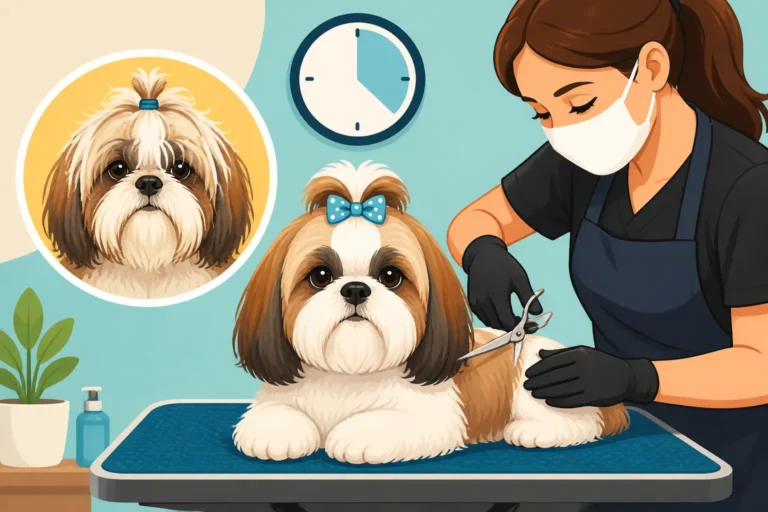
Even the most dedicated home groomers sometimes need a little help, and that's perfectly okay! There will be times when a professional groomer is invaluable. If your puppy develops a mat that you simply cannot get out gently, or if their coat becomes too tangled for you to manage, don't hesitate to call a professional. Trying to forcefully remove a large mat can be incredibly painful for your puppy and can damage their skin, creating an even greater aversion to grooming.
A professional groomer has specialized tools, techniques, and experience to handle difficult coats safely and efficiently. They can also offer advice on specific products or grooming strategies tailored to your Shih Tzu's unique coat type. Think of them as part of your puppy's care team. Starting your puppy with positive grooming experiences at home can also make their professional grooming visits much less stressful. Many groomers offer "puppy introductions" where they simply get the pup used to the salon environment, the sounds, and gentle handling without a full groom. This can be a great way to ensure that your Shih Tzu remains comfortable with all aspects of their grooming journey, preventing issues that might lead to a groomer turning a matted Shih Tzu away, which you can learn more about in Why a Groomer Turns a Shih Tzu Away.
Table of Shih Tzu Grooming Tools for Puppies
Here's a quick overview of essential tools and why they are so vital for your little fluffball:
| Tool Category | Specific Item | Why it's Essential for a Puppy |
|---|---|---|
| Brushes | Soft Slicker Brush | Gently removes tangles and loose hair from both coat layers. |
| Metal Comb | Double-checks for hidden mats, especially around ears, armpits. | |
| Coat Care | Detangling Spray | Lubricates hair, reduces static, prevents breakage and pulling. |
| Puppy Shampoo/Conditioner | Gentle formulas for sensitive puppy skin and coat. | |
| Eye/Face Care | Small Face Comb | Clears hair and debris from around the delicate eyes and muzzle. |
| Eye Wipes | Safely cleans tear stains and keeps the area hygienic. | |
| Blunt-Nosed Scissors | For careful trimming of hair near eyes and between paw pads. | |
| Comfort/Safety | High-Value Treats | Reinforces positive behavior, makes grooming a rewarding experience. |
| Non-Slip Mat | Provides stability and confidence on elevated surfaces. | |
| Grooming Arm/Noose | Keeps puppy safely secured on a table (use with caution and supervision). |
Disclaimer
This article is for general informational purposes only and does not constitute professional advice. Laws, prices and regulations vary by location and change over time. Consult a qualified professional for guidance on your specific situation.