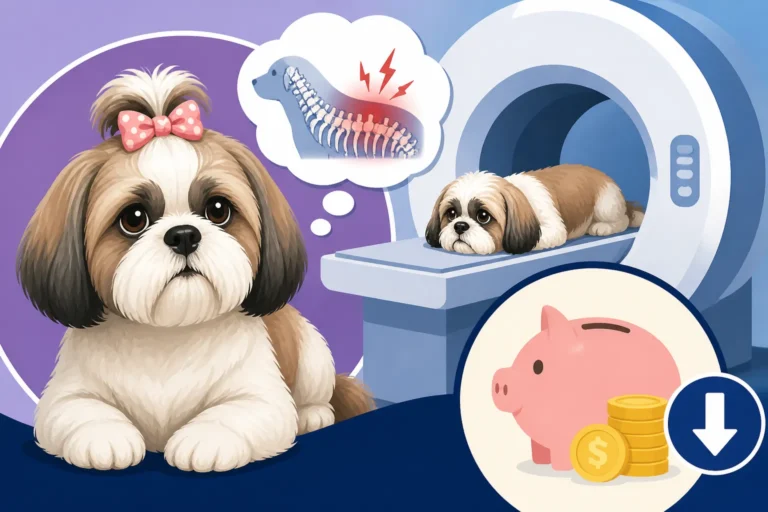
Thirteen Years of Shih Tzu Bills
Bringing a Shih Tzu into your life is an absolute joy, but let's be real: the financial commitment over their typical thirteen-year lifespan can be surprising if you haven't laid out a clear picture. Many first-time owners are caught off guard by the accumulating costs beyond the initial puppy price, from routine care to unexpected health issues. This comprehensive guide is here to walk you through the various bills you can expect over a Shih Tzu's entire life, helping you budget wisely and ensure your furry companion receives the best possible care for all their years.
The Foundation of Shih Tzu Ownership Costs
When you first bring home a fluffy little Shih Tzu, there's a flurry of excitement, but also an immediate need for several key items and initial outlays. These foundational costs set the stage for your dog's entire life with you.
Initial Puppy or Adoption Expenses
The very first bill you'll encounter is often the cost of acquiring your Shih Tzu. If you're going through a reputable breeder, you'll find that Shih Tzu Puppy Prices and Where the Money Goes can vary significantly based on location, the breeder's reputation, the puppy's pedigree, and whether health testing has been performed on the parents. These aren't just arbitrary numbers; they often reflect the care, health screenings, and early socialization the puppy received. A responsible breeder invests a lot into ensuring healthy puppies, which ultimately can save you money on vet bills down the line.
Alternatively, adopting a Shih Tzu from a rescue organization can be a wonderful, often more affordable, option. Rescue fees typically cover spaying or neutering, initial vaccinations, microchipping, and sometimes even a starter pack of food or basic supplies. While the initial fee might be lower, remember that an adopted adult dog might come with a past you don't fully know, potentially leading to different kinds of medical or behavioral needs that require attention. It's a different kind of investment, often in a dog that truly needs a second chance.
Essential Supplies to Start
Once your Shih Tzu is home, you'll need a whole array of items to make them comfortable and safe. Think about the basics first. A good-quality crate is essential for house training and creating a safe den, particularly for a small breed like a Shih Tzu. Don't skimp here; a sturdy, appropriately sized crate will last years. Then there's bedding – soft, washable beds for both the crate and another cozy spot in the house. Shih Tzus love comfort!
Food and water bowls are another necessity. Stainless steel or ceramic bowls are often recommended for hygiene. For their beautiful long coats, a basic grooming kit is a must-have right from the start. This includes a slicker brush, a metal comb, nail clippers, and dog-specific shampoo and conditioner. Even if you plan on professional grooming, daily brushing starts early to prevent painful mats. Toys are crucial for mental stimulation and bonding; choose toys appropriate for a small dog that won't be easily swallowed or destroyed. Finally, a proper harness (not just a collar, which can put pressure on their delicate necks) and a leash are needed for those first walks. Don't forget identification tags and perhaps even a microchip registration fee if it wasn't covered in your adoption or purchase.
Annual Recurring Costs: The Daily Grind and Beyond
After the initial setup, the ongoing, recurring costs form the bulk of your Shih Tzu's lifetime expenses. These are the bills that come month after month, year after year, for over a decade.
Food and Treats
Feeding your Shih Tzu appropriately is paramount to their health and, consequently, their long-term costs. The right food can prevent many health issues. A quality commercial kibble or wet food, appropriate for their age and activity level, is key. When choosing food, read labels carefully; options from brands like Chewy offer a wide variety, allowing you to compare ingredients and find what works best for your dog's specific needs, whether it's a sensitive stomach or a desire for higher protein. For those interested in fresh food, services like Ollie provide pre-portioned, human-grade meals that can be a fantastic option, though often at a higher price point. Remember, Daily Calories for a Twelve Pound Shih Tzu need to be carefully monitored to prevent obesity, which can lead to serious health problems like joint issues and exacerbate Brachycephalic Breathing in a Shih Tzu.
Treats are also a part of the budget, used for training, rewards, or just a little indulgence. Be mindful of calorie intake, especially with a small dog, as those extra treats can quickly add up in terms of weight. Dental chews are a good investment, too, as they contribute to oral hygiene, a critical area for Shih Tzus.
Routine Veterinary Care and Preventatives
Regular vet visits are non-negotiable for a Shih Tzu. Puppies require a series of vaccinations, deworming, and initial check-ups. Adult dogs need annual wellness exams, which often include blood work, particularly as they get older. These routine visits allow your vet to catch potential issues early. Think of it as preventative maintenance for your furry family member.
Beyond check-ups, there are ongoing preventative medications. Flea, tick, and heartworm prevention are year-round necessities in most regions. These medications are crucial for protecting your Shih Tzu from common parasites that can cause serious health problems. The cost of these preventatives, along with annual booster shots, forms a significant portion of the yearly veterinary budget. For many owners, investing in Shih Tzu Pet Insurance for a Flat-Faced Toy from providers like Healthy Paws can help manage the costs of both routine care (if a wellness plan is included) and, more importantly, unexpected emergencies.
Grooming
Ah, the glorious Shih Tzu coat! It's beautiful, but it's also a commitment. Whether you choose a full, flowing coat or a more manageable puppy cut, Shih Tzu Grooming at $500 to $1,080 a Year is a significant and unavoidable expense. Professional grooming every 4-8 weeks is essential to prevent painful mats, maintain hygiene, and keep their skin healthy. These sessions typically include bathing, drying, brushing, haircut, nail trims, and ear cleaning.
Even with professional grooming, daily home care is still required. This means daily brushing to prevent tangles and knots, especially around the ears, legs, and under the harness. Neglecting home grooming can lead to severe matting, which often results in higher grooming fees as the groomer needs more time and skill to safely remove the mats, sometimes even requiring a full shave-down. Learning to do some basic tasks yourself, like face trims to keep hair out of their eyes and cleaning around their bottom, can help extend the time between professional appointments, but it doesn't eliminate the need for them entirely.
Training and Enrichment
A Shih Tzu, despite its companion nature, still benefits immensely from training and enrichment. Training a Shih Tzu Bred Purely as a Companion is not about making them perform complex tricks, but about ensuring they are well-behaved, confident, and a joy to live with. Puppy classes are highly recommended for early socialization and basic obedience. These classes teach fundamental commands like "sit," "stay," and "come," and help prevent common behavioral issues.
Beyond puppyhood, continued training, whether through advanced classes or simply consistent practice at home, reinforces good manners. Behavioral consultations might be necessary for specific issues, such as excessive barking or What It Costs to Fix Shih Tzu House Training if they struggle with consistency. Enrichment, through puzzle toys, regular walks, and interactive play, is also vital for their mental well-being. These activities prevent boredom, which can often lead to destructive behaviors. While specific toys or classes have a cost, the investment in a well-adjusted dog pays dividends in a harmonious home.
Unexpected and Senior Care Expenses: The Later Years
While we hope for smooth sailing, life with a Shih Tzu will inevitably bring some surprises, particularly as they age. These costs are often the most unpredictable and can be the most substantial.
Emergency Vet Visits and Specialist Care
No one wants to think about it, but emergencies happen. A sudden accident, an ingested foreign object, or a rapid onset illness can send you rushing to the emergency vet, and these visits are typically much more expensive than routine appointments. For a Shih Tzu, there are specific breed-related concerns that can lead to emergency situations, such as Shih Tzu Eye Proptosis, the Emergency Owners Miss or sudden back pain from disc issues. These situations often require immediate and specialized care, sometimes involving surgery.
Beyond emergencies, your Shih Tzu might need to see specialists for conditions that require advanced diagnostics or treatments. This could be an ophthalmologist for chronic eye issues like corneal ulcers or pigmentary keratitis, a dermatologist for persistent skin allergies, or a veterinary internal medicine specialist for complex organ diseases. These specialist consultations, tests (like MRIs or ultrasounds), and advanced treatments carry significant costs. This is where a robust pet insurance policy, like those offered by Healthy Paws, truly shines, helping to cushion the financial blow of these unforeseen and often expensive medical events.
Managing Chronic Conditions
As Shih Tzus enter their senior years, which typically begins around age ten, they become more prone to chronic health conditions. Senior Shih Tzu Care Past the Age of Ten often involves managing conditions like arthritis, heart disease (Shih Tzu Heart Murmurs and Valve Disease), kidney disease (Renal Dysplasia and the Shih Tzu Kidney), or dental disease (Shih Tzu Dental Disease at 13 Percent of the Breed). Managing these conditions usually means ongoing medication, prescription diets, more frequent vet check-ups, and potentially physical therapy or other supportive care.
For example, a Shih Tzu with chronic dry eye might need lifelong daily eye drops. A dog with arthritis might require daily joint supplements, pain medication, and potentially regular injections. A Shih Tzu battling kidney disease would be on a special renal diet and need regular blood work to monitor kidney function. These ongoing treatments can add up considerably over several years, becoming a predictable but substantial monthly expense that must be factored into your long-term budget.
End-of-Life Planning
It's a difficult topic, but planning for your Shih Tzu's final months or years is a responsible part of ownership. As they approach the end of their Shih Tzu Lifespan and the Thirteen Year Average, quality of life becomes paramount. This might involve palliative care to keep them comfortable, managing pain, and ensuring they can still enjoy their days. The costs associated with palliative care can include specialized medications, mobility aids like slings or ramps, and more frequent, gentle vet visits.
Eventually, you might face the heartbreaking decision of euthanasia. There are costs associated with this final act of love, including the procedure itself, cremation services (private or communal), and memorial items. Some owners choose at-home euthanasia to provide a peaceful, familiar setting for their beloved companion's final moments, which can also carry an additional fee. While emotionally challenging, understanding these potential costs allows you to make decisions based on your dog's well-being without added financial stress during an already difficult time.
Budgeting and Financial Planning for a Shih Tzu's Lifespan
Looking at the full scope of potential costs can feel overwhelming, but with a bit of planning, you can ensure financial readiness for your Shih Tzu's entire life.
Creating a Realistic Budget
The best way to manage Shih Tzu costs is to create a realistic budget from the outset. Start by calculating your initial expenses (purchase/adoption, first-time supplies). Then, estimate your recurring monthly and annual costs: food, treats, grooming, preventatives, annual vet visits, and maybe some training classes. Many online resources and vet clinics can give you average figures for your area.
It's wise to categorize these expenses and track them for a few months to see where your actual spending lies. Are you buying more expensive food from Chewy than you initially planned? Are your grooming sessions more frequent? Adjust your budget as needed. Don't forget to factor in a buffer for unexpected costs. Many owners set aside a specific amount each month into a "pet emergency fund" or invest in pet insurance. Thinking about The Shih Tzu Costs Nobody Warns You About beforehand can save you stress later.
Savings and Insurance Considerations
Having a financial safety net is critical for Shih Tzu owners. One approach is to set up a dedicated savings account for your pet. Even putting away a small amount each month can build a substantial fund over thirteen years, ready for those emergency surgeries or chronic disease management. For instance, if you save just a hundred dollars a month, you'll have over fifteen thousand dollars accumulated in a little over a decade.
The other major consideration is pet insurance. Policies from providers like Healthy Paws can be lifesavers, especially for a breed prone to specific issues like eye problems or Shih Tzu Back Problems and Disc Disease. While pet insurance doesn't cover pre-existing conditions, enrolling a healthy puppy or young adult can ensure coverage for future unexpected illnesses or injuries. It's important to research different plans, deductibles, reimbursement percentages, and annual limits to find a policy that fits your budget and offers comprehensive coverage for your Shih Tzu's potential breed-specific health needs. It can make the difference between approving a necessary surgery and facing an impossible financial decision.
| Category | Estimated Frequency | Common Expenses (Shape of Cost) |
|---|---|---|
| Initial Costs | One-time | Purchase/Adoption fee, crate, beds, bowls, leash/harness, initial grooming tools, toys, microchip. |
| Food & Treats | Monthly | Quality kibble/wet food, dental chews, training treats. |
| Routine Vet Care | Annually | Wellness exams, vaccinations, fecal/heartworm tests. |
| Preventatives | Monthly/Quarterly | Flea, tick, and heartworm medications. |
| Grooming | Every 4-8 weeks | Professional haircuts, baths, nail trims, ear cleaning, home brushing supplies. |
| Training/Enrichment | As needed | Puppy classes, obedience training, puzzle toys, behavioral consultations. |
| Pet Insurance/Savings | Monthly | Premiums for insurance or regular contributions to an emergency fund. |
| Emergency/Specialty Care | As needed | Urgent vet visits, specialist consultations, diagnostic tests, surgeries, medications. |
| Chronic Disease Mgmt. | Monthly/Quarterly | Prescription diets, long-term medications, more frequent monitoring exams. |
| Senior Care | Annually/As needed | Arthritis management, mobility aids, specialized senior vet visits. |
| End-of-Life | One-time | Euthanasia, cremation, memorial items. |
This table provides a general overview. Remember that costs fluctuate based on your location, chosen products, and your dog's individual health needs. The key is to be prepared for the full spectrum of expenses that come with sharing thirteen wonderful years with a Shih Tzu.
Disclaimer
This article is for general informational purposes only and does not constitute professional advice. Laws, prices and regulations vary by location and change over time. Consult a qualified professional for guidance on your specific situation.