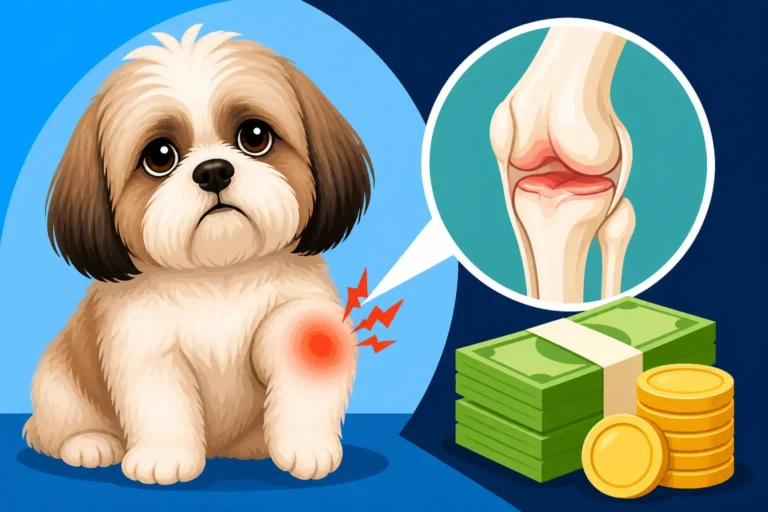
The Gap Between a $1,000 and $3,000 Shih Tzu
Navigating the world of Shih Tzu puppy prices can feel like walking through a minefield, with some puppies advertised for a seemingly affordable $1,000 while others soar past the $3,000 mark. This significant discrepancy often leaves aspiring Shih Tzu parents confused and unsure if they're getting a good deal or unwittingly signing up for future heartbreak. This comprehensive guide will shed light on the crucial factors that contribute to these wildly varying prices, helping you understand what you're truly investing in when you bring a Shih Tzu home.
Understanding the True Cost of a Shih Tzu Puppy
When you see a price tag on a Shih Tzu puppy, it's rarely just about the cute fluffball itself. That number encapsulates a whole range of decisions, investments, and practices by the breeder. Think of it less as a simple purchase and more as an indicator of the effort, care, and genetic planning that went into that puppy's start in life. The gap between a $1,000 and a $3,000 Shih Tzu isn't just arbitrary; it reflects fundamental differences in breeding philosophies and the level of preventative care and health assurance provided.
A lower price might seem appealing at first glance, especially if you're working with a strict budget. However, it's essential to consider that a cheap puppy could end up being far more expensive in the long run due to unforeseen health problems or behavioral issues. Conversely, a higher price doesn't automatically guarantee perfection, but it generally indicates a breeder who has invested significantly in the health, temperament, and well-being of their dogs and puppies. It's about finding that balance where ethical breeding practices meet a price point that reflects genuine value and peace of mind.
The Impact of Health Testing and Pedigree
One of the most significant factors driving up the cost of a well-bred Shih Tzu is the extensive health testing performed on the parent dogs. Shih Tzus, like many purebreds, are prone to certain genetic conditions. Reputable breeders invest heavily in screening their breeding stock for these issues to minimize the chances of passing them on to puppies. This can include expensive genetic tests, ophthalmologist examinations to check for eye conditions like Progressive Retinal Atrophy (PRA) or cataracts, and orthopedic evaluations for patellar luxation (slipping kneecaps) and hip dysplasia. These are not minor tests; each one adds to the breeder's overhead.
For example, a breeder might spend hundreds, if not thousands, of dollars per breeding dog annually on these clearances alone. If you're comparing two puppies, and one breeder can provide detailed documentation of multiple generations of health clearances from organizations like the Orthopedic Foundation for Animals (OFA) or the Canine Eye Registry Foundation (CERF), while the other breeder offers no such proof, you're looking at a fundamental difference in their approach. This diligent health testing helps ensure that your puppy has the best possible genetic start, potentially saving you thousands in vet bills down the line for inherited conditions. It's a proactive measure that responsible breeders take, and it's understandably reflected in the price. For a deeper dive, read our guide on Health Testing a Shih Tzu Breeder Should Do.
Beyond health, a robust pedigree, indicating a line of champions or dogs with proven excellent temperaments, also contributes to the price. Breeders who show their dogs or participate in performance events invest time, money, and effort into proving their dogs' quality against the breed standard. This isn't just about ribbons; it's about validating that their dogs embody the best characteristics of the Shih Tzu breed in terms of conformation, movement, and temperament. While not every pet owner needs a show-quality dog, a strong pedigree often signifies a long-standing commitment to the breed and a predictable outcome in terms of the puppy's appearance and personality.
Breeder Reputation and Support
A reputable breeder doesn't just sell you a puppy and disappear. They offer ongoing support, advice, and a lifetime commitment to the dogs they produce. This often includes a comprehensive health guarantee, a detailed contract, and a willingness to take the dog back at any point if circumstances change. These breeders often limit their litter sizes, dedicating significant time to socializing each puppy, exposing them to various sights, sounds, and experiences crucial for their development. They handle early vetting, deworming, and initial vaccinations. The cost reflects this meticulous care and the invaluable resource of having an experienced mentor for years to come.
Consider the time and resources that go into raising a litter properly. A responsible breeder provides high-quality food, proper veterinary care for both the mother and puppies, a clean and stimulating environment, and countless hours of socialization. This includes basic potty training introduction and temperament assessment. A breeder who truly cares will want to know about your living situation, your experience with dogs, and how you plan to care for the puppy, ensuring a good match. This personalized attention, coupled with accessible post-adoption support, is a significant part of what you're paying for with a higher-priced puppy. Conversely, breeders selling at the lower end of the spectrum often lack these comprehensive support systems, leaving new owners to navigate challenges alone.
The Risks of a Low-Cost Shih Tzu
While a $1,000 Shih Tzu puppy might seem like a steal compared to one priced at $3,000, it's crucial to understand the potential hidden costs and heartbreaking risks associated with such a bargain. Often, these lower prices are a red flag, signaling practices that prioritize profit over the health and welfare of the dogs. It's not uncommon for these puppies to come from puppy mills or backyard breeders who cut corners, leading to significant problems for unsuspecting owners. For more insight into what can go wrong, you might want to read What Shortens a Shih Tzu's Life Most.
Unseen Health Issues and Future Vet Bills
A primary concern with a lower-priced Shih Tzu is the lack of proper health screening for the parent dogs. Without genetic testing, puppies are at a much higher risk of inheriting serious conditions such as Renal Dysplasia and the Shih Tzu Kidney, Shih Tzu Eye Proptosis, the Emergency Owners Miss, or severe dental problems. These conditions can lead to chronic illness, require expensive surgeries, or demand lifelong medication, quickly turning that "affordable" puppy into a financial burden far exceeding the initial savings. For instance, a dental cleaning alone for a Shih Tzu can cost several hundred dollars, and extractions can run into the thousands, as highlighted in our article Shih Tzu Dental Disease at 13 Percent of the Breed.
Imagine bringing home a sweet, fluffy puppy only to discover within months that it has a heart murmur or severe luxating patellas. Veterinary treatment for these issues can easily run into thousands of dollars. Patella surgery, for example, can cost between $1,500 and $3,000 per knee. If a puppy comes from a home where the parents weren't screened, or where conditions like Brachycephalic Obstructive Airway Syndrome (BOAS) are rampant, you could be facing significant costs for procedures like soft palate surgery or stenotic nares correction. These are not minor expenses and often come as a shock to owners who thought they were saving money upfront. This is precisely why considering pet insurance from providers like Healthy Paws early on can be a wise decision, as it helps mitigate some of these potential financial blows.
Temperament and Socialization Deficiencies
Beyond physical health, a lower-priced puppy often comes with a higher risk of behavioral problems due to inadequate socialization and genetic predisposition. Puppies from environments like puppy mills are often deprived of crucial early human interaction and exposure to normal household sights and sounds. This can lead to fear, anxiety, aggression, or difficulty with house training. A poorly socialized puppy may struggle with separation anxiety, excessive barking, or even nipping, requiring extensive and costly behavioral training. While all puppies need training, starting with a puppy with a good foundation makes a world of difference.
A breeder who churns out puppies for profit is unlikely to invest the time and effort into early neurological stimulation, handling, and exposure to various stimuli that help a puppy develop into a confident, well-adjusted adult. These puppies might be timid, overly shy, or reactive, making them challenging companions. The cost of professional training to address severe behavioral issues can easily add hundreds or even thousands of dollars to your overall expenses. Moreover, the emotional toll of dealing with a fearful or aggressive dog is immeasurable. The initial savings quickly evaporate when faced with these kinds of challenges.
What You Get for the Higher Price Tag
Investing in a Shih Tzu puppy at the higher end of the price spectrum, typically $2,500 to $3,000 or more, often means you're acquiring a puppy from a truly dedicated, ethical breeder. This isn't just about pedigree papers; it's about a foundational commitment to the health, longevity, and ideal temperament of the breed. This higher price is a reflection of significant investments made by the breeder, providing you with a much greater likelihood of a healthy, well-adjusted, and happy companion.
Assurance of Health and Longevity
With a higher-priced Shih Tzu, you are paying for the peace of mind that comes from extensive health testing. A reputable breeder will openly share documentation of health clearances for both parents, often going back generations. This includes certifications for eyes (OFA Eye Certification or CERF), patellas (OFA Patella Evaluation), hips (OFA Hip Dysplasia), and often DNA tests for breed-specific genetic conditions. This proactive approach significantly reduces the risk of your puppy developing costly and heartbreaking inherited diseases, contributing to a longer, healthier life. You'll want to check out Shih Tzu Lifespan and the Thirteen Year Average to understand the long-term commitment.
Moreover, these breeders often have long-standing relationships with highly respected veterinary specialists. They may even have their litters examined by a board-certified veterinary ophthalmologist or cardiologist. This level of preventative care and transparency is invaluable. You're not just buying a puppy; you're buying a puppy backed by a breeder's commitment to reducing genetic predispositions to common Shih Tzu ailments. This means fewer unexpected vet visits for inherited conditions and a greater chance your Shih Tzu will live a full, vibrant life, potentially reaching ages like those discussed in Why Some Shih Tzus Reach Eighteen.
Exceptional Socialization and Temperament
A higher price tag also reflects the immense effort a dedicated breeder puts into the early socialization and temperament development of their puppies. These breeders raise their litters in a home environment, exposing them daily to the sights, sounds, and routines of a busy household. Puppies are handled regularly, introduced to various textures, sounds (like vacuum cleaners or doorbells), and people of different ages. This crucial early exposure helps puppies develop into confident, resilient, and friendly adults.
A well-socialized puppy integrates into a new home much more smoothly, is typically easier to house train, and adapts better to new situations. They are less likely to develop fear-based behaviors or aggression. Reputable breeders often follow specific puppy culture protocols, like early neurological stimulation (ENS), to enhance brain development and resilience. They also pay close attention to individual puppy temperaments, helping match the right puppy with the right family, ensuring a harmonious relationship from the start. This careful foundation translates into a calmer, more adaptable, and more affectionate companion, validating the upfront investment.
Navigating the Shih Tzu Puppy Market
Given the vast range in Shih Tzu puppy prices, it's easy to feel overwhelmed. However, by understanding the key indicators of a responsible breeder and what to prioritize, you can make an informed decision that will lead to a lifetime of happiness with your furry friend. Don't let the initial sticker shock deter you from seeking out a reputable breeder, as the long-term benefits far outweigh the upfront cost.
Questions to Ask and Red Flags to Watch For
When you're speaking with a potential breeder, come prepared with a list of questions. Ask about the health clearances for both parents (not just a vet check, but specific genetic and orthopedic certifications). Inquire about their breeding philosophy, how they socialize their puppies, and what their health guarantee entails. A responsible breeder will be transparent, willing to answer all your questions, and should also have questions for you about your home and lifestyle. They want to ensure their puppies go to loving, appropriate homes.
Red Flags to Watch For:
- No health testing documentation: If a breeder cannot provide proof of OFA or CERF certifications for the parents, walk away. A vet check is not the same as comprehensive genetic health clearances.
- Multiple breeds or many litters at once: This can indicate a puppy mill or a high-volume breeder more interested in profit than welfare.
- Inability to visit the puppies and parents: A reputable breeder will welcome visitors to see the puppies in their home environment. If they offer to meet you in a public place, it's a huge red flag.
- No questions asked about your living situation: A breeder who doesn't vet prospective buyers is concerning.
- Puppies available year-round: Healthy, responsible breeding doesn't happen continuously.
- Selling puppies under 8 weeks of age: Puppies need this critical time with their mother and littermates for proper development.
What to Expect at Different Price Points
To help clarify the differences, here's a quick overview of what you might typically find at various price points. Remember, these are general guidelines, and individual situations can vary.
| Feature | ~$1,000 Shih Tzu Puppy | ~$2,000 Shih Tzu Puppy | ~$3,000+ Shih Tzu Puppy |
|---|---|---|---|
| Health Testing | Likely none or minimal vet check. | Some basic health checks; perhaps limited genetic testing. | Extensive OFA/CERF certifications on parents, DNA tested. |
| Pedigree | Often unregistered or limited information. | Registered, but perhaps not from champion lines. | Registered, multi-generation champion lines possible. |
| Breeder Support | Minimal to none after sale. | Some post-sale advice; limited health guarantee. | Lifetime support, comprehensive health guarantee, contract. |
| Socialization | Variable; could be kennel-raised with limited handling. | Basic home environment exposure. | Raised in home, extensive early socialization protocols. |
| Initial Vet Care | May include first shots, basic deworming. | Standard vaccinations, deworming, vet health certificate. | Full series of age-appropriate vaccinations, deworming, microchip, comprehensive vet exam. |
| Temperament Predictability | Lower predictability; higher risk of behavioral issues. | Moderate predictability; generally stable temperament. | High predictability; confident, well-adjusted. |
| Return Policy | Unlikely or difficult. | Conditional return policy. | Clear return policy if not a good fit or health issues arise. |
When planning your budget, remember the initial puppy cost is just the beginning. You'll need food, like options from Chewy or specialized fresh food diets from Ollie, grooming supplies, toys, and routine vet care. Don't forget the importance of enrolling in pet insurance, especially for a flat-faced breed like the Shih Tzu, as discussed in Shih Tzu Pet Insurance for a Flat-Faced Toy.
Considering Adoption as an Alternative
If the price point of a well-bred Shih Tzu is simply out of reach, or if you prefer giving a second chance to a dog in need, adopting from a reputable Shih Tzu rescue is an excellent alternative. While rescue fees typically range from $250 to $700, they often include spay/neuter, vaccinations, microchipping, and initial health checks. Rescues also strive to match dogs with appropriate homes, providing a valuable service. For more on this, consider reading Adopting a Shih Tzu Whose Past Nobody Knows.
While you might not get detailed genetic history with a rescue dog, many rescues provide known behavioral and health information from foster homes. They often have dogs of all ages, from puppies to seniors, giving you a chance to find a companion that perfectly fits your lifestyle without contributing to irresponsible breeding practices.
Disclaimer
The information provided in this article is for general informational purposes only and does not constitute veterinary advice. Always consult with a qualified veterinarian for any health concerns or before making any decisions about your pet's care.