Whether a Shih Tzu Can Swim Safely
It’s a lovely summer day, the sun is shining, and you’re dreaming of dipping your toes in the cool water, perhaps even bringing your furry best friend along. But then you look at your adorable Shih Tzu, with that squishy face and those short little legs, and a familiar worry bubbles up: Can my Shih Tzu actually swim safely? This is a common concern for many Shih Tzu parents, and for good reason. Their unique breed characteristics, while making them incredibly charming, also present some genuine challenges when it comes to water activities. This guide is here to walk you through everything you need to know about Shih Tzu swimming safety, from understanding their physical limitations to implementing crucial precautions, ensuring any water fun is truly safe and enjoyable for your little lion dog.
The Unique Challenges of a Shih Tzu in Water
Let's be honest, when you picture a graceful swimmer, a Shih Tzu probably isn't the first image that comes to mind. While some dogs are practically born with flippers, our beloved Shih Tzus face an uphill battle in the water, thanks to their distinct physical makeup. It's not about lack of desire or intelligence; it's simply a matter of physics and physiology.
Brachycephalic (Flat-Faced) Breathing Concerns
The most significant hurdle for a Shih Tzu in the water is their brachycephalic, or flat-faced, anatomy. Just think about how they breathe normally – often with a charming snort or snuffle. Now imagine adding the exertion of paddling and the potential for water splashing around their face. Their short snouts mean their airways are already compressed. Many Shih Tzus contend with conditions like an The Elongated Soft Palate in a Shih Tzu, where excess tissue can partially block their airway, or Shih Tzu Stenotic Nares and Noisy Breathing, which means their nostrils are too narrow to begin with.
When a Shih Tzu tries to swim, the effort required intensifies their breathing. This can quickly lead to overheating and respiratory distress, even in cool water. Water splashing into their nose or mouth can cause them to aspirate, meaning water enters their lungs, which can lead to serious pneumonia. This isn't just uncomfortable; it can be life-threatening. The sheer act of holding their breath or trying to keep their nose above water is a monumental task for them, putting immense strain on their already compromised respiratory system. Understanding these inherent breathing difficulties is the first step in deciding if and how your Shih Tzu can safely engage in water activities.
Body Structure and Buoyancy Issues
Beyond their adorable flat faces, a Shih Tzu's overall body structure isn't exactly built for aquatic prowess. They possess small, relatively dense bodies, coupled with short legs that aren't designed for powerful propulsion through water. When they attempt to paddle, it often looks more like a frantic churn than efficient swimming, expending a lot of energy for very little forward motion.
Furthermore, their luxurious double coat, while beautiful on land, becomes a significant disadvantage in water. This thick fur quickly soaks up water, making them much heavier and pulling them down. It's like trying to swim while wearing a heavy, wet wool blanket. This added weight makes it incredibly difficult for them to stay afloat and propel themselves, accelerating fatigue. It also means they can get colder much faster once wet, especially in cooler water or air temperatures, making it harder for them to regulate their body temperature. Remember, Why a Shih Tzu Cannot Cool Itself Well is a constant concern, and water exertion can exacerbate this.
Eye Protrusion and Water Irritation
Those large, beautiful, slightly bulging eyes that give the Shih Tzu their expressive look are unfortunately very vulnerable, especially around water. Because their eyes protrude more than those of many other breeds, they are at a higher risk for injury. A sudden bump against the side of a pool, a clumsy paddle, or even just another dog's playful splash could potentially lead to a painful scratch or, in severe cases, even Shih Tzu Eye Proptosis, the Emergency Owners Miss, where the eyeball actually pops out of its socket. It's a terrifying thought, but a real risk due to their anatomy.
Beyond physical injury, water itself can be a major irritant. Chlorine from swimming pools, salt from the ocean, or bacteria and debris from lakes and ponds can all cause significant eye irritation, redness, and even infections. For a breed already prone to eye issues, introducing these irritants increases the risk of problems like conjunctivitis or corneal ulcers. Owners must be hyper-vigilant about protecting their Shih Tzu's eyes, even during brief exposure to water.
Safety Measures for Shih Tzus Around Water
Given all the challenges, you might think water activities are a definite no-go for Shih Tzus. Not necessarily! With the right precautions and a healthy dose of realism, your little companion can still enjoy some aspects of water fun. The key is to prioritize their safety above all else and to understand that "swimming" for a Shih Tzu often looks very different than it does for a Labrador.
Mandatory Life Vests and Proper Fit
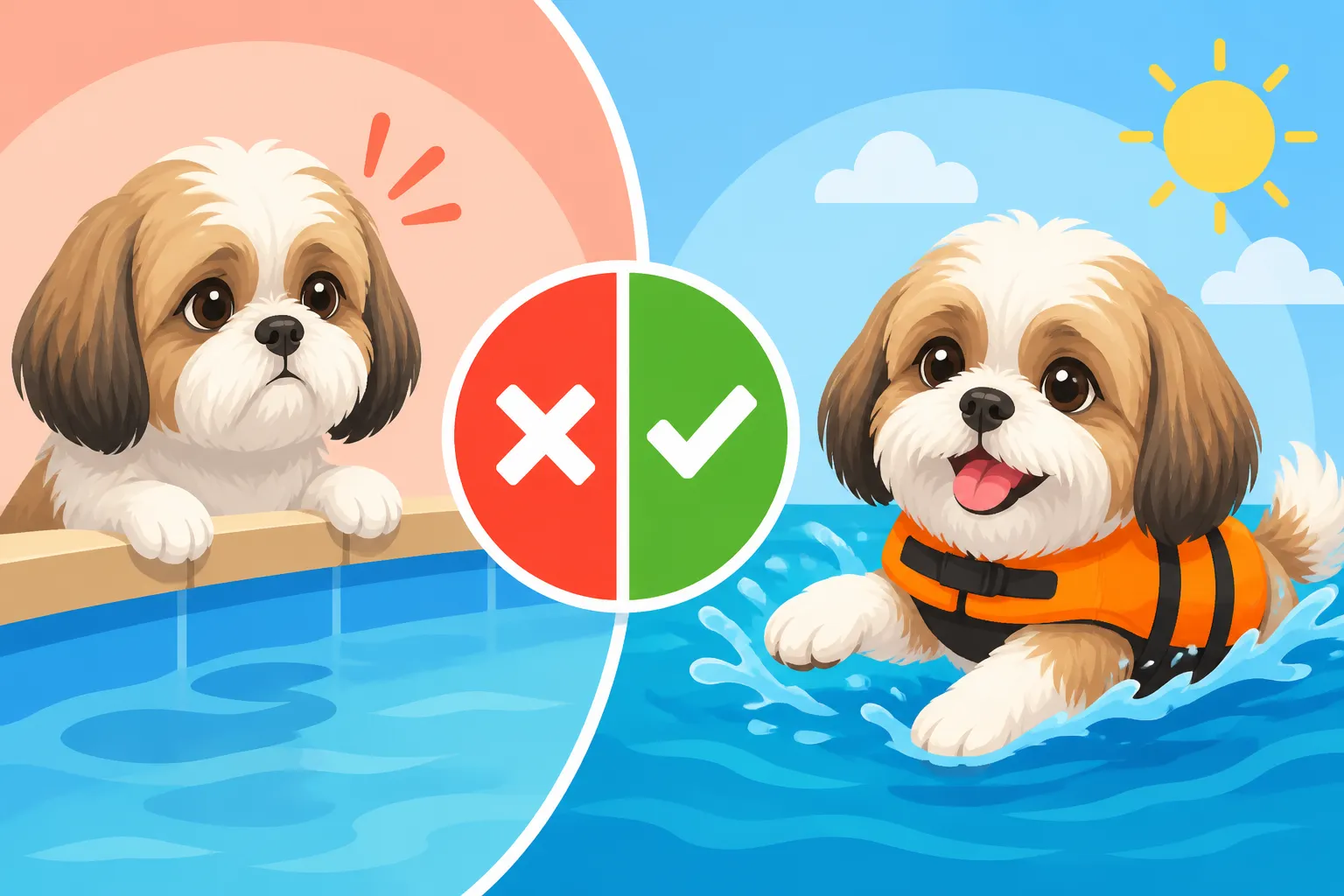
This is non-negotiable, absolutely essential, and the first piece of equipment you should invest in if you plan on introducing your Shih Tzu to any water greater than puddle-depth. A high-quality, properly fitted life vest acts as their personal flotation device, compensating for their poor natural buoyancy and helping to keep their head above water, which is critical for their brachycephalic breathing.
When choosing a life vest, don't just grab the first cute one you see. Look for:
- Bright Colors: For maximum visibility, so you can always spot your dog in the water.
- Strong D-Ring: For attaching a leash, especially if you need to guide them or keep them close.
- Handle on Top: This is crucial! It allows you to easily lift your Shih Tzu out of the water quickly if they get tired, panic, or need assistance.
- Good Buoyancy: Ensure it has enough flotation material to truly support their weight. Some vests are more decorative than functional.
- Proper Fit: This is paramount. The vest should be snug enough that your Shih Tzu cannot slip out of it, especially around the neck and chest, but not so tight that it restricts their breathing or movement. Test it in shallow water first to make sure it doesn't ride up or shift. Brands like Outward Hound, Kurgo, and Ruffwear offer excellent options for small breeds. While Healthy Paws pet insurance can offer a financial safety net for unexpected vet bills related to accidents, preventing those incidents with a reliable life vest is always the best first step.
Supervised, Shallow Water Introduction
Never, ever throw your Shih Tzu into water. This can be terrifying for any dog, but for a Shih Tzu, it can induce panic, leading to immediate aspiration or even proptosis of an eye if they thrash violently. The introduction to water must be gradual, gentle, and always, always supervised.
Start in extremely shallow, calm water, such as a kiddie pool in your backyard, or the very edge of a lake or beach where they can stand comfortably with all four paws on the ground. Let them explore at their own pace. Encourage them with treats and praise. Keep the first sessions very short, just a few minutes, focused purely on positive association. The goal isn't necessarily to teach them to "swim" laps, but to get them comfortable and perhaps cool off their paws.
Avoid areas with strong currents, deep drop-offs, or crowded beaches where they might get jostled. Even in shallow water, stay within arm's reach. Remember, even with a life vest, they can still become fatigued quickly due to their breathing challenges and the effort of paddling. Signs of fatigue include excessive panting, lagging behind, or a sudden change in demeanor. Pay close attention to these cues, as Shih Tzu Exercise Intolerance in Summer is a very real factor.
Post-Swim Care and Health Checks
The fun doesn't end when your Shih Tzu leaves the water; proper post-swim care is crucial to prevent common health issues.
First, thorough rinsing is essential. If they've been in chlorinated pool water, salt water, or a murky pond, immediately rinse them with clean, fresh water. This removes chemicals, salt, and any potential irritants or bacteria that could lead to skin or ear problems.
Next, careful drying. Their thick double coat, which is designed to keep them warm, can also trap moisture, creating a perfect breeding ground for bacteria and yeast. Pay special attention to drying right down to the skin, especially in areas like their armpits, groin, and behind the ears. A damp undercoat can quickly lead to painful matting and skin irritations or Shih Tzu Skin Allergies and Hot Spots. You might need a pet-specific dryer on a cool setting.
Finally, health checks.
- Ears: Shih Tzus are notorious for Shih Tzu Ear Infections Under Heavy Ear Leather. Water trapped in their ear canals, especially under that heavy ear leather, can quickly lead to infection. Use a vet-approved ear cleaning solution to gently clean their ears after any water exposure.
- Eyes: Carefully check their eyes for any redness, irritation, discharge, or signs of pain. If you notice anything unusual, contact your vet immediately. Flush with sterile saline if recommended by your vet.
- Paws: Check their paw pads for any cuts or abrasions from walking on rough surfaces.
Alternatives to Traditional Swimming
If the idea of your Shih Tzu actually swimming fills you with dread, or if your dog simply isn't keen on it, don't despair! There are plenty of other ways for them to enjoy water and stay cool without the risks associated with full-on swimming. These alternatives often cater better to their unique physical needs and can be just as much fun.
Splash Pads and Wading Pools
These are fantastic options for Shih Tzus who love water but aren't built for deep-end adventures.
- Kiddie pools: A simple plastic kiddie pool filled with just a few inches of water (enough to cover their paws but not much higher) can provide hours of cooling relief and gentle play. They can splash, wade, and even lie down to cool their bellies without any risk of getting their heads submerged or struggling to stay afloat.
- Splash pads: Many public parks now have splash pads designed for children, which can be great for dogs too. The gentle jets and shallow puddles offer a refreshing experience without the challenges of swimming. Just be sure the area is dog-friendly and clean.
These environments are controlled, minimize the risk of eye or ear infections from dirty water, and allow your Shih Tzu to interact with water on their own terms. Even in these shallow settings, some owners still opt for a life vest, especially for very enthusiastic splashers, just for that added layer of confidence.
Boating and Paddleboarding (with precautions)
Taking your Shih Tzu out on a boat or a paddleboard can be a wonderful shared experience, allowing them to enjoy the water from a safe vantage point. However, this still requires significant precautions:
- Life Vest is Non-Negotiable: Even if they’re just riding along, an accidental slip or capsize means they could end up in deep water. A life vest is absolutely mandatory. Not only does it provide buoyancy, but the handle on top makes it easy to scoop them back into the boat.
- Designated Safe Space: Ensure there’s a comfortable, secure spot for your Shih Tzu on the boat or board. This should be away from the edges where they could easily fall off and ideally in a shaded area to prevent overheating, especially if you're out for extended periods. Traveling With a Shih Tzu in Warm Weather requires careful planning for their comfort and safety.
- Sun Protection and Hydration: Like us, dogs can get sunburned, especially on their noses or areas with sparse fur. Consider dog-specific sunscreen if recommended by your vet. Always bring plenty of fresh water and offer it frequently to prevent dehydration.
- Practice First: Before heading out on a large body of water, let your Shih Tzu get used to the boat or board while it’s on solid ground. This helps them build confidence with the unstable surface.
These activities offer a fantastic way for your Shih Tzu to be part of your water adventures without the inherent dangers of trying to swim themselves.
Here's a quick comparison of various water activities for your Shih Tzu:
| Activity | Description | Pros | Cons | Safety Tips |
|---|---|---|---|---|
| Traditional Swimming | Full immersion in pools, lakes, oceans. | Can be fun for some rare, confident Shih Tzus. | High risk of drowning, aspiration, eye injury, fatigue. | Mandatory life vest. Start in very shallow, calm water. Constant, close supervision. Limit sessions to a few minutes. Immediate rinse and dry post-swim. |
| Kiddie Pool/Wading | Shallow water (a few inches) for splashing and cooling off. | Low risk, easy to supervise, excellent for cooling. | Limited exercise, still need to monitor for drinking too much water. | Keep water level low. Ensure stable footing. Fresh water only. Consider a life vest for extra peace of mind. |
| Splash Pads | Public or private areas with gentle water jets and shallow puddles. | Fun, cooling, minimal submersion risk. | Can be crowded, potential for bacteria if not well-maintained. | Check for dog-friendly policies. Ensure surfaces aren't too hot. Rinse off afterward. |
| Boating/Paddleboarding | Riding on a boat, canoe, kayak, or paddleboard. | Allows inclusion in water activities without direct swimming. | Risk of falling overboard, motion sickness, sun exposure. | Mandatory life vest. Secure a designated shaded spot. Provide fresh water. Acclimate dog to vessel on land first. |
| Beach/Lake Shore | Playing at the very edge of natural bodies of water. | Natural environment, good for paw-dipping. | Variable water quality, strong currents, sharp objects. | Keep on a leash near the water. Avoid rough waves or deep areas. Check for debris. Rinse off sand/salt thoroughly. |
Ultimately, while a Shih Tzu might not be your typical water dog, they absolutely can enjoy water in a safe, controlled manner. It all comes down to understanding their physical limitations and taking the right proactive steps. A life vest isn't just a recommendation; it's a necessity for any deeper water. Gradual introduction, constant supervision, and diligent post-water care will ensure that your little lion dog can enjoy the refreshing splash without any unnecessary risks. Your Shih Tzu's safety and well-being should always be the top priority, making every water adventure a happy and secure one.
Disclaimer
The information provided in this article is for general informational purposes only and is not a substitute for professional veterinary advice. Always consult with a qualified veterinarian for any health concerns or before making any decisions about your Shih Tzu's care, diet, or exercise routine, especially regarding water activities.