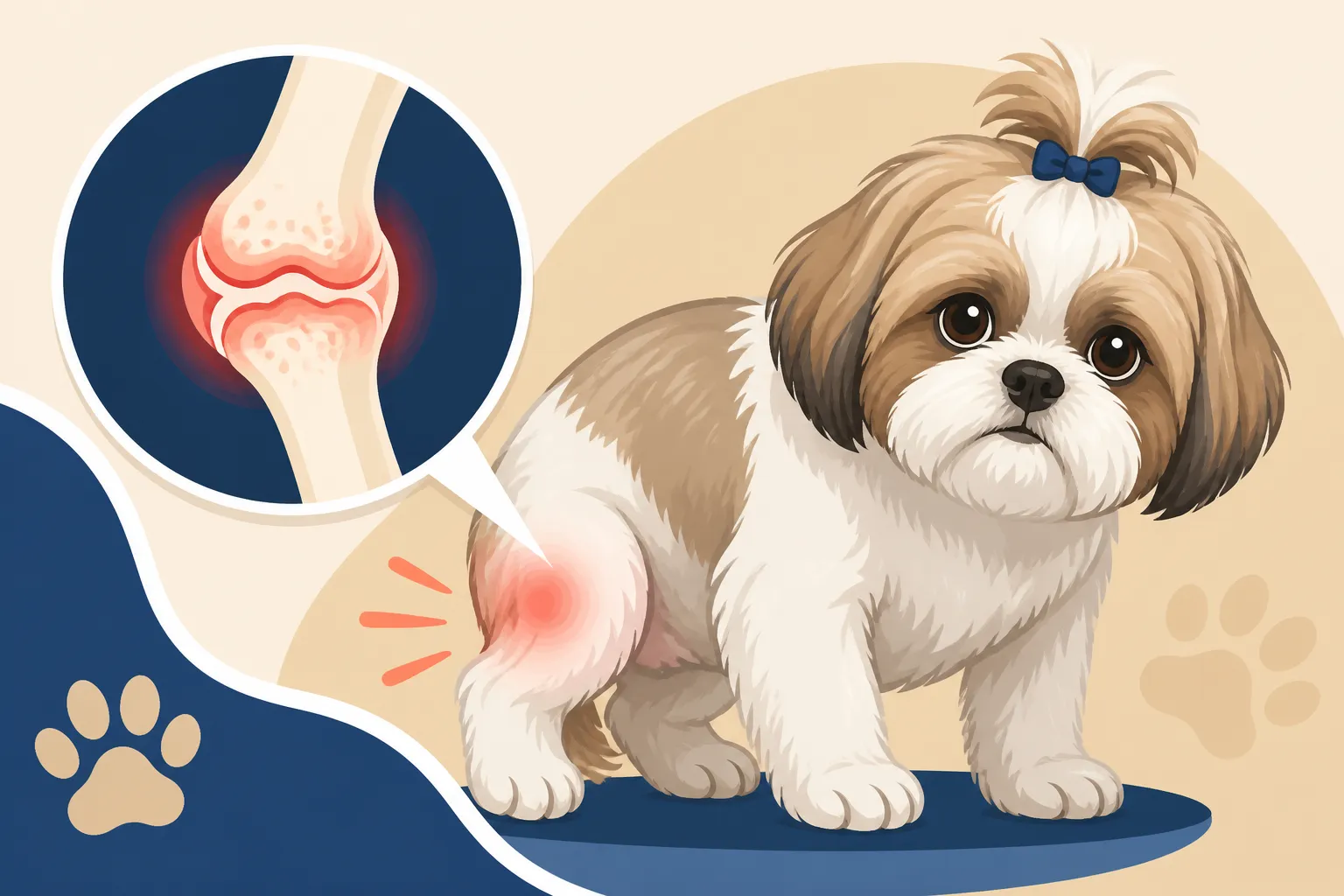
Shih Tzu Arthritis After the Age of Nine
It’s a heartbreaking, yet often inevitable, part of loving a senior Shih Tzu: watching them gradually lose that youthful bounce and perhaps struggle with movements they once found effortless. If your beloved companion is past the age of nine and starting to show signs of stiffness, limping, or reluctance to jump, you’re likely grappling with the reality of arthritis. This guide aims to thoroughly explore Shih Tzu arthritis, from understanding its causes and spotting the subtle signs to implementing effective treatments and home care strategies to keep your furry friend comfortable and happy.
Understanding Arthritis in Senior Shih Tzus
As our cherished Shih Tzus gracefully enter their senior years, typically after the age of nine, the topic of arthritis often moves from a distant concern to a very real daily challenge. It’s a condition that can significantly impact their comfort and mobility, and understanding it is the first step toward effective management. You're not alone in noticing these changes; it's a common struggle for many owners of aging toy breeds.
What is Arthritis and How Does It Affect Shih Tzus?
Arthritis, or osteoarthritis (OA) as it's formally known, is a degenerative joint disease. Essentially, it means the protective cartilage within the joints starts to wear down over time. This cartilage acts as a cushion, allowing bones to glide smoothly against each other. When it erodes, bones begin to rub directly, leading to pain, inflammation, stiffness, and reduced range of motion. Think of it like a rusty hinge that grinds and aches instead of swinging freely. For a Shih Tzu, whose small frame already carries the burden of specific breed characteristics, this wear and tear can be particularly impactful.
Shih Tzus, like many toy breeds, are prone to certain orthopedic issues that can predispose them to early-onset arthritis or exacerbate its effects in old age. Conditions like Patellar Luxation in a Shih Tzu, where the kneecap slips out of place, or even Shih Tzu Hip Dysplasia at Toy Size, though less common than in larger breeds, can lay the groundwork for arthritis by creating abnormal joint mechanics. Their long backs, a defining feature, can also make them susceptible to Shih Tzu Back Problems and Disc Disease, which, while not strictly arthritis, can cause similar pain and mobility issues that often get conflated. The constant stress on these already delicate joints over years of running, jumping, and even just walking, gradually takes its toll. It's not just about age; it's about the cumulative effect of a lifetime of movement on a body built with certain structural quirks.
Common Signs of Arthritis You Might Be Missing
Sometimes, the signs of arthritis in a Shih Tzu can be incredibly subtle, easily mistaken for just "getting old" or being a little lazier. This is where your keen observation as a loving owner becomes crucial. Your Shih Tzu might not yelp in pain, but instead, they might show a reluctance to do things they once loved. Perhaps they hesitate before jumping onto the sofa for cuddles, or they take the stairs one slow step at a time, where they used to bound up with enthusiasm. You might notice them stiffening up after a nap, taking a few shaky steps before finding their stride, especially on cold or damp mornings.
Other signs can include a subtle limp that comes and goes, especially after exercise, or favoring one leg slightly. They might become less tolerant of being handled, particularly around their back or hindquarters, possibly snapping or growling where they never did before. Sometimes, it’s a change in posture, like a hunched back, or an unusual way of sitting or lying down to avoid putting pressure on a sore joint. Their enthusiasm for walks might diminish, or they might tire much faster. If you gently feel their joints, they might feel warm to the touch, or you might even notice some swelling or thickening around them. Any deviation from their normal playful demeanor, especially if it involves movement, warrants a closer look and a conversation with your veterinarian. This could be one of the earliest indicators of Shih Tzu Joint Problems in a Toy Frame.
Here's a quick look at common symptoms:
| Symptom Category | Early/Subtle Signs | Advanced/Obvious Signs |
|---|---|---|
| Mobility | Hesitation to jump, slower to rise after rest | Limping, obvious stiffness, difficulty standing/walking |
| Behavioral | Less playful, reduced enthusiasm for walks | Irritability, snapping when touched, withdrawal |
| Physical | Slight stiffness, favoring a limb | Visible swelling, warmth in joints, muscle loss over affected areas |
| Vocalization | Sighing when lying down, soft groans | Whimpering or yelping during movement, increased panting |
| Daily Habits | Napping more, changes in potty posture | Accidents inside due to inability to get up/out in time |
Managing Your Shih Tzu's Arthritis Pain
Once arthritis is suspected, the focus shifts to managing the pain and inflammation to ensure your Shih Tzu's comfort and preserve their quality of life. This usually involves a combination of veterinary intervention and dedicated home care. It's a journey, not a sprint, and requires patience and consistency.
Veterinary Diagnosis and Treatment Options
The first crucial step is a comprehensive veterinary examination. Your vet will perform a physical assessment, checking for pain, range of motion, and any joint instability. They might also recommend X-rays to visualize the joints, assess cartilage space, and look for bony changes characteristic of arthritis, such as osteophytes (bone spurs). This diagnostic process is vital because sometimes what appears to be arthritis could be something else entirely, or a combination of issues, like issues with their delicate spine that manifest as pain. Getting a clear picture is key. If your dog is around this age, it's also a good time to consider The Senior Panel a Shih Tzu Needs at Ten to rule out other concurrent issues.
When it comes to treatment, your veterinarian has several tools at their disposal. Non-Steroidal Anti-Inflammatory Drugs (NSAIDs) are a cornerstone of pain management for arthritis. Brands like Carprofen (Rimadyl), Meloxicam (Metacam), or Galliprant can significantly reduce pain and inflammation, allowing your Shih Tzu to move more comfortably. These medications are generally safe but require careful monitoring for potential side effects, especially gastrointestinal upset or liver/kidney issues, so regular blood work is essential. Newer options like Librela (bedinvetmab injection) are also becoming available, offering a monthly injection that specifically targets nerve growth factor (NGF), a key mediator of pain, and can be a game-changer for some dogs, especially those who don't tolerate oral NSAIDs well. Another injectable option is Adequan, a polysulfated glycosaminoglycan that aims to replenish joint fluid and protect cartilage. Beyond medication, physical therapy, cold laser therapy, acupuncture, and even regenerative medicine (like platelet-rich plasma or stem cell therapy) are growing in popularity and can provide significant relief for many dogs, working synergistically with oral medications.
Home Care and Lifestyle Adjustments
Beyond the vet's office, you play an enormous role in managing your Shih Tzu's arthritis through thoughtful home care and lifestyle adjustments. Small changes in their environment can make a world of difference. For instance, if your Shih Tzu struggles to get onto the sofa or bed, consider Ramps for a Shih Tzu With a Long Spine or steps to prevent painful jumps and falls. Raised food and water bowls can alleviate strain on their neck and back, making mealtime more comfortable. Providing orthopedic dog beds with memory foam can offer superior joint support compared to standard beds, cradling their aching body and distributing pressure evenly.
Weight management is another critical aspect. Even a few extra pounds can put immense strain on arthritic joints. Working with your vet to achieve and maintain an ideal body condition can significantly reduce pain and slow the progression of the disease. This is particularly important for Shih Tzus, who can easily gain weight. You can learn more about this balancing act in Shih Tzu Obesity on a Sixteen Pound Frame. Non-slip mats or rugs on slippery floors like hardwood or tile can prevent painful slips and falls, giving your dog more confidence and stability. Gentle daily massage can also improve circulation and soothe sore muscles, while a warm compress applied to stiff joints can provide temporary relief. These proactive steps at home are not just about comfort; they empower your Shih Tzu to maintain a sense of independence and engagement, despite the challenges of arthritis.
Nutritional Support and Supplements for Joint Health
When it comes to managing arthritis in your senior Shih Tzu, what goes into their bowl is just as important as medication and environmental adjustments. Nutrition plays a vital role, not only in maintaining a healthy weight but also in providing specific nutrients that support joint health.
The Role of Diet in Arthritis Management
Maintaining an ideal body weight is perhaps the single most impactful dietary strategy for an arthritic Shih Tzu. Excess weight significantly increases the load on already painful joints, accelerating cartilage degradation and intensifying discomfort. If your Shih Tzu is overweight, even a modest weight loss can lead to a remarkable improvement in mobility and pain levels. Your veterinarian can help you determine your dog's ideal weight and create a caloric restriction plan tailored to their needs. This might involve switching to a prescription weight-management diet or simply carefully portioning their current food, often reducing it by a small percentage, and swapping calorie-dense treats for healthier, low-calorie options like small pieces of carrot or green bean. You can also explore Kidney Diets for a Shih Tzu if kidney health is also a concern, as some kidney diets are also formulated to be low in phosphorus, which is beneficial for overall senior health.
Beyond weight, the composition of their diet can also be beneficial. Many commercial dog foods designed for senior dogs or those with joint issues contain higher levels of omega-3 fatty acids and often include ingredients like glucosamine and chondroitin. Look for foods that specifically state "joint support" or "senior formula." These diets are formulated to be nutrient-dense but calorie-controlled, helping to support muscle mass while preventing unhealthy weight gain. Discussing specific dietary changes with your vet is crucial to ensure your Shih Tzu is receiving balanced nutrition appropriate for their age and health status.
Beneficial Supplements and When to Use Them
Joint supplements are a popular choice among owners of arthritic dogs, and for good reason. They can provide additional building blocks for cartilage and help reduce inflammation, working alongside conventional treatments. The most common and well-researched supplements include glucosamine and chondroitin. Glucosamine helps in the repair of cartilage and supports the production of joint fluid, while chondroitin gives cartilage elasticity and inhibits enzymes that break down cartilage. Brands like Cosequin and Dasuquin are widely recommended by veterinarians and offer reliable dosing.
Omega-3 fatty acids, particularly EPA and DHA found in fish oil, are powerful natural anti-inflammatories. They can help reduce joint pain and stiffness, sometimes allowing for a reduction in NSAID dosage under veterinary supervision. Look for high-quality fish oil supplements that are tested for purity and potency. Other supplements gaining traction include Methylsulfonylmethane (MSM), which has anti-inflammatory and pain-relieving properties, and turmeric, a natural anti-inflammatory agent. However, it’s absolutely essential to consult your veterinarian before starting any new supplement regime. They can advise on appropriate dosages, potential interactions with other medications, and help you choose reputable brands. While supplements are generally safe, they are not a substitute for veterinary care and should be viewed as complementary tools in your holistic approach to managing your Shih Tzu's arthritis. It’s also worth noting that while pet insurance policies often cover treatments like NSAIDs and even physical therapy, you'll want to check if they cover supplements; plans like those from Healthy Paws can often provide a safety net for unexpected and ongoing medical costs, though specific supplement coverage varies.
Maintaining Quality of Life with Arthritis
Arthritis doesn't mean the end of a happy life for your Shih Tzu. It simply means adapting and finding new ways to ensure their comfort, engagement, and emotional well-being. Keeping them active and mentally stimulated, within their new limits, is paramount.
Gentle Exercise and Physical Therapy
While the thought of exercise might seem counterintuitive for an arthritic dog, appropriate, gentle activity is crucial for maintaining joint flexibility, muscle strength, and preventing further stiffness. The key word here is gentle. High-impact activities like vigorous running or jumping should be replaced with short, frequent, controlled walks on soft surfaces. Think two or three 10-15 minute strolls a day instead of one long, arduous hike. This type of activity helps lubricate the joints and keeps muscles from atrophying. You can learn more about how much activity is right in Shih Tzu Exercise for a Low-Energy Toy.
Physical therapy, often overseen by a certified canine rehabilitation therapist, can be incredibly beneficial. This might include activities like hydrotherapy (swimming or walking on an underwater treadmill), which allows for low-impact exercise that supports their body weight. Therapeutic exercises can focus on improving balance, strengthening core muscles, and increasing range of motion. Massages, stretching routines, and passive range of motion exercises (where you gently move their limbs through their natural arc) can also be taught by a therapist and performed at home, providing comfort and preventing further stiffness. These methods, when performed consistently, can make a significant difference in your Shih Tzu's mobility and overall comfort, truly enhancing their Shih Tzu Mobility Decline in Old Age.
Emotional Support and Adapting Your Routine
An arthritic Shih Tzu might be in pain, but they still thrive on companionship and routine. It's easy for them to become frustrated or anxious when they can no longer participate in activities they once enjoyed. Providing ample emotional support, gentle reassurance, and consistent interaction is vital for their mental well-being. Create new traditions or modify old ones. If they can no longer enjoy long walks, perhaps a shorter walk followed by some indoor playtime with puzzle toys or gentle training sessions will suffice. Just sitting quietly with them, offering gentle petting, or a warm lap cuddle can mean the world.
Adapting your daily routine to accommodate their needs is also important. This might involve creating a "safe zone" with easily accessible orthopedic bedding, ensuring water bowls are always within reach, and adjusting potty schedules if they have difficulty holding it for long periods or getting outside quickly. For some owners, this might mean installing additional gates to prevent access to stairs, or creating designated rest areas where they won't be disturbed by younger pets or children. Remember, your Shih Tzu still wants to be part of the family, and finding ways to include them in everyday life, even if it looks a little different now, is key to preserving their Quality of Life in a Shih Tzu’s Last Year. Maintaining their routine can provide security and comfort when their physical abilities are changing.
Disclaimer
The information provided in this article is for educational purposes only and is not intended to be a substitute for professional veterinary advice, diagnosis, or treatment. Always seek the advice of your veterinarian or other qualified animal health provider with any questions you may have regarding a medical condition.