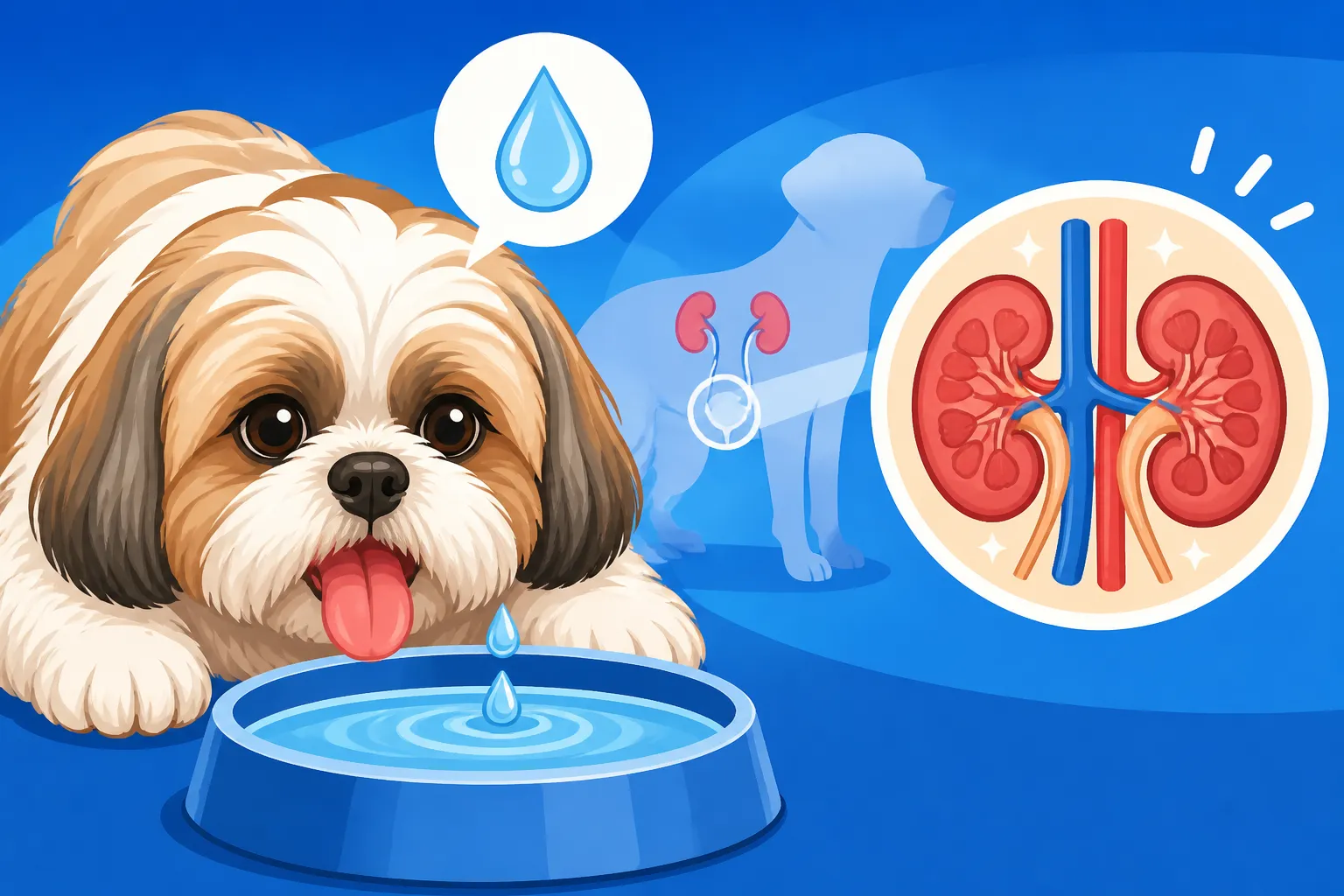
Excessive Thirst as the First Kidney Sign
It's incredibly worrying when you notice your sweet Shih Tzu suddenly seems to be constantly thirsty, lapping water far more often than usual. This shift in water intake can be a silent alarm bell for underlying health issues, and for Shih Tzus, whose unique physiology can predispose them to certain conditions, it's crucial to understand why this might be happening and what steps you need to take. This guide will walk you through understanding excessive thirst, its potential connection to kidney problems, and what you can do to protect your furry companion.
Understanding Excessive Thirst in Shih Tzus
When your Shih Tzu starts drinking significantly more water than they usually do, it's not just a cute quirk; it's a medical term called polydipsia. And while it's easy to dismiss it as nothing at first, especially if the weather is warm or they've been playing a lot, it’s a symptom that demands your attention.
What "Excessive Thirst" Really Means
For most Shih Tzus, who typically weigh between 9 and 16 pounds, their normal daily water intake is usually around 1-1.5 ounces of water per pound of body weight. So, if you have a 12-pound Shih Tzu, they should be drinking about 12-18 ounces (or 1.5 to 2 cups) of water in a 24-hour period. "Excessive" thirst means they are consistently drinking much more than this, often appearing constantly at their water bowl, emptying it quickly, or even trying to drink from unusual sources like the toilet.
You might notice their urine output also increasing – more frequent potty breaks, larger puddles, or even accidents in the house when they're usually perfectly house-trained. This is polyuria, and it almost always goes hand-in-hand with polydipsia because what goes in, must come out! It's a classic duo that veterinarians immediately recognize as a sign to investigate further.
Why a Shih Tzu's Thirst is a Red Flag
Shih Tzus, with their adorable flat faces and long flowing coats, are prone to certain health challenges that can make excessive thirst a particularly concerning symptom. Their unique genetic makeup means they can be susceptible to conditions like kidney disease, particularly a hereditary condition called Renal Dysplasia and the Shih Tzu Kidney. Unlike a sudden cough or limp, increased thirst can sneak up on you, gradually becoming more noticeable over days or weeks. Because our little lion dogs are so good at hiding discomfort, it's vital not to overlook subtle changes like this. Many owners mistakenly think their dog is just "being good" by staying hydrated, not realizing it's their body struggling to compensate for something deeper.
It's also worth remembering that the visible signs of many internal health issues, especially kidney problems, often don't become apparent until the disease has progressed significantly. Early detection, often signaled by something as seemingly benign as excessive thirst, can be the key to better management and preserving your Shih Tzu's quality of life.
The Link Between Thirst and Kidney Disease
When we talk about excessive thirst, especially in a Shih Tzu, one of the first things that comes to mind for any experienced vet or owner is kidney health. The kidneys are absolute superstars in your dog's body, and when they're not functioning properly, it throws everything out of whack, particularly water balance.
How Healthy Kidneys Regulate Water
Think of your Shih Tzu's kidneys as sophisticated filtering stations. Their main job is to filter waste products from the blood, maintain electrolyte balance, and produce urine. A healthy kidney is incredibly efficient at reabsorbing water back into the body, ensuring your dog stays properly hydrated and doesn't lose too much fluid through urination. They concentrate the urine, making it darker and less voluminous, which is a sign that they're doing their job well.
They also play a crucial role in hormone production, blood pressure regulation, and even red blood cell production. It's an intricate system, and even a slight malfunction can have a domino effect on your dog's overall health and well-being.
When Kidneys Start to Struggle
When kidney disease sets in, whether it's acute (sudden onset) or chronic (gradual, long-term), those filtering stations start to fail. The most common form in older dogs is chronic kidney disease, which is often a slow, progressive decline. With conditions like Renal Dysplasia Signs in a Shih Tzu Puppy, the issues can even begin from birth, though signs might not appear until later.
As the kidneys lose their ability to concentrate urine, more water is flushed out of the body along with waste products. This leads to dilute urine – you might notice it's almost clear and your dog is producing much larger volumes than before. To compensate for this excessive water loss, your Shih Tzu’s body triggers an intense thirst signal, prompting them to drink more and more. It’s a vicious cycle: the kidneys can't hold onto water, so the dog drinks more, which leads to more dilute urine, and so on. This mechanism means that by the time you notice significant increases in thirst, a substantial portion of kidney function (often 60-75%) may already be compromised.
Other Early Signs of Kidney Issues
While excessive thirst and urination are hallmark signs, kidney disease often comes with a suite of other subtle symptoms that, when noticed together, paint a clearer picture of what might be going on. It’s a bit like putting together a puzzle; each small piece adds to the whole.
Changes in Urination Habits
Beyond just drinking more, pay close attention to the nature of your Shih Tzu's urination. Are they asking to go out more frequently, including during the night? Are the urine spots noticeably larger, or is the urine lighter in color? A dog that was once perfectly house-trained suddenly having accidents inside could be trying to tell you something. They might even strain to urinate, or you might notice a difference in the smell of their urine. While Shih Tzu Bladder Stones and Urinary Problems can cause similar signs, kidney issues are also a strong contender.
It's also important to note the opposite: if your Shih Tzu is drinking a lot but not urinating a lot, that's an emergency. This could indicate a urinary blockage, which is extremely dangerous and requires immediate veterinary attention.
Subtle Shifts in Appetite and Energy
Kidney disease often causes a buildup of toxins in the blood, leading to nausea. This can manifest as a reduced appetite or a complete refusal to eat. Your normally enthusiastic eater might turn their nose up at their favorite kibble or treats. They might also become pickier, only eating certain foods. You might notice they have less energy, becoming more lethargic, sleeping more, or being less interested in play. They might appear generally "off."
Some Shih Tzus with kidney disease also develop a dull, bad breath that smells somewhat metallic or ammonia-like due to the accumulation of waste products that the kidneys are failing to filter out. You might even notice occasional vomiting, especially in the mornings, as the nausea becomes more pronounced. This lack of appetite and general malaise is sometimes described as a Shih Tzu that will not grow or thrive, if it's a very young puppy with congenital issues.
Coat and Skin Indicators
While less common as a primary indicator, chronic kidney disease can sometimes impact your Shih Tzu's coat and skin. Dehydration can lead to dry, flaky skin, and their usually lustrous coat might appear dull or brittle. In advanced stages, some dogs might develop ulcers in their mouth due to the toxic buildup. Any sudden changes to their coat quality or new skin issues, especially when paired with increased thirst and other symptoms, should prompt a conversation with your vet.
Here's a quick comparison of normal vs. excessive thirst and urination:
| Symptom | Normal for a 12lb Shih Tzu | Concerning Signs of Excessive Thirst/Kidney Issues |
|---|---|---|
| Water Intake | 12-18 oz (1.5-2 cups) per day | Consistently >24 oz (3 cups) per day, emptying bowl quickly, seeking water |
| Urination Frequency | 3-5 times a day | 6+ times a day, frequent nighttime trips, asking to go out more often |
| Urine Volume | Small to moderate, slightly concentrated | Large puddles, constant stream, dilute/clear urine |
| Appetite | Eager, consistent | Reduced, picky, occasional refusal to eat, weight loss |
| Energy Levels | Playful, alert, active | Lethargic, sleeping more, less interested in walks/play, general weakness |
| Other | Bright eyes, fresh breath | Bad breath (ammonia-like), dull coat, occasional vomiting, mouth ulcers in severe cases |
Next Steps After Noticing Excessive Thirst
Realizing your Shih Tzu has excessive thirst and other subtle symptoms can be incredibly unsettling. The good news is that by noticing these changes, you're already ahead of the game. The next steps are critical for getting an accurate diagnosis and starting any necessary treatment.
Monitoring and Recording Intake
Before you even call the vet, start keeping a log. Measure exactly how much water your Shih Tzu drinks over a 24-hour period. You can do this by filling their bowl with a measured amount, noting the time, and then measuring what's left after 24 hours. Do this for a couple of days if possible. Also, jot down how many times they urinate, the approximate volume, and any other symptoms you've noticed (changes in appetite, energy, vomiting). This detailed information is invaluable for your veterinarian.
Take note of any recent changes in diet, medication, or environment (like extreme heat) that might legitimately increase thirst. While not usually the culprit for chronic excessive thirst, it's good to have all the context.
The Importance of a Prompt Vet Visit
Once you've observed persistent excessive thirst, coupled with any other concerning signs, scheduling a prompt veterinary visit is paramount. Don't wait. Early diagnosis of kidney disease, or any other underlying condition causing the thirst, offers the best prognosis and allows for intervention before the disease progresses further.
When you call to make the appointment, clearly explain your concerns about excessive thirst and any other symptoms. This helps the clinic prioritize your visit and allows them to prepare for potential diagnostic tests. Make sure you bring your detailed notes on water intake, urination, and other observations. When considering the financial aspect of veterinary care, especially for chronic conditions, having pet insurance like Healthy Paws can provide significant peace of mind, helping cover the costs of diagnostics and ongoing treatments.
Diagnostic Tests Your Vet Might Recommend
Your vet will start with a thorough physical examination. They'll check your Shih Tzu's hydration status, listen to their heart and lungs, and palpate their abdomen. From there, a series of diagnostic tests will likely be recommended to pinpoint the cause of the excessive thirst.
These typically include:
- Blood Work: A complete blood count (CBC) and a biochemistry panel. The biochemistry panel is particularly important as it measures kidney values like BUN (Blood Urea Nitrogen) and creatinine. Elevated levels indicate that the kidneys aren't filtering waste effectively. Electrolyte levels (potassium, sodium, phosphorus) are also crucial. You might hear your vet discuss your Shih Tzu's Shih Tzu Kidney Values on Routine Bloodwork.
- Urinalysis: This involves checking the concentration (specific gravity) of the urine. Dilute urine is a strong indicator of kidney problems. The urinalysis also checks for protein, blood, bacteria, and glucose, which can point to kidney infection, diabetes, or other issues.
- Urine Culture: If an infection is suspected based on the urinalysis, a urine culture will be done to identify the specific bacteria and determine the most effective antibiotic.
- Blood Pressure Measurement: High blood pressure (hypertension) is common in dogs with kidney disease and can also contribute to its progression.
- Imaging (Ultrasound/X-rays): An abdominal ultrasound can provide detailed images of the kidneys, allowing the vet to assess their size, shape, and internal structure, looking for any abnormalities, cysts, stones, or signs of conditions like Renal Dysplasia and the Shih Tzu Kidney. X-rays might be used to look for bladder stones or other issues.
These tests collectively help your vet get a comprehensive picture of your Shih Tzu's kidney health and rule out other conditions that can cause excessive thirst, such as diabetes, Cushing's disease, or even certain medications.
Managing Kidney Disease Once Diagnosed
Receiving a diagnosis of kidney disease for your beloved Shih Tzu can be heartbreaking, but it's not a death sentence. While chronic kidney disease is often progressive, early and consistent management can significantly slow its progression and improve your dog's quality of life for many years.
Dietary Changes and Renal Support
One of the most impactful ways to manage kidney disease is through diet. Vets typically recommend a prescription renal diet specifically formulated for dogs with kidney issues. These diets are designed to:
- Reduce Protein: They contain lower levels of high-quality protein to decrease the workload on the kidneys and minimize the buildup of waste products.
- Control Phosphorus: Phosphorus restriction is crucial, as high phosphorus levels can accelerate kidney damage and lead to other health problems.
- Increase Omega-3 Fatty Acids: These have anti-inflammatory properties that can benefit kidney health.
- Maintain Sodium Levels: Appropriate sodium levels help manage blood pressure.
Transitioning to a new diet can be challenging, especially if your Shih Tzu's appetite is already affected. Your vet can guide you on how to gradually introduce the new food. For some picky eaters, mixing wet and dry food, or even trying different brands of prescription diets (like those offered by Purina Pro Plan Veterinary Diets or Royal Canin Veterinary Diet), might be necessary. It’s important to stick to the prescribed diet as much as possible, as treats and table scraps can counteract its benefits. You can find more specific advice on Kidney Diets for a Shih Tzu to help your pup.
Medication and Fluid Therapy
Depending on the stage and severity of the kidney disease, your vet might prescribe various medications:
- Phosphorus Binders: These are given with meals to prevent the absorption of phosphorus from food.
- Blood Pressure Medication: If your Shih Tzu has high blood pressure, medications like ACE inhibitors are often prescribed.
- Anti-Nausea Medications: To help stimulate appetite and prevent vomiting.
- Potassium Supplements: Kidney disease can sometimes lead to low potassium levels, which need to be corrected.
- Subcutaneous Fluids: In some cases, especially when dehydration is a concern or your dog isn't drinking enough, your vet might teach you how to administer fluids under the skin at home. This can provide crucial hydration and flush out toxins, making a significant difference in how your Shih Tzu feels.
The regimen might seem daunting at first, but many owners successfully manage their Shih Tzus' kidney disease at home with consistent care. Remember, the costs for these medications and treatments can add up, and this is where a reliable pet insurance plan, such as Healthy Paws, truly shines, helping to mitigate the financial strain of long-term care.
The Role of Regular Monitoring
Managing kidney disease is an ongoing process that requires regular monitoring. Your vet will recommend a schedule for follow-up appointments, often every 3-6 months, which will include repeat blood work, urinalysis, and blood pressure checks. These tests help track the progression of the disease, assess the effectiveness of current treatments, and allow for adjustments as needed.
Regular check-ups also give you the opportunity to discuss any new symptoms or concerns you might have. Staying proactive and communicative with your veterinary team is essential for giving your Shih Tzu the best possible quality of life. For older Shih Tzus, this becomes even more critical, as kidney disease is a common concern in Senior Shih Tzu Care Past the Age of Ten. The early implementation of regular screening, like The Senior Panel a Shih Tzu Needs at Ten, can make all the difference.
Disclaimer
The information provided in this guide is for general informational purposes only and is not a substitute for professional veterinary advice. Always consult with a qualified veterinarian for any health concerns or before making any decisions related to your pet's medical care.