Shih Tzu Mobility Decline in Old Age
It’s heartbreaking to watch your once-spry Shih Tzu, who used to leap onto the sofa with fearless abandon, begin to hesitate, stumble, or even refuse to jump at all. As our beloved companions age, changes in their mobility are often some of the most visible and distressing signs of time marching on. This comprehensive guide is here to walk you through understanding, managing, and ultimately improving the quality of life for your senior Shih Tzu as they navigate the challenges of mobility decline.
The Inevitable March of Time and Its Impact on Shih Tzu Mobility
Aging is a natural process for all living beings, and our Shih Tzus are no exception. While their playful spirit might remain undimmed, their physical bodies will inevitably start to tell a different story. It’s not just about getting "old" – it’s about understanding the specific physiological changes that occur and how they manifest in a breed with unique predispositions.
Common Age-Related Changes Affecting Movement
One of the first things you might notice as your Shih Tzu enters their senior years (typically around 9-10 years old) is a general slowing down. They might not greet you at the door with the same enthusiastic zoomies, or they might prefer to nap more often. This isn't just laziness; it's often a combination of factors. Their muscles, like ours, begin to lose mass and strength, a process known as sarcopenia. This makes everyday movements, like standing up from a comfy bed or climbing a single stair, require more effort.
Beyond muscle loss, the cartilage cushioning their joints starts to wear down. This leads to stiffness, especially after periods of rest. Imagine waking up with stiff knees every morning – that's often what a senior dog experiences. For a Shih Tzu, whose structure includes a relatively long back and short legs, this stiffness can put extra strain on their spine and hips. Their stamina also decreases, meaning shorter walks might be all they can comfortably manage, and they might tire out more quickly during playtime. It's a gradual shift, but an observant owner will pick up on these subtle cues over time.
Recognizing Early Signs of Mobility Issues
Because Shih Tzus are such stoic and adaptable little dogs, they often try to hide their discomfort. This means we, as their owners, need to be extra vigilant in spotting the early, sometimes very subtle, signs that their mobility is starting to decline. It's not usually a sudden collapse, but rather a slow progression of changes that might be easy to dismiss at first glance.
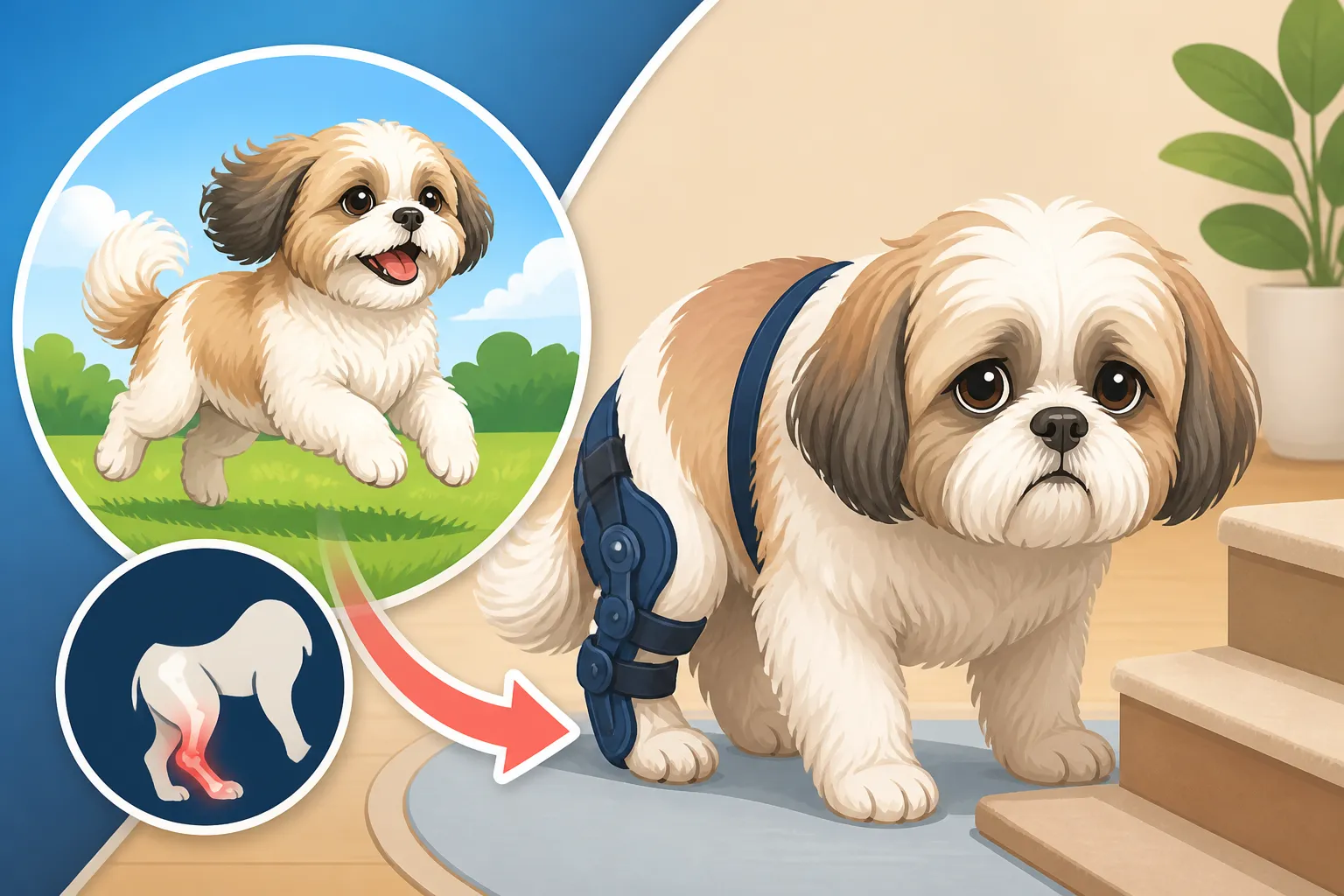
You might notice them hesitating before jumping off the sofa, where they once launched themselves without a second thought. Perhaps they start taking a wider arc to navigate corners or seem a little wobbly on their hind legs when they stand up. Climbing stairs, if they still attempt it, might become a slow, deliberate task, or they might simply avoid them altogether. Even their gait can change – a subtle stiffness, a shorter stride, or a slight shift in how they carry their weight. They might also become less enthusiastic about walks or cut them short, sitting down more often. Pay close attention to how they get up after a nap, how they position themselves for a potty break, or if they seem less stable on smooth floors. These small observations are crucial clues that can prompt an early vet visit and intervention.
Understanding Specific Joint and Spine Challenges in Senior Shih Tzus
While general aging affects all dogs, Shih Tzus, with their unique breed characteristics, are prone to specific orthopedic and neurological conditions that can significantly impact their mobility in old age. Understanding these conditions is key to providing targeted support and care.
Arthritis and Degenerative Joint Disease
Arthritis, or osteoarthritis, is an inflammatory condition of the joints that causes pain and stiffness. It's incredibly common in senior dogs, including Shih Tzus. Over time, the protective cartilage in their joints erodes, leading to bone-on-bone friction, inflammation, and chronic pain. In a toy breed like the Shih Tzu, arthritis can affect various joints, from their hips and elbows to their knees and the small joints of their spine. You might notice your Shih Tzu showing more stiffness in the mornings or after long naps, especially when the weather is cold or damp. They might limp slightly, favour a leg, or be reluctant to perform actions that involve bending or extending certain joints. This can significantly contribute to a Shih Tzu Joint Problems in a Toy Frame, making it harder for them to move comfortably. Left unmanaged, the pain can become debilitating, reducing their desire to move and further weakening their muscles.
Worsening Disc Disease and Spinal Issues
The Shih Tzu's distinctive long back and short legs make them particularly susceptible to intervertebral disc disease (IVDD), a condition where the cushioning discs between the vertebrae either bulge or rupture, putting pressure on the spinal cord. While IVDD can strike at any age, it can worsen or manifest in new ways as a Shih Tzu ages. The cumulative wear and tear on their spine over years can make the discs more brittle and prone to injury.
In older Shih Tzus, disc disease might present as gradual hind leg weakness, difficulty coordinating their back legs, or a reluctance to jump, climb, or even tolerate being picked up. You might observe a hunched posture, sensitivity when touched along their back, or a decreased interest in activities they once loved. In severe cases, it can lead to partial or complete paralysis of the hind limbs. This is why understanding Shih Tzu Back Problems and Disc Disease is so critical; prompt recognition and management are essential to preserving their quality of life. Even a slight change in their posture or a new hesitation can signal a problem with their spine that needs immediate veterinary attention.
Patellar Luxation Progressing with Age
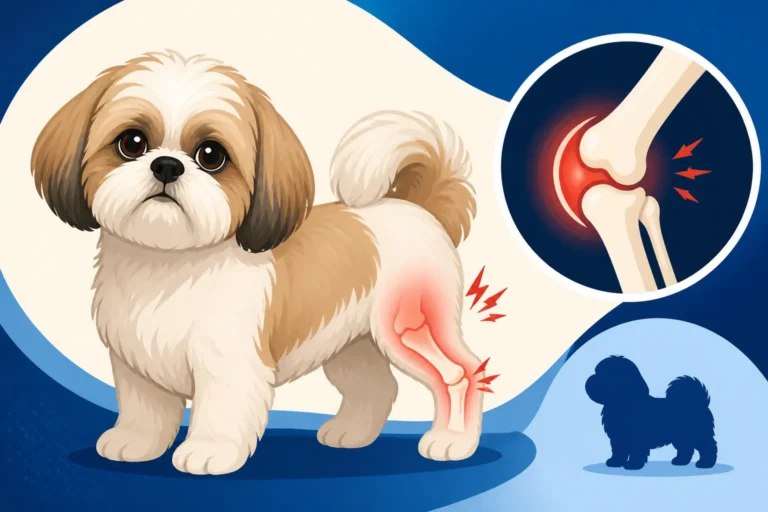
Patellar luxation, or a slipping kneecap, is another common orthopedic issue in Shih Tzus. While often present from a young age, it can become more problematic and painful as a dog gets older. Constant slipping of the kneecap causes chronic inflammation and wear and tear within the knee joint, which can lead to significant arthritis.
What might have been a minor skip or hop in their younger years can progress to persistent lameness, increased pain, and even more frequent luxations. The body tries to compensate for the instability in the knee, putting extra strain on other joints like the hips and the opposite knee, leading to secondary issues and accelerated arthritis in those areas. This often means that a Shih Tzu with patellar luxation might also develop Shih Tzu Arthritis After the Age of Nine at an earlier age and with greater severity than a dog without the condition. You might notice them holding a leg up for longer periods, struggling to bear weight, or even crying out when attempting to move. Managing this condition is vital for maintaining overall mobility.
Medical Diagnoses and Veterinary Management
Facing mobility challenges with your senior Shih Tzu can feel overwhelming, but it's important to remember that many conditions are manageable with proper veterinary care. Don't simply attribute every sign of slowness to "just old age"; a thorough diagnosis is the first step toward improving their comfort.
The Importance of Early Veterinary Intervention
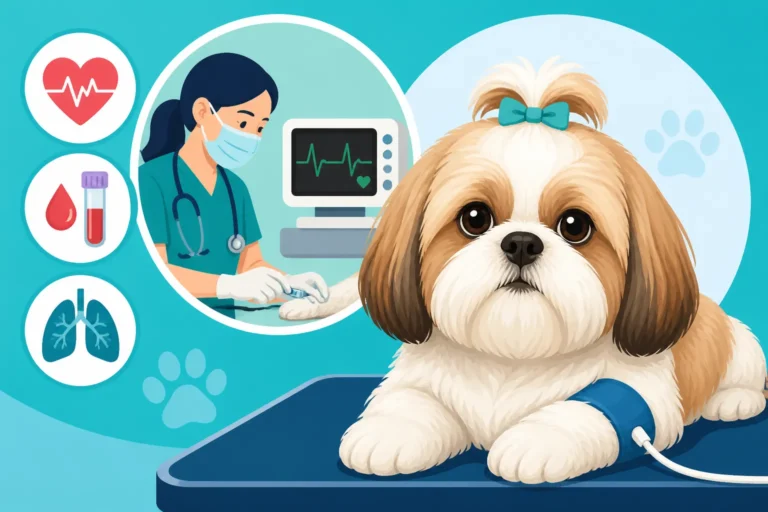
When you start noticing those subtle changes in your Shih Tzu's movement – the hesitation, the stiffness, the slowing down – it's absolutely crucial to schedule a veterinary visit without delay. These aren't just minor inconveniences; they are often indicators of underlying pain or degenerative conditions that can significantly impact their quality of life. Your vet will perform a comprehensive physical exam, assessing their gait, range of motion in their joints, and checking for any pain responses along their spine.
They might recommend diagnostic imaging, such as X-rays, to visualize the bones and joints, looking for signs of arthritis, disc degeneration, or other structural abnormalities. In some cases, more advanced imaging like an MRI might be necessary, especially if a spinal issue is suspected, to get a clear picture of soft tissues and nerve compression. Early diagnosis allows for earlier intervention, which can slow the progression of diseases, manage pain more effectively, and ultimately provide your Shih Tzu with more comfortable years. Waiting too long can mean more severe pain and potentially irreversible damage, making treatment far more challenging. It’s an investment in their comfort and well-being.
Medical Treatments and Pain Management Strategies
Once a diagnosis is made, your veterinarian will work with you to develop a tailored treatment plan aimed at managing pain and preserving mobility. Non-steroidal anti-inflammatory drugs (NSAIDs) are a cornerstone of arthritis management, reducing inflammation and alleviating pain. However, long-term use requires careful monitoring for potential side effects, especially on the kidneys and liver, so regular blood work will be necessary.
Beyond NSAIDs, other pain medications, such as gabapentin or tramadol, might be prescribed, often in combination, to provide multimodal pain relief. Joint supplements containing ingredients like glucosamine, chondroitin, and MSM can help support cartilage health and reduce inflammation, though they work best as a preventative or in conjunction with other treatments. Omega-3 fatty acids are also excellent natural anti-inflammatories. Your vet might also discuss innovative therapies like therapeutic laser treatments, acupuncture, or even regenerative medicine options like PRP (platelet-rich plasma) injections for specific joint issues.
The key is often a combination of approaches, continuously adjusted based on your dog's response and any changes in their condition. Ongoing check-ups are vital to ensure the treatment plan remains effective and safe. These treatments, along with diagnostic costs, can add up, which is why many owners find that a robust pet insurance policy, like those offered by Healthy Paws, can be incredibly helpful in covering these unexpected and ongoing expenses. It allows you to make decisions based on what's best for your Shih Tzu, not just your wallet, helping you manage Senior Shih Tzu Care Past the Age of Ten with greater peace of mind.
Home Modifications for an Aging Shih Tzu
One of the most impactful ways you can support your senior Shih Tzu with mobility decline is by adapting their living environment to be safer, more accessible, and more comfortable. Small changes can make a world of difference.
Creating a Safe and Accessible Environment
Think about your home from your Shih Tzu's perspective. Smooth, hard floors like tile or hardwood can be incredibly slippery and difficult for a dog with weak legs or arthritis to navigate, increasing their risk of slips and falls that could exacerbate existing conditions or cause new injuries. Lay down non-slip runners or area rugs in frequently used pathways, especially where they eat, drink, or sleep.
Ensure their food and water bowls are easily accessible without requiring them to stoop too low or stretch uncomfortably. Elevated bowls can be a blessing for dogs with neck or back pain. Their resting spots should be well-cushioned and easy to get in and out of. Orthopedic beds, often made with memory foam, distribute weight evenly, reducing pressure on sore joints and providing much-needed support for their long spines. Place these beds in quiet, easily accessible areas, away from drafts or high-traffic zones, to encourage rest and discourage unnecessary movement. Making sure they can move around their primary living spaces without fear of falling or pain will dramatically improve their confidence and willingness to stay active.
Ramps, Stairs, and Mobility Aids
As jumping becomes difficult or dangerous for your senior Shih Tzu, ramps are an absolute game-changer. Instead of letting them try to leap on and off furniture – which can lead to spinal injuries like those seen in Shih Tzu Disc Disease and Sudden Back Pain – install ramps next to sofas, beds, and even up to your car if they still travel with you. Choose ramps with a non-slip surface and a gentle incline to make them easy to use. For stairs, if your Shih Tzu still insists on using them, you might consider smaller, padded pet stairs, or better yet, carrying them or using a ramp if possible.
Beyond ramps, various mobility aids can offer invaluable assistance. Harnesses with a handle over the back or slings that support their hindquarters can help you lift and steady them, especially on short walks or when navigating a few steps. Brands like Help 'Em Up Harness are often recommended for their full-body support. These tools not only help your dog maintain some independence but also protect your back from strain when assisting them. Remember, for a breed with a sensitive back, using Ramps for a Shih Tzu With a Long Spine is far safer than repeated jumping, even if it seems like a small distance.
Grooming and Hygiene Adjustments
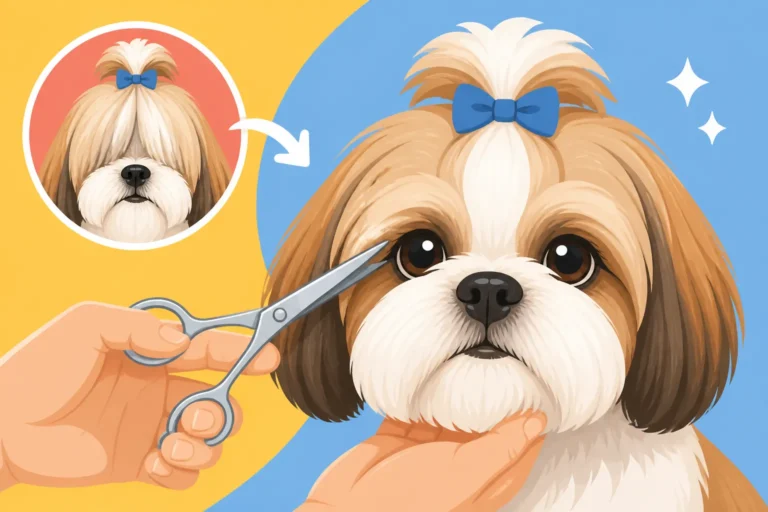
Grooming, which is a significant part of Brushing a Shih Tzu Double Coat Every Day, can become a painful ordeal for an older Shih Tzu with stiff joints or a sore back. The long periods of standing, bending, and being manipulated can be uncomfortable. Consider opting for a shorter "puppy cut" or a low-maintenance clip for your senior dog. This reduces the frequency and intensity of brushing needed, minimizing the time they have to spend standing or being handled.
It also makes it easier to keep an eye on their skin for any sores or irritations that can occur if they are lying down more often. Pay extra attention to keeping their paw pads trimmed of excess hair to improve traction on floors and reduce the risk of slipping. Sanitary trims are also vital, as older dogs might have more accidents or find it harder to posture properly for elimination. Cleanliness prevents skin irritation and keeps them more comfortable. If your Shih Tzu has severe mobility issues, a groomer specializing in senior or sensitive dogs might be necessary, or you might need to adapt your home grooming routine significantly, perhaps even grooming them while they are lying down. It's a delicate balance to ensure they stay clean and comfortable without causing them undue pain, something covered in detail in Grooming a Shih Tzu With a Sore Back.
Nutritional Support and Weight Management
Nutrition plays a crucial role in managing mobility decline in senior Shih Tzus. What they eat can directly impact their joint health, energy levels, and overall comfort.
Tailoring Diet for Senior Dogs with Mobility Issues
As dogs age, their metabolic rate often slows down, and their activity levels decrease. This means their caloric needs generally go down, too. Feeding a diet specifically formulated for senior dogs can be beneficial. These diets are typically lower in calories but still provide essential nutrients. Look for foods that are enriched with joint-supporting ingredients like glucosamine, chondroitin, and omega-3 fatty acids (EPA and DHA). Many premium senior dog foods, such as those from Hills Science Diet or Purina Pro Plan, incorporate these ingredients. These can help reduce inflammation and support the health of remaining cartilage.
Some veterinarians might also recommend supplementing with additional fish oil or specific joint supplements, especially if your dog has significant arthritis. Always discuss any dietary changes or supplements with your vet to ensure they are appropriate for your Shih Tzu's specific health needs, especially if they are on other medications. A tailored diet can make a tangible difference in their comfort and how they feel day-to-day.
The Critical Role of Weight Management
Perhaps one of the most impactful things you can do for a senior Shih Tzu with mobility issues is to ensure they maintain a healthy weight. Even a few extra pounds can place an enormous amount of stress on already painful, arthritic joints and a vulnerable spine. Think about carrying a backpack filled with bricks all day – that's what excess weight feels like to a small dog with aching joints.
If your Shih Tzu is overweight, working with your vet on a gradual weight loss plan is paramount. This typically involves reducing their caloric intake, perhaps by switching to a weight-management food, carefully measuring portions, and limiting treats. Just two extra pounds on a Shih Tzu can be like carrying an extra 10-15 pounds for a human, significantly exacerbating their discomfort. Regularly monitoring their weight at home and during vet visits is essential. You should be able to feel their ribs easily with slight pressure, without seeing them. Managing Shih Tzu Obesity on a Sixteen Pound Frame can dramatically improve their ability to move, reduce pain, and even extend their comfortable lifespan.
Gentle Exercise and Physical Therapy
While it might seem counterintuitive to encourage exercise in a dog struggling with mobility, appropriate, gentle activity is crucial for maintaining muscle mass, joint flexibility, and overall well-being.
Maintaining Appropriate Activity Levels
The goal for a senior Shih Tzu with mobility issues isn't intense exercise, but rather consistent, gentle movement. Short, frequent walks are far better than one long, strenuous outing. Aim for two or three short strolls a day, perhaps 10-15 minutes each, adjusting the length and pace to your dog's comfort level. The key is to keep their muscles working and joints moving without causing excessive pain or fatigue.
Avoid high-impact activities like jumping or running on hard surfaces. Stick to soft, even terrain if possible, like grass in a park. Indoor play can also be beneficial – gentle games of fetch with a soft toy, or simply encouraging them to walk around the house for a few minutes. It’s about keeping them engaged and active within their limits. Pay close attention to their cues: if they slow down, lag behind, or start limping, it’s time to stop and rest. The aim is to maintain their strength and flexibility, not to push them beyond what's comfortable. Understanding The Short Walks a Shih Tzu Is Built For can guide your approach, ensuring exercise remains a benefit, not a burden.
Introducing Canine Physical Therapy and Hydrotherapy
For many senior Shih Tzus with significant mobility challenges, professional canine physical therapy (PT) or hydrotherapy (underwater treadmill) can offer remarkable benefits. A certified canine rehabilitation therapist can develop a personalized exercise program tailored to your dog's specific needs, focusing on strengthening weak muscles, improving balance, and increasing range of motion in stiff joints.
Physical therapy might include therapeutic exercises, stretches, massage, and modalities like laser therapy or electrical stimulation. Hydrotherapy, often performed on an underwater treadmill, allows dogs to exercise with reduced weight-bearing on their joints, minimizing pain while still building muscle strength. The warmth of the water also helps to relax muscles and increase blood flow. These therapies can significantly improve a dog's comfort, coordination, and overall mobility, giving them a new lease on life. Your veterinarian can provide referrals to certified canine rehabilitation specialists in your area. This proactive approach to their physical health can make a huge difference in their later years, helping you in Deciding for a Shih Tzu at Fifteen about their ongoing quality of life.
Navigating the Emotional Journey of Your Shih Tzu's Aging
Watching your cherished Shih Tzu age and experience mobility decline is an emotional journey for any pet parent. It's not just about managing physical symptoms; it's about supporting their spirit and your own.
Addressing Cognitive Changes Alongside Physical Decline
Mobility decline often doesn't happen in a vacuum. As Shih Tzus age, they can also experience cognitive decline, similar to dementia in humans. This can manifest as disorientation, changes in sleep-wake cycles, anxiety, or altered interactions. These cognitive shifts can sometimes exacerbate mobility issues if a dog becomes confused or fearful in their environment, making them less willing to move or explore.
If you notice signs of cognitive dysfunction, discussing them with your vet is important. There are medications and supplements available that can help manage these symptoms, improving their mental clarity and overall quality of life. Maintaining a consistent routine, providing familiar comfort items, and gentle mental stimulation (like puzzle toys they can still manage) can help ease their confusion and reduce anxiety. It's a holistic approach – supporting their mind as much as their body – that will allow them to cope better with their physical limitations.
The Importance of Continued Engagement and Comfort
Even with reduced mobility, your senior Shih Tzu still craves connection and comfort. Don't let their physical limitations isolate them. Continue to engage with them through gentle petting, soft verbal praise, and short, positive interactions. Move their orthopedic bed closer to where the family gathers, so they still feel like an integral part of the household.
Offer them comfortable, easily accessible spots where they can relax and observe the family without having to move much. Gentle massage, especially around their aching joints, can be incredibly soothing and a wonderful way to bond. New toys that don't require much movement, like soft chew toys or puzzle feeders that don't involve complex manipulation, can keep their minds active. Your presence, love, and attention are more important than ever. Showing them that they are still cherished and valued members of the family, regardless of their limitations, is the greatest gift you can give. This continued engagement, alongside physical support, will significantly enhance their quality of life.
Mobility Aids and Joint Support Overview
Here's a quick overview of common mobility aids and joint support options for your senior Shih Tzu, helping you make informed decisions to improve their comfort and movement.
| Aid/Support Type | Description | Pros | Cons |
|---|---|---|---|
| Ramps | Gentle inclines for accessing furniture, beds, or cars. | Prevents jumping strain on joints/spine; easy to use. | Can take up floor space; some dogs need training. |
| Support Harnesses/Slings | Full-body or rear-leg support harnesses with handles. | Aids in walking, lifting, and navigating stairs safely. | May require some adjustment to fit properly; not for permanent wear. |
| Orthopedic Beds | Memory foam or supportive material beds. | Reduces pressure on joints; provides excellent support for back; comfortable. | Can be more expensive than regular beds; may not be suitable for all sleeping styles. |
| Non-Slip Rugs/Runners | Area rugs or mats for slippery floors. | Prevents slips and falls; improves traction and confidence. | Requires regular cleaning; may need to cover large areas. |
| Joint Supplements | Oral supplements (glucosamine, chondroitin, MSM, Omega-3s). | Supports cartilage health; reduces inflammation; easily administered. | Effects may take time to appear; variable efficacy; not a standalone pain reliever. |
| Physical Therapy | Professional guided exercises, stretches, and modalities. | Builds muscle strength; improves flexibility and balance; tailored plans. | Can be costly; requires regular sessions; not available everywhere. |
| Hydrotherapy | Exercise in an underwater treadmill. | Reduces weight-bearing stress on joints; improves muscle strength and circulation. | Can be costly; requires specialized facilities; some dogs may not like water. |
Disclaimer
This article is intended for informational purposes only and does not constitute veterinary advice. Always consult with a qualified veterinarian for any health concerns or before making any decisions about your Shih Tzu's medical care, diet, or treatment plan.