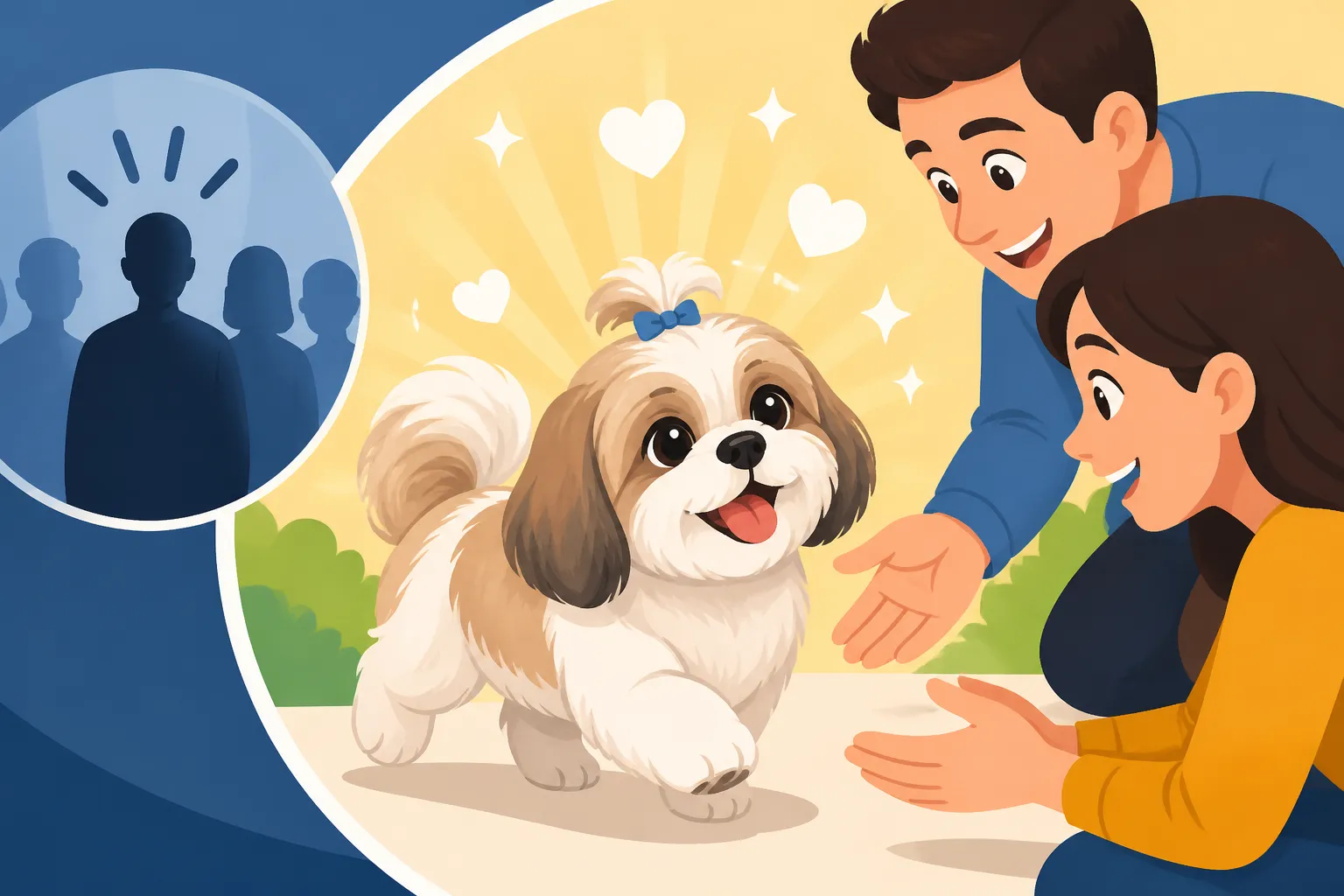
Why a Shih Tzu Greets Strangers So Readily
It’s a common experience for us Shih Tzu owners: you’re out for a walk, minding your business, and suddenly your little fluffball is practically throwing themselves at the feet of a complete stranger, tail wagging like crazy. While it can be endearing, it can also leave you wondering why your dog seems to love everyone just as much, if not more, than they love you! This guide will explore the fascinating history and inherent traits that make your Shih Tzu such a natural social butterfly, helping you understand and manage this wonderfully outgoing aspect of their personality.
A Deep Dive into the Shih Tzu's Imperial History and Purpose
To truly understand why your Shih Tzu seems to have an open-door policy for all humans, we need to take a little trip back in time to their origins. These aren't just "cute dogs" by accident; their entire existence was shaped by their intended purpose, which was far from guarding or hunting.
Bred for Companionship, Not Guarding
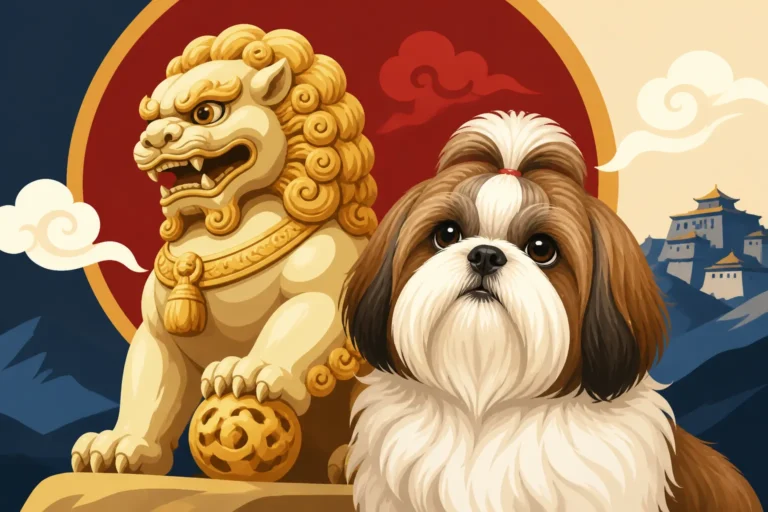
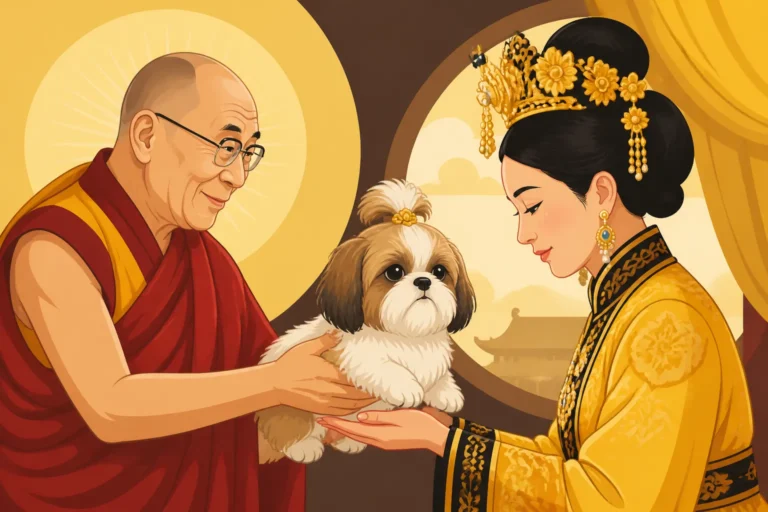
Imagine ancient Tibetan monasteries and the opulent courts of Chinese emperors. This is where the Shih Tzu's story begins. They weren't bred to be intimidating watchdogs, nor were they ever sent out to herd sheep or chase prey. Their sole, glorious purpose was to be cherished companions, lap warmers, and living ornaments. They were literally bred to sit on laps and be adored. When you consider this heritage, their eagerness to greet every new face makes perfect sense. There's no inherent suspicion wired into them, no territorial instinct to guard against perceived threats from unfamiliar people. Instead, their genetic blueprint screams, "Love me! Pet me!" This foundational role as a treasured indoor companion is a huge part of why they approach strangers so readily, expecting affection rather than danger. It’s why the breed has always been prized for its amiable nature. The Shih Tzu From Tibetan Temples to American Homes
A Life of Pampering and Social Interaction
Think about the environment these dogs were raised in. In imperial courts, Shih Tzus were doted upon by numerous attendants, often including eunuchs who managed elaborate dog kennels. They were accustomed to constant human contact, being picked up, carried, and showered with attention from a wide variety of people within the palace. This wasn't a life of isolation or rigorous, independent training. Instead, it was a world where human interaction, from many different hands, was the norm and always positive. This sustained, positive exposure to various people throughout their lineage naturally selected for dogs that thrived on such interactions. It created a breed that viewed all humans, regardless of familiarity, as potential sources of comfort, treats, or a good scratch behind the ears.
Understanding the Shih Tzu Temperament: An Innate Sociability
Beyond their historical role, the very essence of the Shih Tzu's temperament leans heavily towards an outgoing and friendly disposition. This isn't just about good training; it's about who they are at their core.
The "Charm" Gene: A Natural Disposition to Befriend
The Shih Tzu breed standard, the blueprint for what makes a Shih Tzu, explicitly calls for an outgoing, affectionate, and charming nature. These aren't qualities that are just hoped for; they are bred for. When a Shih Tzu sees a new person, their instinct isn't usually caution or aloofness; it's an immediate desire to engage and charm them. You'll see it in their quick, enthusiastic tail wags, their eager approach, and their readiness to offer a little lick or lean into a hand for a pet. This natural inclination to make friends is a hallmark of the breed, a sort of "charm gene" that has been carefully cultivated over centuries. They are, quite simply, designed to be agreeable and engaging with pretty much everyone they meet, fulfilling their role as the ultimate companion. Shih Tzu Temperament and the Companion It Was Bred to Be
Low Prey Drive and High Human Focus
Many dog breeds have specific drives that dictate their behavior – a strong prey drive in terriers, a herding drive in collies, or a guarding instinct in protection breeds. The Shih Tzu, however, has a profoundly low prey drive and an exceptionally high human focus. Their world revolves around people. They aren't constantly scanning for squirrels to chase or territories to patrol. Instead, their attention is almost always directed towards human beings, seeking connection and positive feedback.
This means that when a new person enters their space, they don't see a potential threat or something to ignore; they see another opportunity for interaction. Because they are so attuned to human beings, they quickly learn that friendly overtures often result in pleasant outcomes – a gentle stroke, a kind word, or even a tiny treat. Their small size also means that they rarely feel the need to be defensive, as they aren't often perceived as a threat themselves, allowing their naturally gregarious nature to shine through without inhibition.
Environmental Factors and Socialization
While history and genetics lay the groundwork, a Shih Tzu's individual experiences and environment play a huge role in shaping just how readily they greet strangers.
The Impact of Early Socialization
Even with a naturally friendly predisposition, early and positive socialization is absolutely critical for any puppy, including a Shih Tzu. During those crucial first weeks and months, a puppy needs to be exposed to a wide variety of sights, sounds, people, and gentle experiences. A good breeder will start this process, ensuring their puppies meet different types of people – men, women, children, people with hats or glasses – and become comfortable with various noises and handling.
If a Shih Tzu puppy has positive experiences with many different individuals during this formative period, their natural friendliness will be reinforced and solidified. They learn that strangers are not only safe but often bring delightful interactions. Conversely, a Shih Tzu, even with their breed's genial nature, can become shy or hesitant if they miss out on vital early socialization. While they might still be friendly, it might be a more cautious, reserved friendliness rather than the exuberant, "hello, new best friend!" approach we often see. The Shih Tzu Socialization Deadline
Reinforcing Friendliness (Often Unintentionally!)
Let's be honest, it's hard to resist a cute Shih Tzu. Their adorable faces, those big, expressive eyes, and their fluffy, compact size often elicit immediate smiles and outstretched hands from strangers. And we, as owners, often love seeing our dogs showered with affection. This creates a powerful positive feedback loop. Every time a stranger stops to coo over your Shih Tzu, offers a gentle pat, or even asks to pet them, your dog learns something important: "Strangers equal good things!"
This constant, positive reinforcement from the world at large strengthens their innate desire to greet new people. They associate the appearance of an unfamiliar face with pleasant attention, making them even more eager to rush forward the next time. It's an entirely natural and often unintentional process, but it's incredibly effective in shaping their social behavior. It's difficult not to allow it, given how utterly charming these little dogs are, and how much joy they bring to passers-by!
Here's a quick look at how these interactions often play out:
| Behavior from Shih Tzu | Common Stranger Reaction | Dog's Learned Association | Outcome |
|---|---|---|---|
| Tail wag, eager approach | "Oh, what a cutie!" smile | Strangers = happy, positive attention | Reinforces friendly behavior |
| Leans into petting | Gentle strokes, cooing | Strangers = physical comfort/love | Increases desire for contact |
| Offers a soft lick | "Aww, how sweet!" praise | Strangers = verbal approval | Encourages more overt greetings |
| Jumps (if allowed) | "He's so excited!" laughter | Strangers = excitement, attention | Can lead to over-exuberant greetings |
Managing and Directing Your Shih Tzu's Sociability
While their friendliness is a huge part of their charm, it's also important to manage it for your Shih Tzu's safety and your peace of mind. You want them to be friendly, but also well-mannered and safe.
Setting Boundaries Without Quashing Spirit
You absolutely don't want to extinguish your Shih Tzu's lovely, outgoing spirit, but you do need to teach them some boundaries. Not every person wants to be greeted with a full-body wag and an immediate request for pets, and sometimes it's just not safe for your dog to rush up to someone. Teaching cues like "sit," "stay," or "wait" can be incredibly helpful. You can ask your Shih Tzu to perform one of these actions before allowing them to greet a new person, giving you control over the interaction.
For example, when you see someone approaching who looks amenable to a greeting, ask your Shih Tzu to sit calmly by your side first. Once they do, you can give a release command ("Go say hello!") or a signal to the stranger that it's okay to approach. This teaches your dog that polite behavior earns them the interaction they crave. It's also vital to ensure they are always on a secure harness when out and about, especially given how quickly they might dart towards a friendly face. Why a Shih Tzu Should Wear a Harness Not a Collar
Ensuring Safety During Greetings
The world can be a big, overwhelming, and sometimes dangerous place for a small Shih Tzu, even when everyone means well. Their eagerness to greet can put them at risk, especially if they try to approach a larger, less friendly dog, or if a well-meaning but clumsy child doesn't understand how delicate a Shih Tzu can be. Always be proactive in supervising interactions. If you see someone approaching, assess the situation. Is the person dog-savvy? Do they have children or other pets with them?
It’s perfectly fine to politely decline a greeting if you feel it's not safe or appropriate, saying something like, "He's in training right now!" or "She's a little shy today." When you do allow greetings, ensure your Shih Tzu remains on their harness and leash, and that the interaction is gentle. Many owners carry small, soft training treats (you can find a great selection on Chewy) to reward calm greetings or to redirect their dog's attention if they become overly excited. This helps reinforce good behavior and keeps them focused on you when necessary. Remember, their safety, especially their prominent eyes, is paramount; a sudden bump or rough play can lead to serious issues. Rough Play That Puts a Shih Tzu Eye at Risk
Disclaimer
This article is for general informational purposes only and does not constitute professional advice. Laws, prices and regulations vary by location and change over time. Consult a qualified professional for guidance on your specific situation.