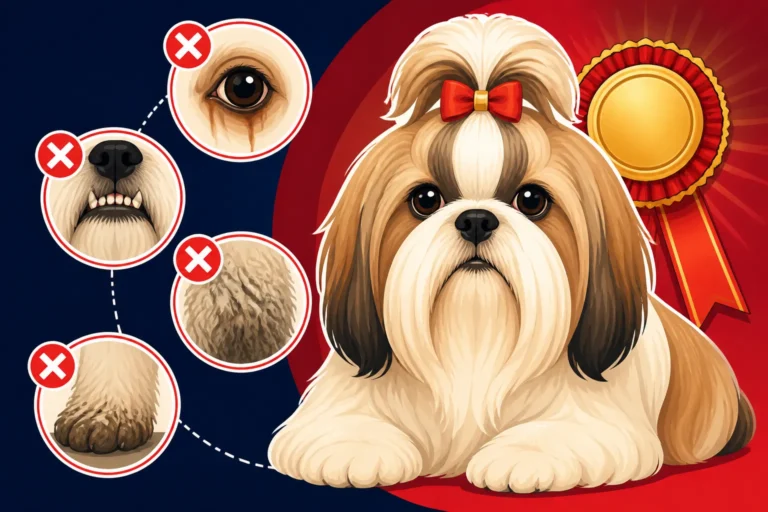
The Shih Tzu Against a Maltese
Deciding between a Shih Tzu and a Maltese can feel like choosing between two impossibly cute, fluffy clouds of joy, but the truth is, beneath all that gorgeous hair, these breeds have distinct personalities, care needs, and health considerations. It's a common dilemma for anyone dreaming of a small companion, and this guide is here to unravel the nuances of each breed, helping you understand which one might truly fit your life best.
Origins and Temperament: More Than Just Lap Dogs
Both the Shih Tzu and the Maltese have long, illustrious histories as treasured companions, but their specific journeys and the roles they played have subtly shaped their inherent temperaments and needs today. It’s easy to assume all small, fluffy dogs are the same, but you’d be surprised at the differences once you start looking closely!
The Imperial Shih Tzu vs. The Mediterranean Maltese
The Shih Tzu, often called the "Lion Dog," boasts a history steeped in the mystique of Tibetan monasteries and Chinese imperial palaces. These dogs weren't bred for hunting or herding; their sole purpose was to be beloved companions, to sit on the laps of emperors and empresses. This heritage instilled in them a wonderfully affectionate, somewhat regal, and often quite confident demeanor. They were treasured possessions, pampered and adored, which certainly contributes to their expectation of being the center of attention! If you're looking for a dog with a bit of a grand history and a personality to match, the Shih Tzu’s story is truly captivating. The Shih Tzu From Tibetan Temples to American Homes can give you even more insight into their fascinating past.
In contrast, the Maltese hails from the ancient Mediterranean region, where they were also esteemed companions, often depicted in Greek and Roman art. These little white dogs were the darlings of nobility and royalty, prized for their beauty and gentle nature. Their history is one of elegant companionship, often gracing the laps of ladies for centuries. While both breeds are undeniably "lap dogs," the Maltese tradition leans into a slightly more refined, delicate companionship compared to the Shih Tzu's more boisterous, "don't mind if I do run the house" attitude. They both know how to charm, but they do it in subtly different ways, influenced by generations of selective breeding for specific companionship traits.
Personality Differences in the Home
When you bring a Shih Tzu home, you're usually getting a dog with a vibrant, outgoing personality. They're often playful, full of spirit, and possess a charming mischievous streak. They love being with their people and are generally quite gregarious, often greeting guests with an enthusiastic wiggle and a happy bark. However, this confident nature can sometimes translate into a stubborn streak, especially during training. They know what they want, and they're not afraid to let you know! Validating this, many Shih Tzu owners will tell you that their little lion dog truly believes they are in charge of the household.
The Maltese, on the other hand, is known for being incredibly sweet, gentle, and devoted to their families. They often form a very strong bond with one or two individuals, preferring to be close to their favorite people at all times. They are intelligent and eager to please, which can make them quite responsive to training. While they can be playful and enjoy a good romp, they tend to be a bit more sensitive and might be more reserved around strangers initially than a typical Shih Tzu. They also possess a surprising amount of agility, often darting around the house with impressive speed. The Maltese's delicate appearance belies a lively, affectionate spirit that truly thrives on human connection.
Socialization Needs for Both Breeds
For both Shih Tzus and Maltese, early and consistent socialization is absolutely crucial to raising a well-adjusted adult dog. Without it, both breeds can develop unwanted behaviors, albeit for different reasons. A Shih Tzu, with their inherent confidence, might become overly protective or bark excessively at new people and sounds if not properly introduced to the wider world. Their "lion dog" confidence can quickly turn into "small dog syndrome" if they feel they need to guard their territory or their beloved humans. Exposing them to a variety of sights, sounds, people, and other calm, vaccinated dogs from a young age helps them develop into friendly, adaptable companions.
The Maltese, being a bit more sensitive, benefits immensely from positive socialization experiences to build their confidence. If they aren't exposed to different environments and people in a gentle, positive way, they can become timid, anxious, or prone to fear-based barking. Their devotion to their family can sometimes lead to separation anxiety if not managed from puppyhood, so teaching them to be comfortable alone in short, positive intervals is key. Puppy classes are an excellent way to provide controlled socialization for either breed, ensuring they learn good manners and develop a robust sense of security in the world. Remember, a well-socialized puppy grows into a more relaxed and enjoyable adult, regardless of breed.
Physical Characteristics: Beyond the Flowing Locks
When you look at a Shih Tzu and a Maltese, your first thought is probably "fluffy!" And while both breeds are undeniably beautiful with their long, luxurious coats, there are significant differences in their size, build, and specific facial features that impact their daily care and potential health.
Size, Weight, and General Build
A Shih Tzu typically ranges from 9 to 16 pounds, standing about 9 to 10.5 inches tall at the shoulder. They have a sturdy, compact body with a slightly longer-than-tall, rectangular build. Their bone structure is surprisingly robust for a toy breed. This solid build means they can handle a bit more enthusiastic play than their more delicate counterparts, though care should always be taken to protect their spine. You can find more detail on their build in The Shih Tzu Standard and What Judges Look For.
The Maltese, however, is a significantly smaller and more delicate breed, usually weighing between 4 and 7 pounds and standing around 7 to 9 inches tall. They have a graceful, fine-boned structure and a slightly longer body. This delicate build means they are more susceptible to injury from accidental drops or rough play, making them potentially less suitable for homes with very young, boisterous children. Their small size makes them ideal for apartment living or for those who want a truly portable companion, but it also means you need to be extra vigilant about their safety in a busy household.
Coat Type and Grooming Demands
Here’s where a major difference lies: the Shih Tzu has a luxurious double coat, consisting of a soft, woolly undercoat and a long, flowing outer coat. This double layer, while beautiful, is notoriously prone to matting. Daily brushing is not just recommended; it’s essential to prevent painful mats from forming, especially behind the ears, under the legs, and where a harness sits. While they don't shed much hair (it mostly stays in the brush), the hair itself can break, requiring diligent care. Many Shih Tzu owners opt for a "puppy cut" or a shorter, more manageable clip to reduce the intensity of daily grooming. Brushing a Shih Tzu Double Coat Every Day offers invaluable tips for managing this magnificent coat. Even with a shorter cut, regular professional grooming every 4-6 weeks is often necessary, and services like those offered through Chewy can help you find local groomers. Shih Tzu Grooming at $50 to $90 a Session will give you an idea of the costs involved.
The Maltese possesses a single coat, meaning it lacks an undercoat. Their hair is fine, silky, and pure white, draping elegantly to the ground if kept long. While it doesn't have the same matting issues from an undercoat as the Shih Tzu, it still requires daily brushing to prevent tangles and keep it free of debris. The single coat is often cited as being "hypoallergenic," making the Maltese a popular choice for individuals with allergies, though no dog is truly 100% hypoallergenic. Like the Shih Tzu, many Maltese owners choose to keep their dogs in a shorter "puppy cut" for easier maintenance. Both breeds demand significant coat care, so be prepared to dedicate time, or budget for professional grooming, or both!
Distinctive Facial Features
The Shih Tzu is instantly recognizable by its "chrysanthemum face," characterized by hair growing upwards from the bridge of the nose, and its generally flat or "brachycephalic" facial structure. They have large, round, dark eyes that are set somewhat wide apart and often appear quite prominent. This eye placement, combined with hair that can easily fall into them, makes them prone to various eye issues. Keeping their hair in a topknot or trimmed short around the eyes is crucial. They also typically have an undershot bite, where their lower jaw extends slightly beyond the upper jaw. Shih Tzu Eyelash and Eyelid Problems and Shih Tzu Corneal Ulcers and Dry Eye highlight how sensitive their eyes can be.
The Maltese has a more proportionate muzzle compared to the Shih Tzu's flatter face. They also have dark, alert eyes, but they are generally less prominent than those of a Shih Tzu. Their black button nose and expressive eyes give them a sweet, intelligent expression. One of the most common cosmetic concerns for Maltese is tear staining, where dark reddish-brown stains accumulate around the eyes due to excess tearing. While there are many products and remedies, it requires consistent cleaning to keep their pristine white fur looking its best. Both breeds benefit greatly from having their faces wiped regularly, but the reasons and methods can differ.
Health and Wellness: What to Expect
Just like people, every breed has its predispositions, and understanding these can save you a lot of heartache and unexpected vet bills down the line. It's crucial not to just fall in love with the look, but to be prepared for the specific health journey each breed might embark on.
Common Health Concerns for Each Breed
The Shih Tzu, due to its brachycephalic (flat-faced) structure, is prone to a range of respiratory issues, often collectively known as Brachycephalic Airway Syndrome. This can include narrow nostrils (Shih Tzu Stenotic Nares and Noisy Breathing), an elongated soft palate (The Elongated Soft Palate in a Shih Tzu), and a hypoplastic trachea. These conditions can lead to noisy breathing, snoring, and a reduced tolerance for exercise and heat. Brachycephalic Breathing in a Shih Tzu explains this in detail. Their prominent eyes also make them susceptible to eye problems like proptosis (Shih Tzu Eye Proptosis, the Emergency Owners Miss), corneal ulcers, and dry eye. Other common issues include dental disease due to their crowded jaws, patellar luxation (slipping kneecaps), and intervertebral disc disease (IVDD) in their relatively long backs (Shih Tzu Back Problems and Disc Disease).
The Maltese, while not brachycephalic, shares some common small breed health issues. Patellar luxation is frequent, as are dental problems, given their tiny mouths. They can also be prone to "white shaker dog syndrome," a neurological condition causing tremors, as well as portosystemic shunt (a liver condition). Tracheal collapse, a weakening of the windpipe that causes a characteristic honking cough, is another concern in small breeds like the Maltese. Both breeds can suffer from allergies, which manifest as skin irritation and itching. When considering either, remember that regular veterinary check-ups and preventative care are paramount. The First Year Cost of a Shih Tzu gives a good overview of what to budget for, including initial vet visits.
Grooming-Related Health Issues
Neglecting grooming can quickly lead to health problems in both the Shih Tzu and the Maltese. For the Shih Tzu, mats are not just unsightly; they can be incredibly painful, pulling on the skin and restricting movement. Severe matting can hide skin infections, parasites, or injuries, and can even cut off circulation. When mats get wet and stay damp, they create a breeding ground for bacteria and yeast, leading to hot spots and skin infections (Shih Tzu Ear and Skin Infections Under the Coat). Hair around their prominent eyes, if not regularly trimmed or tied back, can poke and irritate the cornea, leading to ulcers or chronic inflammation.
The Maltese, with its fine, white coat, is particularly susceptible to tear staining. If left uncleaned, this moist, discolored fur can irritate the skin beneath, leading to dermatitis or yeast infections. Food left in their beard can also cause skin issues. Dental disease is rampant in both breeds if daily tooth brushing is neglected. Small mouths are prone to plaque and tartar buildup, which can lead to gum disease, tooth loss, and even systemic infections if bacteria enter the bloodstream. Investing in good grooming tools from places like Chewy and establishing a consistent routine can prevent many of these painful, costly issues.
Exercise Needs and Heat Tolerance
Neither a Shih Tzu nor a Maltese are high-energy dogs that require extensive daily exercise. Both are content with short walks, indoor play sessions, and cuddling on the sofa. A 20-30 minute walk once or twice a day, or even just some active playtime in the yard, is usually sufficient to keep them physically and mentally stimulated. However, their ability to handle external conditions differs significantly.
The Shih Tzu's brachycephalic structure makes them highly susceptible to overheating, especially in warm or humid weather. Their flat faces make it difficult for them to pant effectively and cool themselves down. Strenuous exercise in heat can quickly lead to heatstroke, which is a medical emergency. Why a Shih Tzu Cannot Cool Itself Well delves into this serious concern. Owners must be vigilant, scheduling walks during cooler parts of the day, providing plenty of fresh water, and avoiding overexertion.
The Maltese, with its longer muzzle, handles heat a bit better than the Shih Tzu, but being a small dog, they are still sensitive to extreme temperatures. They don't have the same severe brachycephalic breathing difficulties, but their small size means they can still overheat or get too cold quickly. Both breeds should always be exercised on a harness rather than a collar to prevent pressure on their delicate necks and airways. Think of it this way: if you’re uncomfortably hot, your Shih Tzu is probably struggling, and your Maltese might not be far behind.
Living with a Shih Tzu vs. a Maltese
Beyond the looks and health considerations, how these two lovely breeds integrate into your daily life is perhaps the most important factor. Their training aptitude, suitability for various living situations, and overall cost of care can really shape your experience as an owner.
Training and Intelligence
Both Shih Tzus and Maltese are intelligent dogs, capable of learning a wide array of commands and tricks. However, their personalities can influence the training process. Shih Tzus are often described as having a "stubborn" streak. They learn quickly but might decide they don't want to comply if they don't see the immediate benefit or if they're bored. This independent spirit means training requires patience, consistency, and a generous supply of high-value treats and positive reinforcement. House training, in particular, can be a marathon, not a sprint, for a Shih Tzu. Why House Training a Shih Tzu Runs Into Months isn't an exaggeration for many owners who face this common frustration.
Maltese are generally eager to please and can be quite responsive to training, especially when positive reinforcement methods are used. They thrive on praise and attention from their owners. However, their intelligence can also mean they quickly learn how to manipulate their humans if boundaries aren't consistently enforced. They can sometimes be prone to "small dog syndrome," where they act out with barking or bossiness if they perceive themselves as the pack leader. Consistent training from a young age is vital to ensure they grow into well-behaved companions. Both breeds benefit from short, engaging training sessions, as their attention spans can be brief.
Suitability for Different Lifestyles
The Shih Tzu is an incredibly adaptable dog, making them suitable for a variety of living situations. They thrive in apartments thanks to their low exercise needs and relatively small size. They are generally good with children, especially if raised with them or introduced to older, respectful children who understand how to interact gently with a small dog. A Shih Tzu Sharing a House With Children offers practical advice. They love being part of family activities and are happiest when they are surrounded by their humans, whether that's lounging on the sofa or going for a leisurely stroll around the block. Their outgoing nature means they can usually adapt to moderately busy households.
The Maltese also excels as an apartment dog due to its compact size and moderate exercise requirements. They are deeply devoted to their families and thrive on companionship, often preferring to be a constant shadow to their favorite person. While they can be good with respectful older children, their delicate build makes them less ideal for homes with very young, boisterous children who might accidentally injure them. They tend to prefer a slightly calmer household environment than a Shih Tzu, though they certainly have their playful moments! They can be prone to separation anxiety if left alone for long periods, so they are best suited for families where someone is usually home or where arrangements for doggy daycare or a sitter (you can find these resources through Chewy) can be made.
Costs of Ownership and Long-Term Care
Regardless of which breed you choose, owning a small dog like a Shih Tzu or Maltese comes with a significant financial commitment beyond the initial purchase price. Both breeds require regular professional grooming (or a substantial investment in at-home grooming supplies and time). Those monthly or bi-monthly grooming appointments can really add up!
Beyond grooming, both breeds are prone to various health issues that can lead to substantial veterinary bills. Dental care, for instance, is often more expensive than owners anticipate, with Shih Tzu Dental Disease at 13 Percent of the Breed being a common reality. Treatments for patellar luxation, airway issues, or eye conditions can involve specialist consultations, medications, or even surgery. Shih Tzu Surgery Costs From the Mouth to the Eye can be a real eye-opener. Food, treats, toys, beds, and preventative medications (like flea, tick, and heartworm) are ongoing costs. Budgeting for emergencies or considering pet insurance is a wise decision for any small breed owner. Thirteen Years of Shih Tzu Costs Added Up helps you plan for the long haul, reminding us that these small dogs often live a good, long life, and consistent care isn't cheap.
Making Your Decision: Which Companion Is Right for You?
Choosing between a Shih Tzu and a Maltese is a deeply personal decision. Both breeds offer immense love and companionship, but their subtle differences might make one a better fit for your unique lifestyle and expectations.
Key Considerations for Prospective Owners
When weighing your options, honestly assess your lifestyle. How much time can you realistically dedicate to daily grooming? If you envision a dog with a full, flowing coat, are you prepared for the daily brushing and professional grooming appointments, or will you opt for a shorter, more manageable puppy cut? Consider your household's energy level and composition: are there young, active children who might accidentally injure a delicate Maltese, or would the sturdier Shih Tzu be a better fit? Do you live in a hot climate where a brachycephalic Shih Tzu might struggle more with outdoor activities?
Think about training too. Are you prepared for the potential stubbornness of a Shih Tzu, particularly with house training, or would you prefer the generally more eager-to-please nature of a Maltese? Neither is inherently "easier" than the other, just different. Your budget for ongoing care, including potential health issues and consistent grooming, is also a critical factor. Don't let the cuteness blind you to the practical realities of long-term ownership.
The Importance of a Reputable Breeder or Rescue
Regardless of your choice, seeking a reputable breeder or rescue organization is paramount. A responsible breeder will prioritize the health and temperament of their dogs, conducting all recommended health screenings for the breed. For a Shih Tzu, this includes checking for eye conditions, patellar luxation, and potentially kidney issues. For a Maltese, similar attention to patellar luxation and other genetic predispositions is crucial. They will be transparent about the health history of the parent dogs and be happy to answer all your questions. Health Testing a Shih Tzu Breeder Should Do emphasizes the importance of these checks.
Alternatively, adopting from a breed-specific rescue for either Shih Tzus or Maltese can be incredibly rewarding. Rescue organizations often have a thorough understanding of their dogs' temperaments and health needs, and they can match you with a companion whose personality is already developed. Many adult dogs in rescue are already house-trained and may have received basic obedience training. Adopting a Shih Tzu Whose Past Nobody Knows can help you prepare for the wonderful journey of giving a rescue dog a second chance.
Here’s a quick overview of some key differences to help you visualize:
| Feature | Shih Tzu | Maltese |
|---|---|---|
| Origin/Temperament | Confident, outgoing, playful, sometimes stubborn | Sweet, gentle, devoted, agile, can be sensitive |
| Weight | 9-16 lbs | 4-7 lbs |
| Height | 9-10.5 inches | 7-9 inches |
| Build | Sturdy, compact, rectangular, brachycephalic | Delicate, fine-boned, graceful, longer muzzle |
| Coat Type | Double coat, long, requires daily brushing | Single coat, fine, silky, requires daily brushing |
| Shedding | Low (hair breaks vs. sheds) | Low (hair breaks vs. sheds), often considered hypoallergenic |
| Facial Features | Flat face, prominent round eyes, undershot bite | More proportionate muzzle, dark expressive eyes, black button nose |
| Eye Concerns | Proptosis, corneal ulcers, dry eye, hair irritation | Tear staining, some eye irritations |
| Breathing | Brachycephalic airway issues, prone to overheating | Generally better, but small dogs can have tracheal collapse |
| Exercise Needs | Low, short walks, indoor play | Moderate, short walks, lively indoor play |
| Grooming | Daily brushing, professional grooms every 4-6 weeks | Daily brushing, professional grooms every 4-6 weeks |
| House Training | Can be challenging, requires patience | Responsive, but consistency is key |
| Best For | Families with older children, adaptable to apartments, social households | Calmer households, individuals, apartment living, allergy sufferers |
Final Thoughts on Companionship
Ultimately, both the Shih Tzu and the Maltese are incredible companions who offer boundless love and joy to their families. They are bred to be devoted partners, and they excel at it. Your choice will come down to which set of characteristics and needs aligns best with your lifestyle and preferences. If you’re looking for a slightly sturdier, more outgoing "lion dog" with a confident swagger and don't mind the challenges of a flat face, a Shih Tzu might be your perfect match. If you prefer a more delicate, perhaps more sensitive, incredibly sweet, and elegant companion with a reputation for being easier on allergies, the Maltese could be the one for you.
Spend time researching, visit local breeders or rescues if possible to meet both breeds, and talk to current owners. The right dog is out there waiting for you, ready to become a cherished member of your family.
Disclaimer
This article is for general informational purposes only and does not constitute professional advice. Laws, prices and regulations vary by location and change over time. Consult a qualified professional for guidance on your specific situation.