Whether a Beginner Can Keep a Shih Tzu Coat
Many aspiring Shih Tzu owners dream of that flowing, majestic coat, but the reality of keeping it pristine can feel overwhelming, especially for a beginner. The truth is, the Shih Tzu's signature long, luxuriant hair is both its crowning glory and its biggest grooming challenge. This guide will walk you through everything a new owner needs to know about managing a Shih Tzu's beautiful but demanding coat, offering practical advice and setting realistic expectations so you can enjoy your furry companion without being buried in mats.
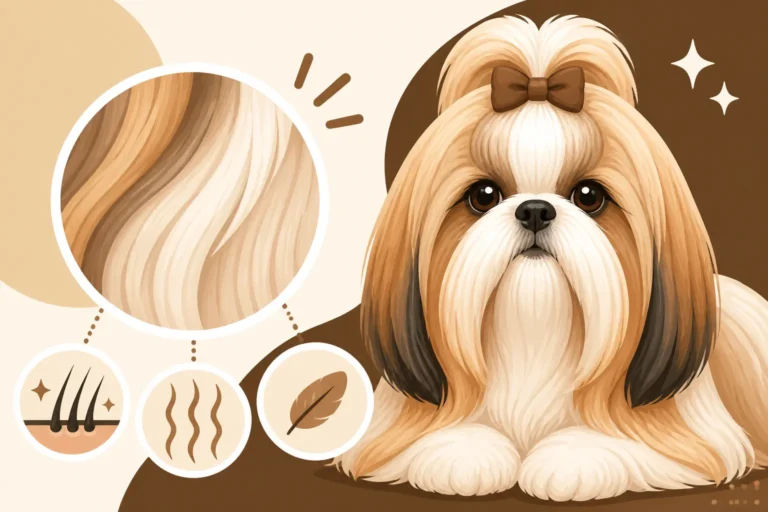
Understanding the Shih Tzu Coat: A Double-Layered Marvel
When you first lay eyes on a Shih Tzu, it's often their incredible coat that captures your heart. It's truly a sight to behold – long, silky, and flowing. But what many new owners don't realize is that this isn't just one type of hair; it's a complex, double-layered system designed to keep them warm in the harsh Tibetan climate where their ancestors originated. Understanding this unique structure is the first step in successful grooming.
The Double Trouble: Undercoat and Topcoat
Imagine your Shih Tzu wearing two coats at once. That's essentially what a double coat means. The outer layer, known as the topcoat, is what you see: long, smooth, and often incredibly soft. It's the hair that flows to the ground, giving them that iconic "chrysanthemum" look. Beneath this, close to their skin, lies the undercoat. This layer is shorter, denser, and much softer, almost like wool or cotton. Its primary job is insulation – keeping them warm in winter and helping to regulate their body temperature in warmer weather.
The challenge arises because these two layers shed and grow at different rates, and the fine, soft undercoat is a magnet for tangles. If the shedding undercoat isn't regularly removed, it intertwines with the longer topcoat, forming dense, painful mats that pull on the skin. This isn't just an aesthetic issue; it can lead to skin irritation, infections, and even restrict movement. It's a bit like having a thick wool sweater stuck to a silk blouse – they just don't play nicely without constant intervention. Brushing a Shih Tzu Double Coat Every Day is a common refrain among experienced owners for exactly this reason.
Why Matting is a Constant Threat
Matting is not just an occasional nuisance for a Shih Tzu; it's a chronic threat. Their unique coat texture and density make them exceptionally prone to it. Every time your Shih Tzu rolls on the carpet, plays with another dog, rubs against furniture, or even just shakes their head, those delicate hairs are getting a chance to tangle. Add in moisture from a bath or rain, and you've got a recipe for disaster if not properly dried and brushed.
The fine, silky texture of the topcoat, combined with the dense, fluffy undercoat, creates a perfect storm for knots. Unlike single-coated breeds where shed hair might fall out relatively easily, a Shih Tzu's shed undercoat often gets trapped within the longer topcoat. This trapped, dead hair then bundles together, creating the beginnings of a mat. These mats can grow quickly, becoming tighter and more painful with each passing day. It’s an ongoing battle, and even a day or two of missed grooming can result in significant tangles that take hours to sort out. Why a Shih Tzu Double Coat Mats So Fast is a lesson many new owners learn the hard way.
Common Areas Where Mats Form
While a Shih Tzu's entire body is susceptible to matting, there are certain "hot spots" that tend to tangle up faster than others. These are areas where there's more friction, or where the coat is naturally thicker and finer. Knowing these areas can help you focus your daily grooming efforts and prevent small knots from becoming unmanageable pelts.
The most notorious areas for matting include behind the ears, under the armpits (front legs), in the groin area (back legs), and around the collar or harness lines. The hair on their chest and belly, being closer to the ground and experiencing more friction, also mats easily. Their long ear feathering is another common spot, as is the hair on their paws and between their paw pads. Even their tail, with its beautiful plume, can develop mats if not brushed regularly. These areas are often overlooked during quick brushing sessions, leading to surprise mats that are much harder to remove later. Regular, thorough checking of these spots is crucial for preventative care.
The Daily Commitment: Brushing, Combing, and Detangling
A beautiful Shih Tzu coat isn't achieved by magic; it's the result of consistent, dedicated effort. For a beginner, this daily commitment might seem daunting at first, but with the right tools and a solid routine, it quickly becomes a cherished bonding experience rather than a chore. Think of it as a small investment of time each day that pays off in a healthy, happy, and mat-free pup.
Essential Tools for Shih Tzu Grooming
You wouldn't try to build a house with just a hammer, and you shouldn't try to groom a Shih Tzu with just a cheap brush. Having the right tools makes all the difference, transforming a frustrating tangle into a manageable session. For a Shih Tzu, your grooming arsenal should include a slicker brush, a metal comb, a detangling spray, and blunt-nosed scissors.
A good quality slicker brush is your primary tool for going through the topcoat and lightly teasing out tangles. Look for one with fine, bent wire bristles that can reach down to the undercoat without scratching the skin. The metal comb, often called a Greyhound comb, is indispensable. It usually has two sides: one with wider teeth for general combing and the other with finer teeth for working through smaller knots and checking for missed tangles. A good detangling spray is a lifesaver; it lubricates the hair, making it easier for brushes and combs to glide through without pulling. You can find excellent options on sites like Chewy that are specifically designed for long-haired breeds. Finally, blunt-nosed scissors are for carefully snipping away stubborn, impenetrable mats that cannot be brushed out, always with extreme caution to avoid nicking the skin. Investing in good tools upfront will save you endless frustration and potential vet bills down the line.
Establishing a Brushing Routine
Consistency is truly the key to managing a Shih Tzu coat. A daily brushing routine, even if it's just for 15-20 minutes, is far more effective than trying to detangle a matted mess once a week. Start with your Shih Tzu puppy as early as possible to get them accustomed to the process. Make it a positive experience with treats and praise.
The "line brushing" technique is highly recommended for Shih Tzus. This involves parting the hair in small sections, similar to how you would section human hair, and brushing each section from the skin outwards. Start at the bottom of a leg or flank, hold the hair above your section with one hand, and brush the small section below, making sure to get right down to the skin. Then move up slightly, creating another line. This ensures you're reaching both the topcoat and the undercoat. Always use your detangling spray first to minimize pulling. Working a Shih Tzu Coat in Sections prevents mats from hiding deep within the coat. After brushing with the slicker, follow up with the metal comb to make sure there are no missed tangles.
Tackling Knots and Minor Mats
Even with a diligent daily routine, you'll inevitably encounter knots and minor mats. The trick is to address them immediately before they become larger, more painful issues. Never try to yank or force a brush through a tangle; this will only cause pain and likely make the mat worse.
When you find a knot, spray it generously with detangling spray. Use your fingers to gently try and pull apart the knot as much as possible, starting from the outside edges and working your way in. Once it's somewhat loosened, use the wide-toothed end of your metal comb, or even just the tip of one tooth, to carefully pick at the mat, a few hairs at a time. Work slowly and patiently, holding the hair at the base of the mat to prevent pulling on your dog's skin. Some owners find a "mat splitter" tool helpful for breaking up dense mats, but these should be used with extreme care. If a mat is too tight or too close to the skin to safely brush out, it's always better to carefully snip it out with blunt-nosed scissors or consult a professional groomer. Remember, patience is your best friend here.
| Grooming Tool | Primary Function | How to Use for Shih Tzu | Where to Find (Example) |
|---|---|---|---|
| Slicker Brush | Removing loose hair, detangling topcoat | Daily brushing, line brushing technique, gentle strokes | Chewy, pet supply stores |
| Metal Comb | Detecting hidden mats, finishing comb, finer detangling | After slicker brush, checking all body parts, precise work | Chewy, grooming outlets |
| Detangling Spray | Lubricating hair, easing brush/comb movement | Spray before brushing, focus on tangles and mat-prone areas | Pet stores, online retailers |
| Blunt-Nosed Scissors | Safely cutting out stubborn mats, trimming | ONLY for impossible mats, hold skin flat, cut away from body | Drugstores, pet supply stores |
| Nail Clippers | Trimming nails | Weekly or bi-weekly, avoid the quick, use styptic powder | Pet stores, vet clinics |
| Ear Cleaner | Keeping ears clean, preventing infections | Weekly, follow vet instructions, cotton balls | Vet clinics, pet stores |
Beyond Brushing: Bathing, Drying, and Professional Help
While daily brushing is paramount, a Shih Tzu's grooming needs extend beyond just brushing. Regular bathing, proper drying, and knowing when to seek professional help are all vital components of maintaining a healthy coat, especially for a beginner.
The Importance of Thorough Bathing and Drying
Bathing a Shih Tzu isn't just about making them smell nice; it's an essential part of coat health. A good bath helps to remove dirt, debris, and loose undercoat, which can all contribute to matting. However, improper bathing can actually make matting worse. You should aim to bathe your Shih Tzu every two to three weeks, depending on their activity level and coat length. Bathing a Shih Tzu Every Two to Three Weeks keeps their skin and coat healthy.
When bathing, always pre-brush your Shih Tzu thoroughly to remove as many tangles as possible. Never put a matted Shih Tzu directly into water, as mats will tighten and become almost impossible to remove. Use a high-quality dog shampoo and conditioner, working it gently into the coat. Avoid harsh scrubbing motions that can knot the hair. Rinse thoroughly until no shampoo residue remains, as residue can cause skin irritation. The drying process is just as critical, if not more so. A damp Shih Tzu coat is a matting machine. You must dry them completely, using a dog-specific forced air dryer (if you have one) or a hairdryer on a cool setting, while continuously brushing the coat. Drying a Shih Tzu Right Through the Undercoat is essential to prevent mats from forming deep within the coat as it dries.
When to Call in a Professional Groomer
For many beginners, professional grooming is an invaluable resource, especially in the early stages of Shih Tzu ownership. Even if you plan to do most of the grooming yourself, regular visits to a professional groomer can make your life significantly easier. A good groomer can manage those deep mats you can't reach, give your dog a fresh, manageable cut, and even offer advice on home care.
Consider scheduling professional grooming every 4-6 weeks. This frequency helps keep the coat in check, prevents severe matting, and ensures your Shih Tzu is regularly cleaned and trimmed. A groomer can also handle tricky tasks like nail trims, ear cleaning, and sanitary trims that might be difficult for a beginner. If your Shih Tzu arrives at the groomer with severe matting, be prepared for them to recommend shaving the coat entirely. This isn't a punishment; it's often the most humane option to relieve pain and prevent skin problems, and it gives you a fresh start for home grooming. Don't be afraid to ask for a "puppy cut" or a shorter style that's easier for you to maintain at home.
Managing Grooming Costs and Frequency
Professional grooming, while highly beneficial, does come with a cost. These costs can add up over the years, leading some owners to consider learning home grooming. Understanding the financial commitment helps you plan.
The price of a professional Shih Tzu groom can vary widely based on location, the groomer's experience, and the condition of your dog's coat. A matted coat will almost always incur extra charges because of the additional time and effort required. To mitigate costs, you can learn to do some basic tasks at home, such as daily brushing, face trims, and paw trims. Investing in quality clippers and supplies from a retailer like Chewy can save money in the long run if you commit to learning. For example, doing Face Trims Between Full Shih Tzu Grooms can significantly extend the time between professional appointments. If you opt for a shorter, low-maintenance cut, your groomer might even be able to stretch out appointments, saving you money while still ensuring your Shih Tzu is comfortable and healthy.
Coat Styles for Beginners: The Puppy Cut Advantage
For a beginner, the idea of maintaining a full, flowing Shih Tzu coat can quickly become overwhelming. This is where strategic coat styles come into play, offering a practical and often much healthier alternative that makes daily care significantly easier. The goal is to keep your Shih Tzu comfortable and mat-free, not necessarily to have them ready for the show ring.
What is a Puppy Cut and Why It Helps
The "puppy cut" is perhaps the most popular and beginner-friendly hairstyle for a Shih Tzu, and for good reason. It involves trimming the entire coat down to a uniform, shorter length, typically between half an inch and two inches, creating a soft, teddy bear-like appearance.
The primary advantage of a puppy cut is the dramatic reduction in grooming time and effort. With shorter hair, mats are far less likely to form, and when they do, they are much easier to brush out. Daily brushing might still be recommended, but it becomes a quick, 5-minute affair rather than a lengthy battle. It also means less dirt and debris getting caught in the coat, easier bathing, and quicker drying times. For a new owner learning the ropes, or anyone with a busy schedule, the puppy cut is a game-changer. It allows you to focus on bonding with your dog rather than constantly fighting tangles. The Shih Tzu Puppy Cut and Its Upkeep can save hours of grooming each week.
Other Low-Maintenance Options
Beyond the classic puppy cut, there are other variations of shorter cuts that can simplify coat maintenance for beginners. Many groomers can tailor a cut to your preferences, keeping certain areas slightly longer for aesthetics while still maintaining overall manageability.
For instance, some owners prefer to keep the body very short but leave the hair on the legs a bit longer for a fluffy look, or keep the tail plume intact. Others opt for a "kennel cut," which is an even shorter overall trim, sometimes down to a quarter-inch, making grooming almost effortless. Discuss your lifestyle and grooming capabilities with your professional groomer. They can help you choose a style that looks great on your Shih Tzu but is also practical for your experience level. Remember, the health and comfort of your dog always come first. A shorter coat doesn't diminish their charm one bit!
Protecting the Eyes: Trimming vs. Topknots
One of the most critical aspects of Shih Tzu coat care, regardless of length, is managing the hair around their eyes. Their long facial hair can easily fall into their eyes, causing irritation, excessive tearing, and even corneal damage. This is a common concern for the breed, and addressing it effectively is non-negotiable.
You have two main options: trimming or tying a topknot. For beginners, especially with a puppy cut, regular trimming of the fringe around the eyes is often the easiest solution. This involves carefully snipping the hair above the eyes short enough so it doesn't fall into them. Always use blunt-nosed scissors and ensure your Shih Tzu's head is still to prevent accidents. If you prefer the look of longer facial hair, a topknot is the answer. This involves gathering the hair on top of their head and tying it up with a small, soft elastic band or bow, keeping it completely out of their eyes. The Shih Tzu Topknot and Keeping Hair Out of the Eyes is a traditional and effective method. It requires a bit more practice to do neatly and securely, but it's a skill worth mastering to protect your dog's vision and prevent Why Hair in the Eye Damages a Shih Tzu Cornea.
Setting Yourself Up for Success: Mindset and Resources
Embarking on the journey of Shih Tzu coat care as a beginner can feel like a steep learning curve. However, with the right mindset, a commitment to learning, and leveraging available resources, you absolutely can succeed. It's not just about the tools and techniques; it's about building a positive experience for both you and your beloved companion.
Patience and Positive Reinforcement
Grooming should never be a battle. For a Shih Tzu, especially a puppy, early experiences with grooming shape their attitude towards it for life. If grooming is consistently stressful or painful, they will learn to dread it, making future sessions even harder. Patience and positive reinforcement are your most powerful allies.
Start grooming sessions when your Shih Tzu is calm and relaxed. Keep sessions short, especially in the beginning, even if it means only brushing a small section at a time. Reward your dog frequently with high-value treats and plenty of praise for good behavior. If they become agitated or stressed, take a break and try again later. Never punish them for being difficult during grooming; instead, try to identify what's causing their discomfort and adjust your approach. Over time, with consistent positive experiences, most Shih Tzus learn to tolerate, and even enjoy, their grooming sessions.
Learning from Online Resources and Local Groomers
You don't have to figure out Shih Tzu grooming all on your own. There's a wealth of information and support available to beginners. Online resources, like dedicated breed forums, YouTube tutorials, and reputable pet blogs, can provide step-by-step guides and visual demonstrations of brushing techniques, bathing processes, and how to use specific tools. Look for videos that specifically demonstrate Getting a Brush Through Both Shih Tzu Layers to ensure you're reaching the undercoat.
Additionally, don't underestimate the value of your local professional groomer. Many groomers are happy to share tips and tricks, demonstrate techniques, or even let you observe a session. Some might offer "puppy introduction" grooming sessions specifically designed to get young dogs comfortable with the grooming environment. Building a good relationship with a local groomer means you always have an expert to turn to for advice or when a grooming challenge feels too big to handle alone.
Building a Grooming Kit That Lasts
Just like you wouldn't embark on a long road trip without proper car maintenance, you shouldn't start your Shih Tzu grooming journey without a durable, comprehensive kit. While you can find budget-friendly options, investing in quality tools will save you frustration and money in the long run. Good tools perform better, last longer, and are often more comfortable for both you and your dog.
Beyond the core tools like slicker brushes and metal combs, consider adding extras like a grooming table (even a small, portable one) with a grooming arm to keep your dog safely in place, a specialized dog blow dryer, and a variety of shampoos and conditioners. Brands found on Chewy often have excellent reviews from other Shih Tzu owners, making it easier to select trusted products. Think about products like Detangler Sprays That Work on a Shih Tzu or specialized shampoos for sensitive skin. Having everything you need readily accessible and in good working order will encourage consistency and make grooming a more pleasant experience for everyone involved.
Disclaimer
This article is for general informational purposes only and does not constitute professional advice. Laws, prices and regulations vary by location and change over time. Consult a qualified professional for guidance on your specific situation.