Chews That Suit a Shih Tzu Underbite
Finding the perfect chew for your adorable Shih Tzu can feel like an endless quest, especially when you factor in their unique underbite and often crowded tiny mouth. Many owners struggle to find chews that are both safe and effective, leading to frustration as they try to balance dental health with the risk of tooth damage or choking. This guide is here to walk you through selecting the best chews that cater specifically to your Shih Tzu's special dental anatomy, helping you keep their pearly whites healthy and their tails wagging.
Understanding the Shih Tzu Underbite and Dental Needs
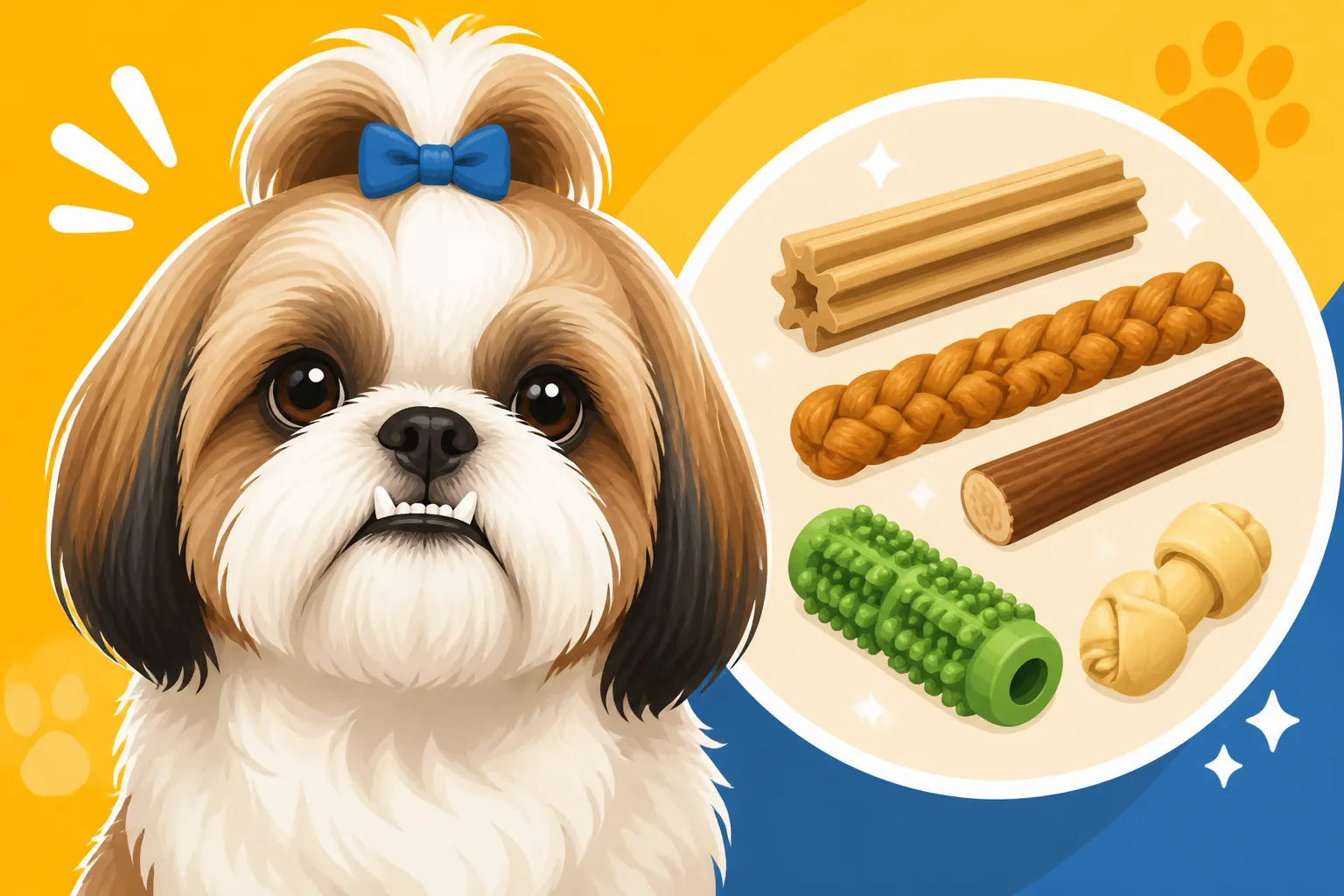
Your Shih Tzu’s charming underbite, while undeniably cute, isn't just a facial feature; it's a significant factor in their oral health. An underbite, or prognathism, means their lower jaw extends beyond their upper jaw, causing their lower teeth to sit in front of their upper teeth. This, combined with their naturally small mouth and a full set of 42 adult teeth, often leads to overcrowding, misaligned teeth, and a higher risk of dental problems.
How the Underbite Affects Chewing Mechanics
Think about how your Shih Tzu attempts to pick up and gnaw on things. Their underbite can make it harder for them to grasp certain shapes and sizes of chews effectively. Instead of a perfect scissor bite where the upper teeth slightly overlap the lower, they might use their side teeth more, or even just their front lower teeth. This means chews need to be designed in a way that allows for easy gripping and encourages proper chewing action without putting undue stress on their teeth or jaw. A chew that’s too large or awkwardly shaped might be ignored, or worse, could cause them to strain, potentially leading to injuries.
The way they chew also affects how well a dental chew can actually clean their teeth. If the chew isn't making good contact with all surfaces, especially in those crowded areas, its effectiveness is greatly reduced. Owners often find themselves wondering if their Shih Tzu is even getting any benefit from a chew when they see them struggling with it.
The Importance of Dental Health for Shih Tzus
Because of their unique mouth structure, Shih Tzus are notoriously prone to dental disease. Shih Tzu Tooth Crowding in a Tiny Jaw is a common issue, creating little nooks and crannies where food particles and bacteria can easily accumulate. This quickly leads to plaque and tartar buildup, which in turn can escalate to gingivitis and then to full-blown periodontal disease. It's not uncommon for vets to find significant Periodontal Disease in a Five Year Old Shih Tzu, even younger, if a proper dental routine isn't in place.
Left untreated, periodontal disease can cause pain, infection, tooth loss, and even lead to more serious systemic health issues as bacteria from the mouth enter the bloodstream. Regular dental care, which includes brushing, professional cleanings, and appropriate chews, is not just about fresh breath; it's vital for their overall health and longevity. It's a huge component of preventing more severe conditions that can sneak up on us if we're not diligent.
Types of Chews That Work and Don't Work for Shih Tzus
Navigating the world of dog chews can be overwhelming. For a Shih Tzu with an underbite, selecting the right type is paramount to ensure both safety and effectiveness. The goal is to find something that helps clean teeth and satisfies their natural urge to chew, without posing risks to their delicate mouths.
Dental Chews: Soft, Flexible, and Enzyme-Enhanced
When it comes to dental chews, think "gentle but effective." Many dental chews on the market are specifically designed to reduce plaque and tartar through mechanical abrasion or enzymatic action. For a Shih Tzu, look for softer, more flexible options that can easily conform to their unique bite. You want a chew that they can comfortably manipulate without struggling or risking a broken tooth.
Consider chews that have ridges, nubs, or an unusual texture. These features can help reach those tricky, crowded spots in a Shih Tzu's mouth where plaque loves to hide. Brands often formulate these chews with ingredients that help freshen breath and break down tartar. When shopping, whether you're browsing at your local pet store or looking online at places like Chewy or Amazon, always check the sizing. Many dental chews come in "toy" or "small" dog sizes, which are crucial for our little friends. Some chews even feature enzymes that work with your dog's saliva to break down plaque, offering an extra layer of protection. Remember, these are meant to supplement, not replace, regular tooth brushing and professional dental cleanings.
Edible Chews: Bully Sticks, Yak Chews, and Natural Options
Edible chews can be a fantastic way to satisfy your Shih Tzu’s chewing instincts, but caution is key.
- Bully Sticks: These are a popular choice, and for good reason—they're digestible and durable. For a Shih Tzu, opt for thinner, softer bully sticks or smaller pieces. A thick, hard bully stick might be too much for their tiny jaw and could even present a choking hazard if they manage to bite off too large a piece. Supervise them closely, especially with new types of bully sticks, to ensure they're chewing safely.
- Yak Chews: Made from yak and cow milk, these chews start off very hard but soften as your dog chews them. This slow softening process can be great for a Shih Tzu, as it reduces the immediate risk of tooth fracture that super hard chews pose. Again, choose smaller sizes. Once the chew becomes a tiny piece, it's best to take it away to prevent choking.
- Natural Chews: Some owners explore other natural, edible chews like dehydrated sweet potato or specific dental-grade bones that are designed to be softer and more pliable. Always ensure these are single-ingredient, digestible, and free from any artificial additives. Just like with anything else, monitor how your Shih Tzu handles them.
The great thing about many of these natural chews is that you can often find them in varying thicknesses and densities, which allows you to tailor your choice to your individual Shih Tzu's chewing style and the strength of their teeth. Websites like Ollie, known for fresh food, might also offer smaller, softer treats that can double as gentle chews.
Non-Edible Chews and Toys: Rubber and Softer Nylon
Sometimes, the best chews aren't meant to be eaten at all! Non-edible chew toys made from rubber or softer nylon can provide hours of chewing satisfaction and contribute to dental health without the worry of them consuming too many calories or breaking off pieces.
- Rubber Toys: Think along the lines of Kongs or other durable rubber toys. These are fantastic because they're bouncy, often hollow (allowing you to stuff them with dog-friendly pastes or treats for extra engagement), and come in many shapes and sizes. The pliable nature of rubber makes them safe for a Shih Tzu's teeth and underbite. Many rubber toys have textured surfaces that can help scrub teeth as your dog chews. Just make sure the size is appropriate – large enough not to be swallowed, but small enough for them to hold and maneuver.
- Softer Nylon Chews: While some nylon chews can be quite hard, there are softer versions specifically designed for puppies or less aggressive chewers. These can be a good option for a Shih Tzu, offering durability without the rigidity of traditional bone-like nylon chews. Again, scrutinize the product description for terms like "flexible" or "gentle" and always opt for the smallest appropriate size.
The advantage of these types of chews is their longevity. They don't get consumed, so they can be a more economical and safer option in the long run. They’re also easy to clean, which is a bonus for hygiene.
Chews to Avoid for a Shih Tzu
This part is just as important, if not more, than knowing what to offer. Some popular chew items are simply too dangerous for a Shih Tzu's delicate teeth and jaw.
- Hard Bones (Cooked or Raw): Cooked bones, especially, can splinter and cause internal damage or choking. Raw bones can also be too hard and risk tooth fractures, or carry bacterial contamination. Their small jaws are just not designed for crushing hard bones.
- Antlers and Hooves: While natural, these are incredibly hard and pose a significant risk of breaking teeth. A broken tooth often means a painful and costly vet visit for extraction.
- Very Hard Plastic or Nylon Chews (Not specifically labeled "soft" or "gentle"): Many standard nylon chews are simply too rigid. If you can't indent it with your fingernail, it's probably too hard for your Shih Tzu.
- Rawhide: This is a controversial one. Rawhide can be difficult to digest, leading to blockages. More critically for Shih Tzus, it can soften and become gummy, posing a serious choking hazard, especially if a large piece is swallowed whole. While many brands offer "dental rawhide," the risks often outweigh the benefits for small breeds with specific dental challenges.
When in doubt, always err on the side of caution. If a chew seems too hard, too small, or too likely to splinter, skip it. Your vet can also offer excellent recommendations based on your individual dog's dental health.
Safety First: Choosing the Right Chews and Monitoring
Even with the best intentions, choosing the wrong chew can lead to serious problems for your Shih Tzu. Their unique oral structure and small size demand extra vigilance when selecting and supervising any chew activity. Safety should always be your top priority.
The Goldilocks Principle: Chew Size and Hardness
Finding the "just right" chew is crucial.
- Size: A chew that is too small becomes a choking hazard. Your Shih Tzu might try to swallow it whole once it's small enough. Conversely, a chew that's too large might be ignored because they can't get their mouth around it, or they might strain their jaw trying. Look for chews that are specifically marketed for "toy breeds" or "small dogs" and ensure it's still large enough that they can't fit the entire thing into their mouth. If you can, physically compare the chew to your Shih Tzu's mouth size to get a good estimate.
- Hardness: This is where many owners go wrong. The general rule of thumb is: if you can't make a dent in it with your thumbnail, it's too hard for your dog's teeth. Chews that are harder than your dog's teeth can cause painful fractures, which often require expensive dental surgery to repair. Your Shih Tzu's enamel is strong, but it's not indestructible, and those crowded teeth can be particularly vulnerable. Always prioritize chews that have some give or soften with saliva.
Supervise, Supervise, Supervise!
No matter how safe a chew is advertised to be, supervision is non-negotiable. Shih Tzus are smart and can find unexpected ways to get into trouble.
- Choking Hazards: Even appropriate chews can become small enough to swallow. If your Shih Tzu is an enthusiastic chewer, they might manage to break off a larger-than-intended piece. Be ready to intervene if a chew becomes too small or if they're struggling with it.
- Ingestion Issues: Some edible chews, even digestible ones, can cause an upset stomach if too much is consumed too quickly. Watch for any signs of discomfort, vomiting, or diarrhea after introducing a new chew.
- Aggressive Chewing: While Shih Tzus aren't typically known for extremely aggressive chewing, some individuals can be quite powerful. If you notice them trying to bite off large chunks or becoming overly possessive, it might be a sign that the chew isn't right for them, or that you need to implement more structured chew time.
Always be present when your Shih Tzu is enjoying a chew. This allows you to monitor their chewing behavior, remove any pieces that become a hazard, and ensure they're safe.
Checking Ingredients and Allergens
Just like with their regular food, the ingredients in chews matter.
- Simple is Best: Look for chews with minimal ingredients, ideally natural and easily recognizable. Avoid artificial colors, flavors, and preservatives, which can sometimes cause digestive upset or allergic reactions.
- Common Allergens: If your Shih Tzu has known food sensitivities, check the ingredient list carefully. Common allergens for dogs can include chicken, beef, dairy, or wheat. There are many novel protein options available in chews if your Shih Tzu has a sensitive stomach or skin allergies. Shih Tzu Skin Allergies and Hot Spots can sometimes be exacerbated by food intolerances.
- Veterinary Consultation: If you're unsure about specific ingredients or if your Shih Tzu has existing health conditions like Renal Dysplasia and the Shih Tzu Kidney or other dietary restrictions, always consult your veterinarian before introducing new chews. They can provide personalized recommendations based on your dog's health profile.
A quick scan of the label before you buy, whether in a store or on an online marketplace like Amazon, can save you a lot of trouble down the line.
Integrating Chews into a Shih Tzu's Dental Routine
Chews are a wonderful adjunct to your Shih Tzu's oral hygiene, but they aren't a standalone solution. To truly protect their adorable smile, you need a multi-pronged approach that includes regular brushing and professional veterinary care. Think of chews as a daily bonus, enhancing the foundational elements of good dental health.
How Often and How Much?
Consistency is key, but moderation is equally important.
- Frequency: Most dental chews are designed to be given once a day, or a few times a week, depending on the product. Follow the manufacturer's guidelines for frequency and duration. Overdoing it can lead to upset stomachs or excessive caloric intake.
- Calorie Count: Remember, chews contain calories! Especially for a small breed like the Shih Tzu, these calories can add up quickly and contribute to weight gain if not accounted for in their daily diet. Shih Tzu Obesity on a Sixteen Pound Frame can put extra stress on their joints and overall health. Factor in the chew's calories when you're measuring out their daily food portion.
- Rotation: Offer a variety of appropriate chews to keep your Shih Tzu interested and engaged. Rotating between a dental chew, a safe edible chew, and a non-edible toy can provide different textures and mental stimulation, preventing boredom and encouraging more consistent chewing habits.
Beyond Chews: The Full Dental Picture
While beneficial, chews alone simply aren't enough to maintain optimal dental health for a breed prone to dental issues.
- Daily Brushing: This is the gold standard for preventing plaque and tartar buildup. Daily Toothbrushing in a Crowded Shih Tzu Jaw can be a challenge with their small mouth, but even a few minutes a day can make a huge difference. Start early, make it a positive experience, and use a dog-specific toothbrush and toothpaste.
- Professional Dental Cleanings: Just like us, dogs need regular professional cleanings. Your vet might recommend annual or biennial dental cleanings under anesthesia to thoroughly scale away tartar, polish teeth, and check for any underlying issues like gum disease or abscesses. These cleanings are critical for reaching areas that even the best brushing and chews can't access. How Often a Shih Tzu Needs a Dental is a conversation you should have with your veterinarian regularly.
- Regular Vet Check-ups: During routine examinations, your vet will perform an oral check. They can spot early signs of dental problems, such as Gum Recession in a Shih Tzu or loose teeth, and advise you on the best course of action before things escalate. They might also discuss Pre-Anesthetic Testing Before a Shih Tzu Dental to ensure your dog is healthy enough for the procedure.
By combining appropriate chews with consistent home care and regular veterinary attention, you're setting your Shih Tzu up for a lifetime of better oral health and fewer painful, costly dental problems. It’s an investment in their comfort and well-being that truly pays off.
Disclaimer
This article is for general informational purposes only and does not constitute professional advice. Laws, prices and regulations vary by location and change over time. Consult a qualified professional for guidance on your specific situation.