The Outdoor Temperature Limit for a Shih Tzu
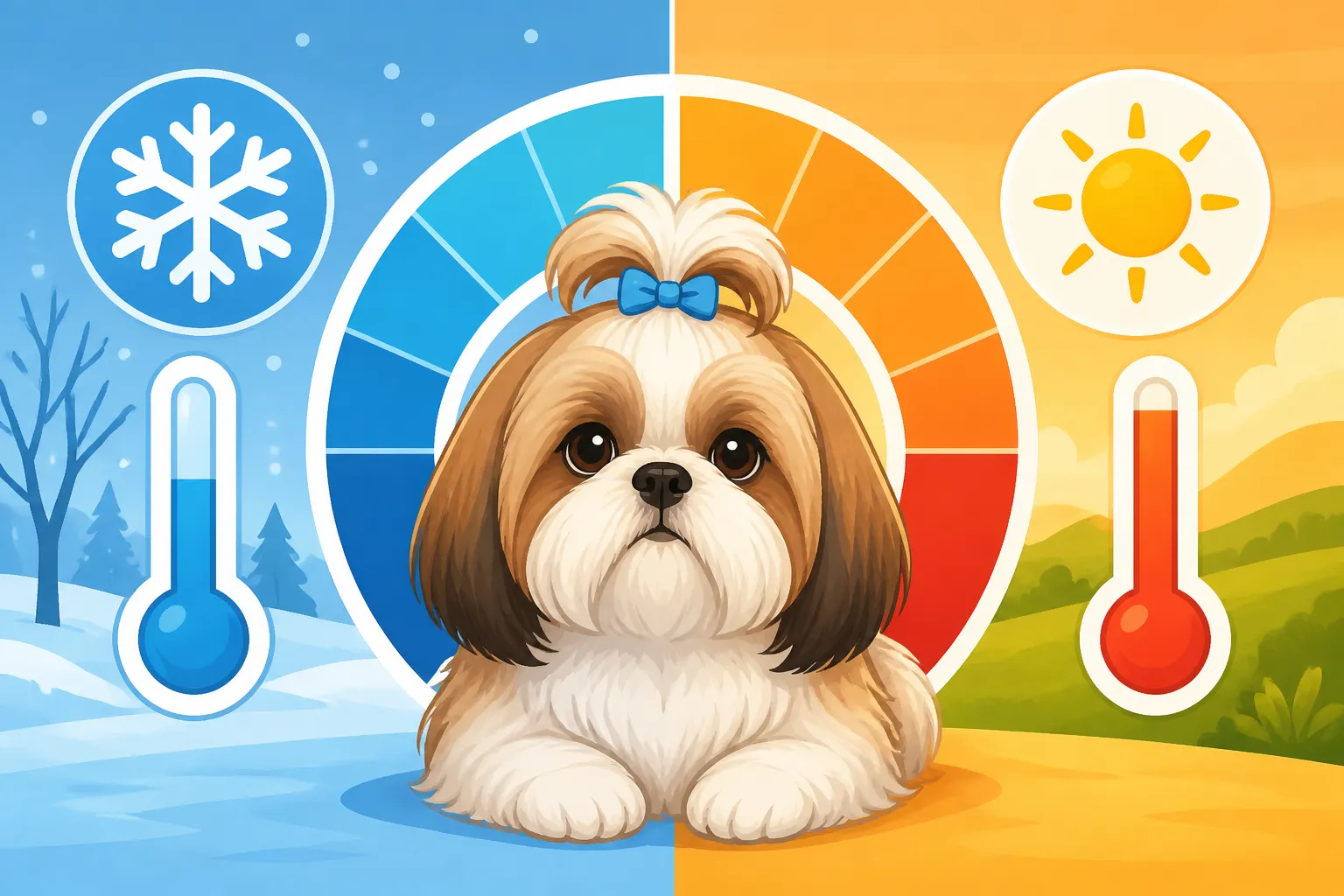
It's a common worry for us Shih Tzu parents: how hot is too hot, or how cold is too cold, for our furry companions? Our precious little lion dogs, with their distinctive flat faces and glorious coats, aren't built for extreme temperatures, and ignoring this can lead to serious health issues. This guide will help you understand the specific vulnerabilities of a Shih Tzu when it comes to the weather, and equip you with practical steps to keep them safe and comfortable, no matter the season.
Why Shih Tzus Are So Sensitive to Temperature Extremes
Let's face it, our Shih Tzus are utterly adorable, but their unique physical traits, while contributing to their charm, also make them incredibly susceptible to temperature fluctuations. It’s not just about comfort; it’s about their fundamental ability to regulate their body temperature, which is inherently challenged by their breed-specific characteristics.
The Brachycephalic Challenge: Breathing and Cooling
The number one reason our Shih Tzus struggle with heat, and to some extent cold, is their brachycephalic (flat-faced) anatomy. Unlike dogs with longer snouts, Shih Tzus have shortened air passages, meaning they don't have the same surface area to cool air as they pant. Panting is a dog's primary way of cooling down, and for a Shih Tzu, this process is significantly less efficient. Think of it like trying to breathe through a really short, narrow straw – it's just harder work. This makes them prone to overheating much faster than other breeds.
It's not just the external appearance; their internal anatomy often exacerbates the problem. Many Shih Tzus have conditions like an Elongated Soft Palate in a Shih Tzu, where excess tissue can obstruct their airway, making breathing even more laborious. Similarly, Shih Tzu Stenotic Nares and Noisy Breathing (narrow nostrils) restrict airflow from the very start. All these factors combine to make temperature regulation a constant battle for them, particularly in warmth. This inherent challenge is why we have to be so much more vigilant than owners of, say, a Labrador.
The Double Coat Dilemma: Insulation and Overheating
Then there's that magnificent double coat! While a long, flowing coat is part of the Shih Tzu's regal charm, it's also a double-edged sword when it comes to temperature. Their thick undercoat acts like a natural insulator, keeping them warm in cooler weather – which is great! However, in warmer temperatures, this same insulation traps heat close to their body, making it incredibly difficult for them to dissipate it. This is why Why a Shih Tzu Cannot Cool Itself Well is such a critical consideration for our breed.
Even with a shorter "puppy cut" or a regularly trimmed coat, that dense undercoat still provides significant insulation. Imagine wearing a heavy wool sweater in July; that’s a bit like what a Shih Tzu experiences if their coat isn't managed properly in the heat. It's a delicate balance: you need to protect their skin from the sun, but also avoid trapping too much body heat. This is why daily brushing and grooming are so vital, not just for aesthetics, but for temperature regulation too.
Defining the "Safe" Temperature Zone for Your Shih Tzu
Understanding the risks is one thing, but knowing concrete temperature guidelines is what really helps us protect our Shih Tzus. There's no single magic number, as humidity, individual dog health, and activity levels play a huge role, but we can establish general ranges to guide our decisions.
When It's Too Hot: The Danger Zone
For most Shih Tzus, temperatures between 75°F (24°C) and 80°F (27°C) should be approached with extreme caution. This is where you really need to start modifying outdoor activities. Short potty breaks are generally fine, but prolonged walks or any strenuous play should be avoided. If the humidity is high, the "danger zone" effectively shifts lower, perhaps even starting around 70°F (21°C), because humid air makes it even harder for dogs to cool themselves through panting evaporation.
Once the temperature hits 80°F (27°C) and above, especially with high humidity, it's generally too hot for a Shih Tzu to be outside for anything more than a very quick, shaded potty break. Anything beyond this dramatically increases the risk of heat exhaustion and potentially life-threatening heatstroke. This is when their Shih Tzu Exercise Intolerance in Summer becomes very apparent. Even seemingly mild exercise can push them over the edge quickly, as their brachycephalic structure makes every breath harder. Always remember, the ground temperature can be significantly hotter than the air temperature – a quick check with your hand on the pavement can save their paws and prevent core body temperature spikes.
When It's Too Cold: Frostbite and Hypothermia Risks
While heat is often the primary concern, cold temperatures also pose a significant risk to our smaller, companion-bred Shih Tzus. For many, temperatures below 45°F (7°C) start to warrant closer monitoring and consideration for protective gear. Shih Tzus, especially those with shorter coats, can begin to feel the chill. At these temperatures, short walks are usually fine, but keep an eye out for shivering or reluctance to move.
When the mercury dips to 32°F (0°C) or below, it becomes genuinely dangerous. At these temperatures, the risk of hypothermia (dangerously low body temperature) and frostbite on exposed areas like paws, ear tips, and tail increases. Even a robust, full-coated Shih Tzu can struggle, and those with a How a Clipped Shih Tzu Handles Cold or a thinner coat will need serious protection, possibly even a full dog coat or sweater. Remember, even if they have a cozy sweater, their paws are still exposed. Consider booties, which you can find readily on sites like Amazon, to protect their sensitive paw pads from frozen ground, ice, and road salt. Think about Whether a Clipped Shih Tzu Needs a Coat and err on the side of caution.
Here’s a general guideline for outdoor temperatures and your Shih Tzu:
| Temperature Range | Activity Level & Risk | Key Considerations |
|---|---|---|
| 80°F (27°C) and above | HIGH RISK | Avoid all non-essential outdoor time. Quick potty breaks ONLY, in shade. Watch for heatstroke signs. Humidity increases risk. |
| 75°F – 79°F (24°C – 26°C) | CAUTION | Very short, slow walks, early morning or late evening. Ensure shade and water. Avoid strenuous play. Pavement check is crucial. |
| 50°F – 74°F (10°C – 23°C) | SAFE/MODERATE | Generally safe for regular walks. Still monitor for exertion. Optimal range for most activity. |
| 33°F – 49°F (1°C – 9°C) | CAUTION | Shorten walks. Consider a sweater or coat, especially for clipped dogs. Monitor for shivering. Avoid wet conditions. |
| 32°F (0°C) and below | HIGH RISK | Limit outdoor time to quick potty breaks. Protective coat and booties are essential. Risk of hypothermia/frostbite. |
Signs Your Shih Tzu Is Overheating or Too Cold
Knowing the temperature limits is a great start, but equally important is being able to read your Shih Tzu's signals. They can't tell us in words that they're too hot or too cold, so it's up to us to be diligent observers of their behavior and physical condition. Recognizing the early warning signs can prevent a minor discomfort from escalating into a life-threatening emergency.
Spotting Heat Exhaustion and Heatstroke
Heatstroke is a true emergency for a Shih Tzu, and it can come on surprisingly quickly given their vulnerabilities. The earliest signs of trouble are often subtle, but they intensify rapidly. You might notice heavy panting that seems excessive for their activity level, even after they've stopped moving. They might appear more sluggish or less responsive than usual. As things progress, the signs become more alarming: profuse drooling, staggering, wobbly gait, gums that are a brighter red than normal, vomiting, or diarrhea. In severe cases, they might collapse, have seizures, or lose consciousness. If you suspect your Shih Tzu is overheating, you need to act immediately. This isn't something to "wait and see" about; it's a dash to the emergency vet. Keep an eye out for Spotting Heat Trouble in a Shih Tzu.
Remember, their little bodies just aren't designed to efficiently cool themselves, and that dense double coat, even when trimmed, can trap heat. A hot Shih Tzu isn't just uncomfortable; they are in grave danger. If you ever see these signs, get them to a cooler environment, apply cool (not ice cold) water to their belly, armpits, and groin, and get to a vet.
Recognizing Hypothermia and Frostbite
On the flip side, cold weather can also be dangerous. Hypothermia occurs when your dog's body temperature drops below normal, and while not as sudden as heatstroke, it can be just as serious. Signs include persistent shivering, which might progress to extreme lethargy or weakness. Their ears and paws might feel unusually cold to the touch. In more advanced stages, they might become stiff, have trouble walking, or their breathing and heart rate could slow down. They might whimper or vocalize discomfort, or simply try to curl up tightly.
Frostbite is another concern, especially for their delicate paws and ear tips. These areas can become pale or bluish, cold, and painful. If you suspect hypothermia or frostbite, gently warm your Shih Tzu with blankets, dry them thoroughly if wet, and contact your vet. Don't rub frostbitten areas, as this can cause more damage. Prevention is always key: limit exposure, ensure they are dry, and provide protective clothing when necessary.
Practical Tips for Managing Your Shih Tzu in Different Climates
Knowing the risks and recognizing the signs is half the battle. The other half is implementing practical, everyday strategies to keep your Shih Tzu safe and happy, regardless of what the thermometer says. It's all about being proactive and adjusting your routine to suit their needs.
Summer Safety: Timing Walks and Staying Hydrated
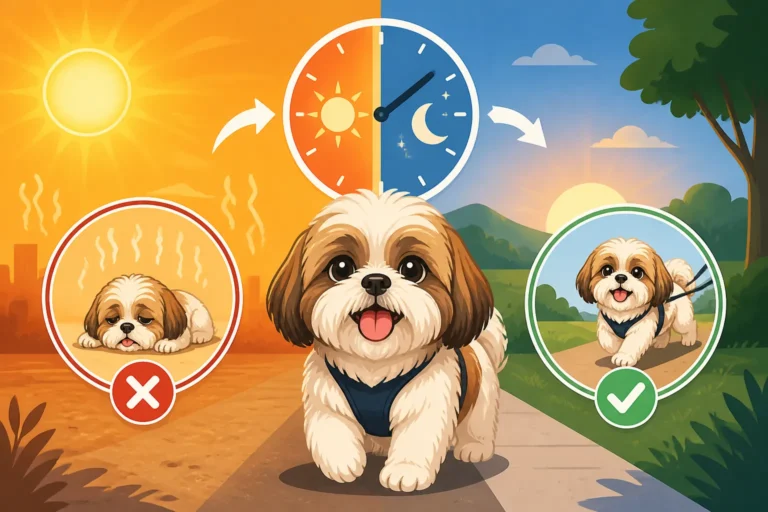
In warmer weather, the most crucial adjustment is the timing of your outings. Forget those midday strolls; they're simply too risky for a Shih Tzu. Instead, plan your walks for the very early morning, just as the sun is rising, or much later in the evening, after the sun has set and the pavement has had a chance to cool down. This is absolutely key to Walking a Shih Tzu Early or Late in Summer. Even then, keep walks short and at a relaxed pace. Remember, their little snouts make breathing harder, so don't push them to exert themselves.
Always carry fresh water for them, even on short walks, and offer it frequently. Portable water bottles with attached bowls are excellent for this. At home, ensure they always have access to fresh, cool water, perhaps even adding a few ice cubes to their bowl. Cooling mats or elevated beds can provide a cool resting spot indoors. Companies like Chewy offer a variety of self-cooling mats that don't require electricity, perfect for a Shih Tzu to flop onto after a quick potty break. Freeze a Kong stuffed with a treat to give them a cooling activity. Never, ever, leave your Shih Tzu in a parked car, even for "just a minute" with the windows cracked – temperatures inside a car can skyrocket in minutes.
Winter Warmth: Protective Gear and Indoor Play
When the temperatures drop, your Shih Tzu needs extra layers. A well-fitting sweater or coat is essential for maintaining their body warmth, especially for those with a shorter "puppy cut" that reduces their natural insulation. Look for options made from warm, water-resistant materials, ensuring they don't restrict movement or interfere with their harness. Booties are also a smart investment, not only to prevent frostbite on their paw pads but also to protect against ice melt chemicals and salt often found on winter sidewalks. You can find durable and comfortable booties from online retailers like Amazon.
Indoor play becomes vital during cold snaps. Instead of outdoor adventures, engage them with puzzle toys, fetch in the living room, or training sessions that challenge their minds. Many Shih Tzus love chasing a laser pointer or finding hidden treats. This not only keeps them physically active but also mentally stimulated, preventing boredom and cabin fever. Consider an indoor potty setup, like grass patches or pee pads, for those days when it's just too cold for even a quick outdoor break.
Constant Vigilance: Monitoring Your Dog and Environment
Ultimately, the best defense against temperature extremes is constant vigilance and knowing your individual dog. Some Shih Tzus might tolerate certain temperatures better than others, depending on their age, general health, weight, and specific brachycephalic traits. Always check the pavement temperature with your hand before walking them in warmer weather; if it's too hot for your hand, it's too hot for their paws.
Be mindful of not just the temperature, but also the wind chill in winter and the humidity in summer. These factors significantly impact how your Shih Tzu perceives the temperature. If you're planning Long Car Journeys With a Shih Tzu, ensure the car is well-ventilated and air-conditioned/heated to a comfortable level, and take frequent breaks. Keep an eye on the weather forecast and plan your day around it. Remember, it's always better to err on the side of caution and keep your beloved Shih Tzu safe and sound indoors when in doubt. For fresh food options that can sometimes be served slightly cooler to tempt finicky eaters or offer hydration, you might explore services like Ollie, always ensuring it's appropriate for your dog's dietary needs.
Disclaimer
This article is for general informational purposes only and does not constitute professional advice. Laws, prices and regulations vary by location and change over time. Consult a qualified professional for guidance on your specific situation.