The Label Details That Matter for a Shih Tzu
Trying to navigate the dizzying array of dog food options lining the shelves can feel like deciphering a secret code, especially when you're trying to choose the very best for your beloved Shih Tzu. It's not just about what looks good on the package; it's about understanding the nitty-gritty details on the back. This guide will walk you through the essential label information you need to scrutinize to ensure your furry friend is getting the most nutritious and appropriate diet for their unique needs.
Understanding the Basics: Beyond the Front of the Bag
When you pick up a bag of dog food, your eyes are naturally drawn to the marketing claims on the front: "premium," "natural," "holistic," "grain-free." While these terms can catch your attention, they often tell you very little about the actual quality or suitability of the food for your Shih Tzu. The real story, the one that truly impacts your dog's health, lies in the small print on the back of the bag – the ingredient list and the guaranteed analysis. Learning to read these sections critically is one of the most powerful tools you have as a Shih Tzu owner.
The 'First Five Ingredients' Rule and Why It Matters for Shih Tzus
The ingredient list on any pet food label is legally required to list components in descending order by weight. This means the ingredients present in the largest amounts are at the top. For a small breed like a Shih Tzu, who relies on nutrient-dense food to fuel their small bodies and maintain that magnificent coat, the first five ingredients are paramount. You want to see high-quality protein sources dominating this section, not fillers or vague terms.
Ideally, the first few ingredients should be whole meats like chicken, beef, lamb, or fish. These provide the essential amino acids your Shih Tzu needs for strong muscles, healthy organs, and that signature flowing hair. If you see a lot of plant-based proteins or starches listed before a substantial meat source, it's a red flag that the food might not be as protein-rich as it appears, which can leave your little companion feeling less than satisfied and not properly nourished.
It's also worth noting how some manufacturers can play tricks with ingredient splitting. For instance, instead of listing "peas" as one ingredient, they might list "peas," "pea protein," and "pea fiber" separately. This pushes the actual meat further down the list, making it seem like there's more meat than there truly is. For your Shih Tzu's efficient but small digestive system, getting easily digestible, concentrated protein right upfront is crucial for optimal nutrient absorption and sustained energy throughout their day.
Deciphering Meat Meals and By-Products: Quality for a Tiny Tummy
Often, you'll see "chicken meal," "lamb meal," or "salmon meal" listed among the top ingredients. Many new pet owners automatically shy away from "meal" ingredients, assuming they are inferior. However, this isn't necessarily true. A "meat meal" is essentially meat that has been cooked down to remove moisture, leaving behind a highly concentrated source of protein. In fact, chicken meal often contains a higher percentage of protein by weight than fresh chicken, simply because the water has been taken out.
The term "by-product" is where things get a bit more ambiguous, and where vigilance for your Shih Tzu becomes important. "Meat by-products" can include organ meats like liver, kidneys, and lungs, which are incredibly nutritious and rich in vitamins and minerals. But the term can also encompass less desirable components such as feathers, beaks, and feet, which offer little to no nutritional value. A reputable brand will specify which by-products are included (e.g., "chicken liver") rather than using a generic, vague "meat by-products" label.
For a Shih Tzu with their delicate digestive systems, choosing foods with clearly defined protein sources, whether whole meats or specified meat meals and by-products, is vital. Consistent, high-quality protein helps maintain their muscle mass, supports a healthy immune system, and contributes to the sheen of their double coat. Avoiding generic, questionable by-products can also help prevent digestive upset and ensure they're getting truly beneficial nutrients, rather than just empty bulk.
Whole Grains vs. "Grain-Free": What Your Shih Tzu Actually Needs
The "grain-free" trend has been incredibly popular for years, driven by the belief that grains are inherently bad for dogs. While some dogs do have sensitivities or allergies to specific grains like wheat or corn, for the vast majority of Shih Tzus, whole grains are perfectly healthy and beneficial. Ingredients like brown rice, oats, barley, and quinoa provide excellent sources of complex carbohydrates for sustained energy, as well as crucial fiber for healthy digestion and B vitamins.
In fact, some grain-free diets that rely heavily on legumes (peas, lentils, chickpeas) and potatoes as primary carbohydrate sources have been linked in some studies to Dilated Cardiomyopathy (DCM) in certain breeds. While the research is ongoing and the link is complex, it raises a significant question about the widespread assumption that grain-free is always superior. Unless your veterinarian has specifically diagnosed your Shih Tzu with a grain allergy, there's generally no medical reason to avoid grains.
Choosing a diet with healthy, digestible whole grains can actually be a better choice for many Shih Tzus. These grains contribute to a balanced diet, providing necessary energy without being overly rich, which can sometimes be an issue for a small breed prone to digestive sensitivity. Always discuss dietary changes or concerns about grain-free options with your vet to ensure you're making the best decision for your individual dog's health needs.
Essential Nutrients and Analytical Guarantees
Beyond the raw ingredients, a pet food label also provides a "Guaranteed Analysis" that lists the minimum or maximum percentages of key nutrients. This section is often overlooked but is crucial for understanding the overall nutritional profile of the food and whether it aligns with your Shih Tzu's specific needs at different life stages. It's a snapshot of the chemical composition, and knowing how to read it can help you compare foods more effectively.
Protein, Fat, and Fiber: Balancing Act for a Shih Tzu's Digestion
The Guaranteed Analysis will typically list Crude Protein (min), Crude Fat (min), and Crude Fiber (max), along with Moisture (max). For your Shih Tzu, understanding these percentages helps you ensure they're getting the right balance for their size and activity level. Generally, a good quality Shih Tzu food will have moderate protein (around 25-30% on a dry matter basis), moderate fat (12-18% dry matter), and a healthy amount of fiber (2-5% dry matter).
Too much protein can sometimes be hard on a small dog's kidneys or lead to digestive upset, while too little won't support their muscle maintenance and energy needs. Fat is a concentrated source of energy and is vital for skin and coat health, but excessive fat can lead to weight gain, an issue often hidden under a full coat. Why a Full Coat Hides Shih Tzu Weight Gain is a real concern for owners.
Fiber is essential for regulating your Shih Tzu's digestion, promoting healthy bowel movements, and preventing both constipation and loose stools. A proper fiber level helps keep their anal glands healthy, a common concern for small breeds. Maintaining this delicate balance is critical for their overall well-being, influencing everything from their energy levels to the quality of their stool. This is also important when considering Daily Calories for a Twelve Pound Shih Tzu to ensure they are full but not over-fed.
Vitamins, Minerals, and Supplements: What's Added and Why
A truly complete and balanced diet for your Shih Tzu will include a full spectrum of essential vitamins and minerals, which are usually listed further down the ingredient panel. Look for an AAFCO (Association of American Feed Control Officials) statement on the label, which indicates that the food meets the nutritional levels established for a specific life stage (e.g., "for growth and reproduction" or "for maintenance"). This statement is your assurance that the food is formulated to provide all necessary nutrients.
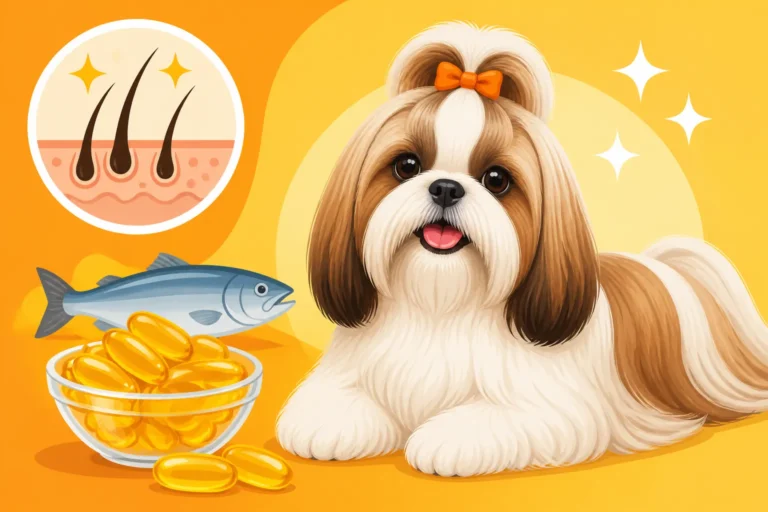
For Shih Tzus, specific nutrients can be particularly beneficial. For instance, Vitamin A is crucial for eye health, and Omega-3 and Omega-6 fatty acids (often from fish oil or flaxseed) are fantastic for maintaining their long, luxurious double coat and healthy skin. You might also see ingredients like glucosamine and chondroitin listed, which are often added to senior or joint-support formulas, though their efficacy at the typical levels found in kibble can vary.
These added micronutrients are vital for filling any gaps that might exist from the main ingredients after processing. They support everything from immune function and bone health to nerve function and vision. If you're considering additional supplements for your Shih Tzu, always consult with your veterinarian to ensure they are truly needed and won't interact negatively with their diet or any existing medications.
Understanding "Guaranteed Analysis": What the Numbers Really Tell You
The Guaranteed Analysis provides raw percentages for protein, fat, fiber, and moisture, but these are given on an "as fed" basis – meaning, as the food is in the bag. This can be misleading, especially when comparing dry kibble to wet canned food. To truly compare the nutrient density of different foods, you need to convert these numbers to a "dry matter basis" (DMB). This removes the water content from the equation, giving you a more accurate comparison.
To calculate dry matter, first subtract the moisture percentage from 100%. Then, divide the percentage of each nutrient by that dry matter percentage, and multiply by 100. For example, if a dry food has 10% moisture and 25% crude protein: (25 / (100-10)) * 100 = 27.78% protein on a dry matter basis. This calculation allows you to accurately assess if a food truly meets the nutritional needs of your Shih Tzu, especially when considering different food formats.
Understanding the guaranteed analysis on a dry matter basis is a bit more work, but it empowers you to make truly informed decisions about your Shih Tzu's diet. Consistency in nutrition is especially important for toy breeds, whose systems can be quite sensitive to abrupt changes or inadequate nutrient profiles. Taking the time to do this calculation ensures you're comparing apples to apples, not apples to oranges.
Special Considerations for Your Shih Tzu's Unique Needs
Your Shih Tzu isn't just any dog; they have distinct characteristics that influence their dietary requirements, from their adorable flat face to their luxurious coat and potential health predispositions. The best dog food label will reflect an understanding of these unique traits, offering formulations that cater specifically to the Shih Tzu's particular physiology and sensitivities.
Addressing Food Allergies: Navigating Novel Proteins and Limited Ingredients
Like many breeds, Shih Tzus can develop food allergies or sensitivities, which often manifest as skin issues (itching, redness, hot spots) or gastrointestinal upset (diarrhea, vomiting). This can be a real frustration for owners trying to pinpoint the culprit, often leading to endless scratching and discomfort for your dog. If you suspect your Shih Tzu has a food allergy, the food label becomes your primary tool in managing it. Food Allergy Itching Under a Shih Tzu Coat is a common problem that requires careful dietary management.
"Limited Ingredient Diets" (LIDs) are specifically designed to help identify and manage food sensitivities. These formulas typically contain a single source of animal protein and a single carbohydrate source, with a minimal number of other ingredients. This simplicity makes it much easier to isolate which ingredient might be causing an adverse reaction in your Shih Tzu. You'll often see specific phrases like "Limited Ingredient Diet: Duck & Potato" on the label.
"Novel proteins" are also key in allergy management. These are protein sources your dog hasn't been exposed to before, such as duck, venison, rabbit, or even kangaroo. If your Shih Tzu has reacted to common proteins like chicken or beef, switching to a novel protein diet can often bring relief. Always consult your veterinarian before starting An Elimination Diet Trial on a Shih Tzu to ensure it's done correctly and to rule out other causes for their symptoms.
Kibble Size and Shape: A Crucial Detail for Brachycephalic Breeds
This might seem like a minor detail, but for a brachycephalic (flat-faced) breed like the Shih Tzu, kibble size and shape are incredibly important. Their unique jaw structure and undershot bite can make it challenging to pick up and properly chew large or oddly shaped kibble. If the kibble is too big, your Shih Tzu might struggle to grasp it, leading to frustration, or they might try to gulp it down whole, increasing the risk of choking.
Look for kibble that is specifically marketed for small breeds, or even better, for brachycephalic dogs. These kibbles are typically smaller, sometimes flatter, or have a unique shape that makes it easier for a Shih Tzu to pick up and crunch. This not only improves their eating experience but also helps promote good dental hygiene by encouraging chewing, which can help scrape away plaque. Kibble Small Enough for a Shih Tzu Underbite is a must-have consideration when choosing their food.
Proper kibble design also helps reduce the amount of air your Shih Tzu swallows while eating, which can minimize gas and discomfort. Brands like Ollie, a fresh food service, often offer smaller, softer bites that bypass the kibble shape issue entirely, making them a great option for Shih Tzus with particular eating challenges. If you're shopping at a large retailer like Chewy or Amazon, filter your search by "small breed" or "toy breed" formulas to see kibble designs tailored to your Shih Tzu's mouth.
Life Stage Formulas: Puppy, Adult, and Senior Shih Tzu Requirements
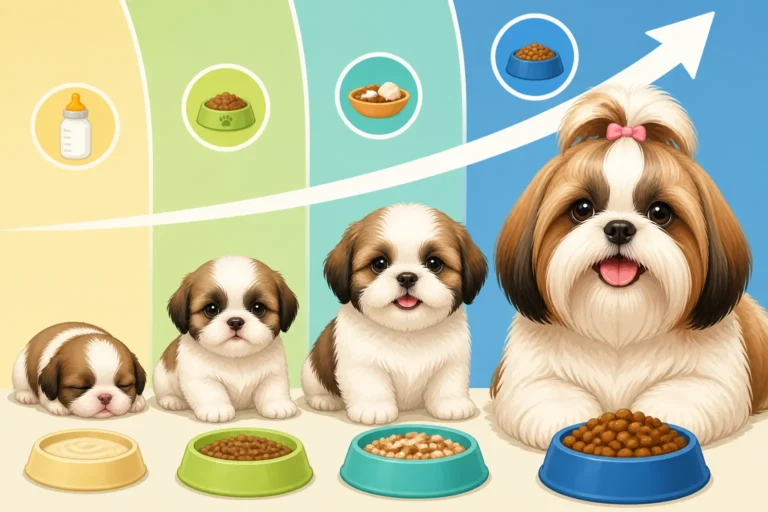
A Shih Tzu's nutritional needs change significantly throughout their life, and reputable dog food labels will offer formulas tailored to these different stages. Feeding the correct life stage formula is not just a suggestion; it's vital for supporting their health and development. You'll typically see "puppy," "adult," or "senior" explicitly stated on the bag, often with an accompanying AAFCO statement.
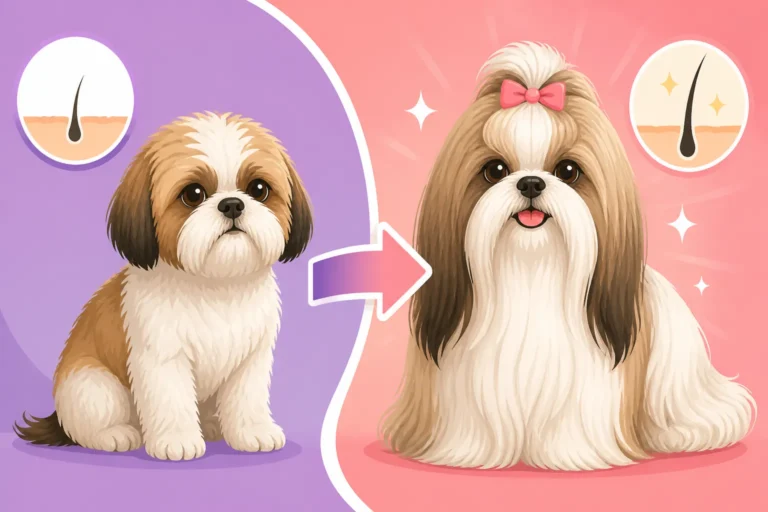
Puppy formulas are formulated with higher calories, protein, and specific ratios of calcium and phosphorus to support the rapid growth and development of a young Shih Tzu. Feeding a Shih Tzu Puppy Through Its Growth requires precise nutrition to build strong bones and muscles. Once they reach maturity, around 10-12 months, they transition to an adult maintenance formula, which provides balanced nutrients for their activity level without promoting excessive growth.
As your Shih Tzu enters their golden years, typically past the age of ten, their metabolism slows down, and they might become less active. Senior formulas are often lower in calories to help prevent obesity, which is a significant concern for aging dogs and can exacerbate joint problems. These foods might also include added joint support (like glucosamine and chondroitin, though always check the amounts) and easily digestible ingredients to accommodate an aging digestive system. Senior Shih Tzu Food After the Age of Ten often benefits from these specialized diets, which help maintain their vitality and comfort.
Avoiding the Hidden Nasties: What Not to See on the Label
Just as important as knowing what should be on your Shih Tzu's food label is recognizing what shouldn't be there. Many ingredients commonly found in lower-quality dog foods offer little to no nutritional value and can even be detrimental to your Shih Tzu's health, potentially leading to allergies, digestive upset, or long-term health issues. Becoming a detective about these "hidden nasties" empowers you to make truly healthy choices.
Artificial Colors, Flavors, and Preservatives: Why Natural is Better
Artificial colors are perhaps one of the most unnecessary additives in dog food. Dogs see in a more limited color spectrum than humans, so the vibrant reds, greens, and yellows are purely for human appeal, making the food look more appetizing to us. These dyes, like Red 40, Blue 2, and Yellow 5 & 6, have been linked to health concerns and hyperactivity in some animals and children. For your Shih Tzu, who relies on smell and texture rather than color to enjoy their meal, these additives provide no benefit and carry potential risks.
Similarly, artificial flavors, often vaguely listed as "natural flavors" without specific identification, can mask poor ingredient quality and potentially trigger sensitivities. True, identifiable ingredients should provide all the flavor your Shih Tzu needs. When it comes to preservatives, avoid synthetic ones like BHA, BHT, and ethoxyquin, which are controversial for their potential carcinogenic properties. Instead, look for natural preservatives like mixed tocopherols (a form of Vitamin E), ascorbic acid (Vitamin C), or rosemary extract.
Choosing foods free from these artificial additives is a simple step to safeguard your Shih Tzu's health. You want a food that relies on wholesome, recognizable ingredients for its appeal and longevity, not chemical shortcuts. Checking the labels carefully, especially when browsing options on Amazon or Chewy, can help you filter out products that don't meet these higher standards for natural ingredients.
Generic Ingredients and Fillers: Empty Calories for a Small Dog
One of the biggest red flags on a dog food label is the presence of generic or vague ingredients, particularly in the main ingredient list. Terms like "meat by-products" (without specifying the animal or part), "animal fat" (again, no specified animal), "poultry meal," or "animal digest" are concerning because they indicate a lack of transparency about the source and quality of the ingredients. These can vary from batch to batch, making it hard to predict how your Shih Tzu's digestive system will react.
"Fillers" are ingredients that add bulk but provide little to no nutritional value. Common examples include corn gluten meal (different from whole corn, which can be a healthy grain), cellulose (often used as a fiber source but can be low quality), and unspecified "by-products." While fiber is important, it should come from nutrient-rich sources like whole grains, fruits, and vegetables, not cheap, indigestible fillers. These empty calories can make your Shih Tzu feel full without truly nourishing them, potentially leading to overfeeding and weight gain. Shih Tzu Obesity on a Sixteen Pound Frame is a serious health concern, and a diet packed with fillers can contribute significantly to it.
For a small breed like the Shih Tzu, every calorie counts, and every bite should be packed with beneficial nutrients. Foods heavy in generic or filler ingredients might be cheaper per bag, but they can end up costing you more in vet bills and a less healthy, less happy dog in the long run. Always aim for clarity and specificity on the ingredient list to ensure your Shih Tzu is receiving purposeful nutrition, avoiding The Everyday Foods That Harm a Shih Tzu.
Key Label Details for Your Shih Tzu's Diet
Here's a quick overview of what to look for and what to be cautious about when reading your Shih Tzu's food label:
| Label Section | What to Look For (Good) | What to Be Cautious Of (Bad) | Why It Matters for Your Shih Tzu |
|---|---|---|---|
| First 5 Ingredients | Whole, named meats (chicken, salmon, lamb), named meat meals (chicken meal), specific organ meats. | Vague "meat" or "animal" terms, excessive plant proteins or starches. | High-quality, digestible protein is essential for muscle, coat, and energy. |
| Protein Source | Named meat meals, fresh muscle meat, specified organ meats. | Generic "meat by-products," "animal digest." | Ensures consistent, digestible protein; avoids digestive upset. |
| Carbohydrates | Whole grains (brown rice, oats), sweet potatoes, pumpkin. | Excessive legumes in grain-free diets, vague "cereal grains," corn gluten meal. | Provides sustained energy and fiber without potential allergy triggers (unless vet-advised grain-free). |
| Fats | Named animal fats (chicken fat), fish oil, flaxseed oil. | Generic "animal fat," hydrogenated oils. | Critical for skin, coat health, and energy; omega fatty acids reduce inflammation. |
| Fiber | Beet pulp, peas, apples, pumpkin, chicory root. | Cellulose, peanut hulls, low-quality fillers. | Aids digestion, prevents constipation, and supports anal gland health. |
| Preservatives | Mixed tocopherols (Vitamin E), ascorbic acid (Vitamin C), rosemary extract. | BHA, BHT, Ethoxyquin. | Avoids synthetic chemicals potentially linked to health issues. |
| Colors/Flavors | None, or naturally derived from ingredients. | Artificial colors (Red 40, Blue 2), artificial flavors. | Unnecessary additives that can cause sensitivities or hyperactivity. |
| Kibble Size | Small, flat, or uniquely shaped kibble for toy/brachycephalic breeds. | Large, hard-to-grasp kibble. | Facilitates eating for undershot bite, reduces choking risk. |
| Life Stage | "Complete & Balanced for All Life Stages," "Puppy," "Adult," "Senior." | No AAFCO statement, incorrect life stage for your dog. | Ensures appropriate nutrient levels for growth, maintenance, or aging. |
Disclaimer
This article is for general informational purposes only and does not constitute professional advice. Laws, prices and regulations vary by location and change over time. Consult a qualified professional for guidance on your specific situation.