Whether a Short Shih Tzu Cut Risks Sunburn
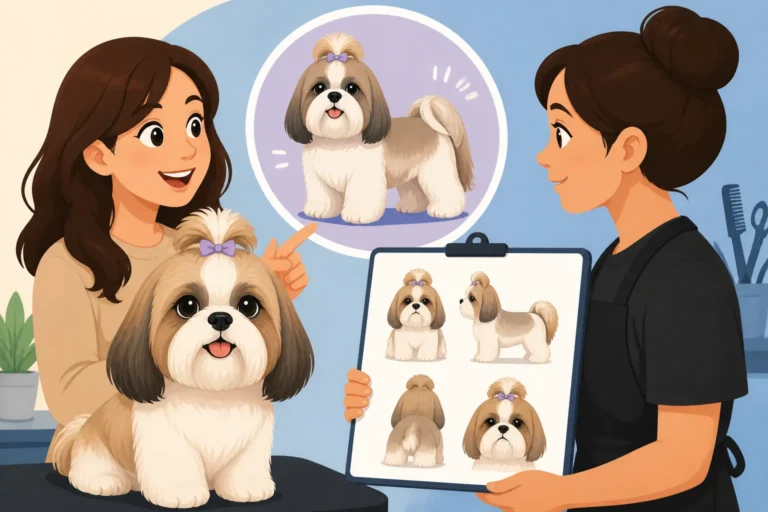
Many Shih Tzu owners adore the convenience and adorable look of a short "puppy cut" for their furry companions, especially when the weather warms up. However, a common worry is whether this shorter coat leaves their delicate skin vulnerable to the sun's harsh rays. This guide will explore the protective role of your Shih Tzu's natural coat, outline the risks associated with sun exposure on a clipped coat, and provide actionable strategies to keep your little lion dog safe and comfortable, no matter their haircut.
Understanding the Shih Tzu's Natural Coat as a Sun Shield
Your Shih Tzu's magnificent double coat isn't just for show; it's a marvel of natural engineering designed to protect them from the elements. This coat consists of two distinct layers, each playing a crucial role in regulating body temperature and safeguarding their skin. When you trim this natural armor, you change its protective capabilities significantly.
The Double Coat's Insulation and Protection
The outer layer, or guard hairs, is typically longer, coarser, and somewhat water-resistant. Its primary job is to repel dirt, debris, and moisture, acting like a natural shield. Beneath this, you'll find a softer, denser undercoat. This fluffy layer traps air, providing insulation that keeps your Shih Tzu warm in winter and surprisingly cool in summer. Think of it like a thermos: it helps maintain a stable temperature, preventing rapid heat gain or loss. More importantly, both layers together create a physical barrier against direct sunlight, much like wearing a wide-brimmed hat or a long-sleeved shirt yourself. They block UV radiation from reaching the skin, preventing sunburn. This is a topic we delve into more deeply in Choosing Between a Full Coat and a Puppy Cut.
How a Short Cut Changes the Game
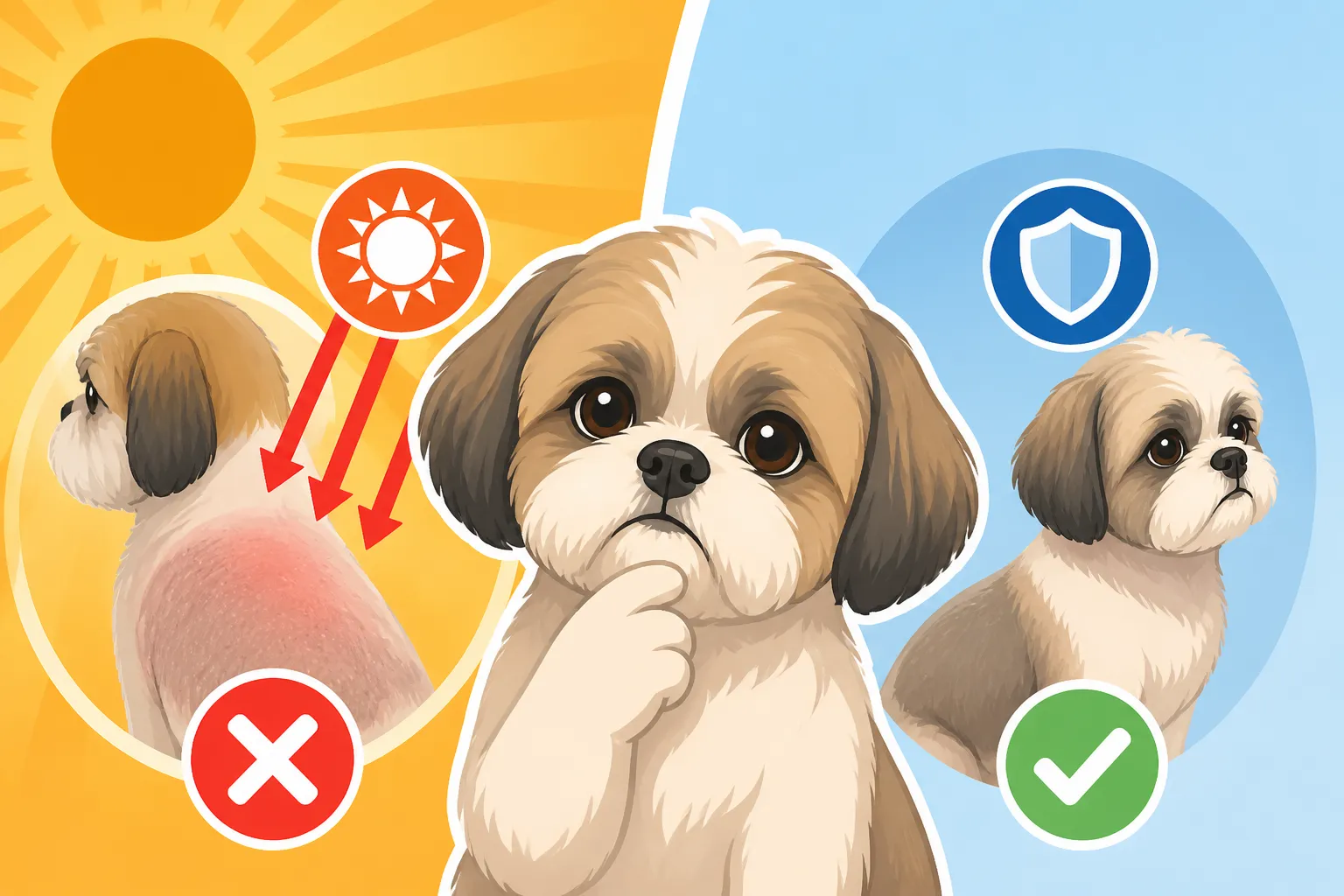
When you opt for a short "puppy cut" or a shave-down, you're essentially removing a significant portion, or even all, of this natural UV protection. While a short cut might feel cooler to you, it exposes the skin directly to the sun. This is particularly true if the cut is very close, leaving little to no hair to filter the UV rays. Just as a light-skinned person sunburns faster than someone with naturally darker skin, a Shih Tzu with a pale coat and underlying pink skin will be more susceptible to sunburn when their protective fur is gone. This exposure can lead to not just uncomfortable burns, but also long-term skin damage, including an increased risk of skin cancers over time. It's a trade-off many owners don't fully consider when choosing a stylish, low-maintenance clip.
Identifying Sunburn Risk Factors for a Short-Haired Shih Tzu
Even with a short coat, not all Shih Tzus face the same level of sunburn risk. Several factors can increase their vulnerability, and understanding these can help you better protect your pet. It's not just about how short the hair is; it's about the entire picture of their daily life and physical characteristics.
Coat Color and Skin Pigmentation
One of the most significant factors is your Shih Tzu's coat color and underlying skin pigmentation. Dogs with lighter-colored coats (like white, cream, or light gold) often have pinker, less pigmented skin underneath. This skin is far more susceptible to sunburn than the darker, more pigmented skin found under black, dark brown, or brindle coats. Imagine the difference between fair skin and olive skin in humans; the principle is similar. Areas with naturally thinner hair, regardless of overall coat length, are also high-risk zones. This includes their belly, inner thighs, nose bridge, ear tips, and around the eyes. These spots are often overlooked but can burn severely. Shih Tzu Nasal Fold Dermatitis can also worsen with sun exposure, leading to increased irritation.
Outdoor Activity Levels and Environment
The amount of time your Shih Tzu spends outdoors, and the intensity of that exposure, directly impacts their sunburn risk. A Shih Tzu that enjoys short, supervised potty breaks in a shaded yard is at far less risk than one that spends hours lounging on a sunny patio or accompanying you on long walks during peak sunlight hours. Geographic location also plays a role; UV indices are higher in sunny climates and at higher altitudes. Even cloud cover doesn't guarantee safety, as UV rays can still penetrate clouds. Owners need to be mindful of peak UV hours, typically between 10 AM and 4 PM, when the sun's rays are strongest. Combining a short coat with prolonged sun exposure is a recipe for trouble, not just for sunburn but also for overheating, which is a major concern for this brachycephalic breed, as discussed in Why a Shih Tzu Overheats So Easily.
Specific Health Conditions and Medications
Certain health conditions and medications can also increase a Shih Tzu's sensitivity to the sun. Dogs with compromised immune systems, skin allergies, or dermatological issues may have thinner skin or be more prone to inflammation, making them more vulnerable to sun damage. For instance, a Shih Tzu experiencing Shih Tzu Skin Allergies and Hot Spots might have areas of skin already irritated and exposed, which the sun will only exacerbate. Furthermore, some medications, including certain antibiotics, antifungals, and even some anti-inflammatory drugs, can cause photosensitivity, meaning they make the skin more reactive to sunlight. Always ask your veterinarian if any prescribed medications might have this side effect, especially if your Shih Tzu has a short coat and spends time outdoors.
Practical Steps to Protect Your Short-Coated Shih Tzu from the Sun
Even if your Shih Tzu sports a stylish short cut, you can absolutely keep them safe from the sun. It just requires a bit of proactive planning and adopting a few simple habits. Protecting their delicate skin is paramount for their comfort and long-term health.
Smart Schedule and Shade Management
The easiest way to prevent sunburn is to control when and where your Shih Tzu is exposed to the sun. Plan outdoor activities for early mornings or late evenings, avoiding the peak UV hours of 10 AM to 4 PM. Even a quick potty break during these times can lead to a burn on sensitive areas if they're left unprotected. If your Shih Tzu needs to be outside, ensure there is ample, accessible shade. This isn't just about covering them from direct sun; it's also about keeping them cool overall. A shaded area can be significantly cooler than direct sunlight, helping to prevent both sunburn and dangerous overheating. This strategy is also crucial for The Outdoor Temperature Limit for a Shih Tzu. If you have a yard, consider setting up a small canopy or an umbrella in their favorite outdoor spot.
Sun-Protective Apparel and Accessories
Yes, pet clothing can be functional, not just fashionable! For a short-coated Shih Tzu, specially designed sun-protective clothing offers an excellent barrier. Look for lightweight fabrics with a high UPF (Ultraviolet Protection Factor) rating. These can range from full-body suits to shirts that cover their back and sides. While a full coat helps insulate, a thin, breathable UPF shirt can protect exposed skin without adding excessive heat. For their sensitive faces, especially the nose bridge and ear tips, consider dog-specific hats or visors that offer some shade. Remember, the goal is to create a physical barrier between the sun and their skin. You can find a good selection of these items on platforms like Chewy or Amazon, making it easy to outfit your pup for sun safety.
Pet-Safe Sunscreen Application
Just like humans, dogs can benefit from sunscreen, but it's crucial to use products specifically formulated for pets. Human sunscreens often contain ingredients like zinc oxide and para-aminobenzoic acid (PABA) which are toxic if ingested by dogs. Since Shih Tzus are prone to licking, choosing a vet-approved, pet-safe sunscreen is non-negotiable. Apply sunscreen liberally to all exposed skin areas, paying special attention to the nose, ear tips, belly, inner thighs, and any areas where the coat is thinnest or has been clipped very short. Reapply frequently, especially after swimming or if your Shih Tzu has been licking the area. Introduce it slowly, making it a positive experience with treats, so your Shih Tzu associates it with something good.
Here's a quick comparison of sun protection methods:
| Method | Pros | Cons | Best For |
|---|---|---|---|
| Natural Full Coat | Best overall protection, natural temperature regulation | High grooming needs, can be warm if not maintained, matting risk | Year-round protection, traditional Shih Tzu look |
| Shade & Timing | Free, simple, effective | Restricts outdoor time, requires owner vigilance | Everyday protection, brief outdoor stints |
| Sun-Protective Apparel | Direct skin barrier, stylish options | Can be warm if not breathable, requires acceptance by dog, cost | Extended outdoor play, specific activities |
| Pet-Safe Sunscreen | Targets specific exposed areas, portable | Requires frequent reapplication, risk of ingestion, cost | Highly exposed areas (nose, ears, belly) |
When to Consult Your Vet About Sun Exposure and Skin Health
Even with the best preventative measures, sometimes things go awry, or you might notice something concerning about your Shih Tzu's skin. Knowing when to call your veterinarian is crucial for addressing potential issues promptly and preventing them from becoming more serious.
Recognizing Signs of Sunburn
A sunburn on a Shih Tzu can look much like a sunburn on a person. The affected skin may appear red, inflamed, and tender to the touch. In more severe cases, you might see blistering, peeling, or even open sores. Your dog might show signs of discomfort, such as excessive licking, scratching, or rubbing the affected areas. They might also shy away from being touched, especially on their back or belly. If you notice any of these signs, especially if they are severe or widespread, it's time to contact your vet. Early intervention can prevent secondary infections and alleviate your dog's pain. Always be on the lookout for Sores a Shih Tzu Chews Into Its Own Skin, as these can quickly become infected.
Dealing with Chronic Sun-Related Skin Issues
Sometimes, the effects of sun exposure aren't just an acute burn. Chronic exposure can lead to more persistent skin problems. This might manifest as dry, flaky skin, recurrent hot spots in sun-exposed areas, or even changes in skin texture or color over time. For Shih Tzus, who already have sensitivities, issues like Pigmentary Keratitis in a Shih Tzu can sometimes be exacerbated by UV light reflecting off their skin into their eyes, though it's more about eye health than skin. If you observe any lasting skin abnormalities, a vet visit is essential. They can diagnose the underlying issue, rule out other dermatological conditions, and recommend appropriate treatments, which might include medicated shampoos, topical creams, or even dietary supplements. Brands like Ollie might offer specialized diets that support skin health, but always discuss with your vet first.
Proactive Skin Checks and Preventative Care
Beyond reactive care, it’s a good practice to perform regular, proactive skin checks on your Shih Tzu, particularly if they have a short coat or spend time outdoors. Gently part their fur and examine their skin for any redness, bumps, scabs, or unusual lesions. Pay close attention to areas that get more sun exposure. If you find anything suspicious, don't hesitate to consult your vet. They can advise on the best preventative strategies, including appropriate sunscreens, protective gear, and even dietary changes or supplements if needed. For a breed already prone to skin issues, being vigilant is one of the best forms of love you can offer. Regular discussions with your vet about their skin health can help catch potential problems early and keep your Shih Tzu feeling their best, whether they have a full flowing coat or a sassy short cut.
Disclaimer
This article is for general informational purposes only and does not constitute professional advice. Laws, prices and regulations vary by location and change over time. Consult a qualified professional for guidance on your specific situation.