Mats Under a Shih Tzu’s Front Legs
Few things are more disheartening than running your fingers through your beloved Shih Tzu's silky coat, only to hit a solid, painful mat, especially in those tricky spots like under their front legs. It's a common struggle for many Shih Tzu parents, and it can feel overwhelming to tackle without causing your furry friend discomfort. This comprehensive guide will walk you through exactly why these mats form, how to prevent them, and the safest, most effective ways to remove them, ensuring your Shih Tzu stays happy and comfortable.
Why Mats Are So Stubborn Under Your Shih Tzu's Front Legs
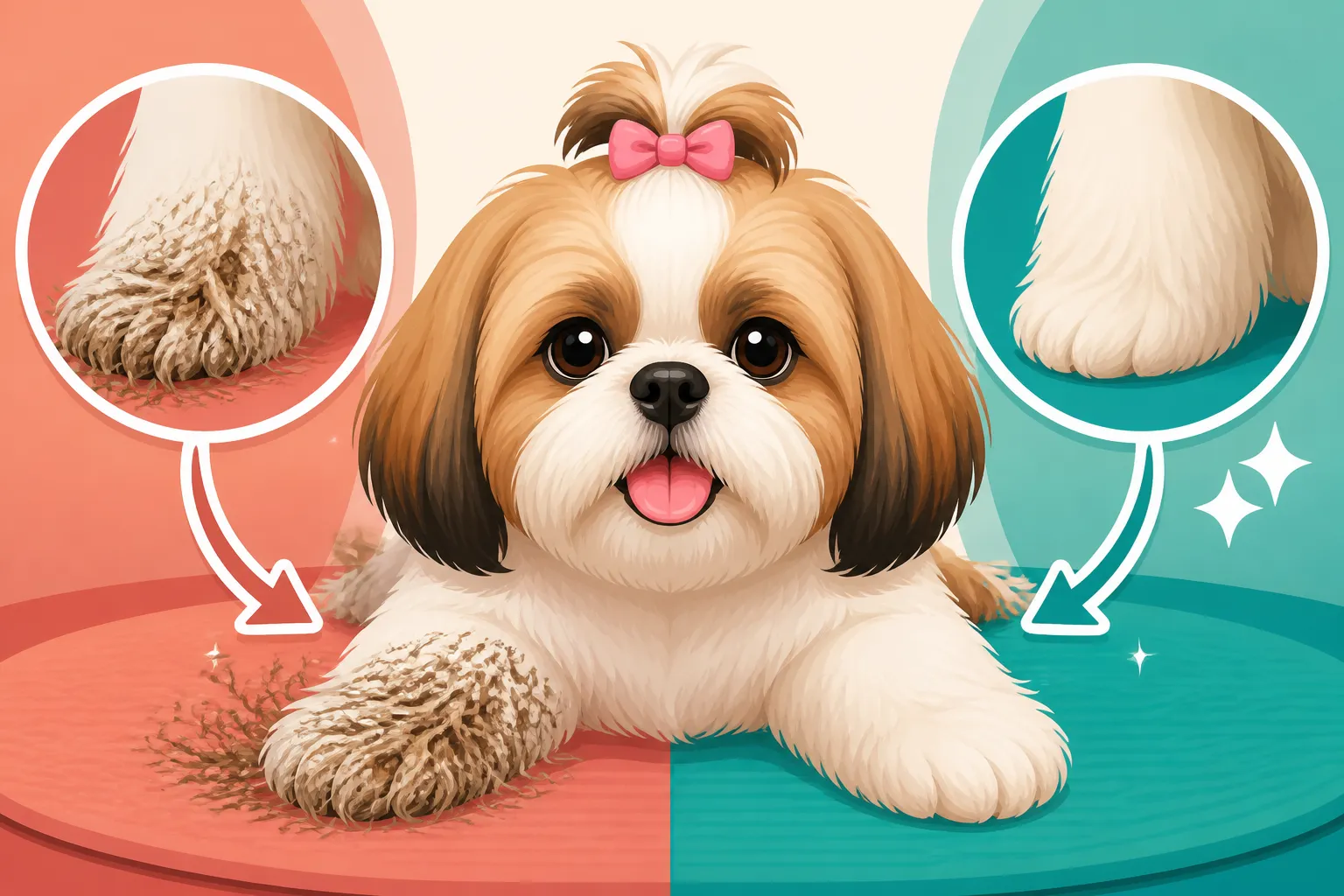
The area under your Shih Tzu's front legs, often called the "armpit" or chest area, is a notorious hotspot for matting. It’s not just bad luck; there are several very good reasons why mats seem to gravitate to this particular region, making it a constant battleground for their long, flowing coats. Understanding these factors is the first step toward effective prevention and care.
The Constant Friction and Movement
Think about how much your Shih Tzu moves in a day. Every step they take, every time they lie down, stand up, or even just shift their weight, their front legs are constantly rubbing against their body. This repetitive friction is a primary culprit for mat formation. Shih Tzus have a glorious, luxurious double coat, consisting of a softer, downy undercoat and a longer, silkier outer coat. This combination is beautiful, but it's also a mat magnet. When these delicate hairs rub together repeatedly, especially with the added pressure of movement, they become tangled. The undercoat often starts the process, clinging to itself, and then the outer coat gets woven into the knot, making it tighter and more difficult to separate.
It’s like trying to untangle a ball of yarn after it's been repeatedly squashed and stretched; the fibers just intertwine more tightly. This is particularly true for active Shih Tzus, who are always on the go, exploring, playing, or simply padding around the house. The more they move, the more that hair in the armpit area gets agitated and woven together.
Moisture, Dirt, and Debris Traps
Another major reason these mats form under the front legs is the unfortunate reality that this area is a magnet for moisture, dirt, and various bits of debris. Because Shih Tzus are low to the ground, their long coats can easily pick up anything from the floor or yard. When your little one goes out for a potty break, their chest and belly can often brush against wet grass or puddles, even in just a light dew. This moisture, when combined with the thick hair in the armpit, creates a perfect breeding ground for mats. Wet hair tangles far more easily than dry hair, and if it dries into a tangled mess, a mat is almost guaranteed.
Beyond just moisture, everyday environmental factors play a huge role. Dust bunnies under the furniture, stray leaves from outside, bits of kibble that didn't make it into their mouth, or even just general dirt can all get caught in the fine hairs of the armpit. Once these particles are trapped, they act as anchors, helping to bind the hairs together and accelerating the matting process. Furthermore, this area is often where tear stains and saliva can accumulate, especially if your Shih Tzu has a habit of licking their paws and then transferring moisture to their chest or underarms. All these elements combined turn a simple rub into a dense, painful mat in no time at all.
Essential Tools and Techniques for Prevention
Preventing mats under your Shih Tzu's front legs is far easier and less painful than trying to remove them once they've taken hold. It requires consistency, the right tools, and a little bit of know-how. Think of it as a proactive defense strategy for their beautiful coat!
Daily Brushing – Your First Line of Defense
This cannot be stressed enough: daily brushing is the absolute cornerstone of mat prevention for any Shih Tzu, especially in high-friction areas like the armpits. It's not enough to just give their back a quick once-over; you need to be thorough and intentional. Begin by gathering your essential tools: a good quality slicker brush and a steel greyhound comb are indispensable. You'll also want a detangling spray, which can be easily found on platforms like Chewy or Amazon.
To properly brush the armpit area, gently lift one of your Shih Tzu's front legs. Start at the very bottom of the hair, near the skin, and work your way outwards in small sections, using your slicker brush. Imagine you're trying to part the hair down to the skin, then gently brush outwards. Once you've brushed a section, use your steel comb to "comb check" it. The comb should glide smoothly through the hair from root to tip. If it snags, you've missed a tangle, and you need to go back with your slicker brush and potentially some detangling spray to work it out gently. Pay extra attention to the very top of the armpit, where the leg meets the chest, as this is where friction is highest. A quick spritz of detangling spray before you start can make the process much smoother, especially if you're dealing with a slightly resistant coat. Remember, even if you feel like you're Brushing a Full Coat Shih Tzu Every Single Day, it's truly the best way to keep these tricky areas clear. You might also want to look into Which brush Reaches a Shih Tzu Undercoat to ensure you're getting through both layers of that glorious coat.
Strategic Trimming and Professional Help
Sometimes, even with diligent daily brushing, those armpit mats just keep coming back. In these cases, strategic trimming can be a lifesaver. You don't have to sacrifice your Shih Tzu's beautiful long coat all over, but you can opt for a shorter trim specifically in the high-friction zones. This might mean a "sanitary trim" that extends a bit further up into the armpit, or a slightly shorter "puppy cut" in that localized area, even if the rest of the coat remains longer. A shorter length significantly reduces the hair available to tangle and mat. Discuss this with your professional groomer; they can expertly blend the shorter armpit hair into the longer surrounding coat so it looks natural and neat. For more on coat length options, check out Choosing a Puppy Cut Length for a Shih Tzu.
Professional groomers are invaluable partners in this battle. They have the specialized tools and experience to thin the undercoat in these prone areas, which can drastically reduce matting risk without affecting the overall appearance of the coat. Regular grooming appointments, ideally every four to six weeks, are crucial. During these sessions, your groomer will not only address any existing mats but also prevent new ones from forming. They are experts at Grooming a Shih Tzu Every Four to Six Weeks, understanding the nuances of the Shih Tzu double coat and knowing exactly where mats are most likely to hide. Don't underestimate the power of a professional eye and hand in maintaining a mat-free coat, especially in those hard-to-reach or tricky areas.
Harness Choices and Clothing Considerations
The right gear can make all the difference. An ill-fitting harness is a prime culprit for creating mats under your Shih Tzu's front legs. If the straps are too loose, they can chafe and rub, bunching up the hair. If they're too tight, they can press the hair against the skin, creating constant friction. The material of the harness also plays a role; rough fabrics can be more abrasive than smooth, soft ones. Opt for a harness designed for small breeds, with soft, breathable materials and adjustable straps that allow for a snug but not tight fit. Check out our guide on Harnesses That Do Not Mat a Shih Tzu Coat for specific recommendations. Always ensure you can fit two fingers comfortably under the straps.
Beyond harnesses, dog clothing can also contribute to matting if not managed properly. While a cute sweater or jacket can keep your Shih Tzu warm, especially if they have a shorter coat, it's crucial to ensure the fabric isn't constantly rubbing or compressing the hair in sensitive areas. Always remove clothing when your dog is indoors for extended periods, and brush your Shih Tzu thoroughly before and after they wear any garments. Check the armpit area diligently after walks or play sessions while wearing clothes to catch any nascent tangles before they turn into full-blown mats.
Gentle and Safe Mat Removal Strategies
Finding a mat under your Shih Tzu's front leg can be daunting, but it's crucial to approach mat removal with patience and gentleness. Rushing the process or using aggressive techniques can cause your dog significant pain, skin damage, and even make them fearful of future grooming sessions.
Never Pull or Cut a Mat Blindly
Let's get this straight from the start: never, ever try to yank a mat out of your Shih Tzu's coat. This is incredibly painful for them and can seriously damage their delicate skin. The skin in the armpit area is particularly thin and loose, making it highly susceptible to tears. Imagine having your hair tightly pulled and yanked; that's what your dog experiences.
Similarly, resist the urge to grab a pair of scissors and try to cut a mat out if you can't see the skin clearly. This is a common mistake that often leads to accidental nicks or cuts. The mat can be so tight against the skin that you can't tell where the hair ends and the skin begins. Many Shih Tzus have ended up at the vet with painful lacerations from owners trying to snip out mats blindly. This risk is especially high in the armpit area due to the loose skin. If you can't see the skin, don't use scissors. Your Shih Tzu's safety and comfort are paramount.
De-matting Techniques for Small Mats
For smaller, less severe mats, you can often tackle them at home with the right technique and a good dose of patience. Your toolkit should include a detangling spray (products from brands like Chewy or Amazon often carry effective ones), your slicker brush, and a sturdy steel comb with both wide and fine teeth.
Here's a step-by-step approach:
- Spray the Mat: Liberally apply a good quality detangling spray directly onto the mat. Let it sit for a minute or two to penetrate and loosen the hair. You can find excellent options for Detangler Sprays That Work on a Shih Tzu online.
- Finger Work: Gently try to pull the mat apart with your fingers, starting from the outermost edges and working inward. Try to separate small clumps of hair rather than trying to pull the whole mat apart at once.
- Use the Wide-Toothed Comb: Once you've loosened the mat somewhat with your fingers, take the wide-toothed side of your steel comb. Hold the hair between the mat and your Shih Tzu's skin with one hand to minimize pulling on the skin. This is called "anchoring" the hair. Now, with the other hand, gently comb through the very tip of the mat. Work slowly, picking at the mat from the outside edges, one small section at a time. It's not about pulling the comb through the mat, but rather teasing the strands apart.
- Slicker Brush: As the mat starts to loosen, switch to your slicker brush. Use short, gentle strokes, still working from the outside in, and always anchoring the hair near the skin.
- Fine-Toothed Comb: Once the mat feels significantly looser and you can get the wide-toothed comb through it, switch to the fine-toothed side of your steel comb to ensure all tangles are gone. Again, it should glide through smoothly.
If your Shih Tzu shows any signs of discomfort—yelping, pulling away, or trying to bite—stop immediately. This indicates the mat is either too painful to work on at home or you're pulling too hard. Patience is key. Breaking Working a Shih Tzu Coat in Sections can also help manage the process more effectively.
When to Call the Professional Groomer
There's no shame in knowing when a mat is beyond your capabilities. In fact, calling in a professional groomer is often the kindest and safest choice for your Shih Tzu. If a mat is large, solid, tightly packed against the skin, or if your dog is clearly in pain when you try to touch it, it's time for professional help.
Severe mats can be incredibly uncomfortable, restricting movement and pulling on the skin with every step. They can also hide significant skin irritation, inflammation, and even active infections underneath. A professional groomer has specialized tools, like powerful clippers with various blade lengths, that allow them to safely and efficiently shave out even the most stubborn mats without causing discomfort or injury. They are trained to locate the skin beneath the mat and carefully work the clippers underneath, effectively "peeling" the mat away. This is often the quickest and least stressful option for a severely matted Shih Tzu. Be aware that heavily matted dogs often incur extra charges due to the time and skill required. For more on this, you can look up Why a Matted Shih Tzu Costs More to Groom. Don't delay seeking professional help; the longer a mat stays, the tighter and more painful it becomes, and the higher the risk of underlying skin issues. Sometimes, When a Shih Tzu Mat Has to Be Shaved Out, it's truly the only humane option.
The Health Implications of Neglected Underarm Mats
While often seen as a cosmetic issue, neglected mats under your Shih Tzu's front legs can lead to a host of painful and serious health problems. It's not just about looking untidy; it's about your dog's comfort, health, and overall well-being.
Skin Irritation, Hot Spots, and Infections
Imagine having a tight, sticky wad of gum stuck to your skin, constantly pulling and pinching. That's a fraction of what a severe mat feels like to your Shih Tzu. These mats don't just pull on the hair; they pull on the skin itself, causing constant tension and irritation. This continuous pulling can lead to redness, inflammation, and a condition known as mat burns, where the skin becomes raw and sore.
Furthermore, mats restrict airflow to the skin. The dense, matted hair traps moisture—from sweat, bathing, or environmental dampness—and creates a warm, humid environment that is perfect for bacteria and yeast to flourish. This often leads to secondary skin infections and the dreaded "hot spot." Hot spots (acute moist dermatitis) are rapidly developing, painful, red, and oozing skin lesions that your Shih Tzu will obsessively lick, chew, and scratch, only making the problem worse. These can become incredibly widespread very quickly. It's a vicious cycle where the mat causes irritation, the dog licks, the moisture increases, and the infection deepens. Untreated, these infections can become severe, requiring veterinary intervention with antibiotics and anti-inflammatories. You can learn more about Shih Tzu Skin Allergies and Hot Spots and Sores a Shih Tzu Chews Into Its Own Skin for further details.
Pain, Restricted Movement, and Behavioral Changes
Beyond skin issues, neglected mats can profoundly impact your Shih Tzu's physical comfort and behavior. A large, tight mat under the armpit can literally "anchor" the leg to the body, making it incredibly painful for your dog to move naturally. Simple actions like walking, running, stretching, or even lying down comfortably can become agonizing. This restricted movement can lead to an altered gait, poor posture, and even joint strain as your dog tries to compensate for the discomfort. Imagine trying to walk with your arm taped tightly to your side; it limits every movement.
The constant pain and discomfort from mats can also lead to significant behavioral changes. A previously friendly and outgoing Shih Tzu might become withdrawn, lethargic, or even aggressive when touched, especially around the matted areas. They may resist being picked up or petted, and grooming sessions can become a nightmare for both of you. They might lose interest in play or walks because moving is simply too painful. This isn't stubbornness; it's a cry for help. If your Shih Tzu is showing reluctance to move or a sudden change in temperament, especially around grooming, it's crucial to check for mats that could be causing them significant pain. Addressing the mats is not just about aesthetics; it's about restoring their quality of life.
Here's a quick comparison of common grooming tools to help you keep those mats at bay:
| Tool | Best For | Benefits | Considerations |
|---|---|---|---|
| Slicker Brush | Removing tangles, loose hair, separating coat | Effectively gets through double coat, good for general dematting | Can be harsh if used improperly, choose one with coated tips for comfort |
| Steel Comb | Checking for tangles, finishing work, precise dematting | Essential for finding hidden mats, works well with detangling spray | Needs to be used gently, especially the fine-toothed side, can pull if not careful |
| Detangling Spray | Lubricating hair, loosening mats | Makes brushing easier, reduces hair breakage, adds moisture to dry coats | Choose one specifically for dogs, ensure it's non-irritating, avoid getting in eyes |
| Blunt-Tip Scissors | Carefully cutting away from skin, emergency trim | For very small, accessible mats only when skin is clearly visible | HIGH RISK OF INJURY if used improperly, never cut towards skin, avoid entirely if unsure |
| Demating Rake/Tool | Breaking up large, dense mats | Can work through tough mats, saves time | Can cut healthy hair, must be used with extreme caution and proper technique to avoid pain |
Disclaimer
This article is for general informational purposes only and does not constitute professional advice. Laws, prices and regulations vary by location and change over time. Consult a qualified professional for guidance on your specific situation.