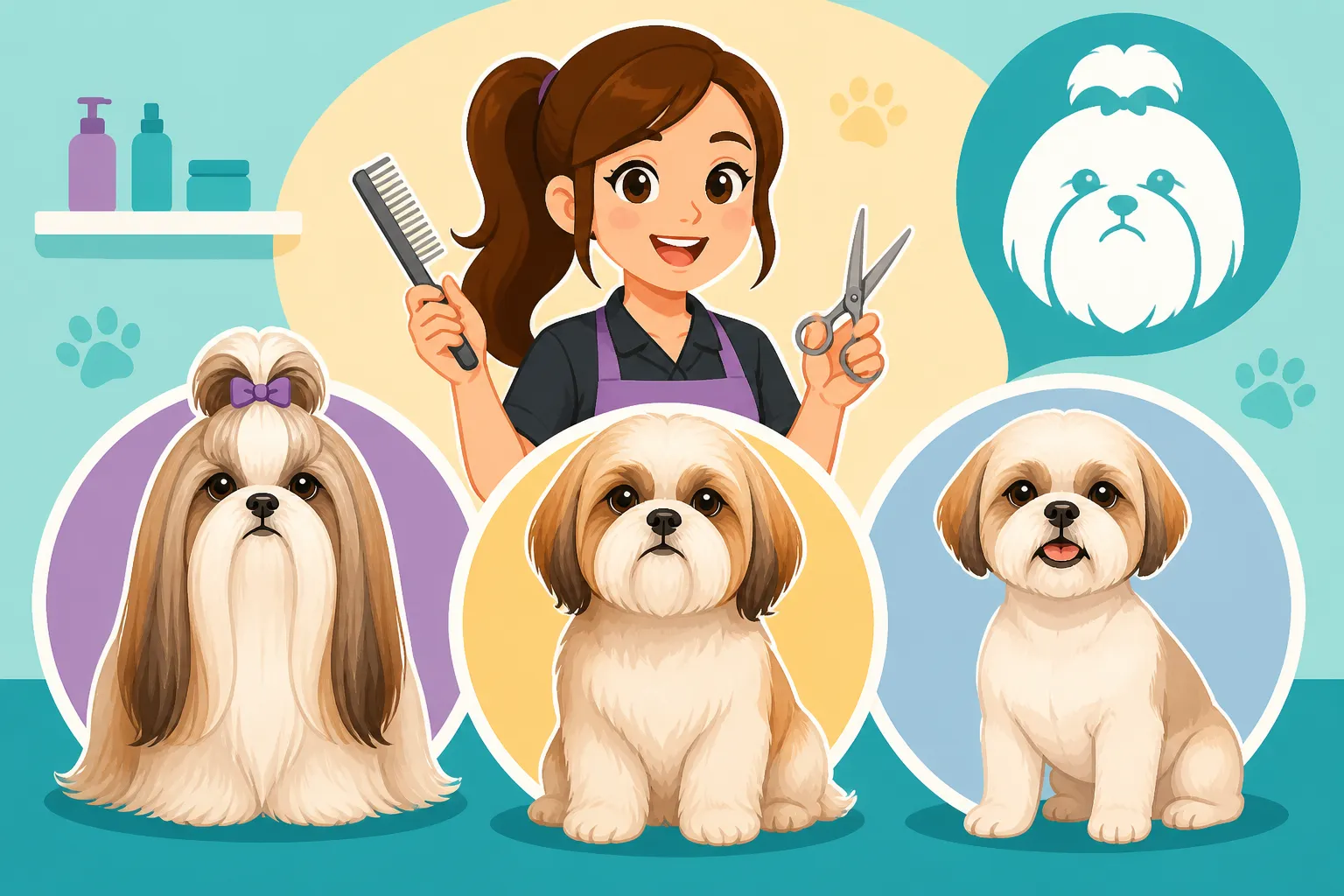
Shih Tzu Coat Length Options at the Groomer
One of the biggest joys, and sometimes the biggest headaches, of having a Shih Tzu is managing that magnificent coat. Many owners find themselves staring at their fluffy companion, then at a photo of a perfectly groomed show dog, and then wondering how on earth to bridge the gap, often feeling overwhelmed by the sheer number of coat length options available at the groomer. This guide is here to walk you through the various popular coat length choices, explaining the realities behind each, so you can confidently decide what's best for your precious pup and your lifestyle.
Understanding the Shih Tzu Double Coat and Its Demands
Before we dive into different styles, it’s crucial to truly understand what you're working with when you have a Shih Tzu. Their coat isn't just "hair"; it's a complex, multi-layered system that serves several purposes, and it's also the source of both their regal beauty and many owners' grooming woes. This understanding is the first step towards making informed decisions about their coat length.
The Nature of the Shih Tzu Coat: Outer and Undercoat
Your Shih Tzu sports what's known as a double coat. Imagine it as two distinct layers working together. The outer coat consists of long, silky guard hairs. These are the hairs you see, the ones that flow beautifully when kept long, giving the Shih Tzu its iconic appearance. Underneath these elegant guard hairs lies a softer, woollier undercoat. This denser layer is designed for insulation, keeping them warm in cold weather and providing a bit of protection from the sun in warmer climates. The interplay between these two layers is what makes the Shih Tzu coat so unique, and also so prone to tangles and mats if not properly maintained.
Many people think of "dog hair" as all the same, but with a Shih Tzu, it's a whole different ballgame. The texture difference between the silky outer coat and the cottony undercoat is significant. When these two textures meet, especially during shedding cycles where the undercoat tries to escape, they grab onto each other, creating knots that quickly escalate into serious mats. It’s not just a matter of aesthetics; these mats can cause real discomfort and even pain for your dog, pulling at their skin with every movement.
Why a Shih Tzu Double Coat Mats So Fast
If you've ever thought your Shih Tzu's coat seemed to mat overnight, you're not alone – it really can feel that way! The truth is, the double coat structure, combined with their naturally long hair, creates a perfect storm for matting. Every time your Shih Tzu rolls, plays, or even just sleeps, those two layers of hair are rubbing against each other, twisting and knotting. Add to that any moisture – a damp face after drinking, a walk in the rain, or even just a humid day – and you have an accelerator for mat formation. Areas of high friction, like behind the ears, under the legs, around the collar, and where a harness sits, are notorious hotspots.
It’s an ongoing battle, and it's one of the primary frustrations new Shih Tzu owners express. You might have just brushed your dog thoroughly, and a few hours later, feel a little tangle forming already. This isn't a sign you're doing anything wrong; it's simply the nature of the breed's coat. That's why consistent daily brushing, even for just a few minutes, is non-negotiable, especially if you plan to keep any significant length on their coat. Without it, those tiny tangles snowball into dense, painful mats quickly. This phenomenon is why posts like Why a Shih Tzu Double Coat Mats So Fast and How Many Days Before a Shih Tzu Mats resonate so much with our community.
The Importance of Regular Grooming, Regardless of Length
Whether you decide on a flowing full coat or a super short "puppy cut," regular professional grooming is an absolute must for a Shih Tzu. Think of your groomer as a partner in your dog's health and comfort, not just someone who makes them look pretty. Professional groomers have the right tools, knowledge, and experience to handle the intricacies of a Shih Tzu coat, from thoroughly bathing and drying to safely tackling mats and maintaining proper hygiene.
Even if you meticulously brush at home, a professional groomer can achieve a deeper clean, reach those hard-to-get-to spots, and ensure the coat is completely dry to prevent future matting. They also check for skin issues, ear infections, and nail length, which are all vital aspects of your Shih Tzu's overall well-being. Trying to skip professional grooms for too long almost always results in a heavily matted dog that requires a complete shave down, which can be stressful for the dog and more costly for you in the long run. Regular visits keep the coat manageable and your dog happy. For more on this, you might find Grooming a Shih Tzu Every Four to Six Weeks helpful.
Exploring Shih Tzu Coat Length Options: From Full to Puppy Cut
Now that we understand the foundations of the Shih Tzu coat, let's explore the various styles you can request at the groomer. Each option comes with its own aesthetic, maintenance requirements, and practical considerations, so it’s not just about what looks cute, but what truly fits your lifestyle and your dog’s comfort.
The Classic Full Coat: A High-Maintenance Dream
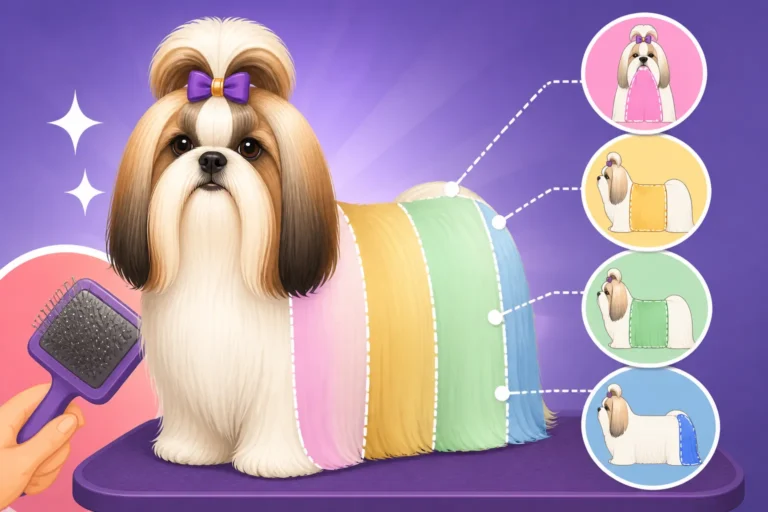
Ah, the full coat – the iconic, floor-length cascade of hair that many people picture when they think of a Shih Tzu. This is the traditional show ring look, a truly majestic and beautiful presentation that highlights the breed's regal heritage. The hair is typically grown long enough to reach the floor, often parted down the back, with a distinctive topknot to keep the hair out of the eyes. This look is undoubtedly stunning, but it's not for the faint of heart, or for every household.
Achieving and maintaining a full coat requires an extraordinary level of dedication. We're talking daily, sometimes twice-daily, brushing sessions that can last 30 minutes or more. Every strand needs to be detangled, and the coat needs to be kept meticulously clean and free of knots. Even minor neglect can lead to severe matting that compromises the dog's comfort. This is why you'll often see show dogs with their coats "wrapped" in special papers or foils when not in the ring, to protect the delicate hair from breakage and dirt. For the committed owner, it's a labor of love that results in a breathtaking companion, but it's essential to go into it with eyes wide open about the time and effort involved. For a deeper dive into this, check out Brushing a Shih Tzu Double Coat Every Day.
The Ever-Popular Puppy Cut: Practicality Meets Adorability
For most pet Shih Tzus, the "puppy cut" is the reigning champion of styles, and for good reason! This delightful cut involves clipping the entire body to a uniform, shorter length, usually between half an inch to two inches, while often leaving the face slightly fuller and rounded for that eternally youthful, teddy bear look. It's incredibly practical, adorable, and drastically reduces the daily grooming burden. Many owners find this to be the perfect compromise between the Shih Tzu's inherent fluffiness and the need for a manageable coat.
The benefits of a puppy cut are numerous. Firstly, it makes home grooming significantly easier. While regular brushing is still necessary to prevent mats, those quick tangles don't turn into painful, skin-tight mats as rapidly or severely as they do with a full coat. This means less time struggling with a comb and more time playing. Secondly, it helps keep your dog cleaner. Less hair means less dirt, leaves, and debris getting caught in the coat, especially after outdoor adventures. Lastly, for flat-faced breeds like the Shih Tzu, a shorter coat can sometimes aid in better air circulation around the body, potentially helping them stay a little cooler, though it doesn't solve their brachycephalic breathing challenges. It also allows owners to use effective and convenient tools for pet care, which you can easily find on platforms like Amazon. It's no wonder many owners feel this style truly saves them, as detailed in The Puppy Cut and What It Saves.
The Teddy Bear Face on a Shih Tzu
Even within the "puppy cut" family, there's a star player: the teddy bear face. This is a common request at the groomer, where the hair on the body is clipped short, but the face is left fuller and scissored into a round, fluffy shape that softens the features and enhances that irresistible, cuddly toy look. The hair around the eyes is carefully trimmed to ensure clear vision, but the cheeks, chin, and top of the head are left with more length and volume, creating that distinctive, beloved round face.
This specific facial trim requires a skilled groomer to execute properly, as it involves careful scissoring and blending to avoid harsh lines. It's an art form, really! The aim is to create a soft, youthful appearance that complements the shorter body. While it's incredibly cute, remember that even with a teddy bear face, the hair around the eyes and mouth will still need daily attention from you. Tears can still cause staining, and food can still get caught in the beard. Consistent face wiping and perhaps a small topknot (even a mini one!) are still essential parts of the routine. For keeping hair out of the eyes, The Shih Tzu Topknot and Keeping Hair Out of the Eyes is a great resource.
Body Lengths Beyond the Puppy Cut
While the puppy cut is a broad category, you can get even more specific with body lengths. Many groomers offer various blade lengths, allowing you to choose how short you want your Shih Tzu's coat to be. Some owners prefer a slightly longer puppy cut, perhaps 1.5 to 2 inches, to maintain a bit more fluff and protection. Others might opt for a very short, buzz-cut style, sometimes as short as 1/4 inch, particularly during hot summer months or if their dog is very active outdoors.
The decision for a shorter length often comes down to personal preference, the dog's lifestyle, and the owner's commitment to home grooming. A super short cut, while extremely easy to maintain, does make the coat grow back faster, potentially requiring more frequent trips to the groomer. It also means less insulation in cold weather and potentially more exposure to the sun, so you need to be mindful of skin protection. Discussing these options with your groomer can help you find that sweet spot – a length that keeps your Shih Tzu comfortable, clean, and happy, while also fitting into your family's schedule.
When a Shih Tzu Mat Has to Be Shaved Out
This is a scenario no Shih Tzu owner wants to face, but it's a reality for many: when a dog's coat is severely matted, shaving becomes the only humane option. Mats aren't just cosmetic issues; they can be incredibly painful. They pull at the skin, restrict movement, and can hide skin infections, parasites, or even wounds. When mats become too dense and too close to the skin, no amount of brushing or detangling spray can safely remove them without causing extreme discomfort or injury to the dog.
In these situations, a professional groomer will recommend a "strip down" or "shave down," meaning they will use a very short blade to carefully get underneath the mats and remove the entire matted coat. This is often done slowly and gently, as the skin underneath can be sensitive and even bruised. It's an unfortunate necessity, but it allows the skin to breathe, reveals any underlying issues, and gives the coat a fresh start. While it might look drastic, it's a relief for the dog. The good news is that Shih Tzu hair grows back! If you find yourself in this situation, don't feel guilty; focus on the relief for your dog and commit to a more regular grooming schedule going forward. Your groomer might even charge a bit more for the extra time and care required, a point covered in What a Groomer Adds for a Matted Shih Tzu.
Working with Your Professional Groomer
Your groomer isn't just a technician; they are a vital resource for your Shih Tzu's health and appearance. Building a good relationship with them, and knowing how to communicate your needs and listen to their advice, is key to successful and stress-free grooming.
Communicating Your Desired Look
Walking into the groomer and simply saying "a puppy cut" isn't always enough to get the exact result you envision. "Puppy cut" can mean different things to different people and different groomers. To ensure you and your groomer are on the same page, clear communication is paramount. Bring photos of Shih Tzus with coats you like – whether it's a specific length, a particular facial style, or how the ears are trimmed. Describe the length in terms of inches (e.g., "about an inch all over the body") rather than just vague terms. Discuss how you want the ears, tail, and face to look specifically.
Be honest about your home grooming habits. If you know you can only commit to brushing a few times a week, tell them. They can then recommend a length that is more forgiving and less likely to mat between appointments. It’s also helpful to discuss any problem areas you’ve noticed, such as matting behind the ears or tear staining. The more information you provide, the better equipped your groomer will be to deliver a cut that not only looks great but also works for your dog and your lifestyle.
Factors Your Groomer Considers
Beyond your preferences, a good groomer will take several factors into account before clipping away. Foremost is the condition of your Shih Tzu's coat. If there are severe mats, their priority will be the dog's comfort and safely removing those mats, even if it means a shorter cut than you initially desired. They'll also consider your dog's age and health. Older dogs or those with joint issues might need gentler handling and shorter sessions. The dog's temperament also plays a role; a nervous or aggressive dog might benefit from a quicker, simpler cut to minimize stress.
Your groomer will also consider your Shih Tzu’s natural coat type. Some Shih Tzus have a silkier coat, while others have a more cottony, dense one. These different textures can influence how a certain length will lay and whether it will be prone to matting. They might suggest a length that they know will be more manageable for your specific dog's coat type. Listening to their professional advice, especially when it comes to the health and comfort of your Shih Tzu, is always a good idea. Sometimes the best looking cut isn't the most comfortable or practical, and a good groomer will help you find that balance.
Seasonal and Lifestyle Adjustments
A Shih Tzu's grooming needs aren't static; they often change with the seasons and your lifestyle. In warmer months, you might opt for a shorter cut to help your dog stay cooler, especially if they spend more time outdoors. While a shorter coat doesn't prevent overheating in brachycephalic breeds, it can contribute to overall comfort. Conversely, in colder climates or during winter, you might choose to leave a bit more length for added insulation, provided you can keep up with the increased brushing.
Your lifestyle also dictates grooming choices. If you're an active owner who frequently takes your Shih Tzu on hikes or to the beach, a shorter, wash-and-wear style will be far more practical than a full, flowing coat that would collect debris and mat instantly. If your dog is a couch potato, a slightly longer, but still manageable, cut might work. Discuss these seasonal and lifestyle changes with your groomer. They can help you adapt your Shih Tzu's hairstyle to suit their current activities and the weather, ensuring they are always comfortable and looking their best.
Maintaining Your Shih Tzu's Coat Between Salon Visits
Professional grooms are essential, but the real work often happens at home, between those appointments. Diligent home care is what keeps your Shih Tzu comfortable, prevents severe matting, and makes your groomer's job easier (and sometimes cheaper!).
Essential Home Grooming Tools
To effectively maintain your Shih Tzu's coat, you need the right arsenal of tools. This isn't just about a brush; it's about having specific items that tackle the unique challenges of a double coat. Start with a good quality slicker brush, which is excellent for getting through both layers of hair and gently teasing out tangles. Pair this with a metal comb, ideally one with both wide and fine teeth. The comb is crucial for checking your work after brushing – if the comb glides through the coat from skin to tip, you know it's tangle-free.
Beyond brushes and combs, consider a good detangling spray. This can be a lifesaver for working through minor knots without pulling on your dog's skin. A quality shampoo and conditioner formulated for dogs, specifically for long or double coats, are also a must for home baths. Don't forget nail clippers or a grinder, and ear cleaning solution. Having these tools readily available, many of which can be purchased from Chewy or Amazon, makes regular upkeep much less daunting. For a comprehensive list, you might refer to Essential Home Grooming Tools.
| Tool Type | Purpose | Key Features for Shih Tzus | Usage Frequency |
|---|---|---|---|
| Slicker Brush | Detangling and removing loose undercoat | Fine, angled pins; comfortable handle | Daily or every other day |
| Metal Comb | Checking for knots, detailing face and ears | Combination of wide and narrow teeth; stainless steel | Daily after brushing |
| Detangling Spray | Easing knot removal, adding moisture | Hydrating, non-greasy, dog-safe ingredients | As needed during brushing |
| Nail Clippers/Grinder | Keeping nails short and healthy | Scissor-style clippers or quiet rotary grinder | Every 2-4 weeks |
| Ear Cleaner | Preventing infections, removing wax/debris | Gentle, pH-balanced formula, applicator tip | Weekly or as directed |
| Face Wipes | Cleaning tear stains and food debris | Pre-moistened, gentle, tear-stain specific | Daily |
| Small Scissors | Trimming around eyes, paws, sanitary area | Blunt-nosed, safety-first design | As needed (with caution) |
Maintaining Eye and Face Hygiene
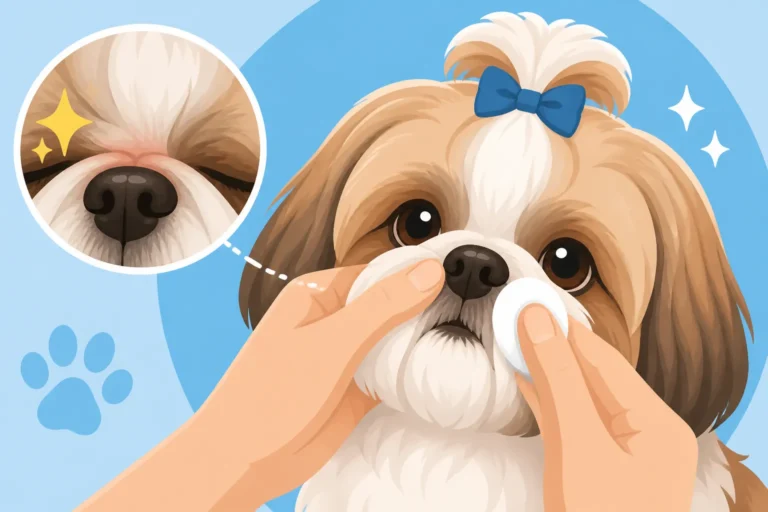
The Shih Tzu's distinctive flat face, prominent eyes, and long facial hair mean that eye and face hygiene are constant priorities. Tear staining is a common issue, caused by tears overflowing from their shallow eye sockets and reacting with bacteria on the hair. Regular wiping with a soft, damp cloth or a specialized tear stain remover is essential to prevent unsightly discoloration and potential skin irritation. Brands available on Ollie or Chewy often have options for this.
Beyond tear stains, food and water can easily get trapped in their beard and around their mouth, leading to odors, matting, and even skin infections if not cleaned promptly. After every meal and drink, take a moment to gently wipe their face. If you keep their facial hair long, a small topknot is crucial to keep hair out of their eyes, preventing irritation that can lead to ulcers. Even with a short puppy cut, trimming around the eyes is necessary to ensure clear vision. Neglecting this can lead to uncomfortable issues for your pup. Learn more about this in Shih Tzu Tear Staining and What Causes Them.
Preventing Matting with Regular Brushing
We can’t stress this enough: regular, consistent brushing is your best defense against matting, regardless of the coat length you choose. Even a Shih Tzu with a short puppy cut needs brushing a few times a week, and a dog with a longer coat truly needs it daily. Think of it as preventative medicine for their coat. Brushing removes loose hair from the undercoat before it can tangle with the outer coat, distributes natural oils, and stimulates circulation to the skin.
When brushing, always work in sections, getting down to the skin. Many owners only brush the top layer, leaving the undercoat to mat against the skin. Start at the bottom of the leg or flank and work your way up, layer by layer, holding the hair above the section you’re working on. Pay special attention to those notorious matting spots: behind the ears, under the armpits, on the belly, and where harnesses or collars sit, like covered in Mats Where a Harness Sits on a Shih Tzu. If you encounter a small tangle, use your detangling spray and gently tease it apart with your fingers or the wide teeth of your metal comb, rather than pulling. Consistency is key here; a few minutes every day is far more effective than an hour once a week.
Common Misconceptions About Shih Tzu Coat Care
There are a lot of myths floating around about Shih Tzu coats that can lead to frustration or even harm if owners believe them. Let’s clear up some of the most persistent ones. Understanding the truth behind these misconceptions will empower you to make better choices for your furry friend.
The Myth of "No Shedding"
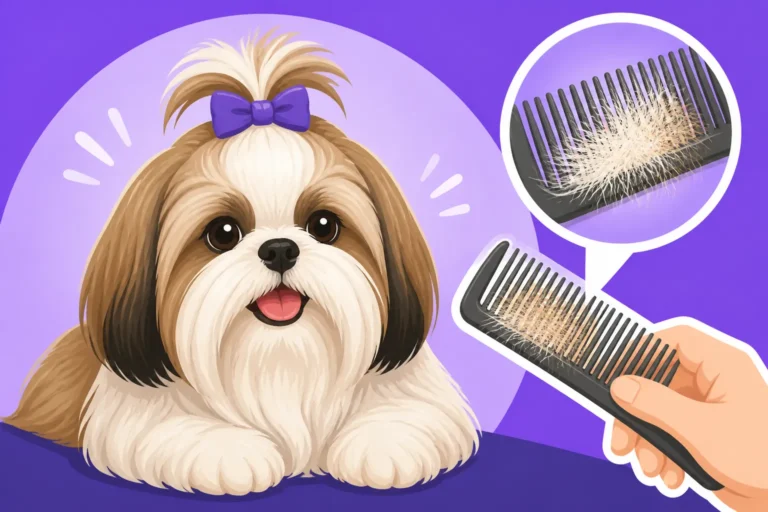
One of the most widely spread "facts" about Shih Tzus is that they don't shed. While it's true they don't "shed" in the way a Labrador or a German Shepherd does, leaving clumps of hair all over your furniture, it's a huge misconception to think they are non-shedding. Shih Tzus actually do shed, but their shed hair gets caught within their double coat instead of falling out. This is a blessing and a curse.
The "blessing" part is that you don't typically see much loose hair around your house, making them seem hypoallergenic (though no dog is truly 100% hypoallergenic). The "curse" part is that this trapped shed hair is the primary culprit behind matting. When the old, dead undercoat gets stuck in the longer outer coat, it creates knots and tangles that rapidly progress to painful mats if not brushed out regularly. So, while you might not be vacuuming up tumbleweeds of dog hair, you absolutely must be brushing that shed hair out of your Shih Tzu's coat every single day to prevent it from matting.
The Idea That Shaving Eliminates All Grooming
Many owners, exasperated by matting, think that shaving their Shih Tzu completely will eliminate all their grooming responsibilities. While a very short shave down significantly reduces the frequency and intensity of brushing needed, it absolutely does not eliminate grooming. The coat will start to grow back immediately, and those short hairs can still mat if neglected, especially as they get longer.
Even with a shaved coat, your Shih Tzu will still need regular baths, nail trims, ear cleaning, and face hygiene. Their hair will still grow into their eyes and around their sanitary areas, requiring trims. Plus, if you don't brush their shaved coat a few times a week as it grows out, you risk the new growth becoming matted all over again. Think of it as hitting the reset button, not deleting the game entirely. A shave is a temporary solution for severe matting or a practical choice for ease of care, but it doesn't mean you can toss out your brush and stop visiting the groomer.
Whether a Short Shih Tzu Cut Risks Sunburn
This is a really important concern, especially for Shih Tzus with lighter colored coats or pink skin, and it's something many owners don't consider when opting for a very short cut. While a full, long coat provides a natural layer of protection from the sun's harsh rays, a very short shave can leave your Shih Tzu's delicate skin exposed and vulnerable to sunburn. Just like humans, dogs can get sunburned, and repeated sunburn can increase the risk of skin cancer.
If you choose a very short cut for your Shih Tzu, especially during the summer months or if you live in a sunny climate, you need to take precautions. Limit their time in direct sunlight during the hottest parts of the day. Consider dog-safe sunscreens, particularly on vulnerable areas like the nose, ear tips, and any areas where the hair is particularly sparse. Lightweight dog clothing or vests designed for UV protection can also offer a physical barrier. Don't assume a short coat means they're impervious to the sun; it often means they're more vulnerable. This is a point frequently discussed, and you can find more information in Whether a Short Shih Tzu Cut Risks Sunburn.
Disclaimer
This article is for general informational purposes only and does not constitute professional advice. Laws, prices and regulations vary by location and change over time. Consult a qualified professional for guidance on your specific situation.