Getting a Brush Through Both Shih Tzu Layers
One of the biggest struggles any Shih Tzu parent faces is trying to navigate that glorious, flowing double coat. It looks magnificent when it's perfectly brushed, but the reality of getting a brush all the way through those two distinct layers, day after day, without hurting your precious pup or getting utterly frustrated, is a mountain many of us feel we're constantly climbing. This guide is here to unravel the mystery of the Shih Tzu double coat and equip you with the knowledge and techniques to make brushing a more manageable, even enjoyable, part of your routine.
Understanding the Shih Tzu Double Coat
Before we even pick up a brush, it's crucial to understand what makes a Shih Tzu's coat so unique and, frankly, so prone to matting. Unlike single-coated breeds, our little lion dogs are blessed (or cursed, depending on the day!) with two distinct layers of hair. This double insulation served a vital purpose in their ancestral Himalayan environment, protecting them from both cold and heat. However, in our homes, it presents a significant grooming challenge.
The Inner Softness and Outer Guard Hairs
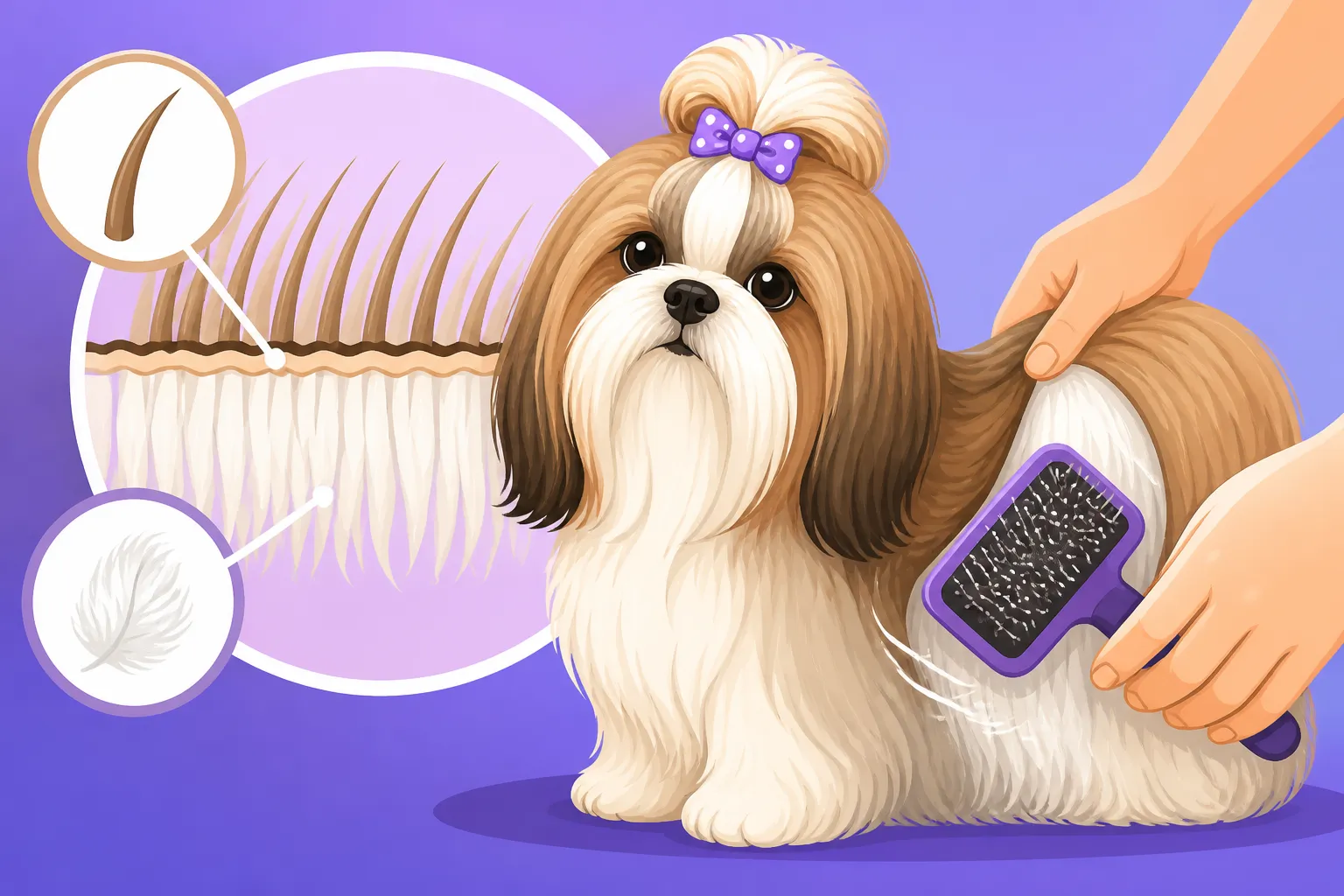
The Shih Tzu's coat is a marvel of nature, featuring a soft, downy undercoat that is dense and insulating, nestled close to the skin. This layer is often compared to cotton or wool due to its fine texture and fluffiness. Overlaid on top of this cloud-like undercoat is the longer, silkier, and somewhat coarser outer coat, sometimes called guard hairs. These guard hairs are designed to protect the undercoat and skin from external elements, shedding water and dirt, and giving the Shih Tzu its characteristic regal appearance. The contrast in texture between these two layers is precisely what causes so many headaches for owners. The fine, fluffy undercoat loves to tangle and trap the longer, smoother guard hairs, forming knots that quickly escalate into dense, painful mats if not addressed promptly. Why a Shih Tzu Double Coat Mats So Fast delves deeper into this phenomenon.
The Purpose of a Double Coat
Historically, the Shih Tzu's double coat was perfectly adapted for the harsh, varied climate of Tibet. The thick undercoat provided warmth during chilly mountain winters, while the outer coat offered protection from the sun's rays and moisture. This natural insulation helped regulate their body temperature, acting like a built-in thermostat. Today, while most Shih Tzus enjoy climate-controlled homes, their coat retains these ancient properties. It's a living reminder of their heritage, but it also demands a commitment to regular care. Understanding that this coat isn't just for beauty, but for function, helps us appreciate the effort required to maintain its health and integrity. Neglecting it isn't just about aesthetics; it can lead to skin issues, discomfort, and even pain for your dog.
The Right Tools Make All the Difference
You wouldn't try to build a house with a screwdriver, and you shouldn't try to groom a Shih Tzu's double coat with just any old brush. The right tools are absolutely non-negotiable for effective and comfortable grooming. Investing in quality equipment specifically designed for double-coated breeds will save you a world of frustration and your Shih Tzu a lot of discomfort.
Slicker Brushes for the Undercoat
A high-quality slicker brush is your primary weapon against mats and tangles in the Shih Tzu's undercoat. These brushes feature fine, closely spaced wire bristles, often angled, that are designed to penetrate the dense undercoat and gently pull out loose hair before it can form mats. When choosing one, look for one with flexible pins that aren't too sharp, as harsh bristles can scratch your dog's delicate skin. The key is to use it with a light touch, "line brushing" in small sections. A good slicker brush will effectively grab the shedding undercoat, which is the main culprit for matting, without damaging the longer outer coat. You'll find a wide variety of excellent slicker brushes available from retailers like Chewy or Amazon, often with different handle styles and bristle densities to suit your preference and your dog's coat type.
Metal Combs for Precision and Detangling
While the slicker brush does the heavy lifting, a sturdy metal comb is indispensable for checking your work and tackling those more stubborn, smaller tangles. You'll want a comb that has both wide and fine-toothed sections. The wide-toothed side is great for initial detangling and general coat separation, while the fine-toothed side allows you to meticulously check for any missed tangles, especially in delicate areas like behind the ears, under the legs, and around the sanitary regions. After you've brushed a section with your slicker brush, always follow up with the metal comb. If the comb glides smoothly through the hair from skin to tip, you've done a good job. If it snags, you know there's still a tangle hiding there that needs more attention. This "comb test" is essential for ensuring you've truly gotten through both layers. The Comb Test on a Brushed Shih Tzu explains this technique in detail.
Detangling Sprays and Conditioners
No matter how diligent you are, some tangles are inevitable. That's where detangling sprays and leave-in conditioners become your best friends. These products are formulated to lubricate the hair strands, making them more slippery and easier to separate without breakage or pulling. Never try to brush out a dry, tangled coat; you'll only cause more damage and pain for your dog. Before tackling a tricky spot, spritz a little detangler onto the area and let it soak in for a minute or two. This can dramatically reduce the effort needed and prevent your Shih Tzu from associating grooming with discomfort. Many brands offer excellent detangling sprays, and some even come with conditioning benefits that help prevent future mats. Regular use of a good leave-in conditioner after bathing can also make the coat smoother and less prone to tangling between grooms.
Mastering the Sectioning Method
Trying to brush a Shih Tzu's entire coat all at once is like trying to untangle a ball of yarn by just pulling at one end – it's a recipe for disaster and frustration. The secret to success, especially with a double coat, lies in breaking the task down into small, manageable sections. This method ensures you reach every part of the coat, from the skin out, and prevent mats from forming undetected.
Working in Small, Manageable Sections
The line brushing technique, which is at the heart of the sectioning method, involves systematically separating the coat into small horizontal lines. Imagine dividing your dog's body into narrow strips. You start with the lowest strip of hair, hold the rest of the coat up and out of the way, and meticulously brush that single strip. Once that section is tangle-free, you drop down another small section of hair and repeat the process, blending it into the already groomed area. This meticulous approach guarantees that your brush penetrates right down to the skin, removing all loose undercoat and preventing mats from forming at the base of the hair shaft. It takes time, yes, but it’s the only way to truly conquer that double coat. Brushing a Full Coat Shih Tzu Every Single Day emphasizes the importance of consistency in this method.
Starting at the Bottom and Working Up
A common mistake is starting at the top of the dog and working your way down. This only pushes tangles further down the hair shaft and compacts the undercoat. Instead, begin at the bottom—think paws, legs, and belly—and work your way upwards. For example, when brushing a leg, start with the hair closest to the paw, hold the hair above it up, and brush that small section. Once it's smooth, drop down a bit more hair and continue. For the body, you might start with the hair on the chest or the underside, then move to the sides, and finally the back. By working against gravity, you're always dealing with the most exposed hair first, preventing you from brushing over existing tangles and making them worse. This strategy ensures a thorough job and reduces the risk of overlooking those hidden trouble spots.
Gentle Strokes and Checking for Mats
Throughout the entire process, your touch must be gentle but firm. Use short, upward strokes with your slicker brush, always brushing away from the skin rather than directly into it. Think of "flicking" the brush through the hair. After brushing a section, always follow up with your metal comb to check for any remaining snags. Glide the comb through the entire section, from the skin to the tip of the hair. If the comb catches, you know there's still a mat. Don't be tempted to yank or pull. Instead, apply more detangling spray, and patiently work through the tangle using the very tips of your slicker brush pins, or with the wider teeth of your metal comb. This careful approach not only protects your Shih Tzu's delicate skin but also makes the grooming experience less stressful for them, fostering cooperation rather than resistance.
Dealing with Mats and Tangles
No matter how meticulous you are, life happens, and a Shih Tzu will inevitably develop some mats. Maybe they rolled in something, had an extra playful day, or you simply missed a spot. The key is to address mats promptly and correctly, as they can quickly become painful and lead to skin problems.
Identifying Common Matting Hotspots
Shih Tzus are notorious for matting in certain areas, and knowing these hotspots can help you be proactive. The most common culprits include behind the ears, under the legs (especially the "armpits"), around the sanitary areas, on the belly, and where harnesses or collars sit. The finer, softer hair in these regions, combined with friction and moisture, creates a perfect storm for mat formation. Pay extra attention to these spots during your daily brushing sessions. For example, Mats Where a Harness Sits on a Shih Tzu highlights a very common and often overlooked problem area. Regularly checking these zones with your metal comb, even if the rest of the coat feels fine, can catch small tangles before they escalate into serious mats that require more drastic measures.
Patience and Product for Stubborn Knots
When you encounter a mat, your first instinct might be to pull or cut it out. Resist this urge! Pulling is painful and can damage the skin, while cutting can lead to "holes" in the coat or accidental nicks, especially if the mat is tight against the skin. Instead, equip yourself with patience, a good detangling spray (as mentioned before), and perhaps a mat splitter or a blunt-tipped scissor for specific situations. Generously spray the mat with detangler and gently try to separate the hair with your fingers, working from the outer edges of the mat inwards. Once you've loosened it a bit, use the wide-toothed side of your metal comb or the very tips of your slicker brush to tease apart the strands, one by one. Always hold the hair at the base of the mat close to the skin with your fingers to prevent pulling on the skin as you work. This makes it less painful for your dog. This process can be slow, but it's the safest and kindest way to remove tangles.
When to Seek Professional Help
There comes a point when a mat is too dense, too close to the skin, or too painful for you to safely remove at home. This is where a professional groomer is invaluable. A matted coat can hide underlying skin infections or parasites, and trying to remove severe mats yourself can cause unnecessary trauma to your dog. Groomers have specialized tools, like powerful clippers with various blades, and the expertise to safely shave off a matted coat, often referred to as "dematting" which typically means shaving it down. While it might be heartbreaking to see your Shih Tzu lose their beautiful long coat, it's often the most humane option. They will be much more comfortable, and the hair will grow back. When a Shih Tzu Mat Has to Be Shaved Out discusses this scenario further. Don't feel guilty about taking this step; your dog's comfort and health come first.
Establishing a Consistent Routine
Consistency is not just king; it's the entire royal court when it comes to Shih Tzu grooming. You can have all the best tools and techniques, but without a regular routine, that gorgeous double coat will inevitably become a matted mess. Integrating grooming into your daily life makes it easier for both you and your dog.
The Importance of Daily Brushing
For a Shih Tzu with a full, flowing coat, daily brushing isn't an optional luxury; it's a necessity. Even if you only spend 10-15 minutes each day, those consistent efforts will prevent small tangles from becoming impossible mats. Think of it as preventative maintenance. On days when you're pressed for time, focus on the matting hotspots: behind the ears, under the legs, and the sanitary areas. On other days, you can do a more thorough line brushing session. Regular brushing not only removes loose hair and prevents mats but also distributes natural oils, keeping the coat healthy and shiny, and allows you to inspect your dog for any skin issues, bumps, or parasites. It also strengthens the bond between you and your Shih Tzu, as they learn to associate grooming with positive, gentle attention.
Making Grooming a Positive Experience
No dog enjoys being dragged to the grooming table and having painful mats ripped out. From day one, strive to make grooming a positive, calm, and rewarding experience for your Shih Tzu. Start with short sessions, especially when they are puppies. Introduce the tools slowly, letting them sniff and investigate the brushes and combs. Offer plenty of high-value treats and praise throughout the process. If your dog is getting stressed, take a break. Never force them or get angry, as this will only create negative associations. You might even play calming music or diffuse dog-safe essential oils to create a relaxed atmosphere. Getting a Shih Tzu Used to a Slicker Brush provides great tips on how to introduce grooming tools positively. Over time, your Shih Tzu will learn to tolerate, and perhaps even enjoy, their daily pampering sessions, knowing that good things (like treats!) happen during grooming.
Combining Brushing with Bath Time Prep
Bathing a matted Shih Tzu is a cardinal sin in grooming. Water only tightens mats, making them even harder and more painful to remove. Therefore, always, always brush your Shih Tzu thoroughly before bath time. This means getting a comb through every single section of their coat, ensuring it's completely free of tangles. Think of it as pre-grooming. Once your dog is fully brushed, a good bath with a quality shampoo and conditioner designed for double coats can help keep their fur clean, soft, and less prone to tangling. Just remember to rinse thoroughly to avoid skin irritation. After the bath, it's equally important to dry their coat completely and brush it as it dries, using a cool setting on a dryer. Damp hair, especially a Shih Tzu's dense double coat, mats incredibly fast. Damp Shih Tzu Hair and How Fast It Knots explains why this is so critical.
Common Pitfalls and How to Avoid Them
Even with the best intentions, it's easy to fall into common grooming traps that can make maintaining a Shih Tzu's double coat much harder than it needs to be. Being aware of these pitfalls can help you steer clear of frustration and ensure a happier grooming experience for both you and your furry friend.
Rushing Through the Process
One of the biggest mistakes owners make is trying to rush through brushing. We all lead busy lives, and sometimes those daily 15-minute sessions feel like a huge ask. However, a hurried brush-through on a Shih Tzu's double coat is often worse than no brushing at all. When you rush, you're likely only skimming the top layer of the coat, leaving the dense undercoat to tangle and mat underneath. This creates a "surface brush," where the outside looks neat but severe mats are forming close to the skin, hidden from view. This leads to bigger problems down the line, often requiring a professional groomer to shave off the entire coat. If you truly don't have time for a thorough session, focus intensely on the mat-prone areas rather than attempting a superficial sweep of the entire body. It's better to do a small area well than the whole dog poorly.
Using the Wrong Techniques
Another common pitfall is using incorrect brushing techniques. Simply running a brush over the coat without attention to detail is ineffective. As we discussed, not line brushing, not starting from the bottom, or brushing directly into a dry mat are all techniques that will cause more harm than good. Brushing too hard can irritate the skin, while brushing too softly won't penetrate the undercoat. Similarly, using the wrong type of brush for a specific task can lead to frustration. For instance, trying to detangle with a pin brush designed for gentle finishing won't work, and a slicker brush isn't ideal for general daily surface brushing if you're not careful. Learning and consistently applying the correct methods, like the sectioning method and the comb test, will make a world of difference in your grooming success.
Neglecting Specific Areas
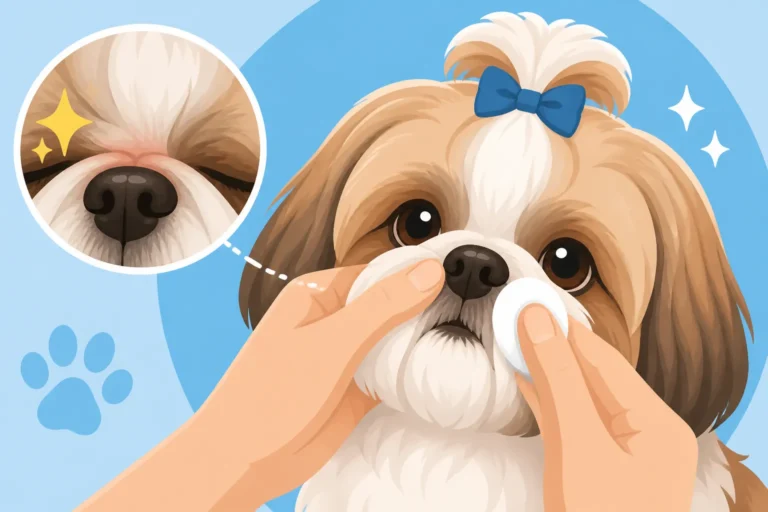
It's easy to focus on the big, visible areas of the Shih Tzu's coat and inadvertently neglect those smaller, more awkward spots. However, these neglected areas are almost always where the worst mats develop. The "armpits," groin, behind the ears, the beard, and the paws are notorious for matting because of fine hair, friction, and sometimes moisture. Think about the hair between their paw pads – if this grows too long, it can collect debris, cause discomfort, and form painful mats that pull on the skin. Similarly, the hair around their eyes and mouth needs regular gentle cleaning and trimming to prevent tear staining and food debris from matting. Making a mental checklist or even physically touching these areas during each session will help ensure you don't miss them. Remember, a quick check of these vulnerable spots can prevent a major headache later. Proper care of these areas can also prevent secondary issues like Shih Tzu Ear and Skin Infections Under the Coat or Shih Tzu Skin Allergies and Hot Spots.
| Grooming Tool | Primary Use | Key Feature | Tip for Shih Tzu Use |
|---|---|---|---|
| Slicker Brush | Removing loose undercoat, general detangling | Fine, angled wire pins, often rectangular head | Use short, gentle strokes; lift coat in sections |
| Metal Comb | Checking for mats, precision detangling | Two sides: wide and fine-toothed | Always follow slicker brushing with a comb test |
| Detangling Spray | Lubricating tangles, preventing breakage | Liquid spray, conditions hair | Liberally apply to mats before brushing; let soak |
| Pin Brush | Finishing, stimulating skin, lighter coats | Rounded pins on a cushion | Good for daily surface fluffing on a tangle-free coat |
| Mat Splitter / Dematter | Breaking up tight mats | Sharp blades with guarded edges | Use with extreme caution; cut into the mat, not across |
| Blunt-Tipped Scissors | Trimming hair in delicate areas | Rounded tips for safety | For sanitary trims, paw pads, or splitting very loose mats |
Disclaimer
This article is for general informational purposes only and does not constitute professional advice. Laws, prices and regulations vary by location and change over time. Consult a qualified professional for guidance on your specific situation.