A Shih Tzu Puppy Mouthing at Hands
Shih Tzu puppy mouthing stems from teething and exploration, and owners can stop the nipping by teaching bite inhibition.
Work with the temperament you have.
House-training and crate work, recall, leash manners, separation anxiety, and the behaviors this breed is wired for.

Shih Tzu puppy mouthing stems from teething and exploration, and owners can stop the nipping by teaching bite inhibition.

Shih Tzu socialization windows, spanning from three to sixteen weeks of age, determine adult canine behavior and confidence.

Shih Tzu play style traits, energy levels, and safe introduction methods help small canine companions enjoy positive social interactions.

A step-by-step introduction process helps pet owners safely manage a new Shih Tzu and a resident cat for peaceful coexistence.

Shih Tzu behavior around small children, including safety advice, temperament traits, and ways to prevent defensive reactions.

Leaving a Shih Tzu alone during a full workday requires understanding breed temperament, isolation anxiety signs, and comfort strategies.

Bred as cherished companions to emperors and nobility in Tibet or China, the Shih Tzu feels distress when alone, so gradual, patient steps build confidence.
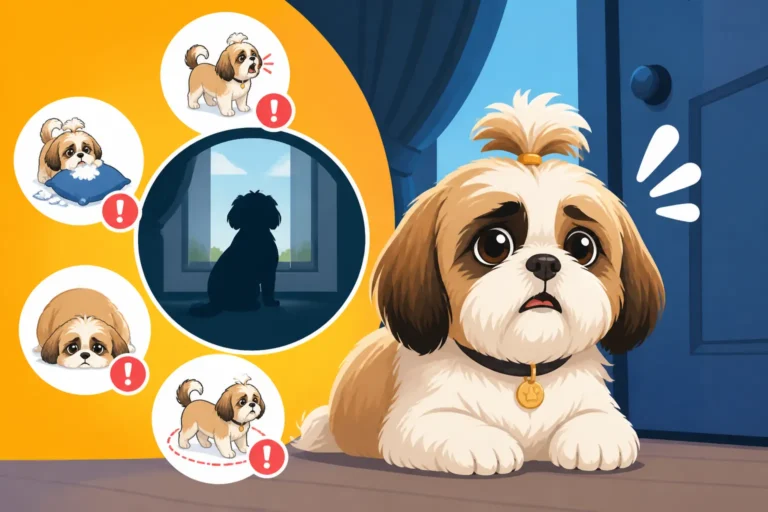
Shih Tzu separation anxiety signs, including excessive barking and howling, help owners distinguish true panic from mere boredom.
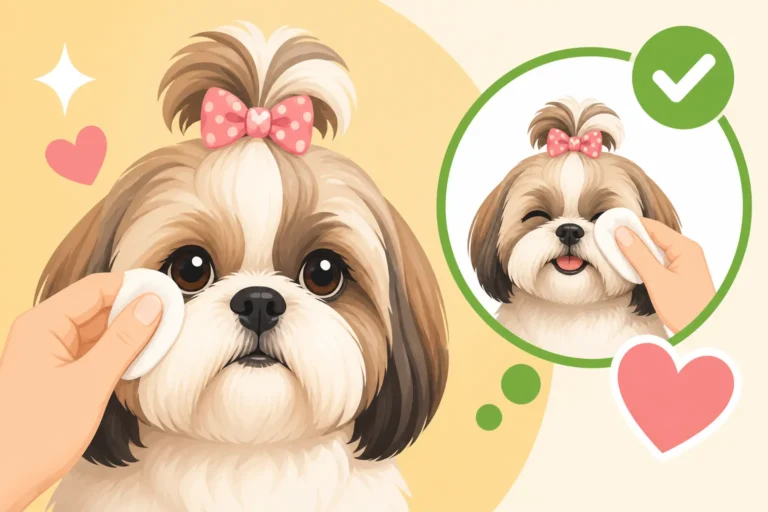
Training a Shih Tzu to accept daily eye wiping protects prominent eyes from tear staining, chronic dry eye, and painful corneal ulcers.
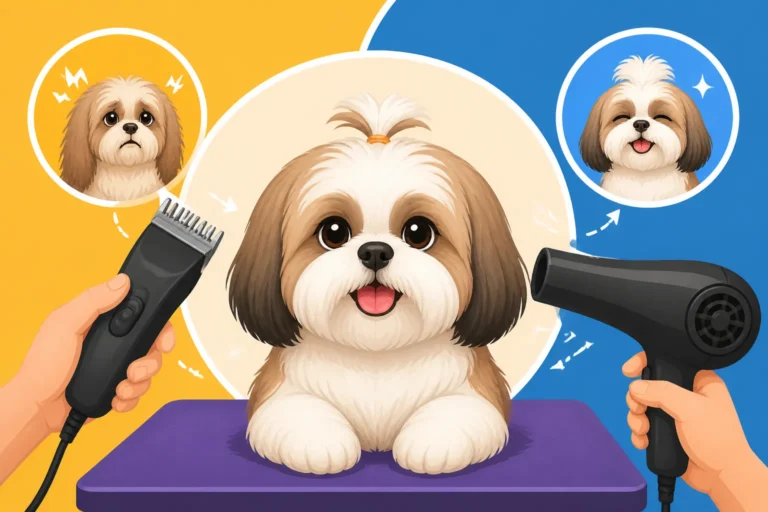
Step-by-step methods help a Shih Tzu overcome fear of clippers and dryers by addressing noise, vibration, and airflow during grooming.