The Everyday Foods That Harm a Shih Tzu
Small body weight and brachycephalic features make Shih Tzus vulnerable to everyday kitchen toxins and severe respiratory risks.
The daily stuff, done right.
Feeding amounts by life stage, coat and skin routines, dental and nail care, exercise needs, and what changes as they age.
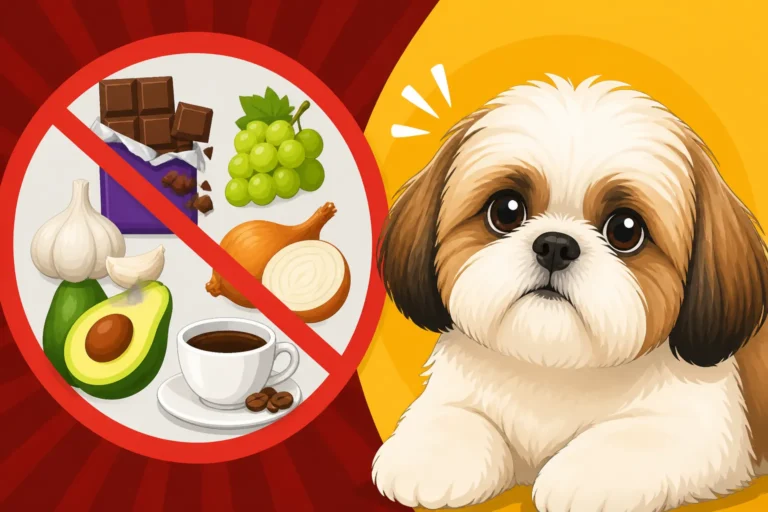
Small body weight and brachycephalic features make Shih Tzus vulnerable to everyday kitchen toxins and severe respiratory risks.

Shih Tzu ear and paw care prevents infections by managing floppy ear anatomy, trapped moisture, and overgrown internal hair.

Shih Tzu exercise routines protect sixteen pound frames, prevent joint and back problems, and stop destructive behaviors.
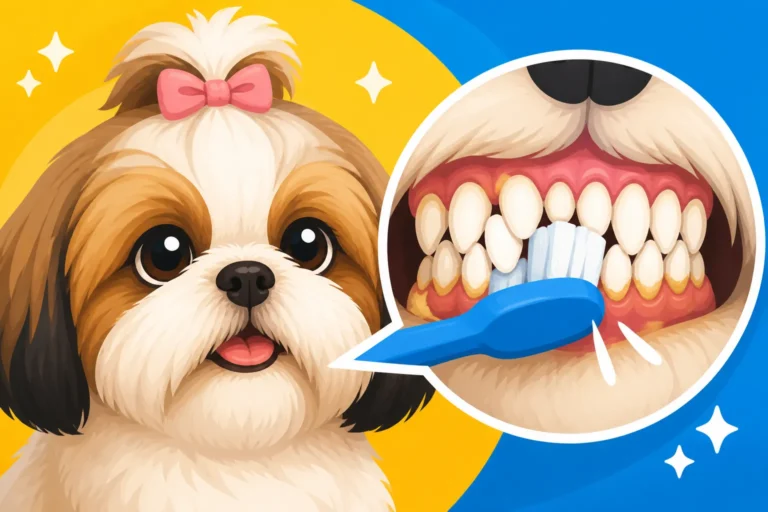
Daily toothbrushing in a crowded Shih Tzu jaw prevents plaque and tartar buildup on forty two teeth that are tightly packed.

Flat-faced Shih Tzu dogs overheat easily because short nasal passages and dense double coats trap body heat in warm weather.
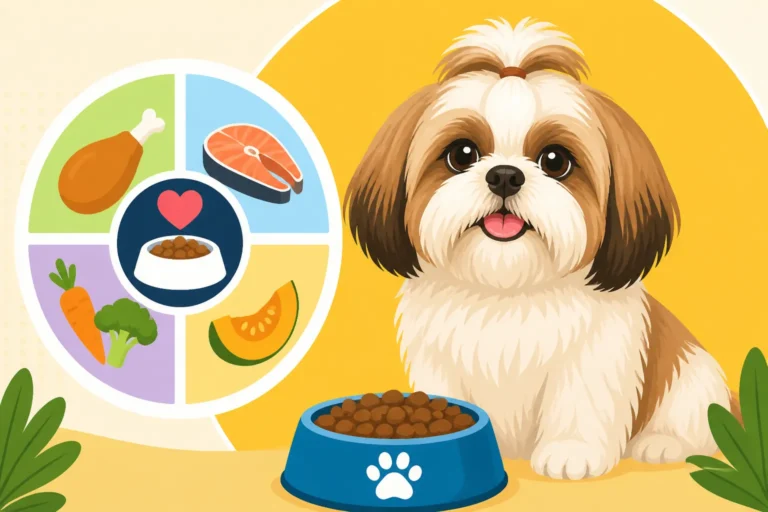
Shih Tzu metabolism and brachycephalic jaw shape explain proper daily portion sizes for nine to sixteen pound toy breed dogs.
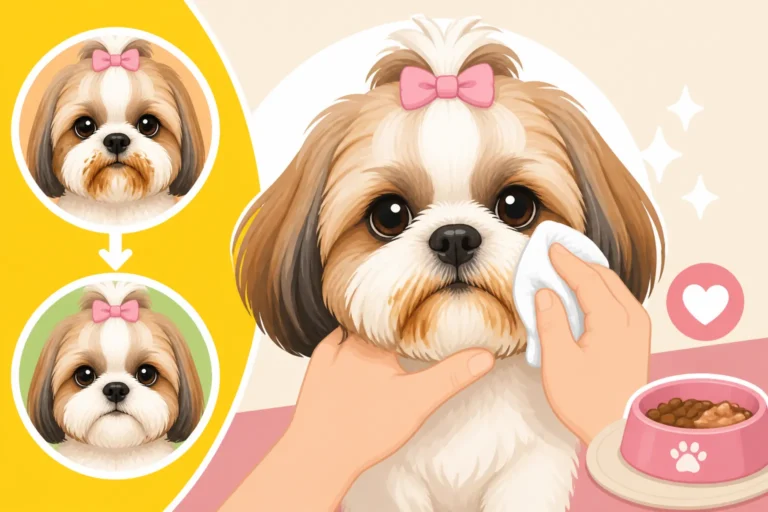
Washing a Shih Tzu face after every meal removes wet food, kibble crumbs, and trapped moisture to prevent painful mats and bacteria.

Choosing between a Shih Tzu full coat and a puppy cut reveals how hair length affects daily grooming, matting risks, and dog comfort.

The Shih Tzu topknot prevents corneal ulcers, bacterial growth, and serious eye infections by keeping long facial hair away from delicate eyes.

Daily brushing of a Shih Tzu double coat prevents painful mats and skin infections by removing shed undercoat fibers quickly.