Whether a Shih Tzu Barks More Than Other Toys
Shih Tzu vocalizations and common barking triggers explained, detailing why toy breeds use different sounds to communicate with humans.
Is this the right one for you?
Origins and temperament, size and coat, what living with one is actually like, and how it compares to the breeds people weigh against it.

Shih Tzu vocalizations and common barking triggers explained, detailing why toy breeds use different sounds to communicate with humans.

Shih Tzu owners describe their dogs as affectionate, loyal companions with a stubborn and playful personality.

Shih Tzu guarding behaviors and alert barking explain why nine to sixteen pound companion dogs act as tiny alarm systems rather than protectors.

Shih Tzu history and imperial breeding explain why these friendly dogs eagerly greet strangers and seek human affection.

The Shih Tzu breed standard defines the ideal physical traits, size, proportions, and temperament established by national kennel clubs.

Shih Tzu coat color and its impact on puppy pricing, examining whether rare shades genuinely increase animal value.

Shih Tzu coat color changes explain why puppy fur fades or lightens into different adult shades through genetics.

Shih Tzu white blazes and tail tips represent distinctive markings linked to breed history, genetics, and appearance.
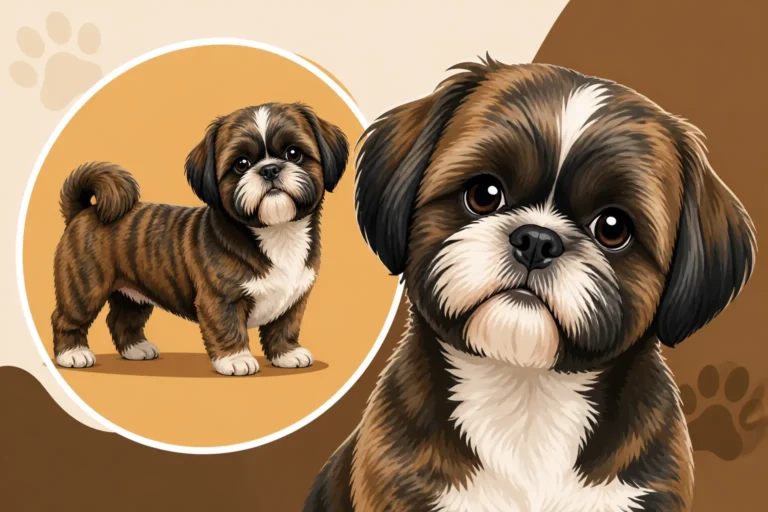
Brindle Shih Tzus feature dark stripes over a lighter base, varying from subtle fawn to bold reverse brindle markings.
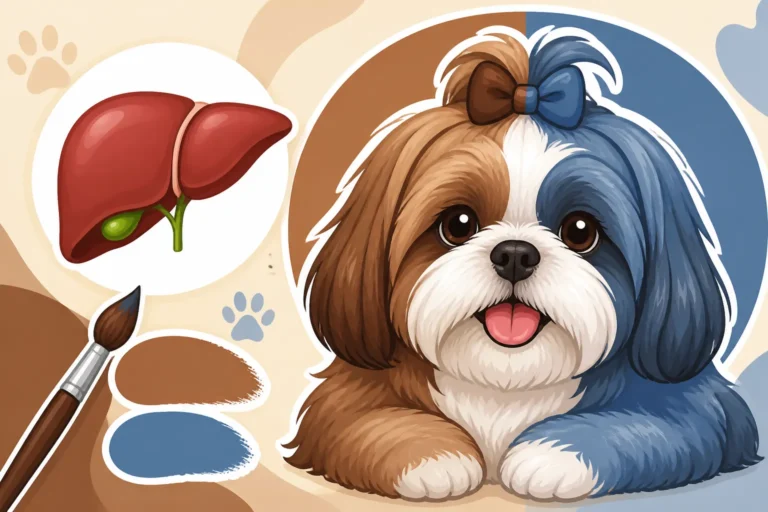
Liver and blue Shih Tzu coat colors and dilution genetics explained through nose, eye rim, and paw pad pigments.