Watching a Shih Tzu on Camera While You Are Out
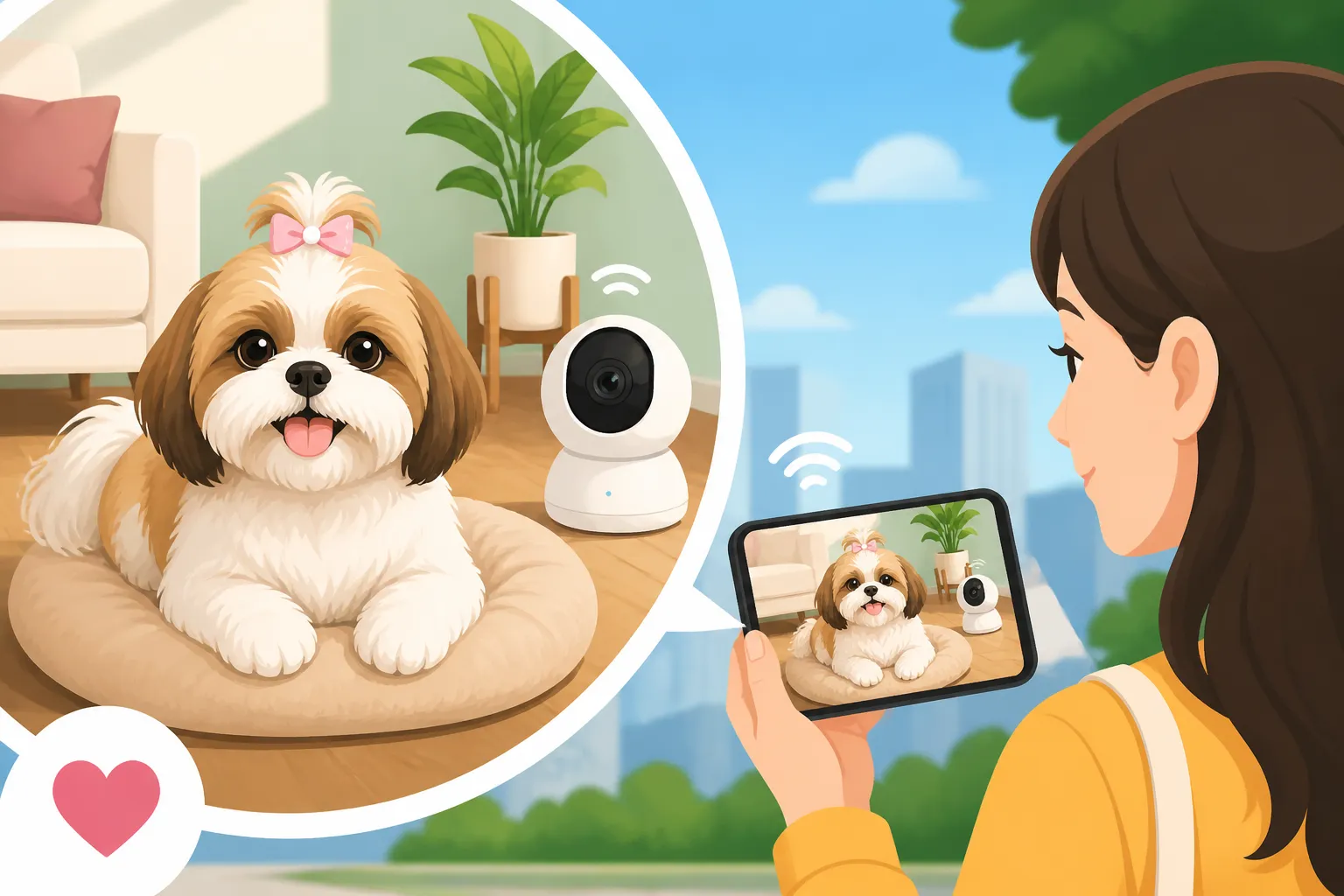
Leaving your beloved Shih Tzu home alone can be a real source of worry, especially when you can't be there to see if they're settling in or getting into mischief. That quiet house can feel a little too quiet, making you wonder if they're barking their heads off, pacing anxiously, or perhaps even having a little accident. This guide will walk you through how using a pet camera can provide invaluable peace of mind, help you understand your Shih Tzu's solo behaviors, and empower you to address any issues effectively.
The Worry of Leaving Your Shih Tzu Home Alone
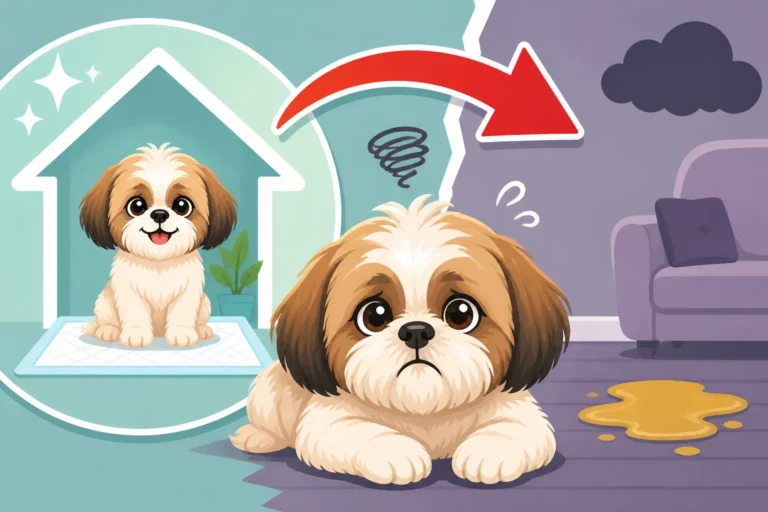
It's a common feeling, isn't it? That pang of guilt or anxiety as you lock the door, knowing your little companion is on the other side. You tell yourself they'll be fine, they'll just nap, but a tiny part of you wonders. What if they're not fine? What if they're crying? What if they're chewing on something they shouldn't? For Shih Tzu owners, these worries can be even more pronounced because our fluffy friends are so deeply devoted to their people. They were literally bred to be companions, lap dogs, shadow dogs – not solitary creatures.
Why Shih Tzus Struggle with Alone Time
Our Shih Tzus are deeply social animals, hardwired to be close to their human families. This isn't a flaw; it's simply part of their rich heritage. Imagine generations of dogs bred to sit on laps in imperial palaces! When we leave them alone, it goes against their very nature. Some Shih Tzus develop full-blown separation anxiety, while others simply experience profound boredom or loneliness. It's not always about destruction; sometimes it's about a quiet, persistent sadness. Owners often describe their Shih Tzus as being "underfoot in every room," a testament to their desire for constant connection. If they're used to this level of companionship, suddenly being left in an empty house can be a jarring experience.
Beyond the emotional aspect, a Shih Tzu's unique physical characteristics can also contribute to our worries. Their brachycephalic (flat) faces mean they can sometimes struggle with breathing, especially if they get stressed or overheat. If they're barking excessively, pacing frantically, or otherwise exerting themselves due to anxiety, it’s not just a behavioral issue; it could become a health concern. We worry about things like Brachycephalic Breathing in a Shih Tzu and how stress might exacerbate it. Knowing what your dog is doing can help you understand these risks better.
Common Behaviors You Might Miss
Without a camera, the only information you get about your Shih Tzu's alone time is what you come home to. This might be a chewed slipper, a puddle on the floor, or an overly excited greeting that hints at previous distress. But what about the moments in between? Are they quietly napping, or are they pacing the entire time you're gone? Are they barking non-stop at every passing sound, or are they only occasionally alerting?
A common scenario might be coming home to find your Shih Tzu's crate bedding pulled out or toys strewn everywhere. You might assume they were just playing, but a camera could reveal frantic digging, attempts to escape, or even destructive chewing that isn't typical when you're present. You might also find that despite being meticulously house-trained when you are home, your Shih Tzu sometimes has Shih Tzu Urinary Accidents That Are Medical or simply stress-induced accidents when left alone. These behaviors are crucial clues, and seeing them in real-time context is incredibly powerful. You can pinpoint exactly when the barking starts, how long it lasts, or what might be triggering it, giving you a much clearer picture than simply guessing.
Deciding on the Best Pet Camera for Your Companion
With so many options out there, choosing the right pet camera can feel a bit overwhelming. You want something reliable, easy to use, and packed with features that genuinely help you monitor your Shih Tzu effectively. It's not just about seeing them; it's about understanding their world when you're not in it.
Essential Features to Look For
When shopping for a pet camera, several features are particularly beneficial for Shih Tzu owners concerned about their dog's well-being.
- Two-Way Audio: This is a game-changer. Imagine being able to gently reassure your Shih Tzu with your voice, even if you're miles away at the grocery store. Or, if they're about to chew on something inappropriate, you can deliver a quick, firm "No!" It's not a substitute for being there, but it can certainly help manage minor issues or provide comfort. Just be mindful not to overuse it, as some dogs might become more anxious if they hear you but can't see you.
- Night Vision: Shih Tzus often nap throughout the day, but if you're gone into the evening or have an early morning start, night vision ensures you can still see them clearly in low light or complete darkness. This is especially useful for observing overnight behavior if your dog is crated or confined to a specific area.
- Motion and Sound Alerts: These notifications are incredibly helpful. Instead of constantly checking the feed, your phone will alert you if your Shih Tzu starts barking, crying, or moves around unexpectedly. This allows you to react quickly, whether it's to check in on them, talk to them through the two-way audio, or simply understand the patterns of their distress. Many cameras allow you to adjust sensitivity, which is great for filtering out minor sounds like a distant siren versus your Shih Tzu truly vocalizing.
- Wide-Angle Lens/Pan-Tilt-Zoom (PTZ): Shih Tzus are small, and they can find clever places to hide or nap. A wide-angle lens gives you a broader view of the room, while PTZ capabilities (where you can remotely move the camera) let you scan the area, zoom in on your fluffy friend, or even follow them if they move. This ensures you're not just looking at an empty couch while your Shih Tzu is actually napping under the coffee table.
- Recording and Cloud Storage: Being able to record clips, especially when alerts are triggered, is fantastic for tracking patterns. You can review footage later to understand what might be causing stress or what time of day certain behaviors occur. This data is invaluable for training or discussing concerns with your vet or a professional dog trainer.
Different Types of Pet Cameras
The market offers a surprising variety of pet cameras, each with its own quirks and benefits.
- Basic Security Cameras (Indoor Use): Many general home security cameras can double as pet monitors. These are often budget-friendly and offer core features like live streaming, motion detection, and sometimes two-way audio. They might not be specifically branded for pets, but they do the job. You can find many reliable options on platforms like Amazon. The downside is they often lack pet-specific features like treat dispensing.
- Dedicated Pet Cameras with Treat Dispensers: These are often the "fun" option. Cameras like those offered by Furbo (not a contextual brand, so not emphasizing) or even some lesser-known brands available through retailers like Amazon, actually let you toss treats to your dog remotely! This can be a fantastic way to positively reinforce calm behavior, distract them from anxieties, or simply provide a mid-day pick-me-up. It's also a great way to engage with your Shih Tzu even when you're not there.
- Subscription-Based Smart Cameras: Some cameras offer more advanced analytics and features through a paid subscription. This might include AI-powered detection that differentiates between barking, meowing, or even human voices, or advanced video summaries. While these can be powerful, consider if the extra cost is truly necessary for your needs. For many Shih Tzu owners, the basic features are more than sufficient.
- "Nanny Cam" Style Cameras: These are usually small, discreet, and designed to blend into the home environment. They might not have all the bells and whistles of dedicated pet cameras but are excellent for unobtrusive monitoring. The key is to ensure they still offer good video quality and reliable connectivity.
Here's a quick comparison of popular camera types:
| Camera Type | Key Features | Best For | Potential Drawbacks |
|---|---|---|---|
| Basic Indoor Security | Live stream, motion/sound alerts, 2-way audio | Budget-conscious, general monitoring, existing smart home users | Fewer pet-specific features, often fixed angle |
| Dedicated Pet Camera | Treat dispensing, laser play, pet-specific AI | Engaging anxious dogs, positive reinforcement, playful interaction | Often higher cost, treat refills can be specific |
| Smart Camera (Advanced) | Advanced AI, detailed analytics, cloud storage | Deep insights into behavior patterns, multiple pets, professional use | Requires subscription, potentially complex setup |
Interpreting What Your Camera Reveals
Watching your Shih Tzu on camera isn't just about passive observation; it's about active interpretation. What you see can provide crucial insights into their emotional state and help you pinpoint areas where they might need more support or training. It’s like getting a peek behind the curtain of their solo life.
Distinguishing Anxiety from Boredom
This is perhaps the most important aspect of using a pet camera. Many owners might see their dog barking or moving around and immediately assume it's separation anxiety. While that's often true for a highly social breed like the Shih Tzu, sometimes it's simply boredom or a reaction to an external stimulus.
Signs of Separation Anxiety:
- Persistent barking, whining, or howling: This isn't just an occasional "woof" at a squirrel. It's often sustained vocalization, sometimes escalating into a distressed cry. You might notice patterns, like the barking starting within minutes of you leaving and continuing for a significant period. The Signs a Shih Tzu Cannot Settle Alone often involve this kind of sustained distress.
- Pacing or circling: Anxious Shih Tzus might continuously walk in circuits, especially near the door or window where you left. This isn't a relaxed stroll but a restless, repetitive movement.
- Destructive chewing, scratching, or digging: This behavior is often focused on escape routes (doors, windows, crates) or items that smell strongly of you (shoes, clothes). It's not playful chewing but desperate attempts to relieve stress or get to you.
- Inappropriate urination or defecation: If your Shih Tzu is perfectly house-trained when you're home but has accidents when you're gone, especially within the first hour or two, it's a strong indicator of anxiety, not just a full bladder.
- Excessive drooling or panting: Even if they're not overtly active, a very anxious Shih Tzu might pant heavily or drool more than usual, even in a cool room. This is a physiological response to stress.
Signs of Boredom:
- Intermittent barking or "alert" barks: Your Shih Tzu might bark a few times at the mail carrier or a person walking by, then settle down. This is more of an alert behavior than continuous distress.
- Mild exploration or light chewing: They might sniff around, pick up a toy, chew on it for a bit, then move on. This is normal canine behavior, not frantic destruction.
- Long periods of napping: A bored dog will often find a comfy spot and sleep for extended periods, only waking up for short bursts of activity or a potty break if they have access.
- Looking out the window occasionally: Rather than constant vigilance at the window, a bored Shih Tzu might glance outside a few times, perhaps wagging their tail if they see something interesting, before returning to a nap.
By carefully observing the duration, intensity, and triggers of these behaviors, you can start to differentiate between a dog that's truly distressed and one that's simply under-stimulated.
Actionable Steps Based on Observations
Once you've gathered some insights from your camera footage, you can start implementing strategies to help your Shih Tzu. This isn't about shaming them for their behavior but understanding their needs.
- If it's separation anxiety: This requires a more structured approach. You'll want to work on Building Alone Time for a Shih Tzu gradually. Start with very short absences – literally minutes – and slowly increase the duration. Use positive reinforcement when you return to a calm dog. Consider implementing a safe space, like a cozy crate, and leaving them with a high-value chew toy or a puzzle feeder filled with something irresistible like peanut butter or cream cheese. Sometimes, even white noise or calming music can make a difference. Tools like the BAXTER & Bella program, which focuses on positive reinforcement and gradual desensitization, can be incredibly helpful for owners facing these challenges. They often emphasize building confidence in puppies from an early age, which can mitigate future anxiety issues. For severe cases, consulting with a professional dog trainer or your veterinarian about potential medication might be necessary, especially if you observe signs that point to severe distress, such as destructive behaviors or self-harm. When a Vet Suggests Medication for a Shih Tzu is a real possibility for those struggling deeply.
- If it's boredom: This is often easier to address. Ensure your Shih Tzu gets adequate exercise before you leave. A good twenty-minute walk or some vigorous indoor play can help them settle more readily. Leave them with engaging enrichment toys – puzzle feeders, Kongs stuffed with frozen treats, or chews that will last them a while. Rotate toys so they always have something novel to discover. You could also hide treats around the room for them to "hunt" or set up an indoor potty area if you're concerned about Why House Training a Shih Tzu Runs Into Months and potential accidents from boredom.
- If it's triggered by external sounds: If your Shih Tzu is barking constantly at A Shih Tzu Barking at the Doorbell or other outside noises, consider using a white noise machine or leaving the radio or TV on low to provide some background distraction. You can also try blocking access to windows where they might be seeing triggers. Recording these events helps you understand specific triggers and strategize accordingly.
Using your camera allows you to observe, understand, and then develop a targeted plan rather than just reacting to the aftermath.
Maximizing Your Camera's Benefits and Your Shih Tzu's Comfort
A pet camera is more than just a surveillance tool; it's an integral part of understanding and improving your Shih Tzu's quality of life when you can't be by their side. Integrating its use thoughtfully can lead to a more confident and content companion.
Integrating Camera Use with Training
Your pet camera is an incredible training aid, offering you a window into your Shih Tzu's unaccompanied learning opportunities. Think of it as your virtual assistant in shaping better solo behavior.
One key area is Shih Tzu Alone Time and Learning to Tolerate It. When you're actively working on increasing your Shih Tzu's comfort with being alone, the camera provides immediate feedback. You can perform short training sessions where you leave and return, watching on camera. If your Shih Tzu remains calm, you know you're making progress. If they start to whine or pace after a minute, you know that's your current limit, and you need to shorten the duration or intensify your calming protocols. This precise feedback prevents you from pushing them too far, too fast, which can set back progress.
For instance, if you're trying to teach your Shih Tzu to settle in their crate while you're in another room, the camera lets you see if A Shih Tzu Crying in the Crate at Night is occurring, or if they are chewing on the bars, or if they are relaxing. You can then use the two-way audio to offer praise for quiet behavior ("Good boy/girl!"). Or, if you use a remote treat dispenser (many dedicated pet cameras have this feature, and they're readily available on Amazon), you can reward them for settling down or engaging with an appropriate chew toy. Programs like BAXTER & Bella emphasize this kind of remote positive reinforcement, helping you build positive associations with alone time even when you're not physically present.
The camera can also help you understand and address Shih Tzu Behavior Problems That Start Early. Perhaps you notice your puppy consistently having accidents in a specific spot when left alone. This observation can guide your house training efforts, prompting you to either restrict access to that area or increase potty breaks before leaving. You might also find that your Shih Tzu, despite their generally quiet nature, develops a habit of barking at everything outside the window. Seeing this repeatedly on camera allows you to proactively train them to Teaching a Shih Tzu to Settle on a Mat when alone, offering a specific, calm alternative activity.
Important Considerations for Camera Placement and Privacy
Getting the most out of your camera involves more than just plugging it in. Strategic placement and an awareness of privacy are key.
Optimal Camera Placement:
- Primary Viewing Area: Place the camera where your Shih Tzu spends most of their time. Is it their bed, crate, a specific couch, or a favored spot by a window? Aim for a clear, unobstructed view of this area. If your Shih Tzu likes to be A Shih Tzu Underfoot in Every Room, you might need a camera with a wide-angle lens or pan-tilt capabilities to cover more ground.
- Eye Level (or slightly above): While placing it high for a wide view is good, having a camera closer to your Shih Tzu's eye level can sometimes capture subtle facial expressions or body language that indicates stress or relaxation.
- Away from Direct Sunlight: Avoid placing the camera directly facing a window with harsh sunlight, as this can wash out the image.
- Securely Mounted: Ensure the camera is secure and can't be easily knocked over by a curious (or anxious) Shih Tzu. Some cameras come with wall mounts or can be placed on a high shelf.
Privacy and Security:
- Network Security: Always connect your pet camera to a secure Wi-Fi network with a strong, unique password. Update your router's firmware regularly. Many smart home devices can be vulnerable if not properly secured.
- Camera Passwords: Change the default password on your camera immediately after setup. Choose a complex password that isn't easy to guess.
- Ethical Use: Remember, this camera is for monitoring your pet's well-being, not for general home surveillance without the consent of others in the household. Be mindful of where the camera is pointing, especially if you have roommates, children, or visitors.
By thoughtfully placing your camera and being diligent about security, you ensure that this valuable tool serves its purpose effectively and safely, giving you valuable insights into your Shih Tzu's day-to-day life when you're away.
Disclaimer
This article is for general informational purposes only and does not constitute professional advice. Laws, prices and regulations vary by location and change over time. Consult a qualified professional for guidance on your specific situation.