A Shih Tzu’s First Weeks Alone at Home
Bringing a new Shih Tzu puppy or even an adopted adult into your home is a joyous occasion, but it often comes with a looming question: how do you help this tiny, clingy companion adjust to being left alone? It’s a common frustration for many owners, especially with a breed so devoted to human companionship, and this guide is here to walk you through those crucial first weeks, building confidence for both you and your furry friend.
Understanding Shih Tzu Separation Tendencies
Shih Tzus were bred over centuries to be lap warmers and companions to royalty, literally existing to be near their human counterparts. This deep-rooted desire for connection means that being left alone can feel profoundly unnatural, even frightening, to them. Understanding this isn't just about empathy; it's about acknowledging the behavioral predisposition you're working with.
The Breed's History of Companionship
Imagine growing up in the lap of luxury, surrounded by people whose sole purpose was to adore and attend to you. That's essentially the historical blueprint of the Shih Tzu. They weren't bred for hunting, guarding, or herding; their job was simply to be beloved companions. This translates directly into their modern-day temperament: they thrive on interaction, snuggles, and being an integral part of their human family's daily life. It’s no wonder that when you walk out the door, even for a few minutes, they might feel a profound sense of loss or confusion. This isn't naughtiness; it's often a deep-seated instinctual response to being separated from their "pack." Recognizing this inherent trait allows you to approach alone-time training with patience and understanding, rather than expecting them to just "get over it." You're essentially teaching them a skill that goes against their very nature.
Signs Your Shih Tzu Is Struggling with Alone Time
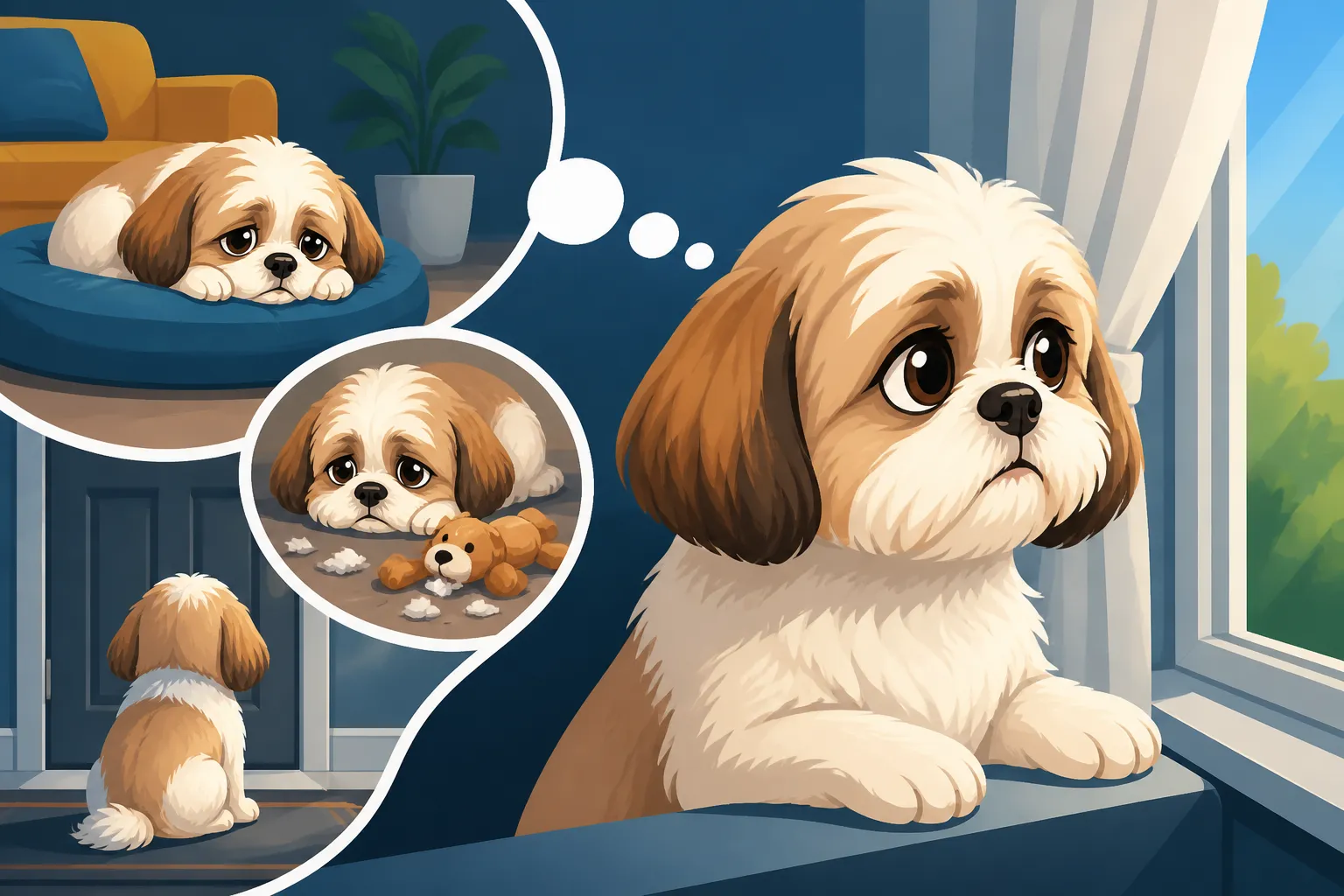
It's easy to assume your Shih Tzu is "fine" when you leave, but many express their distress in subtle ways that can escalate if not addressed. Early signs might include excessive vocalization – barking, whining, or howling – as soon as you step out or even while you're preparing to leave. You might also notice destructive chewing, often focused on items that smell like you, like shoes or cushions, or items near the exit point, such as door frames or window sills. Some Shih Tzus might have accidents indoors, even if they're otherwise perfectly house-trained; this isn't defiance, but an anxiety response. Other indicators could be pacing, trembling, excessive drooling, or attempting to block your exit. You might even discover these behaviors by using a pet camera, which can be an invaluable tool to truly observe what's happening when you're not there. Catching these The Signs a Shih Tzu Cannot Settle Alone early is key to preventing full-blown separation anxiety, which can be a much harder issue to resolve down the line.
Building a Foundation for Independence
Successful alone time isn't just about closing the door and hoping for the best. It's built on a foundation of trust, comfort, and positive association. For a Shih Tzu, whose world revolves around you, this foundation is paramount.
Crate Training as a Safe Haven
Crate training, when done correctly, isn't about punishment; it's about creating a personal den, a safe and comfortable space where your Shih Tzu can feel secure and relax. Many Shih Tzus actually prefer the snug, den-like feeling of a crate. Start by making the crate an inviting place, with soft bedding, a favorite toy, and perhaps a treat-dispensing puzzle. Never force your Shih Tzu into the crate. Instead, encourage them to enter voluntarily with praise and rewards. Feed meals inside the crate, or leave high-value chews in there for short periods while you're nearby. Gradually increase the time they spend in the crate while you're still in the room, then while you're in another room, and eventually, when you leave the house for very short durations. It's a slow process, often taking weeks, but it's crucial for building confidence. A properly introduced crate helps manage separation anxiety, provides a safe space for quiet time, and is an invaluable tool for Crate Training a Shih Tzu Properly. Look for crates on sites like Amazon that are appropriately sized – snug enough to feel like a den, but large enough for them to stand, turn around, and lie down comfortably.
Establishing a Routine for Alone Time
Dogs thrive on predictability, and Shih Tzus are no exception. A consistent routine helps them understand what to expect, reducing anxiety. Establish specific times during the day when you practice alone time, even if it’s just for 5-10 minutes. This could be when you run a quick errand, shower, or even just go to another room. Before you leave, make sure your Shih Tzu has had a potty break and a bit of mental or physical exercise (a short walk, some indoor playtime). This helps them feel settled and less likely to have pent-up energy that could translate into anxiety. Provide a special "leaving toy" – something they only get when you leave, like a KONG stuffed with peanut butter or a puzzle feeder. This creates a positive association with your departure. When you return, don't make a big fuss right away; calmly greet them, let them out for a potty break, and then offer affection. This teaches them that your departure is not a big deal and your return is just part of the normal rhythm of their day.
Step-by-Step Approach to Gradual Alone Time
The key to successfully teaching a Shih Tzu to be alone is gradual, incremental exposure. Rushing the process can easily set back progress and deepen any underlying anxieties. Think of it as teaching them to swim: you wouldn't just throw them in the deep end.
The "Out of Sight, Out of Mind" Method
This method focuses on slowly desensitizing your Shih Tzu to your absence. Start with very short periods where you step out of the room but remain within earshot. For instance, go into the bathroom, close the door, and come back after 30 seconds. If your Shih Tzu remains calm, praise and reward them. If they start to vocalize or show signs of distress, reduce the time even further or try again later. The goal is always to return before they become anxious. You’re teaching them that you always come back. Gradually increase the duration – one minute, then two, then five, and so on.
As you progress, start to introduce cues associated with leaving (grabbing your keys, putting on your coat) but don't actually leave. Do these actions, then sit back down on the couch. This helps to neutralize these triggers, so they don't automatically associate them with your departure and start feeling anxious prematurely. The aim is to make your coming and going a non-event, something that happens routinely without fanfare or fear. This step-by-step approach is crucial for Building Alone Time for a Shih Tzu effectively and without causing undue stress.
Increasing Duration Safely
Once your Shih Tzu is comfortable with you leaving the room for short periods, you can start practicing actually leaving the house. Again, keep it brief at first. Go out to get the mail, take out the trash, or just walk to the end of your driveway and back. The first few times, aim for no more than 1-2 minutes. The moment you return, if they are calm, calmly praise them and reward them. If they are distressed, wait for a moment of quiet before entering. Never punish them for anxious behaviors upon your return; this will only make their anxiety worse.
As they become more comfortable, slowly extend the time you're away. Use a pet camera to monitor their behavior. Seeing how they react can give you valuable insights. Are they sleeping peacefully? Are they pacing, or whining? This feedback helps you understand if you're progressing too quickly or if they need more support. When you're ready for longer stints, ensure they have access to water, a comfortable resting spot, and their special long-lasting enrichment toys. Consider trying products from BAXTER & Bella that focus on positive reinforcement training, which can include alone-time techniques. Remember that your ultimate goal is for your Shih Tzu to be relaxed and comfortable while you're gone, even if it’s just napping. For many Shih Tzus, leaving them Whether a Shih Tzu Copes With a Work Day requires significant, consistent training over several months, if not longer.
Tools and Resources to Aid the Transition
Beyond the training techniques, there are practical tools and resources that can make a huge difference in your Shih Tzu’s journey to solo serenity. These aids can provide comfort, distraction, and valuable insights into their behavior.
Enrichment Toys and Puzzle Feeders
A bored Shih Tzu is often an anxious or destructive Shih Tzu. Providing appropriate mental stimulation is vital when they are alone. Puzzle Feeders a Shih Tzu Can Work are fantastic for this purpose. Fill them with kibble or treats, making your Shih Tzu work for their food. This engages their brain, provides a distraction, and turns mealtime into a fun activity that can last for a good while. Long-lasting chews (appropriate for their size and chewing style) can also keep them occupied. Look for durable chew toys made from safe materials. Brands found on Amazon often have a wide variety of puzzle toys and durable chews specifically designed for small breeds.
Beyond food-motivated toys, consider soft toys or comfort items that carry your scent, but ensure they are safe and cannot be ingested. Some owners even use calming music or specialized dog TV channels to provide background noise and visual stimulation, helping to mask outside sounds that might trigger barking or anxiety. The key is to introduce these items before you leave, ensuring your Shih Tzu is already engaged and happy with them.
Professional Guidance and Online Courses
Sometimes, despite your best efforts, a Shih Tzu might struggle profoundly with alone time, exhibiting severe distress, constant barking, or destructive behaviors. In these cases, it's wise to seek professional help. A certified professional dog trainer or a veterinary behaviorist can assess your specific situation, identify the root cause of the anxiety, and develop a tailored training plan. They can offer strategies that you might not have considered and provide hands-on guidance.
There are also excellent online courses and resources available. For example, BAXTER & Bella offers online puppy training programs that cover a wide range of topics, including crate training and managing alone time, often through positive, fear-free methods. These programs can be incredibly helpful, providing structured lessons and support from the comfort of your home. Investing in professional guidance or a comprehensive online course can save you a lot of heartache and accelerate your Shih Tzu's progress, ensuring they grow into a confident, well-adjusted companion who can handle short periods of solitude without distress.
Here's a quick overview of the alone-time training progression:
| Stage | Your Presence | Duration | Focus | Key Activities |
|---|---|---|---|---|
| Introduction | In room | 1-5 minutes | Crate as positive space | Meals/treats in crate, comfy bedding, brief crate naps. |
| Short Absences | Out of sight | 30 sec – 5 mins | Desensitize to departure | Step out of room, return before anxiety. Neutralize leaving cues. |
| Brief Departures | Out of house | 1-15 minutes | Build confidence in your return | Quick errands, check mail. Provide high-value toys upon leaving. Monitor. |
| Increased Duration | Out of house | 15 mins – 1 hour+ | Extend comfort with alone time | Gradually increase time, use pet camera, ensure exercise before leaving. |
| Maintenance | Regular routine | Varies | Reinforce positive associations | Consistent schedule, enrichment toys, calm greetings/departures. |
This staged approach, coupled with patience and positive reinforcement, will help your Shih Tzu learn that being alone isn't scary, but just a normal part of life.
Disclaimer
This article is for general informational purposes only and does not constitute professional advice. Laws, prices and regulations vary by location and change over time. Consult a qualified professional for guidance on your specific situation.