Harnesses That Do Not Mat a Shih Tzu Coat
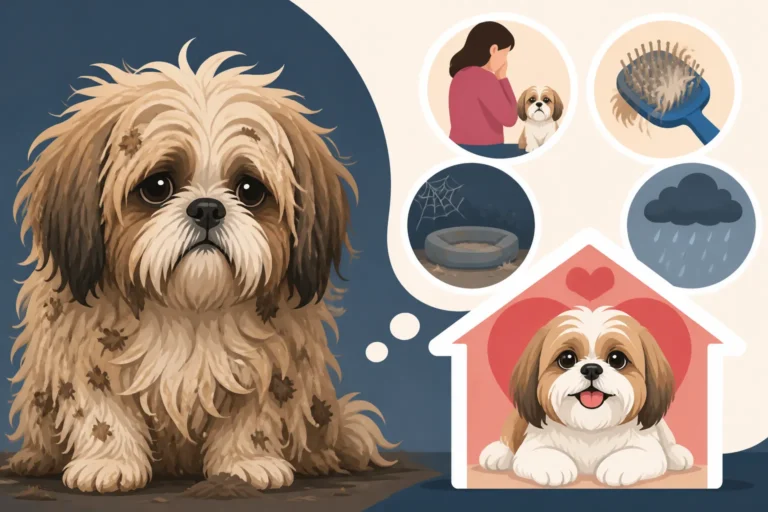
For Shih Tzu owners, the joy of a daily walk can often be overshadowed by the dread of discovering painful mats and tangles in their beloved dog’s luxurious coat, especially around where a harness sits. It’s a constant battle to keep their beautiful double coat free from snags, and an ill-fitting or poorly designed harness can turn a simple stroll into a grooming nightmare. This comprehensive guide is here to help you navigate the world of dog harnesses, specifically focusing on how to choose and properly use one that protects your Shih Tzu's delicate coat, preventing those frustrating mats and ensuring comfortable walks for both of you.
The Unique Challenge of the Shih Tzu Coat and Harnesses
The Shih Tzu's signature feature is undoubtedly their stunning, flowing double coat. While gorgeous, it's also incredibly prone to matting, and harnesses, unfortunately, often exacerbate this issue. Understanding why this happens is the first step toward finding a solution.
Understanding the Double Coat and Matting Mechanics
A Shih Tzu's coat isn't just one layer; it’s a dense double coat composed of a soft, woolly undercoat and a long, silky outer coat. This combination, while providing excellent insulation, is a magnet for tangles. The finer undercoat easily catches on itself, and the longer guard hairs can then wrap around these knots, creating tight, painful mats that pull at the skin.
When a harness is placed over this delicate hair, several things happen:
- Friction: As your Shih Tzu moves, the harness rubs against the coat. This constant friction causes individual hairs to snag, intertwine, and felt together. Think of how a wool sweater pills – it's a similar principle.
- Pressure Points: Harnesses exert pressure on specific areas like the chest, shoulders, and behind the front legs. These areas, under sustained pressure, become prime locations for mats to form quickly and deeply. It's particularly frustrating when you realize a mat has been quietly forming under the harness strap for days.
- Moisture and Dirt Trapping: Harnesses can trap moisture (from rain, humidity, or even sweat) and dirt close to the skin. This damp, grimy environment accelerates matting and can lead to skin irritation or even infections if not addressed promptly. It’s a common scenario after a drizzly walk, where the harness has kept the underlying coat perpetually damp.
Common Harness Types That Cause Problems
Many standard harnesses on the market are simply not designed with a Shih Tzu's unique coat in mind. They often feature materials and designs that are detrimental to long-haired breeds.
- Thin, Rope-Like Straps: These types of harnesses, often made of nylon or thin webbing, are the worst culprits. Their narrow profile digs into the coat, creating intense pressure lines and friction points. They literally cut paths through the hair, compacting and twisting it into tight ropes of matts. You might think they'd be less bulky, but for a Shih Tzu, they're a recipe for disaster.
- Rough, Abrasive Materials: Many harnesses are made from sturdy, durable nylon or polyester. While great for strength, these materials can be quite rough against fine hair, especially when wet. The texture acts like sandpaper against the silky outer coat, roughening the hair cuticle and making it more prone to tangling.
- Ill-Fitting Designs with Gaps: A harness that's too loose will shift and rub excessively, increasing friction. One that's too tight will press the coat down, compacting it. Designs with large gaps or awkward strap placements can also allow the coat to bunch up and mat in uncovered areas, or shift around and cause uneven pressure. It’s a tricky balance, but one that’s crucial for coat health.
The Frustration of Constant Brushing and Damaged Hair
If you're a Shih Tzu owner, you already know the commitment involved in daily grooming. You spend time brushing, detangling, and maintaining that beautiful coat, only for a walk with an unsuitable harness to undo all your hard work. It's disheartening to find deep, stubborn mats where the harness sat, knowing the pain and stress it causes your dog, not to mention the time it takes to carefully work them out. In severe cases, these mats can become so tight they restrict blood flow or pull at the skin, leading to painful sores or even requiring a professional groomer to shave them out – a last resort that no owner wants. The constant struggle can make owners question if they should even use a harness, but for a brachycephalic breed like the Shih Tzu, a harness is generally recommended over a collar to protect their delicate trachea and neck. You can learn more about Why a Shih Tzu Should Wear a Harness Not a Collar in our dedicated guide.
Key Features of a Mat-Friendly Shih Tzu Harness
Finding the right harness for your Shih Tzu doesn't have to be a Herculean task. By focusing on specific features, you can significantly reduce the risk of matting and keep your dog comfortable and stylish.
Material Matters: Soft, Smooth, and Non-Abrasive Fabrics
The material of the harness is paramount. You want something that glides over the coat rather than grabbing or rubbing it.
- Smooth Silks or Satins: While not commonly used for the entire harness, you might find harnesses with silky linings. These are fantastic as they create minimal friction against the coat. Think of how silk scarves protect human hair from breakage – it’s the same principle.
- Soft, Breathable Mesh: High-quality mesh harnesses, particularly those with a very fine, smooth weave, can be excellent. Look for mesh that feels soft to the touch and has a bit of give, allowing it to conform to your dog's shape without digging in. Brands like Puppia often use a soft air-mesh that is gentle.
- Fleece or Neoprene Linings: Many harnesses incorporate soft fleece or neoprene padding, especially on the straps. This adds a layer of cushioning and reduces direct friction between the coarser outer material and your Shih Tzu's coat. This is especially helpful in areas like the chest and armpits, where matting is most prevalent.
- Avoid Rough Webbing: Stay away from harnesses made entirely of coarse nylon webbing, especially those with exposed stitching or rough edges. These are notorious for creating friction and pulling hair.
Design for Minimal Contact and Even Pressure Distribution
The way a harness is constructed greatly influences its interaction with your Shih Tzu's coat. The goal is to minimize friction and distribute pressure broadly, rather than concentrating it in narrow lines.
- Y-Front Design: This is often considered the gold standard for many breeds, including Shih Tzus. An "H-style" or Y-front harness has a strap that goes over the chest and divides into a Y-shape that goes between the front legs and around the torso. Crucially, the chest strap avoids putting pressure directly on the throat, and the straps typically sit away from the sensitive armpit area. This design allows for a natural range of motion and reduces rubbing in high-friction zones.
- Wider Straps: Wider straps distribute pressure over a larger surface area of the coat. This reduces the intensity of friction in any single spot, making it less likely for mats to form. Narrow straps, conversely, act like blades, cutting through the coat and causing more damage.
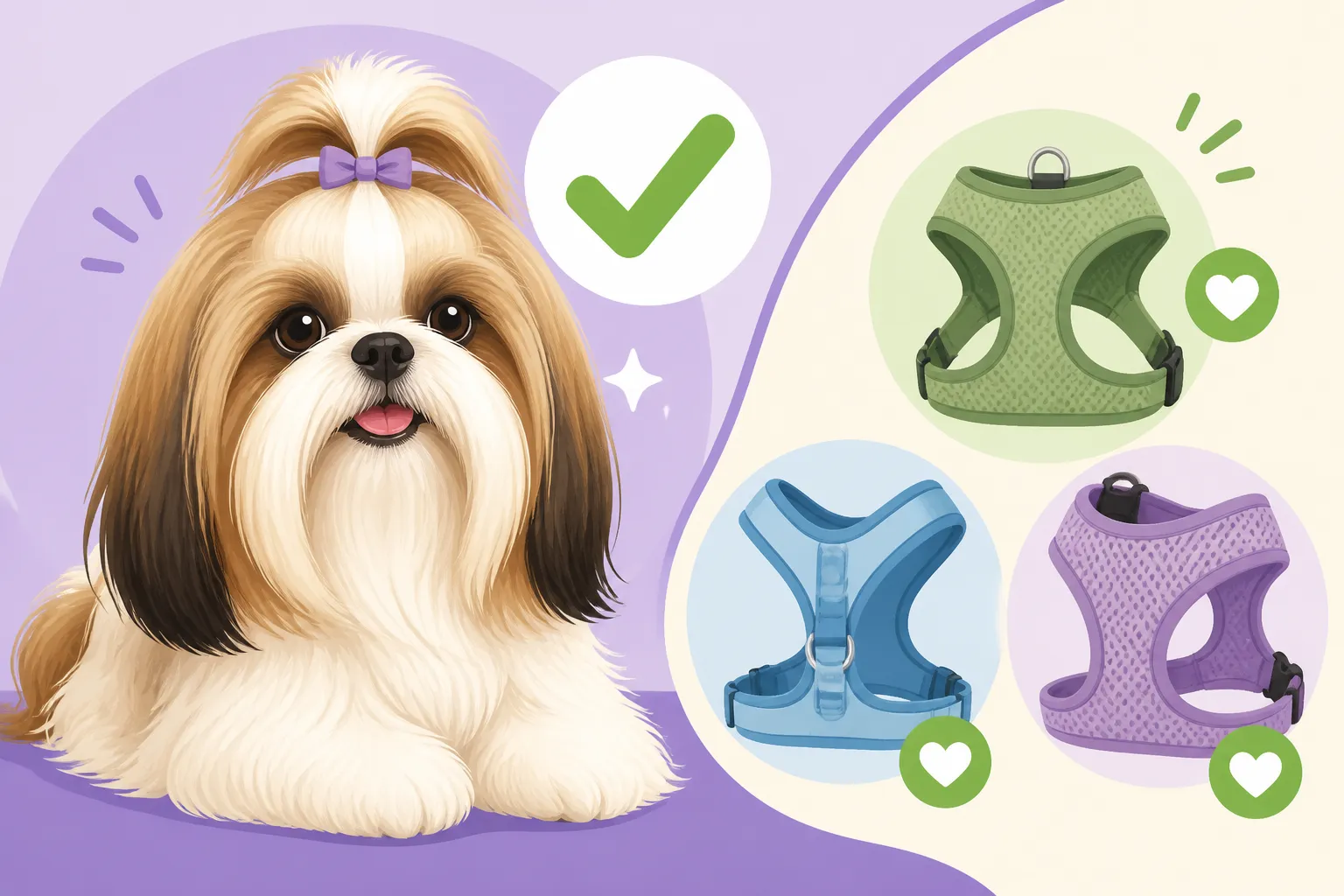
- Vest-Style Harnesses: These harnesses cover a larger portion of the dog's body, often resembling a small vest. The advantage is that the soft fabric covers more of the coat, reducing the amount of exposed hair that can snag directly on straps. Look for vest harnesses with smooth, soft interior linings and ample adjustability. They spread pressure very evenly, almost like a second skin, which can be very comfortable for your Shih Tzu.
Adjustability and Proper Fit Are Non-Negotiable
Even the best material and design won't prevent matting if the harness doesn't fit properly. A harness that's too loose will chafe and shift, causing friction, while one that's too tight will press the coat down and create deep creases where mats can quickly develop.
- Multiple Adjustment Points: Look for harnesses with adjustable straps around the neck, chest, and girth. This allows you to achieve a snug yet comfortable fit that doesn't pinch or slide. For a Shih Tzu, ensuring the harness doesn't rub behind their front legs is critical.
- The Two-Finger Rule: You should be able to comfortably slip two fingers flat under any strap of the harness. If you can fit more, it's too loose. If you struggle to fit two fingers, it's too tight. This ensures enough room for comfortable movement and coat preservation.
- Regular Checks: Your Shih Tzu's weight and coat thickness can fluctuate. Always check the fit before each walk, especially after a groom or if they've gained or lost a little weight. This is part of the overall attention needed for Fitting a Harness Around Shih Tzu Coat.
Recommended Harness Types and Brands for Shih Tzus
Now that we understand the critical features, let's explore some specific types and brands that often prove successful for Shih Tzu owners struggling with matting.
The "H-Style" or Y-Front Harness
As mentioned, the H-style or Y-front harness is often a top contender. Its design effectively avoids the most common matting hotspots.
- Benefits: This style minimizes pressure on the neck and trachea, which is a significant advantage for brachycephalic breeds. The straps typically sit well away from the armpits, reducing friction in these sensitive areas. The "Y" shape on the chest ensures the pulling force is distributed across the breastbone, rather than the delicate throat. This also helps with Shih Tzu Leash Pulling and Harness Choice as it encourages better leash manners without discomfort.
- Things to Look For: Opt for H-style harnesses with soft, rounded edges on the webbing, or those with fleece or neoprene padding on the chest and girth straps. Ensure the buckles are smooth and don't dig into the coat.
- Examples: Brands like Kurgo and Ruffwear offer Y-front designs, though you'll want to check their specific models for material softness and strap width suitable for a Shih Tzu's delicate coat. Always consider the smallest sizes available and review customer feedback from other toy breed owners.
Vest-Style Harnesses with Soft Linings
Vest harnesses can be a fantastic option, especially for Shih Tzus who wear their coats longer or are particularly prone to matting.
- Benefits: By covering a larger area, vest harnesses reduce the number of exposed straps rubbing against the coat. The soft, breathable fabric of the vest itself acts as a protective barrier. They distribute pressure very broadly, almost like a gentle hug, which many dogs find comfortable. The thicker fabric is less likely to create sharp friction lines.
- Things to Look For: Prioritize vests made from very soft, lightweight, and breathable materials. Avoid heavy, stiff fabrics that could cause overheating or restrict movement. Look for a vest that opens fully (usually with Velcro and/or buckles) rather than one you have to pull over your dog's head, which can tug at the coat. Many owners have good experiences with products from Chewy, where a wide selection of vest-style harnesses with various materials can be found, allowing you to compare options like the Gooby Choke Free Harness or the Voyager Step-in Air Harness.
- Examples: The Puppia Soft Harness, a popular choice, is a good example of a soft mesh vest-style harness that many Shih Tzu owners recommend for its comfort and coat-friendliness. Another excellent option, often found on Chewy, is the Doggie Design Cool Mesh Harness. These are designed to be soft and minimize friction.
Brands Known for Shih Tzu-Friendly Designs
While specific models change, some brands consistently produce harnesses that are better suited for toy breeds with delicate coats.
- Puppia: Known for their soft, breathable air-mesh harnesses, Puppia offers several vest-style options that are popular with Shih Tzu owners. Their harnesses are often designed to be choke-free, sitting comfortably on the chest.
- Gooby: Gooby often focuses on lightweight, choke-free designs that cater to smaller breeds. Their soft mesh and fleece-lined options can be excellent for preventing matting. Many of their harnesses are step-in, minimizing the need to pull anything over the dog's head.
- Top Paw (available at PetSmart) and Frisco (available at Chewy): These house brands often have a wide range of harness styles. While not every option will be perfect, you can often find softer, padded, or vest-style harnesses within their collections that fit the criteria. Remember to prioritize material and design over brand name alone. Browsing Chewy's extensive selection allows you to filter by material, size, and style, making it easier to pinpoint options that explicitly state soft linings or padded straps, which are critical for preventing matting.
When choosing a harness, remember that finding the "perfect" one might take a little trial and error. What works wonderfully for one Shih Tzu might not be ideal for another, due to slight differences in body shape, coat texture, or even walking style.
Proper Harness Use and Maintenance to Prevent Matting
Even with the best harness, improper use and a lack of consistent grooming can still lead to coat issues. Integrating the harness into a thoughtful care routine is essential.
The Art of Fitting a Shih Tzu Harness Correctly
A perfectly fitted harness is your best defense against matting. This isn't a "set it and forget it" task; it requires careful attention.
- Measure Accurately: Before you even buy, measure your Shih Tzu's chest girth (the widest part behind the front legs) and neck circumference. Compare these measurements to the brand's sizing chart. Don't guess!
- Positioning: When putting the harness on, ensure the chest strap sits comfortably on the breastbone, not up near the throat. The girth strap should be a few inches behind the armpits, allowing full, unrestricted movement of the front legs. If it’s too close to the armpits, it will cause painful chafing and matting.
- Adjust Gradually: Tighten the straps so they are snug but not tight. You should be able to slide two fingers flat under all straps. If the harness spins easily or your dog can wriggle out, it's too loose. If the coat is compressed or you can't get two fingers under, it's too tight. This careful adjustment is key to preventing Mats Where a Harness Sits on a Shih Tzu.
- Observe Movement: Take your Shih Tzu for a short walk around the house or yard. Watch how they move. Are they walking naturally? Is the harness shifting or rubbing? Does it seem to impede their gait? If you notice any discomfort or unusual movement, readjust.
Daily Routine: Removal, Brushing, and Inspection
Consistent attention is vital for a Shih Tzu's coat, especially around harness areas. This goes beyond the weekly bath.
- Remove After Every Walk: This is perhaps the most crucial step. Never leave a harness on your Shih Tzu for extended periods when not actively walking. The longer it stays on, the more friction it creates and the faster mats will form.
- Brush Before and After: Ideally, give your Shih Tzu a quick brush before putting the harness on, making sure the coat is smooth and free of existing tangles. Immediately after removing the harness, thoroughly brush the areas where the straps lay. This helps to smooth out any nascent tangles before they can tighten into full-blown mats. Our guide on Brushing a Shih Tzu Double Coat Every Day offers comprehensive tips. Pay extra attention to the areas behind the ears, under the armpits, and along the chest and back.
- Use a Detangler Spray: A good detangler spray can be your best friend. Spritz a little on the harness contact areas before brushing, especially if you feel any resistance. This lubricates the hair, making it easier for the brush to glide through. We have a specific post about Detangler Sprays That Work on a Shih Tzu.
- Inspect the Skin: While brushing, always inspect the skin under where the harness sits. Look for redness, irritation, sores, or any signs of skin issues that could be caused by rubbing. Early detection can prevent more serious problems like Shih Tzu Skin Allergies and Hot Spots.
When to Avoid a Harness (or Opt for Alternatives)
While harnesses are generally preferred for Shih Tzus due to their brachycephalic nature, there are times or situations where an alternative approach might be necessary.
- Long Periods of Inactivity: If your Shih Tzu isn't going for a walk, there's no need for them to wear a harness. Removing it allows their coat to breathe and reduces unnecessary friction.
- Very Heavy Matting: If your Shih Tzu already has significant matting, especially in the areas where a harness would sit, putting a harness on will only exacerbate the problem and cause pain. In such cases, the priority is to get the mats removed, likely by a professional groomer, before attempting to use a harness again. You might even consider a The Shih Tzu Puppy Cut and Its Upkeep to manage severe matting, which simplifies harness use considerably.
- Quick Potty Breaks in a Secure Yard: For very quick trips into a secure, fenced yard, a lightweight collar might be acceptable if your Shih Tzu doesn't pull on the leash at all. However, always monitor their breathing, and revert to a harness for any longer walks or walks outside a secure area.
- Medical Conditions: If your Shih Tzu has certain medical conditions, especially involving their skin, back, or breathing, consult your vet about the most appropriate restraint. For example, a dog with severe Shih Tzu Back Problems and Disc Disease might need a very specific harness that provides extra support or avoids pressure on sensitive areas.
Ultimately, finding the right harness for your Shih Tzu involves a blend of careful selection, proper fitting, and diligent grooming. It's an investment in their comfort, health, and the beauty of their iconic coat.
Harness Type Comparison for Shih Tzus
To help you make an informed decision, here's a quick comparison of common harness types and how they stack up for a Shih Tzu's delicate coat:
| Harness Type | Description | Pros for Shih Tzus | Cons for Shih Tzus |
|---|---|---|---|
| H-Style / Y-Front | Straps go over the back, chest, and between front legs, forming a "Y" on the chest. | Minimizes pressure on throat and armpits; good for breathing. | Can still cause friction if straps are narrow or material is rough. |
| Vest Harness | Covers a larger area of the dog's torso with fabric. | Distributes pressure broadly; less direct strap-to-coat friction. | Can be warm in hot weather; some designs are bulky or hard to adjust. |
| Step-In Harness | Dog steps into two loops, then fastens over the back. | Easy to put on/take off; avoids pulling over head. | Many are still narrow-strapped; can rub behind legs if not fitted well. |
| Overhead Harness | Slips over the dog's head, then fastens around the girth. | Secure; often has multiple adjustment points. | Can snag hair when pulling over the head; may put pressure on throat if not Y-front style. |
| Traditional Nylon Webbing | Basic design with thin, often stiff nylon straps. | Durable; widely available. | High friction; narrow straps can cut into coat and cause severe matting. Generally avoided for Shih Tzus. |
Remember, no matter the type, always prioritize soft materials and an impeccable fit.
Disclaimer
This article is intended for informational purposes only and is not a substitute for professional veterinary advice. Always consult with your veterinarian for any health concerns or before making changes to your Shih Tzu's care routine, especially if they have pre-existing conditions.