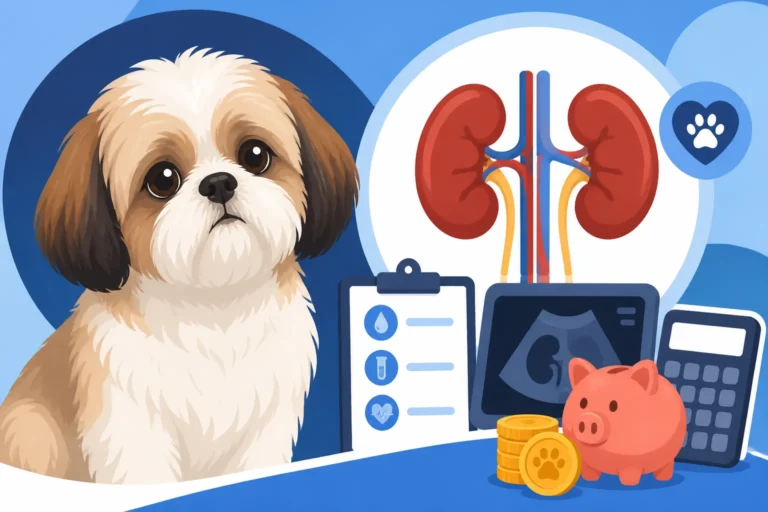
The First Year Cost of a Shih Tzu
Bringing a sweet, fluffy Shih Tzu puppy into your home is an incredibly exciting time, filled with dreams of cuddles and playful antics. However, the initial joy can quickly be overshadowed by the sheer volume of expenses that crop up in that crucial first year, often catching new owners completely off guard. This comprehensive guide will meticulously break down all the financial commitments you can expect, from the moment you decide to get a Shih Tzu to their first birthday, helping you plan and budget effectively for a healthy and happy start.
Initial Investments: Bringing Your Puppy Home
The very first set of costs you'll encounter are often the most significant and can feel like a steep entry fee. These are the foundation upon which your Shih Tzu's first year is built, encompassing the price of the puppy itself and all the essential items needed to welcome them into their new environment.
Understanding Puppy Acquisition Costs
The price of a Shih Tzu puppy can vary dramatically, and it's essential to understand what factors influence these costs. You might see puppies advertised anywhere from a few hundred dollars to several thousand, and that disparity often reflects the quality of breeding, health testing, and the initial care provided. A reputable breeder invests heavily in their dogs, which naturally translates to a higher price tag. They perform genetic health testing on the parent dogs for common Shih Tzu ailments like eye conditions, patellar luxation, and sometimes even Renal Dysplasia and the Shih Tzu Kidney. This proactive approach significantly reduces the likelihood of expensive health problems down the line for your puppy.
When you're looking for a puppy, expect to see prices for a well-bred Shih Tzu typically ranging Shih Tzu Puppy Prices Between $1,000 and $2,500. These prices cover the breeder's extensive health screenings, ensuring the parents are clear of hereditary issues. It also accounts for the mother's veterinary care during pregnancy and whelping, initial vaccinations and deworming for the puppies, and often a microchip. While the upfront cost may seem high, it's an investment in your puppy's long-term health and temperament, saving you considerable veterinary bills and heartbreak in the future. Be wary of unusually low prices, as these often signal a lack of proper care, health testing, or questionable breeding practices like those from puppy mills.
Essential Supplies for a New Puppy
Once you've secured your puppy, the next step is outfitting your home. The list of initial supplies can feel endless, but these items are crucial for your Shih Tzu’s safety, comfort, and integration into your family. Starting with the basics ensures you're prepared for their arrival and minimizes stress for both you and your new furry family member. Think about their sleeping arrangements, feeding, grooming, and safety.
A comfortable crate and bed are paramount for house training and creating a secure den. Choosing the right size crate is important; it should be just big enough for them to stand, turn around, and lie down comfortably. For smaller breeds like Shih Tzus, a cozy bed or a plush blanket inside the crate helps them feel safe. Beyond that, you'll need food and water bowls, a collar or harness (harnesses are generally safer for brachycephalic breeds to avoid neck strain), and a leash. Don't forget an array of puppy-appropriate toys to keep them entertained and redirect chewing. Many owners find reliable online retailers like Chewy offer a fantastic selection and convenience for these initial purchases. For a deeper dive into choosing the right items, check out our guide on Shih Tzu Beds, Crates and Carriers.
Grooming tools are another non-negotiable expense for a Shih Tzu from day one. Their luxurious double coat requires daily attention to prevent matting, so a good quality slicker brush, a metal comb, and puppy-safe nail clippers are essential. You'll also want puppy pads, enzymatic cleaner for inevitable accidents, and a car carrier for safe transport to and from vet visits. While these might seem like small individual purchases, they collectively add up, so factor them into your initial budget.
First Vet Visits and Preventative Care
The moment your Shih Tzu puppy comes home, their health journey truly begins. Your first stop, usually within a few days of bringing them home, will be a visit to your veterinarian for a thorough check-up. This initial appointment is critical for confirming your puppy's health, establishing a relationship with your vet, and setting up their preventative care schedule.
During this first visit, your vet will perform a comprehensive physical exam to check for any underlying health issues. This is often referred to as The Puppy Check a Shih Tzu Needs at Eight Weeks. They’ll review the vaccination and deworming records provided by the breeder and then outline the remaining puppy vaccine series (distemper, parvovirus, adenovirus, parainfluenza, and rabies), which typically involves several boosters over a few months. Deworming might be repeated, and discussions around flea, tick, and heartworm prevention will begin. Many vets also recommend microchipping at this stage, which is a one-time cost that provides invaluable peace of mind should your puppy ever get lost. Each of these visits and treatments has a cost associated with it, usually ranging from $50-$150 per visit for examinations and vaccinations, with additional charges for deworming or microchipping.
Another significant cost in the first year, if not already covered by your breeder, is spaying or neutering. This procedure is typically performed between 6 months and 1 year of age and can cost anywhere from $200 to $600, depending on your location and the veterinary clinic. While it's a planned surgery, it's a vital part of responsible pet ownership, preventing unwanted pregnancies and offering significant health benefits, such as reducing the risk of certain cancers and behavioral issues. Discuss the best timing for this with your vet, taking into account your Shih Tzu’s individual growth and development.
Ongoing Maintenance: Daily and Monthly Expenses
Beyond the initial setup, the first year of Shih Tzu ownership involves a consistent stream of recurring costs. These are the expenses you’ll manage on a weekly or monthly basis to ensure your dog is well-fed, well-groomed, and protected from parasites. It’s these regular outlays that often add up faster than new owners anticipate.
Nutritional Needs: Food and Treats
A cornerstone of your Shih Tzu's health is their diet. Choosing high-quality puppy food specifically formulated for small breeds is paramount in their first year to support healthy growth and development. Look for foods with real meat as the first ingredient and avoid excessive fillers or artificial additives. Given their smaller mouths and potential for an undershot jaw, kibble size is important – it should be small enough for them to chew comfortably.
The monthly cost for quality puppy food can range from $20 to $60, depending on the brand and whether you opt for dry kibble, wet food, or fresh food options. Brands like Ollie, for instance, offer customized fresh food plans that can be a bit more expensive but provide excellent nutrition. Treats also factor into this budget; they're essential for training and positive reinforcement, but choose small, low-calorie options to avoid overfeeding a small breed. Be mindful of Daily Calories for a Twelve Pound Shih Tzu to prevent unhealthy weight gain, which can put strain on their delicate joints and spine.
Grooming Essentials and Professional Care
The Shih Tzu's iconic long, flowing double coat is undeniably beautiful, but it comes with a significant commitment to grooming. Without regular care, their coat can quickly become matted, leading to skin irritations, discomfort, and potentially costly professional dematting. In their first year, establishing a consistent grooming routine is crucial.
You'll need to brush your Shih Tzu daily to prevent tangles and mats, especially behind the ears, under the legs, and where a harness sits. This means investing in a good quality slicker brush, a metal comb, and detangling spray. Beyond daily brushing, your Shih Tzu will require regular baths, typically every 2-3 weeks, using a gentle dog shampoo and conditioner. Many owners opt for a professional groomer every 4-6 weeks to maintain a neat "puppy cut" or a shorter, more manageable style. These professional grooming sessions can range Shih Tzu Grooming at $50 to $90 a Session, sometimes more if the coat is matted. This recurring cost can be one of the higher ongoing expenses, potentially totaling $500 to $1,080 a year, depending on frequency and location.
Preventative Medications
Keeping your Shih Tzu protected from parasites is a non-negotiable part of responsible pet ownership. Even if your puppy spends most of its time indoors, parasites can still find their way in, posing serious health risks. Your veterinarian will recommend a schedule for heartworm, flea, and tick prevention, which are typically administered monthly or quarterly.
Heartworm prevention is a crucial monthly medication, often a chewable tablet, that protects against a potentially fatal parasitic disease transmitted by mosquitoes. The cost for Heartworm Prevention Priced for a Toy Shih Tzu will depend on the brand and your dog's weight, usually running $8-$15 per month. Similarly, flea and tick preventatives, available as topical treatments, oral medications, or collars, are essential, especially if your dog spends any time outdoors. These can cost anywhere from $15-$30 per month. While these costs are recurring, the expense of treating a heartworm infection or a severe flea infestation far outweighs the preventative measures.
Health and Wellness: Anticipating Veterinary Costs
Even with the best care, health issues can arise, and a Shih Tzu's unique breed characteristics often make them prone to specific conditions. Understanding these potential costs and planning for them is a vital part of responsible ownership, especially in the first year when puppies are still developing and exploring.
Routine Veterinary Check-ups
Beyond the initial puppy vaccine series, your Shih Tzu will need at least one annual wellness exam during their first year. These routine visits are more than just quick check-ins; they are crucial opportunities for your veterinarian to assess your dog's overall health, catch any subtle changes, and discuss preventative strategies tailored to their needs. During an annual exam, the vet will perform a nose-to-tail physical, listen to their heart and lungs, check their teeth and gums, examine their eyes (a common concern for Shih Tzus), and palpate their abdomen.
These routine check-ups typically cost between $50 and $150, not including any additional diagnostics or treatments. They are also the time to discuss any behavioral changes you've noticed, address concerns about diet or exercise, and ensure your Shih Tzu is maintaining a healthy weight. Regular veterinary care is truly preventative care; catching issues early can often prevent them from becoming more serious and expensive problems down the road.
Pet Insurance Considerations
Given the Shih Tzu's predispositions to certain health issues—such as Shih Tzu Eye Proptosis, the Emergency Owners Miss, Brachycephalic Breathing in a Shih Tzu, and various joint problems—pet insurance can be an invaluable investment. While it adds a monthly premium to your budget, it can provide significant financial relief if your dog experiences an unexpected illness or injury. Many owners lament not getting insurance before an expensive diagnosis.
Premiums for Shih Tzu Pet Insurance for a Flat-Faced Toy can vary based on your location, your dog's age, and the plan you choose, but typically range from $30-$70 per month for accident and illness coverage. Providers like Healthy Paws are popular for their comprehensive coverage options. It's crucial to enroll your Shih Tzu when they are young and healthy, as most policies consider any condition diagnosed before enrollment a "pre-existing condition," which would not be covered. While you might not see an immediate return on investment in the first year, having a policy in place creates a financial safety net that could save you thousands of dollars in the event of a major medical emergency, such as an eye surgery or a back injury.
Potential Health Concerns in the First Year
Even with a healthy puppy from a reputable breeder, the first year can sometimes bring unexpected veterinary bills. Puppies are curious, prone to eating things they shouldn't, and their immune systems are still developing. Common puppy ailments like kennel cough, giardia, or other intestinal parasites can crop up, requiring veterinary intervention, medications, and follow-up visits.
Beyond general puppy issues, Shih Tzus have specific breed-related concerns that can manifest early. Ear infections, often hidden by their long ear leather, are common, and treating them can involve exams, ear cleanings, and prescription medications, as detailed in Shih Tzu Ear and Skin Infections Under the Coat. Eye issues, such as corneal ulcers from hair irritation or dry eye, can also develop and require ongoing treatment like specialized eye drops. While not every Shih Tzu will experience these in their first year, it's wise to have an emergency fund set aside, perhaps $500-$1000, to cover unexpected vet expenses. This way, you're not caught off guard if a sudden illness or injury requires immediate attention.
Training and Enrichment: Building a Well-Adjusted Companion
Training and socialization are critical investments in your Shih Tzu's first year. These costs, while not always as tangible as a bag of food, lay the groundwork for a well-behaved, confident, and happy companion, preventing far more costly behavioral problems down the road.
Puppy Classes and Basic Obedience
Even though Shih Tzus are primarily companion dogs, training is absolutely essential. Early socialization and basic obedience training help them develop into well-adjusted adults, comfortable in various environments and around different people and animals. Group puppy classes are a fantastic way to achieve this, offering structured learning and crucial socialization opportunities.
These classes typically focus on basic cues like "sit," "stay," "come," and "leave it," as well as addressing common puppy behaviors like nipping and jumping. The cost for a puppy kindergarten class usually ranges from $100 to $250 for a multi-week course. Finding Puppy Classes That Suit a Shih Tzu is about more than just obedience; it's about building confidence and preventing fear-based behaviors. While you might be able to teach some basics at home, the structured environment and expert guidance of a trainer are invaluable. Some owners also opt for private training sessions if they face specific challenges, which can be significantly more expensive but highly effective.
House Training Realities
Ah, house training – the bane of many new puppy owners' existence! While every puppy is different, Shih Tzus can sometimes be a bit more challenging to house train due to their small bladders and occasional stubbornness. This means you might find yourself investing in extra supplies and, for some, professional assistance.
Expect to spend money on high-quality enzymatic cleaners for accidents, as well as plenty of puppy pads or an indoor potty system if you live in an apartment or during inclement weather. The mental and physical toll of constant cleaning can be taxing, and the cost of cleaning supplies can add up quickly. If you're struggling, a professional trainer specializing in house training can be a worthwhile investment, though these services typically cost more than group classes. For more insights on this, you can read our detailed article, Why Shih Tzu House Training Runs Long. The key is consistency, patience, and a recognition that this can be a long-term project.
Socialization and Enrichment
Beyond formal training classes, providing your Shih Tzu with varied socialization experiences is vital for their development. This means exposing them safely to different sights, sounds, people, and other vaccinated, friendly dogs during their critical socialization window (typically up to 16 weeks of age, but continuing beyond).
These experiences don't always come with a direct cost, but they might involve things like puppy playdates at a friend's house, short trips to a pet-friendly store (where they can be safely carried), or even carefully managed visits to a calm park. If you work long hours, you might consider doggy daycare for socialization and exercise, which can cost $20-$40 per day. While you might think these are optional, a well-socialized Shih Tzu is less likely to develop fear, anxiety, or aggression issues later in life, which can be incredibly difficult and expensive to address. Providing a variety of toys, puzzle feeders, and mental enrichment activities also contributes to their overall well-being and prevents boredom-related destructive behaviors, adding a small but steady stream of costs for new items throughout the year.
Miscellaneous and Unexpected Costs: The Surprises That Add Up
It's easy to budget for the obvious recurring expenses, but owning a Shih Tzu, like any pet, comes with a host of smaller, less predictable costs that can surprisingly add up over the first year. Being aware of these helps you avoid financial stress.
Toys and Enrichment
While mentioned briefly in initial supplies, the need for new toys and enrichment items is an ongoing expense. Puppies chew, explore, and quickly lose interest, so rotating and replacing toys is a regular occurrence. For a Shih Tzu, durable, appropriately sized toys that can withstand their chewing without posing a choking hazard are essential.
Expect to spend anywhere from $10-$30 per month on new toys, chews, and puzzle feeders. These aren't just for fun; they're vital for mental stimulation, redirecting destructive chewing, and preventing boredom, especially when your Shih Tzu is left alone. Puzzle toys, in particular, can help keep their active minds engaged. Investing in good quality, safe toys can also prevent costly vet visits for ingested foreign objects.
Licensing and Identification
Most municipalities require dogs to be licensed, and the fees for these licenses are an annual expense. These fees typically range from $10-$30 per year, though they can vary. Licensing helps ensure your dog is vaccinated against rabies and provides a way for animal control to contact you if your Shih Tzu ever gets lost.
Beyond the initial microchip, which is often a one-time fee, you'll also need identification tags for their collar or harness. These tags should include your phone number and potentially your address. While relatively inexpensive, losing a tag means replacing it, so factor in a small budget for this. A clearly identified Shih Tzu is far more likely to be returned home safely if they ever wander off.
Emergency Fund and Unexpected Situations
This is perhaps the most crucial "miscellaneous" cost: having an emergency fund. No matter how well you plan or how healthy your puppy seems, unexpected medical emergencies can happen. A sudden illness, an accident, or an ingested foreign object can quickly lead to veterinary bills soaring into the hundreds or even thousands of dollars.
Even with pet insurance, there's often a deductible and a co-pay, meaning you'll still be responsible for a portion of the bill upfront. Building a dedicated emergency fund of at least $500-$1,000 in your Shih Tzu's first year is highly recommended. This fund acts as a financial safety net, allowing you to make medical decisions based on what's best for your dog, rather than being constrained by cost. For more on preparing for these unexpected situations, take a look at our guide on Shih Tzu Emergency Vet Costs Owners Should Expect. This financial buffer truly provides peace of mind and allows you to react quickly in a crisis.
Budgeting Strategies: Making Shih Tzu Ownership Sustainable
Understanding all the potential costs is the first step; the next is creating a realistic budget and adopting strategies to make Shih Tzu ownership financially sustainable throughout their long lifespan. It's about being prepared, making smart choices, and prioritizing your pet's needs.
Prioritizing Expenses Wisely
When planning your Shih Tzu's first-year budget, it's essential to distinguish between areas where you can comfortably save and areas where cutting corners could compromise your pet's health and well-being. For instance, you can save money by learning to perform basic grooming tasks at home, such as daily brushing, occasional baths, and face trims between professional grooming appointments. Even simple things like making your own healthy, small dog treats can chip away at the budget.
However, never skimp on crucial expenses like high-quality puppy food, regular veterinary check-ups, and preventative medications (heartworm, flea/tick). Investing in a reputable breeder, while a higher initial cost, often leads to fewer hereditary health issues down the line, saving you considerably in vet bills over the years. Similarly, proper training and socialization are non-negotiable investments that prevent costly behavioral issues later. Prioritizing these foundational elements ensures your Shih Tzu has the best possible start.
Creating a Detailed First-Year Budget
The best way to manage the financial demands of a new Shih Tzu is to create a detailed, realistic budget. Start by listing all the initial, one-time costs, then project your recurring monthly and annual expenses. Don't forget to include a buffer for unexpected costs.
Here's an example of what a first-year budget might look like:
| Category | Initial (One-time) Cost Estimate | Monthly Cost Estimate | Annual Total (Ongoing) |
|---|---|---|---|
| Puppy Acquisition | $1,000 – $2,500 | – | – |
| Initial Supplies (Crate, Bed, Bowls, Leash, Toys) | $150 – $400 | – | – |
| First Vet Visits (Exams, Vaccines, Microchip) | $200 – $500 | – | – |
| Spay/Neuter (if not included) | $200 – $600 | – | – |
| Subtotal Initial | $1,550 – $4,000 | ||
| Food & Treats | – | $30 – $70 | $360 – $840 |
| Grooming (Professional & Home Supplies) | – | $60 – $120 | $720 – $1,440 |
| Preventative Meds (HW/Flea/Tick) | – | $25 – $45 | $300 – $540 |
| Pet Insurance | – | $30 – $70 | $360 – $840 |
| Training (Puppy Classes) | $100 – $250 | – | $100 – $250 |
| Toys & Enrichment | – | $10 – $30 | $120 – $360 |
| Licensing & ID Tags | $10 – $30 | – | $10 – $30 |
| Subtotal Ongoing | $1,970 – $4,290 | ||
| Emergency Fund (Recommended) | $500 – $1,000 | – | |
| Grand Total (Year 1) | $4,020 – $9,290 |
Note: These are estimates and can vary significantly by region and specific choices.
Tracking your spending for the first few months can help you refine your budget and identify areas where you might be over or underspending. Be flexible, as unforeseen circumstances will always arise.
Long-Term Financial Planning for Your Shih Tzu
While this guide focuses on the first year, it's important to understand that the costs of Shih Tzu ownership don't magically disappear after their first birthday. In many ways, the first year is just the beginning. As Shih Tzus can live a relatively long time, often Shih Tzu Lifespan and the Thirteen Year Average, you're looking at over a decade of financial commitment.
Some costs may decrease (no more puppy shots!), but others will remain consistent (food, grooming, preventatives), and new ones may emerge as they age (senior-specific diets, increased vet visits, medications for chronic conditions). Our article Thirteen Years of Shih Tzu Costs Added Up offers a broader perspective on the lifetime financial commitment. Establishing good budgeting habits in the first year will set you up for success and allow you to provide consistent, loving care for your Shih Tzu throughout their entire life. Being prepared for these financial realities ensures a stress-free and joyful partnership with your beloved companion.
Disclaimer
The information provided in this article is for general guidance and informational purposes only, and does not constitute professional veterinary or financial advice. Costs can vary significantly based on location, individual pet needs, and specific service providers. Always consult with a qualified veterinarian for any health concerns or before making decisions about your pet's care.