A Shih Tzu Squinting With One Eye
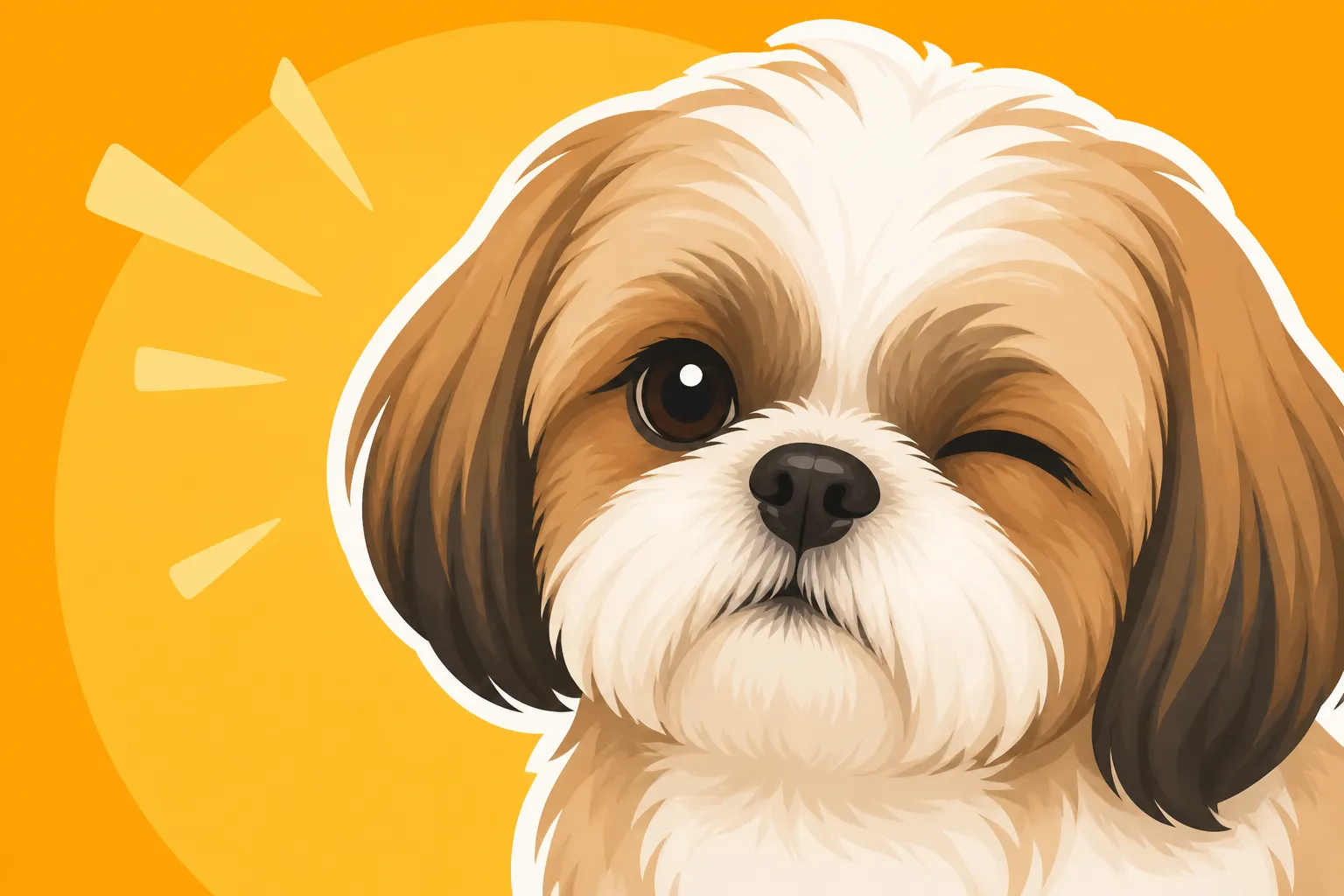
It’s incredibly distressing to see your sweet Shih Tzu suddenly squinting or keeping one eye tightly shut. That little furrowed brow and obvious discomfort can send any loving pet parent into a panic, and rightfully so – a squinting eye is almost always a sign of pain and indicates that something isn't quite right. This comprehensive guide is here to walk you through the most common reasons why your Shih Tzu might be experiencing this particular agony, what steps you need to take, and how to help prevent these issues in the future.
Why Your Shih Tzu Might Be Squinting
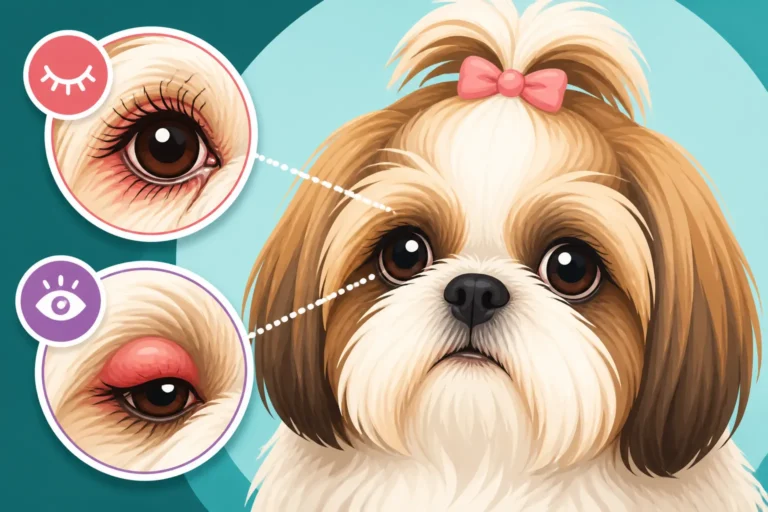
When a Shih Tzu squints, it’s not just a cute expression; it’s a physiological response to pain or irritation in the eye. Their unique brachycephalic (flat-faced) anatomy, combined with their long, flowing hair, makes them particularly prone to a whole host of eye problems. Understanding these common culprits is the first step towards getting your furry friend the relief they need.
Eye Irritation from Debris or Hair
One of the most frequent and perhaps least serious reasons your Shih Tzu might be squinting is a simple foreign body in their eye. Think about it: our little "lion dogs" are often low to the ground, sniffing out interesting scents, and their long facial hair, while beautiful, can easily sweep debris directly into their eyes. This could be anything from a tiny speck of dust, a stray piece of kibble, a blade of grass, or even a stubborn bit of their own hair.
The Shih Tzu's prominent, somewhat bulging eyes, characteristic of their breed, offer less protection compared to dogs with deeper-set eyes. This means airborne irritants or even just a gust of wind carrying pollen can easily land directly on the delicate surface of their eye. The irritation causes discomfort, leading your dog to squint in an attempt to alleviate the pain and protect the eye from further assault. You might also notice increased tearing or pawing at the eye as they try to dislodge the offender. It’s a frustrating scenario because sometimes the irritant is so small, it’s practically invisible to the naked eye, yet it causes significant distress for your pup.
Corneal Ulcers or Scratches
This is where things can get more serious and definitely warrant immediate veterinary attention. A corneal ulcer is essentially an open sore on the surface of the eye, specifically on the cornea, which is the transparent outer layer. Imagine having a tiny scratch on your own eye – it’s incredibly painful, right? For a Shih Tzu, it’s no different, and the pain is often intense enough to cause persistent squinting.
Corneal ulcers in Shih Tzus are sadly quite common. Their shallow eye sockets mean their eyes are more exposed and vulnerable to trauma. A playful bump into furniture, a scratch from a rough play session with another dog, or even constant rubbing from an ingrown eyelash can be enough to create a corneal abrasion that quickly develops into an ulcer. If left untreated, these ulcers can deepen, become infected, and in severe cases, even lead to rupture of the eyeball or permanent vision loss. You might notice your Shih Tzu's eye appearing red, watery, cloudy, or they might have a thick discharge. It's critical not to delay seeking help if you suspect an ulcer. You can learn more about this prevalent issue in our detailed article on Shih Tzu Corneal Ulcers From a Shallow Socket.
Dry Eye (Keratoconjunctivitis Sicca – KCS)
Another significant reason for squinting in Shih Tzus is a condition known as Keratoconjunctivitis Sicca, or KCS, more commonly referred to as "dry eye." This isn't just a minor annoyance; it's a chronic condition where the eye doesn't produce enough tears, or the tears produced are of poor quality. Normal tears do more than just moisten the eye; they contain essential nutrients and antibodies that protect the cornea from damage and infection.
When tears are insufficient, the eye becomes chronically dry, irritated, and incredibly uncomfortable. This constant dryness and friction can lead to inflammation, redness, and yes, persistent squinting as your Shih Tzu tries to find relief. Without adequate tears, the cornea is also much more susceptible to damage, including painful ulcers. Over time, chronic dry eye can lead to a dull, cloudy appearance of the eye, often accompanied by a thick, yellowish-green discharge, and even vision impairment if not managed properly. Many Shih Tzus require lifelong eye drops to stimulate tear production and keep their eyes comfortable. We delve much deeper into this frustrating condition and its management in our post about Dry Eye in a Shih Tzu and Lifelong Drops.
Other Common Eye Issues Causing Squinting in Shih Tzus
Beyond the immediate irritation of debris, ulcers, or dry eye, several other conditions specific to the Shih Tzu breed or common in dogs can cause that painful squint. Being aware of these will help you understand the urgency of a vet visit and what your veterinarian might be looking for.
Eyelash and Eyelid Abnormalities
The delicate nature of a Shih Tzu's eye structure makes them prone to various eyelid and eyelash issues that can cause chronic irritation and, you guessed it, squinting. These aren't always immediately obvious to the untrained eye, but they can cause significant discomfort for your dog.
- Entropion: This is a condition where a portion of the eyelid, usually the lower one, rolls inward towards the eyeball. When this happens, the eyelashes and sometimes even the hair on the eyelid itself rub against the sensitive surface of the cornea. Imagine having a constant eyelash poking your eye – it’s terribly irritating! This continuous rubbing can lead to pain, excessive tearing, redness, and can even cause corneal ulcers. Severe entropion often requires surgical correction to roll the eyelid back to its normal position, providing immense relief. You can read more about this in our article, Shih Tzu Entropion and Eyelid Surgery.
- Distichiasis and Ectopic Cilia: These terms refer to abnormally growing eyelashes.
- Distichiasis involves extra eyelashes growing from the oil glands (meibomian glands) along the eyelid margin, often emerging through the duct openings. These can be soft and harmless, or stiff and coarse, constantly rubbing against the cornea, leading to irritation, tearing, and squinting.
- Ectopic cilia are even more problematic. These are single eyelashes that grow through the conjunctiva (the pink lining of the eyelid) and point directly at the cornea. Because they emerge from an unusual spot and usually point inward, they cause severe, pinpoint irritation and intense pain, making your Shih Tzu squint dramatically. Both conditions usually require veterinary intervention, often involving cryosurgery (freezing) or surgical removal of the offending lashes. We cover this in detail in Shih Tzu Eyelashes Growing Into the Eye.
Glaucoma
Glaucoma is a serious, painful, and sight-threatening condition that demands immediate emergency veterinary care. It involves an increase in the fluid pressure inside the eye (intraocular pressure). Think of it like a tire overinflating – the pressure builds up and causes immense pain and damage to the optic nerve, which transmits visual information to the brain.
In Shih Tzus, glaucoma can sometimes be primary (inherited) or secondary to another underlying eye condition, such as inflammation or a tumor. The onset can be sudden and dramatic. You'll likely notice extreme pain, evidenced by intense squinting, a visibly red eye, a cloudy or blue appearance to the cornea, and often a dilated pupil that doesn't respond to light. The eye might even appear larger or more bulging than the other. Because the pain is so severe, your Shih Tzu might be withdrawn, reluctant to be touched, or constantly pawing at their face. Time is of the essence with glaucoma; irreversible vision loss can occur within hours if treatment is delayed. This is a true emergency, much like Shih Tzu Eye Proptosis, the Emergency Owners Miss, and requires immediate veterinary intervention to save vision and relieve pain.
Conjunctivitis (Pink Eye)
Just like in humans, dogs can get conjunctivitis, often referred to as "pink eye." This is an inflammation of the conjunctiva, the mucous membrane that lines the inside of the eyelids and covers the white part of the eyeball. While it can affect one eye, it often affects both.
Conjunctivitis causes the eye to become red, swollen, and itchy, leading your Shih Tzu to squint and rub at it. You might also see clear, watery discharge that can become thicker and yellowish if a bacterial infection sets in. The causes are varied and can include:
- Allergies: Environmental allergens like pollen, dust mites, or even certain foods can trigger an allergic reaction in the eyes.
- Bacterial or Viral Infections: Just like a cold can cause pink eye in people, bacteria or viruses can infect your dog's eyes.
- Irritants: Smoke, chemicals, or foreign bodies (like that pesky hair we talked about earlier) can irritate the conjunctiva.
- Underlying Conditions: Sometimes, conjunctivitis is a symptom of another eye problem, such as dry eye, or even a systemic illness.
While generally less immediately sight-threatening than glaucoma or deep ulcers, conjunctivitis is uncomfortable and should be diagnosed and treated by a vet to prevent secondary infections or worsening of symptoms.
When to Seek Veterinary Care and What to Expect
Seeing your Shih Tzu in discomfort is agonizing, and knowing when to act is crucial. When it comes to eye issues, delays can have serious consequences.
Immediate Action Steps at Home
The moment you notice your Shih Tzu squinting, your first instinct is likely to help them. Here are a few safe immediate steps you can take:
- Observe Carefully: Take a moment to gently examine their eye. Look for obvious foreign objects like a piece of grass or hair. Note any redness, swelling, cloudiness, or discharge (its color and consistency). Is one eye affected or both? Is your dog pawing at it, or is the squinting intermittent?
- Gentle Cleaning: If you see something minor, like a loose hair or speck of dust, you can try to flush it out with a sterile saline solution made specifically for eyes (you can often find these at pet stores or human pharmacies – just make sure it’s plain saline and not a medicated wash). Gently apply drops to the eye, allowing tears to help flush. Never use tap water, as it's not sterile and can contain microorganisms that might cause infection.
- Prevent Rubbing: The biggest danger when an eye is irritated is your dog rubbing or pawing at it, which can turn a minor irritation into a serious corneal scratch or ulcer. If your Shih Tzu is constantly pawing, consider using an Elizabethan collar (the "cone of shame") if you have one on hand, even temporarily, until you can get to the vet.
What you should not do is equally important:
- Do NOT self-medicate: Never use old prescription eye drops, human eye drops, or any other medication without specific veterinary instruction. Some human eye drops can be harmful to dogs, and drops containing steroids can severely worsen a corneal ulcer.
- Do NOT try to remove embedded objects: If something looks stuck in the eye, do not attempt to remove it yourself. You could cause more damage.
The Importance of a Prompt Vet Visit
Any time your Shih Tzu is squinting, especially if it's persistent, accompanied by redness, discharge, cloudiness, or visible pain, a trip to the veterinarian is absolutely non-negotiable. This isn't something to "wait and see" about. As mentioned with conditions like corneal ulcers and glaucoma, early intervention can be the difference between full recovery and permanent vision loss or severe complications.
When you arrive at the vet, they will conduct a thorough eye examination. This typically involves several steps:
- Ophthalmic Exam: Your vet will carefully examine the eye using an ophthalmoscope to look for foreign bodies, signs of inflammation, or structural abnormalities of the eyelids and eyelashes.
- Fluorescein Stain Test: This is a crucial test for detecting corneal ulcers. A special orange dye is applied to the eye. If there's any damage or an ulcer on the cornea, the dye will stick to the exposed deeper layers and glow under a blue light, revealing the extent of the damage.
- Schirmer Tear Test: If dry eye (KCS) is suspected, your vet will place a small strip of special paper under the lower eyelid for a minute to measure tear production. This determines if your Shih Tzu is producing enough tears.
- Tonometry: This test measures the intraocular pressure to check for glaucoma. A special instrument is gently placed on the surface of the eye to get a reading. This is quick and painless.
These diagnostic tools allow your vet to pinpoint the exact cause of the squinting and formulate an appropriate treatment plan. The costs associated with these diagnostic tests and subsequent treatments can sometimes be a surprise, especially if it turns out to be a serious issue requiring specialist care. Having a good pet insurance plan, like one from Healthy Paws, can be a huge relief in these situations, helping to cover unexpected veterinary bills and ensuring you can get your Shih Tzu the best care without financial stress. Many policies will cover the costs of diagnostics, medications, and even specialist consultations for conditions like corneal ulcers, glaucoma, and dry eye.
Treatment Options for Common Eye Conditions
Once your veterinarian has diagnosed the cause of the squinting, they will recommend a specific course of action. Treatment options vary widely depending on the underlying issue:
- For Foreign Bodies/Irritation: If a foreign object is found, your vet may remove it, often with specialized instruments. They might prescribe antibiotic eye drops to prevent infection and anti-inflammatory drops to reduce discomfort.
- For Corneal Ulcers: Treatment typically involves antibiotic eye drops or ointments to prevent infection, pain medication (oral or topical), and sometimes serum drops (made from your dog's own blood) to promote healing. In severe cases, or if the ulcer isn't healing, surgery might be necessary, ranging from a debridement (gentle scraping to encourage new cell growth) to more complex procedures.
- For Dry Eye (KCS): Lifelong management is often required. This usually includes tear-stimulating medications like cyclosporine or tacrolimus eye drops, artificial tears for lubrication, and possibly antibiotic drops if there's a secondary infection.
- For Eyelash/Eyelid Abnormalities (Entropion, Distichiasis, Ectopic Cilia): Minor cases of distichiasis might be managed by plucking the lashes (though they often grow back). More severe or persistent cases, along with entropion and ectopic cilia, typically require surgical correction by your vet or a veterinary ophthalmologist to permanently remove or correct the offending structures.
- For Glaucoma: This is a medical emergency. Treatment aims to rapidly reduce intraocular pressure and save vision. This involves a combination of topical eye drops and oral medications to decrease fluid production and increase drainage. In some cases, surgical procedures may be considered, and unfortunately, if the eye is blind and painful, removal of the eye may be the kindest option.
- For Conjunctivitis: Treatment depends on the cause. Bacterial conjunctivitis typically responds to antibiotic eye drops. Allergic conjunctivitis might require anti-inflammatory drops or identification and avoidance of the allergen.
Throughout any treatment, your vet will likely recommend an Elizabethan collar to prevent your Shih Tzu from rubbing or scratching the affected eye, which could exacerbate the condition or introduce infection.
Preventing Eye Issues in Your Shih Tzu
Given how prone Shih Tzus are to eye problems, prevention and proactive care are absolutely essential. A little effort each day can go a long way in keeping their precious eyes healthy and comfortable.
Regular Grooming and Face Care
The long, luxurious coat of a Shih Tzu is beautiful, but it requires diligent care, especially around their eyes. Hair constantly brushing against the cornea is a major source of irritation and can lead to ulcers or chronic discomfort.
- Keep Facial Hair Trimmed or Tied Up: This is probably the most crucial preventive measure. Regularly trim the hair around your Shih Tzu's eyes, making sure it's short enough not to touch the eye surface. If you prefer the classic Shih Tzu topknot, ensure it is tied securely and high enough so that all the hair is held away from their eyes. We have a detailed guide on Trimming Face Hair Away From Shih Tzu Eyes and The Shih Tzu Topknot and Keeping Hair Out of the Eyes to help you master this.
- Daily Eye Wiping: Your Shih Tzu's prominent eyes and natural tear production (even healthy tears) can lead to tear staining and moisture accumulation in the facial folds, which can harbor bacteria and yeast. Gently wipe around their eyes at least once or twice a day with a soft, damp cloth or a specialized pet eye wipe to keep the area clean and dry. This helps prevent irritation from dried tear crusts and keeps the skin healthy. Our article on Wiping a Shih Tzu Face Twice a Day offers practical tips.
Environmental Management
While you can't control everything in your environment, you can certainly minimize exposure to potential irritants for your Shih Tzu.
- Avoid Dusty or Windy Environments: If you live in an area prone to dust or strong winds, try to keep your Shih Tzu indoors during peak times or limit their outdoor exposure. When going for walks, consider a dog stroller or carrier that shields them somewhat from direct wind and debris, especially if they are prone to dry eye or have known sensitivities.
- Supervise Play: Always supervise your Shih Tzu when they're playing with other dogs or even with toys. A paw to the face, a rough tumble, or even an errant toy can easily cause eye trauma in a breed with such exposed eyes. Teach children to interact gently and responsibly around your Shih Tzu's face.
- Maintain a Clean Home: Regularly vacuuming and dusting can reduce airborne irritants that might find their way into your dog's eyes. Be mindful of cleaning products and air fresheners; strong fumes can be irritating to sensitive canine eyes.
Proactive Veterinary Check-ups
Regular veterinary care isn't just for when something is wrong; it's your best defense for catching potential issues early and maintaining your Shih Tzu's overall health, including their eyes.
- Annual (or Bi-Annual for Seniors) Exams: Your vet will always include an eye examination as part of your Shih Tzu's routine check-up. They can spot subtle signs of developing dry eye, early entropion, or other issues before they become painful or severe. Early detection of conditions like glaucoma can dramatically improve the prognosis.
- Discuss Breed Predispositions: Be open with your veterinarian about the Shih Tzu breed's known predispositions to eye problems. This can prompt them to be particularly vigilant during exams and recommend specific preventive strategies. If your Shih Tzu has had eye issues in the past, or if certain conditions like KCS or chronic ulcers run in their lineage, these discussions are even more important.
- Pet Insurance as a Safety Net: While routine check-ups are preventative, unexpected eye emergencies or chronic conditions can still arise. Having comprehensive pet insurance from a provider like Healthy Paws ensures that if your Shih Tzu develops a sudden corneal ulcer, needs ongoing dry eye medication, or requires specialist eye surgery, you'll be financially prepared. This allows you to focus on your dog's recovery without the added burden of overwhelming vet bills. It’s about peace of mind for both you and your beloved companion.
By being proactive with grooming, managing their environment, and maintaining regular veterinary care, you can significantly reduce the risk of your Shih Tzu experiencing painful eye conditions and help them live a comfortable, happy life, free from persistent squinting.
Disclaimer
The information provided in this article is for general informational purposes only and is not intended as a substitute for professional veterinary advice. Always seek the advice of your veterinarian or other qualified animal health provider with any questions you may have regarding a medical condition or the health and welfare of your pet.