Nostril Surgery on a Shih Tzu Puppy
It's incredibly distressing to watch your tiny Shih Tzu puppy struggle for every breath, snorting and snuffling as if their nose is constantly blocked. This persistent difficulty isn't just uncomfortable for them; it can impact their entire quality of life, leading to exhaustion and even more serious health issues down the line. This guide is here to walk you through understanding why some Shih Tzu puppies need nostril surgery, what the procedure entails, and how it can bring immense relief to your beloved furry friend.
Understanding Stenotic Nares in Shih Tzu Puppies
When you first bring home a Shih Tzu puppy, their adorable flat face and smooshed nose are part of their charm. But sometimes, this unique facial structure, while undeniably cute, can come with significant breathing challenges. Many owners just assume that all the snorting and heavy breathing is "normal" for the breed, but often, it's a sign of something more serious that needs attention.
The Anatomy of a Brachycephalic Breed
Shih Tzus are what we call a "brachycephalic" breed, a term that literally means "short-headed." This refers to their distinctive flat faces, which are a result of selective breeding over centuries. While it gives them that irresistible appeal, it also means their internal anatomy is compressed. Their skull is shorter, but all the soft tissues – like their palate, tongue, and airways – are still there, just crammed into a much smaller space. Think of trying to fit a full-sized shirt into a doll's wardrobe; it just doesn't quite work right. This anatomical compression is the root cause of many of the breathing issues we see in Shih Tzus.
Their nasal passages, in particular, can be significantly affected. Instead of wide, open nostrils that allow for free airflow, many Shih Tzus are born with what are called "stenotic nares." This simply means their nostrils are too narrow or pinched, making it incredibly difficult for them to inhale properly through their nose. It's like trying to breathe through a tiny straw all day, every day. This isn't just a minor inconvenience; it forces them to work much harder to get oxygen, and it’s a constant strain on their system.
Recognizing the Signs of Trouble Breathing
It's easy to dismiss some breathing noises as just "Shih Tzu quirks," but knowing what to look for can make all the difference. If your puppy sounds like a little piglet constantly snorting and snuffling, or if their breathing is generally noisy even when they're resting, that's a red flag. You might hear a distinct whistling or gasping sound, especially after a burst of play or excitement. They might also engage in what's known as the "reverse sneeze," a dramatic inhalation and snorting that can be quite alarming to witness. While occasional reverse sneezes can happen, frequent or prolonged episodes could indicate underlying airway issues.
Beyond just the noises, pay close attention to their behavior. A puppy with significant stenotic nares might show exercise intolerance, meaning they get winded and tired very quickly during playtime, often preferring to just lie down. They might also pant excessively, even in mild temperatures, because their compromised airways make it hard for them to regulate their body temperature. In more severe cases, you might notice their gums or tongue taking on a bluish tint during stress or heavy breathing, which is a medical emergency known as cyanosis, indicating a lack of oxygen. Observing these subtle yet persistent signs is crucial for catching the problem early.
Why Narrow Nostrils Are a Problem
When a Shih Tzu puppy has severely narrowed nostrils, it creates a bottleneck for air entry. Because they can't get enough air in through their nose, they often compensate by breathing more through their mouth. This constant mouth breathing is less efficient and can lead to a dry mouth and throat, which can be irritating. More significantly, the increased effort required to suck air through those tiny openings creates a negative pressure within their upper airway. Over time, this negative pressure can pull other soft tissues into the airway, exacerbating the problem.
For instance, this chronic strain can cause the soft palate, which is already often too long in brachycephalic breeds (an issue known as an ), to become even more swollen and floppy, further obstructing airflow. It can also lead to everted laryngeal saccules, where small pouches of tissue near the vocal cords get pulled inside out, creating even more blockages. Effectively, the narrow nostrils are often just the first domino in a series of airway problems collectively known as brachycephalic airway syndrome. Addressing the stenotic nares early on can often prevent these secondary issues from becoming severe, improving the puppy's ability to cool itself effectively and enjoy a much better quality of life overall.
When and Why Nostril Surgery Becomes Necessary
Deciding on surgery for your puppy is a big step, and it's natural to feel apprehensive. However, understanding the long-term benefits and the veterinarian's rationale can help you feel more confident in the decision. For many Shih Tzu puppies with severe stenotic nares, surgery isn't just about comfort; it's about preventing a lifetime of respiratory struggle and related health complications.
Early Intervention for Long-Term Health
Many veterinarians recommend addressing stenotic nares when a Shih Tzu puppy is still quite young, often between three to six months of age. The reasoning behind this early intervention is sound: the sooner you alleviate the primary obstruction (the narrow nostrils), the less strain there will be on the rest of the respiratory system. This can prevent the secondary issues, like an elongated soft palate or everted laryngeal saccules, from developing or worsening. Imagine if your house had a plumbing issue; fixing the leak early prevents widespread water damage. It's a similar principle here.
By improving airflow from a young age, you're not just making breathing easier in the short term. You're setting your puppy up for better health and a more active life, reducing the risk of conditions like Shih Tzu Exercise Intolerance in Summer. Correcting the nostrils early also minimizes the chronic inflammation and swelling that can occur in the throat from constant strenuous breathing. It’s a proactive step that can lead to a dramatically improved quality of life for your Shih Tzu, reducing their overall respiratory effort and enhancing their ability to breathe freely, both awake and asleep, leading to less of The Snoring That Means a Shih Tzu Airway Problem. It’s also worth noting that pet insurance plans, like those offered by Healthy Paws, typically cover brachycephalic surgeries like this, especially if diagnosed and treated before significant secondary issues develop or if they aren't explicitly excluded by a pre-existing condition clause.
The Diagnostic Process
So, how does your vet determine if your puppy needs surgery? It usually starts with a thorough physical examination. Your veterinarian will carefully observe your puppy's breathing pattern, listening for any abnormal sounds even when the puppy is calm. They'll visually inspect the nostrils to see if they appear pinched or if the wings of the nose collapse inward during inhalation. Often, the severity can be assessed by how much the puppy struggles to breathe through its nose with its mouth closed.
In some cases, especially if other airway issues are suspected, your vet might recommend a more in-depth airway examination under light sedation. This allows them to get a clear view of the back of the throat, checking for an elongated soft palate or everted saccules without the puppy struggling. This comprehensive assessment helps the vet formulate a complete picture of your Shih Tzu's brachycephalic airway syndrome and decide on the best course of action, which might include addressing more than just the nostrils. This is a critical step in understanding the full scope of any Brachycephalic Breathing in a Shih Tzu.
Goals of Nostril Surgery
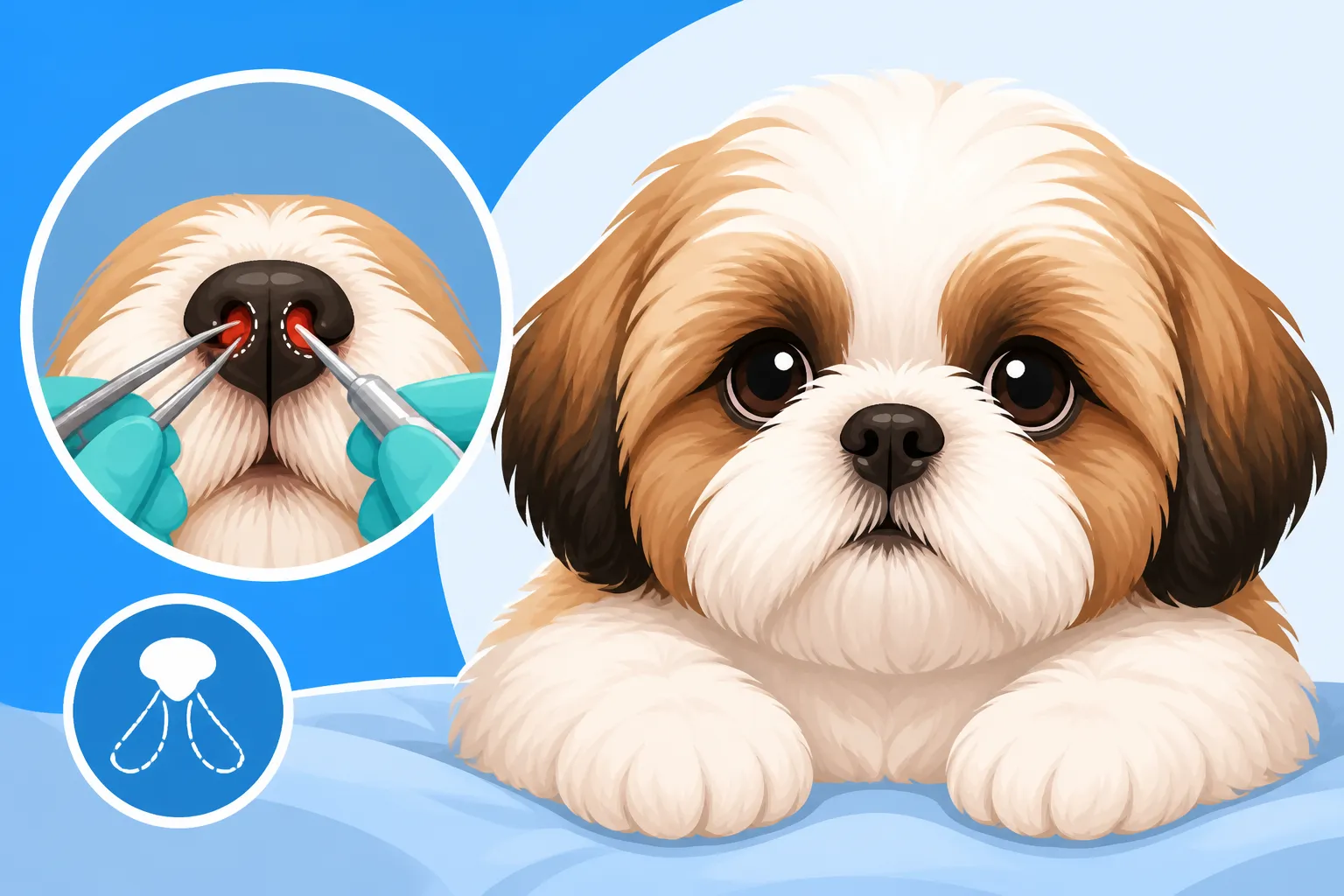
The primary and most straightforward goal of nostril surgery, known medically as alar fold resection, is to significantly improve the airflow into your Shih Tzu's lungs by widening the nostrils. It’s a direct solution to a physical blockage. By surgically removing a small wedge of tissue from the nares, the veterinarian creates a larger opening, allowing air to pass through much more easily. This reduces the immense effort your puppy has been expending just to breathe.
Beyond the immediate relief, the surgery aims to prevent the progression of other brachycephalic airway problems. With less negative pressure constantly pulling at the soft palate and laryngeal saccules, these tissues are less likely to become swollen, elongated, or everted. While nostril surgery alone might not completely eliminate all breathing noise, especially if a more severe issue like The Elongated Soft Palate in a Shih Tzu is also present, it provides foundational relief. It's often the first step in a multi-pronged approach to managing brachycephalic airway syndrome, creating a better foundation for your puppy's overall respiratory health and vitality.
What to Expect from Nostril Surgery
The thought of your puppy going under the knife can be daunting, but understanding the procedure and recovery process can help ease your mind. Nostril surgery for stenotic nares is a common and generally very effective procedure for Shih Tzus and other brachycephalic breeds, offering significant relief.
The Surgical Procedure Itself
Nostril surgery for stenotic nares is a relatively quick and straightforward procedure, usually performed by a general veterinarian or a veterinary surgeon. Your puppy will be placed under general anesthesia, which, for a flat-faced breed like a Shih Tzu, requires careful monitoring due to their inherent Shih Tzu Anesthesia Risk From a Flat Face. The veterinary team will closely supervise their breathing, heart rate, and oxygen levels throughout the entire process.
The most common technique is called a wedge resection. The surgeon carefully removes a small, triangular wedge of tissue from each nostril, usually from the outer edge. This creates a wider, more open nostril. After the tissue is removed, the remaining edges are meticulously sutured together with fine, dissolvable, or non-dissolvable stitches. The goal is to reshape the nostril, not just widen it, ensuring a stable, open airway. The entire surgical time for the nostrils themselves is typically short, often just 20-30 minutes, though it can be longer if other airway corrections, such as What Soft Palate Surgery Does for a Shih Tzu, are performed simultaneously.
Post-Operative Care and Recovery
Once the surgery is complete, your puppy will be closely monitored in recovery as the anesthesia wears off. They'll likely receive pain medication to keep them comfortable. Most puppies can go home the same day or the following day. When they come home, they'll need to wear an Elizabethan collar (the "cone of shame") to prevent them from pawing at their nose and disturbing the sutures. This is non-negotiable, as scratching at the surgical site can lead to infection or reopening of the wound.
You’ll need to keep the incision site clean and dry, following any specific instructions from your vet regarding cleaning solutions or ointments. Soft food is usually recommended for a week or two to avoid any strain on the facial area while eating. Activity should be strictly restricted – no jumping, rough play, or long walks. Quiet crate rest or confined areas are best. Most sutures are removed by your vet in 10-14 days, unless dissolvable ones were used. It’s a critical period, and careful adherence to your vet’s instructions will ensure the best possible outcome.
Potential Complications and Long-Term Outlook
While nostril surgery is generally safe, as with any surgical procedure, there are potential complications, though they are rare. These can include infection at the surgical site, bleeding, or suture dehiscence (where the stitches come apart). Your vet will provide clear instructions on what signs to look for that might indicate a problem, such as excessive swelling, redness, discharge, or if your puppy seems to be in significant pain despite medication. If you notice any of these, contact your vet immediately.
The long-term outlook for Shih Tzu puppies who undergo successful nostril surgery is overwhelmingly positive. Owners often report a dramatic improvement in breathing, a reduction in noisy breathing and snoring, and increased energy levels. Your puppy will likely be able to play more without getting winded and tolerate warmer weather better. While some subtle breathing sounds might persist, especially if they have other mild brachycephalic issues, the severe struggle for air is usually a thing of the past. Regular follow-up with your vet is important to monitor their progress and overall respiratory health. Having a comprehensive pet insurance plan, like Healthy Paws, can also provide peace of mind in managing any potential follow-up care or unexpected health issues in the future.
Preparing for Your Puppy's Surgery and Beyond
Making the decision for surgery and navigating the process can feel overwhelming. However, a little preparation goes a long way in ensuring a smoother experience for both you and your Shih Tzu puppy. Thinking ahead about pre-operative care, finances, and post-operative support will set you up for success.
Pre-Anesthetic Testing and Considerations
Before any surgery involving general anesthesia, especially for a brachycephalic breed like a Shih Tzu, your veterinarian will recommend a series of pre-anesthetic tests. These tests are crucial for assessing your puppy's overall health and minimizing anesthetic risks. Typically, this includes bloodwork (a complete blood count and chemistry panel) to check organ function and ensure there are no underlying issues that could complicate anesthesia. In some cases, a urinalysis might also be performed.
For flat-faced breeds, some vets may also suggest chest X-rays to evaluate the lungs and heart, or an electrocardiogram (ECG) to check heart rhythm, particularly if a heart murmur is detected. These tests help the veterinary team tailor the anesthetic protocol specifically for your puppy, choosing the safest medications and monitoring techniques. It's all about making sure your little one is as healthy as possible before they go under, reducing the inherent risks associated with Pre-Anesthetic Testing Before a Shih Tzu Dental, which shares many of the same concerns as other surgeries involving anesthesia in toy breeds.
Financial Planning for the Procedure
The cost of nostril surgery for a Shih Tzu puppy can vary widely depending on your geographic location, the veterinary clinic, and whether other procedures are performed concurrently (like soft palate resection). Generally, you can expect the cost to range from $500 to $1,500 for nostril surgery alone, but this figure can easily climb higher if your puppy also needs correction for an elongated soft palate or everted saccules. This estimate typically includes the consultation, pre-anesthetic bloodwork, anesthesia, the surgery itself, pain medication, and post-operative care.
This is where pet insurance can truly be a lifesaver. Companies like Healthy Paws offer coverage for unexpected illnesses and accidents, which can include necessary surgeries like this. Enrolling your puppy early is always best, as pre-existing conditions are usually not covered. If you already have pet insurance, it’s wise to call your provider, like Healthy Paws, to confirm what your specific policy covers and what your out-of-pocket expenses might be after your deductible and reimbursement rate. For those without insurance, budgeting ahead or discussing payment plans with your vet clinic can help manage the financial aspect of this vital procedure. Remember to factor in not just the surgery, but also any follow-up appointments and medications during recovery.
Supporting Your Shih Tzu Through Recovery
Your role in your Shih Tzu puppy's recovery is paramount. Creating a calm, safe, and comfortable environment at home will greatly contribute to their healing. Set up a cozy, quiet space where they can rest undisturbed, perhaps a crate or a small, enclosed area with soft bedding. Make sure their Elizabethan collar is on at all times, even when they're sleeping, to prevent them from irritating the surgical site.
Mental stimulation is also important during restricted activity. Offer puzzle toys or gentle training sessions that don't require much movement. Keep their food and water bowls easily accessible, and remember to clean their face gently if any food or water gets near the sutures. Most importantly, closely follow all post-operative instructions provided by your veterinarian. Administer all medications on schedule, monitor the incision for any signs of complications, and attend all follow-up appointments. Your attentiveness and care during this period will not only aid their physical recovery but also reinforce your bond, helping them feel secure and loved through the entire process.
Here’s a quick overview of what to expect:
| Feature | Pre-Surgery (Stenotic Nares) | Post-Surgery (Alar Fold Resection) |
|---|---|---|
| Breathing Effort | High, strenuous, often mouth-breathing | Significantly reduced, easier nasal breathing |
| Breathing Sounds | Snorting, snuffling, whistling, reverse sneezing | Quieter, less noisy; some mild sounds possible |
| Exercise Tolerance | Low, quick to tire, easily overheated | Improved stamina, better temperature regulation |
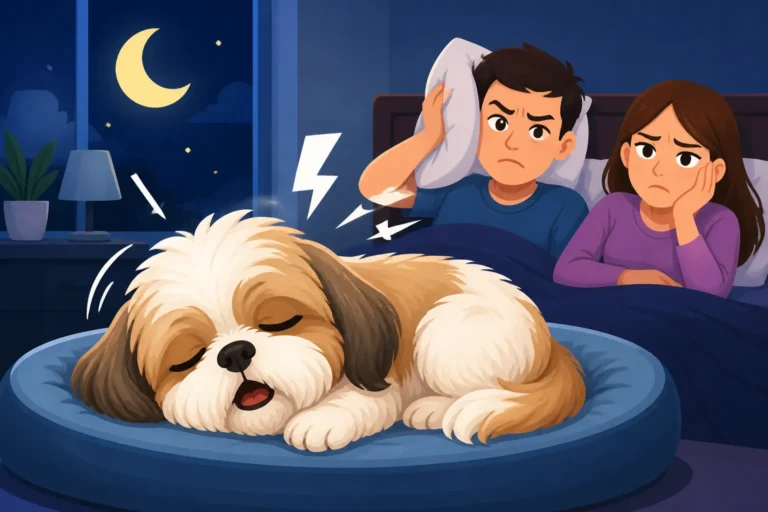
| Quality of Sleep | Restless, loud snoring, interrupted sleep | More peaceful, quieter, deeper sleep |
| Risk of Secondary Issues | High (elongated soft palate, laryngeal saccules) | Lowered due to reduced airway strain |
| Overall Well-being | Chronic discomfort, potential anxiety | Enhanced comfort, increased vitality |
Disclaimer
The information provided in this article is for general informational purposes only and is not intended as a substitute for professional veterinary advice. Always consult with a qualified veterinarian regarding any medical concerns or before making any decisions about your Shih Tzu's health or treatment.