A Shih Tzu Kneecap That Slips and Skips
It can be truly alarming and heartbreaking to watch your beloved Shih Tzu suddenly skip a step, hold up a back leg, or even cry out in pain as they move. This common issue, often dismissed as just a "quirk" of small dogs, is actually a medical condition called patellar luxation, more commonly known as a slipping kneecap. This guide will walk you through what patellar luxation is, why Shih Tzus are so prone to it, how to recognize the signs, and what you can do to manage or treat it, ensuring your furry friend can live a comfortable, happy life.
Understanding Patellar Luxation in Shih Tzus
Discovering your Shih Tzu has a knee issue can be a worrying experience, especially when you see them hopping or struggling. It's important to understand that this isn't just a minor inconvenience; it's a structural problem that can lead to chronic pain and arthritis if left unaddressed.
What is a Slipping Kneecap?
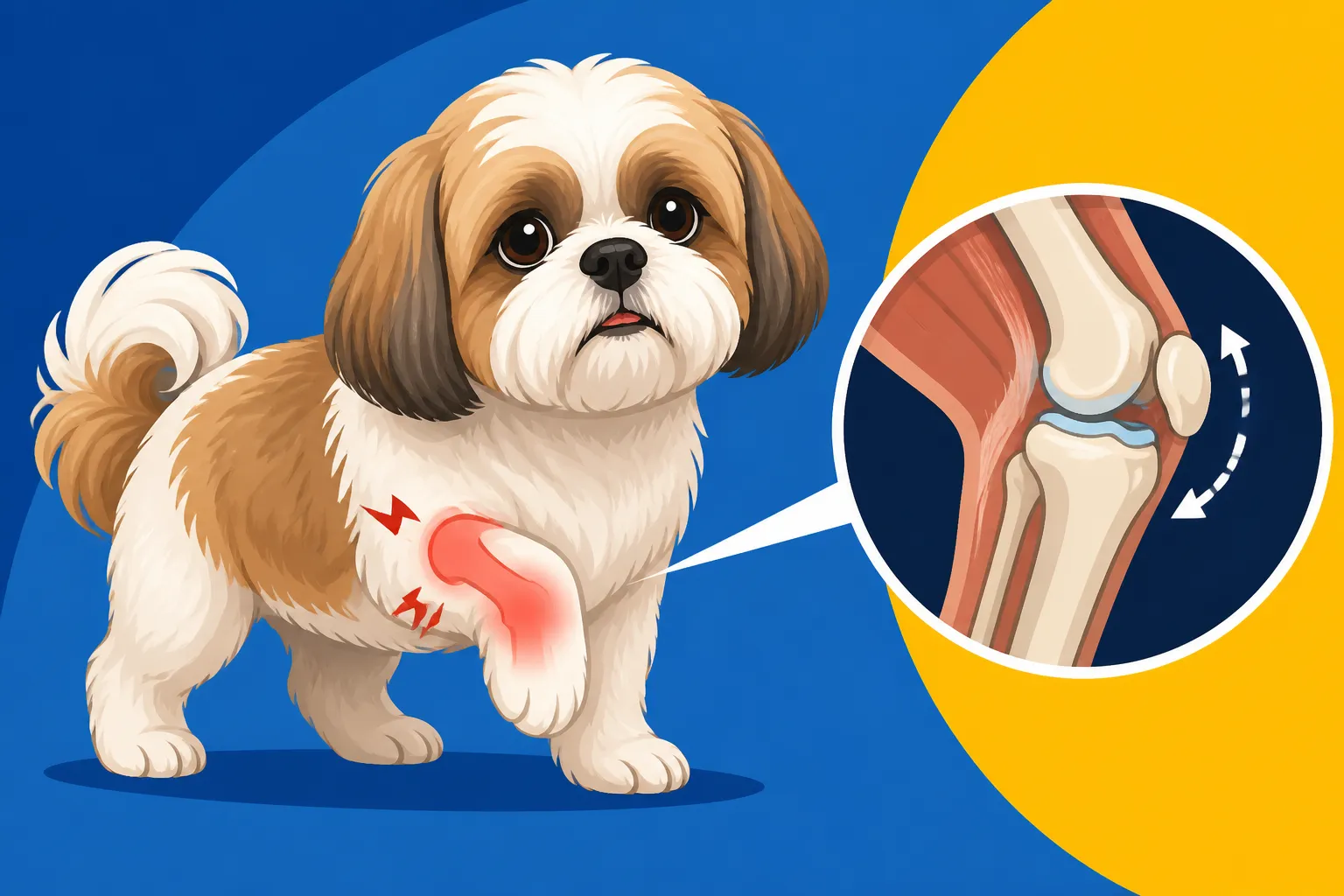
Imagine your own kneecap. It's a small, triangular bone (the patella) that sits in a groove at the end of your thigh bone (femur), connecting your thigh muscles to your shin bone (tibia). When you bend and straighten your leg, the patella slides smoothly up and down this groove. In dogs, specifically a Shih Tzu with patellar luxation, this groove can be too shallow, or the surrounding soft tissues (ligaments and tendons) might be too loose. This allows the kneecap to slip out of its normal position, either to the inside (medial luxation, which is most common in toy breeds like Shih Tzus) or to the outside (lateral luxation).
When the kneecap slips out, it can be quite painful for your dog. They might suddenly stop bearing weight on the affected leg, give a little yelp, or just hold the leg up for a few steps before it pops back into place. This is what gives the condition its characteristic "skipping" or "hopping" appearance. Over time, this constant slipping and popping can cause wear and tear on the joint cartilage, leading to inflammation, pain, and eventually, degenerative joint disease or arthritis. It's a silent threat to their mobility, often progressing subtly until it becomes a significant problem.
Why Shih Tzus Are Prone to Patellar Luxation
It often feels unfair when our furry companions inherit health challenges, and for Shih Tzus, their unique anatomy, while adorable, unfortunately makes them particularly susceptible to patellar luxation. This isn't a random occurrence; it's deeply tied to their breed conformation and genetics. Shih Tzus, like many other toy breeds such as Chihuahuas, Pomeranians, and Yorkshire Terriers, are predisposed to this condition. Their smaller bone structure and often less robust joint development contribute significantly.
The primary reason lies in the way their hind legs are formed. Sometimes, the long bones of the leg, the femur and tibia, don't align perfectly. This misalignment means the groove where the kneecap normally sits isn't quite straight, or the leg bones themselves might be slightly bowed. When the groove is too shallow or the leg isn't straight, the patella doesn't have a secure channel to glide in, making it much easier for it to slip out to the side. This genetic predisposition means that if a Shih Tzu's parents had patellar luxation, there's a higher chance their offspring will too. This is why responsible breeders should always screen their breeding dogs for this condition through examinations like those recommended by the Orthopedic Foundation for Animals (OFA). For more information on common joint issues, you might find our guide on Shih Tzu Joint Problems in a Toy Frame helpful.
Different Grades of Luxation
Understanding the severity of patellar luxation is crucial for determining the best course of action for your Shih Tzu. Veterinarians classify luxation into four grades, based on how easily the kneecap slips and how stable it is. This grading system helps us understand the progression and potential impact on your dog's long-term comfort and mobility.
- Grade 1: This is the mildest form. The kneecap can be manually luxated (pushed out of place by a vet) but immediately pops back into its normal position on its own. Your Shih Tzu might show very few, if any, symptoms, perhaps an occasional skip, but often no persistent lameness or pain. Owners might not even notice anything is amiss.
- Grade 2: In this stage, the kneecap slips out of its groove occasionally on its own, especially when the leg is flexed, and it usually stays luxated for a short period before returning to its normal position. You'll likely notice the characteristic "skipping" gait more often, where your Shih Tzu will hold up their leg for a few steps before putting weight back on it. While they might not be in constant pain, the intermittent slipping can cause discomfort and contribute to wear and tear over time.
- Grade 3: This is a more severe form. The kneecap is luxated most of the time, meaning it's almost always out of its groove, but it can be manually put back into place by a vet. However, it will pop right back out once the manual pressure is released. Dogs with Grade 3 luxation will typically show consistent lameness, reluctance to use the affected leg, and can experience chronic pain. This persistent instability significantly impacts their quality of life and often requires intervention.
- Grade 4: This is the most severe and debilitating form. The kneecap is permanently luxated and cannot be manually repositioned into the groove. The groove itself might be underdeveloped or almost non-existent, and the leg bones are often significantly deformed. Dogs with Grade 4 luxation experience severe lameness, an abnormal crouched gait, and often significant pain. The structural changes in the joint are profound, and without surgical correction, these dogs will suffer greatly and have very limited mobility.
Recognizing the Signs and Symptoms
As loving Shih Tzu owners, we're attuned to our dogs' every move, but sometimes the subtle signs of a slipping kneecap can be easy to miss, especially in the early stages. It's not always obvious, and sometimes it looks more like a momentary awkwardness than a medical issue.
Early Indicators Owners Often Miss
In the beginning, your Shih Tzu might not show overt signs of pain, making it easy to overlook the subtle clues their body is giving you. You might notice them occasionally favoring a back leg for just a step or two, or perhaps a slight awkwardness in their gait that quickly resolves. They might be reluctant to perform actions they once loved, such as jumping onto the sofa or climbing stairs. This isn't necessarily a sign of stubbornness; it could be their way of avoiding discomfort. Maybe they hesitate before launching themselves off the bed, or they'll carefully lower themselves rather than jumping.
Another subtle sign could be a change in their energy levels during play. A Shih Tzu who usually loves a spirited game of fetch might become tired more quickly or prefer to lie down sooner. You might also observe them stretching their hind legs out unusually far behind them as if trying to "reset" something. These fleeting moments can be dismissed as just "being a dog," but in a breed prone to patellar luxation, they're important signals that warrant attention. Catching these early indicators can make a significant difference in managing the condition before it progresses.
The Characteristic "Skipping" or "Hopping" Gait
This is perhaps the most defining and often unmistakable sign that a Shih Tzu's kneecap is slipping. If you've ever seen your dog walking or running and suddenly pick up one of their back legs, hold it aloft for a few steps, and then put it back down as if nothing happened – that's the classic "skip" or "hop" of patellar luxation. It looks almost comical, like they're doing a little dance, but it's a direct result of the kneecap popping out of its groove.
When the patella slips, the quadriceps muscle contracts, effectively locking the leg straight and preventing the knee from bending properly. This forces your dog to hop on three legs until the kneecap either spontaneously pops back into place or they extend their leg and give it a shake, which can help it realign. The frequency of this skipping varies depending on the grade of luxation. A Grade 2 luxation might lead to occasional skips, while a Grade 3 could mean your Shih Tzu is hopping much more frequently, or even walking with a persistent limp. It's a clear signal that the knee joint is unstable and needs veterinary evaluation. You might also want to consult resources on Shih Tzu Mobility Decline in Old Age if you notice similar changes in an older dog, as joint issues can compound.
Pain, Swelling, and Other Advanced Symptoms
While early signs might be subtle, as patellar luxation progresses, the symptoms can become much more pronounced and distressing for both you and your Shih Tzu. Consistent pain is a major concern. You might notice your dog vocalizing—whining or yelping—when attempting certain movements, or they might become unusually sensitive if you touch their hind legs or knee area. They could develop a persistent lameness, where they continuously limp or refuse to put weight on the affected leg, even when resting.
Chronic inflammation from the repeated slipping can lead to noticeable swelling around the knee joint. You might even feel a "clicking" or "grinding" sensation when gently manipulating the knee (though this should only be done by a vet). Over time, the instability and abnormal forces on the joint can lead to other complications, such as the development of osteoarthritis, which manifests as stiffness, reduced range of motion, and worsening pain, especially after rest or in cold weather. Furthermore, severe or prolonged patellar luxation can sometimes predispose a dog to other orthopedic problems, like cranial cruciate ligament rupture, a very painful injury where one of the main stabilizing ligaments in the knee tears. Recognizing these advanced symptoms means it’s definitely time to see your vet, as the condition is severely impacting your Shih Tzu's comfort and quality of life. Our article on Shih Tzu Arthritis After the Age of Nine discusses related concerns for older dogs.
Diagnosis and Treatment Options
Once you've noticed the tell-tale skipping or other concerning symptoms in your Shih Tzu, the next logical step is to get a professional diagnosis. It's natural to feel anxious about what comes next, but understanding the diagnostic process and available treatments can empower you to make the best decisions for your dog.
How Vets Diagnose Patellar Luxation
When you bring your Shih Tzu to the vet with concerns about a slipping kneecap, the diagnostic process usually begins with a thorough physical examination. Your veterinarian will carefully palpate, or feel, your dog's knee joints, assessing their stability and trying to manually luxate the patella. They'll also observe your Shih Tzu's gait, looking for any lameness, hopping, or abnormal leg carriage. This hands-on examination is crucial and often allows the vet to determine the grade of luxation fairly accurately.
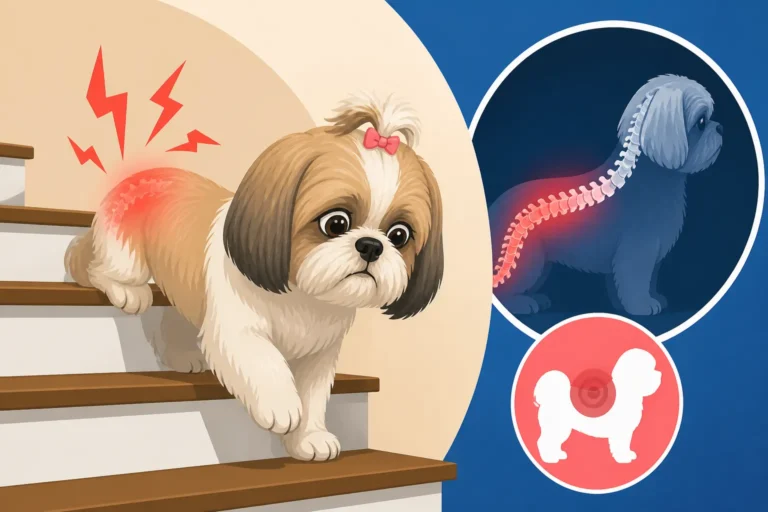
Beyond the physical exam, X-rays are typically recommended. While X-rays don't directly show the kneecap slipping (as it's a dynamic movement), they are invaluable for assessing the overall alignment of the limb, the depth of the trochlear groove (where the kneecap sits), and any secondary changes like signs of arthritis or bone deformation that might have occurred due to chronic luxation. These images provide a clearer picture of the underlying structural issues and help the vet rule out other orthopedic problems, such as hip dysplasia or Shih Tzu Back Problems and Disc Disease, which can sometimes present with similar hind leg lameness. Sometimes, if the case is complex or surgery is being considered, your vet might refer you to an orthopedic specialist for more advanced imaging or evaluation.
Non-Surgical Management Strategies
For Shih Tzus with Grade 1 or mild Grade 2 patellar luxation, or for those where surgery isn't an immediate option, non-surgical management can be very effective in maintaining comfort and preventing progression. The cornerstone of this approach is weight control. Every extra pound puts immense strain on a small dog's joints, exacerbating any existing instability. Keeping your Shih Tzu at their ideal weight is perhaps the most impactful thing you can do. Our guide on What Two Extra Pounds Do to a Shih Tzu highlights just how significant even a small amount of excess weight can be.
Next up are joint supplements. Ingredients like glucosamine, chondroitin, MSM, and omega-3 fatty acids can help support cartilage health, reduce inflammation, and improve joint lubrication. Brands like Cosequin and Dasuquin are commonly recommended by vets, but always discuss options with your veterinarian. Physical therapy and controlled exercise also play a huge role. Low-impact activities like short, leashed walks on even surfaces or even hydrotherapy (swimming) can help strengthen the muscles surrounding the knee, improving stability without putting undue stress on the joint. Avoiding high-impact activities like jumping off furniture or vigorous play that involves sudden stops and turns is essential. For Shih Tzus, who are already low-energy, moderate activity is usually sufficient, as detailed in our guide on Shih Tzu Exercise for a Low-Energy Toy.
Finally, pain management through non-steroidal anti-inflammatory drugs (NSAIDs) or other pain relievers may be prescribed by your vet during flare-ups or if your dog experiences chronic discomfort. It's worth considering pet insurance plans like those offered by Healthy Paws, which can help cover the costs of these long-term medications, supplements, and even physical therapy sessions, making ongoing care more accessible.
When Surgery Becomes Necessary
While non-surgical options are great for managing mild cases, for Shih Tzus with Grade 2 luxation causing persistent symptoms, or any Grade 3 or 4 luxation, surgery is often the most effective and sometimes the only way to achieve long-term comfort and restore proper limb function. The decision for surgery is a significant one and is typically made after a thorough discussion with your veterinarian and potentially an orthopedic specialist.
The goal of surgery is to realign the kneecap so it stays securely in its groove. Several techniques may be used, often in combination:
- Trochlear Wedge Resection or Block Recession: This involves deepening the trochlear groove in the femur where the kneecap sits. The surgeon carefully removes a wedge or block of bone and cartilage, reshapes the underlying bone, and then replaces the wedge/block, creating a deeper, more stable channel for the patella.
- Tibial Crest Transposition: Sometimes, the attachment point of the patellar ligament on the shin bone (tibial crest) is out of alignment, pulling the kneecap to one side. This procedure involves cutting the piece of bone where the ligament attaches and reattaching it in a more appropriate position with pins or wires, correcting the overall alignment of the quadriceps mechanism.
- Soft Tissue Release or Tightening: The soft tissues surrounding the knee joint (joint capsule and retinacular fascia) can be too tight on one side, pulling the kneecap out, or too loose on the other, failing to support it. The surgeon will release the tight tissues and/or tighten the loose ones to help center the patella.
The specific combination of procedures will depend on your Shih Tzu's individual anatomy and the severity of their luxation. While the thought of surgery is daunting, the success rate for patellar luxation repair is generally high, especially for Grades 2 and 3. Recovery requires dedication, but it can dramatically improve your dog's quality of life. For an idea of the financial aspect, our article on Shih Tzu Patella Surgery and What It Runs could offer helpful insights.
Post-Surgical Care and Recovery
The journey doesn't end when your Shih Tzu comes home from surgery; in fact, the recovery period is just as critical to a successful outcome. Expect a period of strict rest, often involving crate rest, to prevent your dog from putting too much stress on the healing joint. This can be challenging for an active Shih Tzu, but it's non-negotiable for the initial weeks. Your vet will provide detailed instructions on activity restrictions, which typically involve very short, controlled leash walks for potty breaks only, gradually increasing duration over several weeks or months.
Medication will be a key part of post-operative care, including pain relievers to manage discomfort and anti-inflammatories to reduce swelling. It's vital to administer these exactly as prescribed. Cold compresses can also help reduce swelling in the immediate aftermath. As your Shih Tzu progresses, your vet will likely recommend physical rehabilitation. This can include gentle range-of-motion exercises, controlled therapeutic exercises, and potentially hydrotherapy. A certified canine rehabilitation therapist can guide you through these steps, ensuring your dog regains strength and mobility safely. This phase is crucial for building muscle mass, improving joint function, and preventing scar tissue from limiting movement. Many pet insurance providers, including Healthy Paws, offer coverage for rehabilitation services, which can be a huge relief during this intense recovery period. Patience and consistency during this time are paramount; rushing the process can lead to setbacks.
Living with a Shih Tzu with Patellar Luxation
Whether your Shih Tzu has undergone surgery or is being managed non-surgically, adapting their environment and lifestyle is key to ensuring their long-term comfort and preventing further injury. It's about making small, thoughtful changes that can have a huge impact.
Environmental Modifications for Comfort and Safety
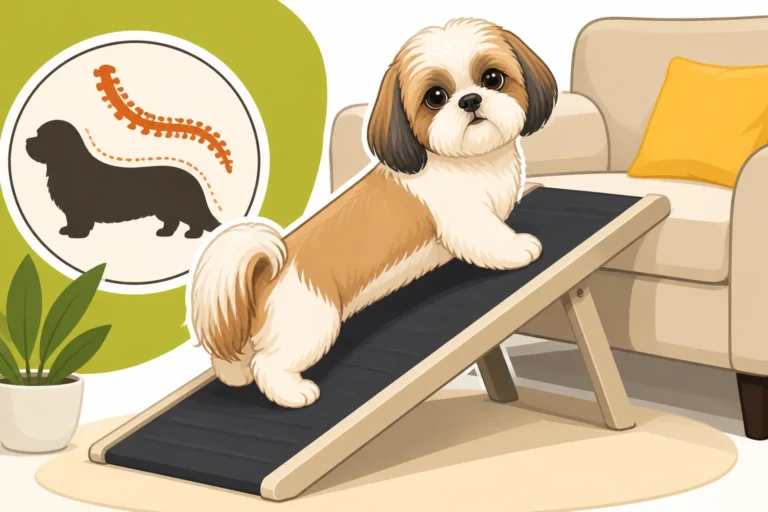
Living with a Shih Tzu with patellar luxation often means becoming a proactive interior designer for your furry friend. One of the biggest dangers for a dog with a compromised knee is jumping – whether it's off the sofa, bed, or out of your arms. Repeated impact can exacerbate the condition or even lead to re-injury post-surgery. Investing in ramps or steps to allow them safe access to furniture is highly recommended. You might find our article on Ramps for a Shih Tzu With a Long Spine helpful for ideas on protecting their delicate structure.
Non-slip surfaces are also incredibly important. Slipping and sliding on hard floors (wood, tile, laminate) forces their legs to splay, putting undue stress on their knees and hips. Consider placing rugs or runners in high-traffic areas where your Shih Tzu walks. You can also get special non-slip booties or paw pads if your dog tolerates them. Think about their daily routine: where do they eat, drink, and play? Ensure these areas are safe and easy for them to navigate without sudden twists or jumps. Even small changes, like raising food and water bowls slightly to prevent excessive neck strain while eating, can contribute to their overall comfort.
The Role of Nutrition and Exercise
Nutrition and exercise are inextricably linked when it comes to managing patellar luxation and maintaining your Shih Tzu's overall health. We touched on weight management earlier, but it truly cannot be overstated. A lean body mass reduces the load on their joints, directly easing stress on their knees. Work with your vet to determine your Shih Tzu's ideal weight and feeding plan. Avoid overfeeding treats; use them sparingly and choose low-calorie options. Regular monitoring of their body condition, not just their weight on the scale, is important because their long coat can easily hide subtle changes in physique. Our guide on Shih Tzu Obesity on a Sixteen Pound Frame emphasizes the importance of managing their weight.
When it comes to exercise, the key is controlled and consistent, low-impact activity. Daily, short-to-moderate walks on a leash on even ground are ideal. Avoid rough play with other dogs that involves twisting or sudden stops, as well as activities like chasing balls up and down stairs. Instead, focus on strengthening exercises prescribed by a vet or physical therapist. Swimming can be an excellent non-weight-bearing option that builds muscle without joint stress. Indoor puzzle toys and gentle play can also provide mental stimulation and physical activity without putting their knees at risk. The goal is to build and maintain muscle mass around the knee to provide natural support, without causing further trauma.
Ongoing Monitoring and Preventative Measures
Living with a Shih Tzu prone to patellar luxation means adopting a mindset of vigilant, proactive care. This condition isn't typically "cured," but rather managed, sometimes for the rest of their lives. Regular veterinary check-ups are essential – often twice a year, especially as your Shih Tzu gets older or if they've had surgery. Your vet will monitor the stability of their knees, check for signs of arthritis, and adjust pain management or supplement regimens as needed. These check-ups are also vital for monitoring their overall health and catching any other age-related issues that might arise, as discussed in our article on Senior Shih Tzu Care Past the Age of Ten.
Beyond vet visits, you, as their primary caregiver, are their best advocate. Pay close attention to any changes in their gait, activity level, or demeanor. Are they suddenly reluctant to jump? Is their skip more frequent or pronounced? Are they showing any new signs of pain or stiffness? Keep a log if necessary. Continue with recommended joint supplements and maintain their ideal weight diligently. While patellar luxation often has a genetic component, a healthy lifestyle can significantly impact the severity and progression of symptoms, potentially delaying the onset of debilitating arthritis. Being consistent with these preventative measures gives your Shih Tzu the best chance at a long, comfortable, and active life.
| Luxation Grade | Description | Common Symptoms | Typical Management |
|---|---|---|---|
| Grade 1 | Kneecap can be manually luxated, but reduces spontaneously. | Very mild, occasional skip, no persistent lameness. | Non-surgical (weight management, supplements, controlled exercise). |
| Grade 2 | Kneecap spontaneously luxates, remains out for short periods, then reduces. | Intermittent skipping, holding leg up, mild discomfort. | Non-surgical; surgery considered if symptoms persistent or severe. |
| Grade 3 | Kneecap is luxated most of the time but can be manually reduced. | Persistent lameness, frequent hopping, chronic pain, reduced activity. | Surgical intervention often recommended for quality of life. |
| Grade 4 | Kneecap is permanently luxated and cannot be manually reduced. | Severe lameness, abnormal crouched gait, significant pain. | Surgical intervention strongly recommended, often complex; rehabilitation crucial. |
Disclaimer
The information provided in this article is for general informational purposes only and is not intended as a substitute for professional veterinary advice, diagnosis, or treatment. Always seek the advice of your veterinarian or other qualified health provider with any questions you may have regarding a medical condition or treatment options for your Shih Tzu.