Why a Shih Tzu Mouth Cannot Hold Forty-Two Teeth
It’s a frustrating reality for many Shih Tzu owners: you try your best to care for your beloved companion, but despite your efforts, their breath just isn't fresh, and you might even spot some troubling brown buildup on their tiny teeth. This isn't usually a sign of neglect, but rather a direct consequence of their unique, charming facial structure. This guide will delve deep into why a Shih Tzu's mouth simply isn't built to house the full complement of canine teeth and what that means for their long-term health and your daily care routine.
The Standard Canine Mouth Versus the Shih Tzu's Unique Anatomy
When you look at a wolf or a larger dog breed, you see a long, strong muzzle perfectly designed to accommodate a full set of teeth. This is the blueprint for canine dentition: 42 permanent teeth, precisely spaced to shear, tear, and grind. But then you look at a Shih Tzu, with their adorable flat face and undershot jaw, and it becomes immediately clear that their mouth is operating under a very different set of architectural rules. The problem isn't that they have extra teeth; it's that they have the same number of teeth as a much larger dog, packed into a severely condensed space.
The Brachycephalic Skull and Jaw Structure
The Shih Tzu is a brachycephalic breed, a term that literally means "short-headed." This characteristic, while undeniably cute and a hallmark of their breed, significantly impacts their oral cavity. Imagine trying to fit a standard-sized bookshelf into a tiny closet – that's essentially what happens with a Shih Tzu's teeth. Their skull is compressed, which shortens the upper jaw. While the lower jaw might still grow to a relatively normal length, the upper jaw doesn't, leading to the breed's characteristic undershot bite where the lower teeth protrude slightly past the upper. This anatomical difference means there just isn't enough horizontal or vertical space for 42 teeth to erupt and sit comfortably without crowding, rotating, or pushing into each other. It’s a design flaw, in a sense, that’s bred into the very essence of what makes a Shih Tzu a Shih Tzu.
The Full Set of Canine Teeth
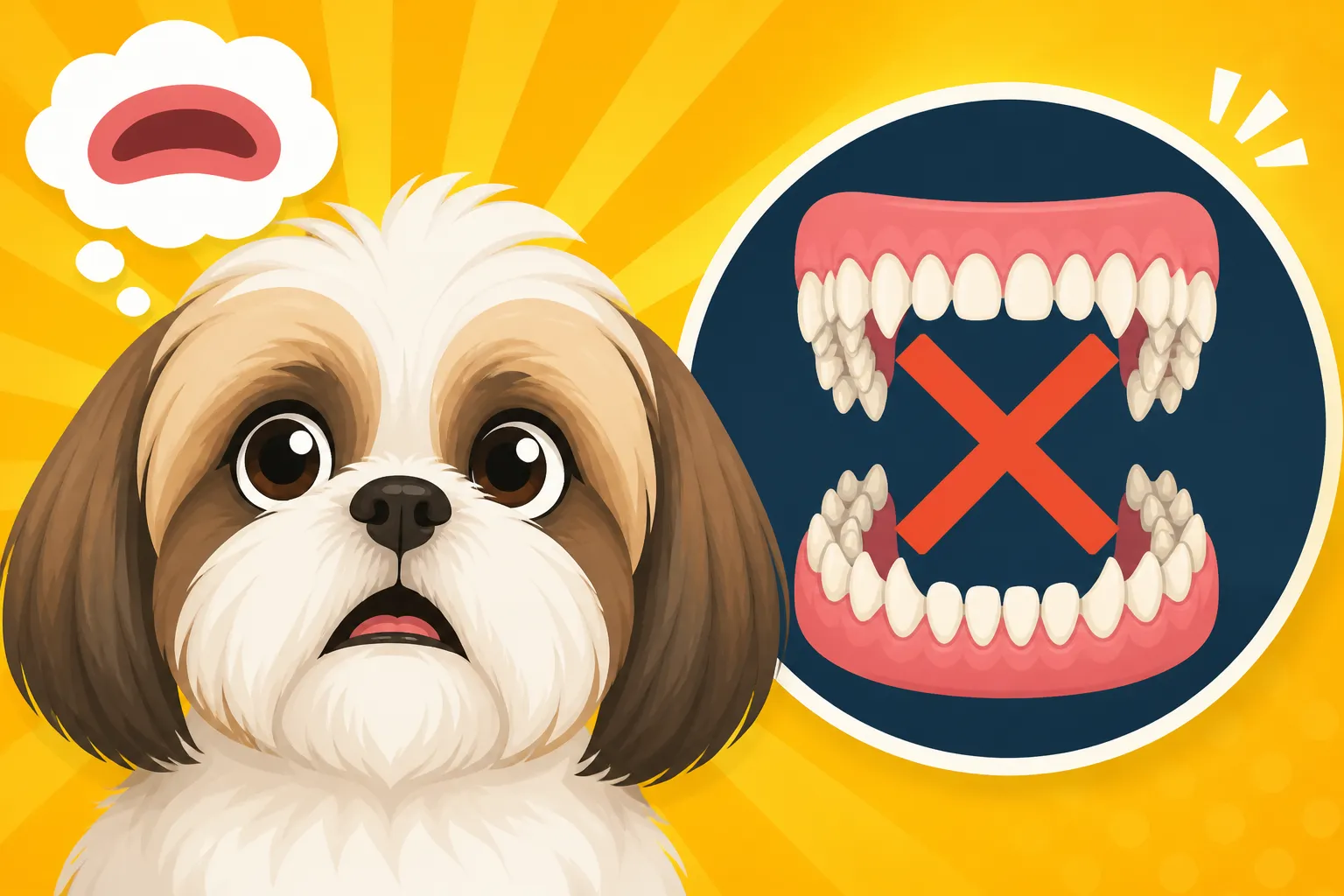
A healthy adult dog, regardless of breed, is genetically programmed to develop 42 permanent teeth. This includes incisors for nipping, formidable canines for grasping, premolars for shearing, and molars for grinding. In a larger dog, these teeth have ample room to align correctly, allowing for proper chewing function and natural self-cleaning as they rub against each other during meals. For a Shih Tzu, however, this blueprint is a recipe for disaster. The teeth erupt in positions that are far from ideal, twisting, overlapping, and growing at odd angles. You'll often see their tiny incisors crammed together, sometimes in multiple rows, or premolars rotated 90 degrees. This extreme crowding makes it nearly impossible for them to maintain good oral hygiene, even with the most diligent home care.
The Real-World Impact of Dental Crowding on Your Shih Tzu
The fact that a Shih Tzu's mouth cannot comfortably hold 42 teeth isn't just a cosmetic issue; it's a significant health concern that leads to a cascade of problems. Owners often don't realize the severity until dental disease has already taken hold, leading to pain, infection, and expensive veterinary interventions. It’s a silent struggle for many Shih Tzus, manifesting in subtle changes that can be easily missed.
Accelerated Dental Disease and Pain
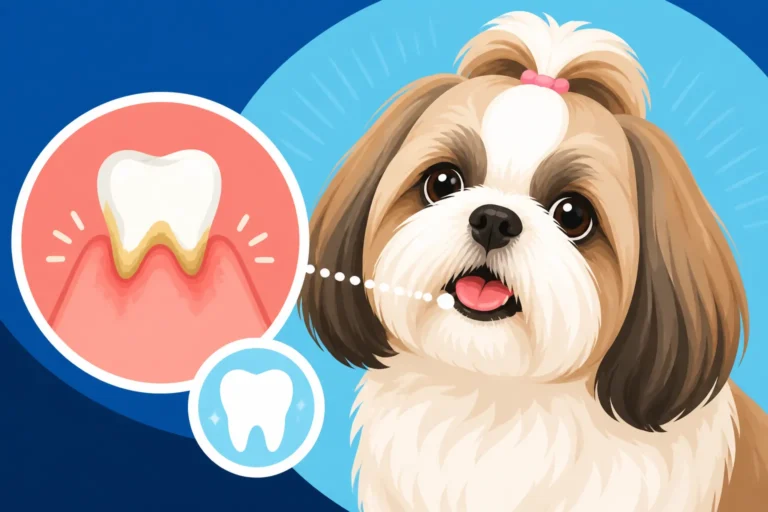
When teeth are severely crowded and misaligned, they create ideal conditions for plaque and tartar accumulation. Food particles and bacteria get trapped in the tight spaces between teeth, in gum pockets, and in the crevices of rotated teeth where a toothbrush simply cannot reach. This rapidly leads to the formation of plaque, which then hardens into tartar. This issue often starts surprisingly early; it's not uncommon to see significant Tartar on Shih Tzu Teeth Before Age Three. This constant bacterial presence triggers inflammation, known as gingivitis, which progresses to periodontal disease if left untreated. Periodontal disease is an infection that attacks the supporting structures of the teeth – the gums, ligaments, and bone. It's incredibly painful, often silently, and can lead to tooth loss. Imagine having a constant toothache, and you'll understand what many Shih Tzus endure. Owners might notice their dog hesitating to eat hard kibble, preferring softer foods, or becoming less enthusiastic about chew toys.
Retained Puppy Teeth and Double Dentition
Another common problem stemming from the lack of space is the retention of deciduous, or "puppy," teeth. In most dog breeds, as the permanent teeth erupt, they push out the baby teeth, which then fall out. However, in Shih Tzus, due to the crowded conditions and often misaligned permanent teeth, the baby teeth don't always get the necessary pressure from the erupting adult teeth to loosen and fall out. This leads to what's called "double dentition," where both a baby tooth and an adult tooth occupy the same spot in the jaw. This creates even more tight spaces for food and bacteria to hide, accelerating plaque and tartar buildup dramatically. It also forces the permanent tooth to erupt in an abnormal position, further contributing to overcrowding. Veterinarians often recommend extracting any Retained Puppy Teeth in a Shih Tzu during their spay or neuter surgery to prevent these issues from worsening.
Compromised Chewing and Eating Habits
The normal act of chewing helps to naturally scrape some plaque off the tooth surfaces. But with crowded, misaligned teeth, a Shih Tzu cannot chew efficiently or effectively. Their bite might not meet properly, making it difficult to grasp and grind food. This can lead to them swallowing kibble whole, which can sometimes cause digestive upset or choking hazards. Some Shih Tzus develop preferences for softer foods not just because of pain, but because their oral structure simply isn't designed for robust chewing. This can also mean they miss out on the dental benefits of certain chews designed to help clean teeth, as these chews might not reach the affected areas or they might be too large or difficult to manage with their compromised bite.
Navigating Dental Care for a Shih Tzu with a Full Mouth
Given the inherent challenges of a Shih Tzu's crowded mouth, proactive and consistent dental care is not just recommended, it's absolutely essential. Without a dedicated approach, your Shih Tzu is almost guaranteed to suffer from significant dental disease, which impacts not just their mouth, but their overall health.
The Daily Brushing Routine: A Non-Negotiable Necessity
For a Shih Tzu, daily toothbrushing is the single most impactful thing an owner can do to combat dental disease. While it won't solve the crowding issue, it can significantly slow down plaque and tartar formation on the surfaces you can reach. This means focusing on the outer surfaces of the teeth, where plaque tends to accumulate most heavily. You'll want to use a soft-bristled toothbrush designed for pets or even a finger brush. Consistency is key here. Think of it like brushing your own teeth – you wouldn't go days without doing it.
Getting your Shih Tzu accustomed to brushing from a young age is crucial. Start slowly, introducing the brush and pet-specific toothpaste (never human toothpaste!) as a positive experience. Focus on short sessions, rewarding them heavily with praise and a small, healthy treat afterward. For specific guidance, you can refer to resources like "Daily Toothbrushing in a Crowded Shih Tzu Jaw". Even if you can't reach every single crowded crevice, every little bit helps in delaying the inevitable buildup and the need for professional interventions.
Professional Dental Cleanings and Extractions
Despite diligent home care, most Shih Tzus will require regular professional dental cleanings under anesthesia. This isn't a luxury; it's a critical part of their health management. During a professional dental, the veterinarian can thoroughly clean all surfaces of the teeth, including below the gum line where periodontal disease takes hold, and polish them to make future plaque adhesion more difficult. X-rays are also vital during these procedures to assess the health of the tooth roots and jawbone, as much of the damage from periodontal disease happens unseen beneath the gum line.
Often, due to severe crowding or advanced disease, extractions become necessary. Removing overcrowded teeth can actually improve the overall oral health by reducing areas where food gets trapped and preventing further progression of periodontal disease. It might sound drastic, but removing a painful, infected tooth is far more humane than allowing your dog to live with chronic discomfort. These procedures can be costly, and it's something to budget for. Many owners find that having pet insurance, such as a plan from Healthy Paws, can provide much-needed financial relief for these essential, often complex, dental procedures. Knowing that you have support for unforeseen medical costs, including dental work, can give you peace of mind.
Common Shih Tzu Dental Interventions
| Intervention | Purpose | Frequency (Typical) | Cost Implications |
|---|---|---|---|
| Daily Brushing | Prevents plaque buildup on accessible surfaces | Daily | Low |
| Professional Cleaning | Removes plaque/tartar above & below gum line, X-rays | Annually to Biannually | Moderate to High |
| Retained Tooth Extraction | Prevents crowding, allows permanent teeth to erupt correctly | Once, in puppyhood | Moderate |
| Diseased Tooth Extraction | Removes painful, infected, or compromised teeth | As needed | High |
| Antibiotics/Pain Meds | Treats active infection, manages post-procedure pain | As needed | Low to Moderate |
Dietary Choices and Chew Toys
While no diet or chew toy can replace brushing or professional cleanings, certain choices can support your Shih Tzu's oral health. Look for kibble specifically designed to help reduce plaque, often featuring a larger size or unique texture that encourages chewing and provides a mild abrasive action. Dental chews and toys approved by the Veterinary Oral Health Council (VOHC) can also be beneficial. These products have been scientifically proven to reduce plaque and/or tartar. However, always supervise your Shih Tzu with any chew toy to ensure it's appropriate for their size and doesn't pose a choking hazard. Be mindful that many chews might not effectively reach the severely crowded areas, so they are always a supplement to, not a replacement for, other care.
Long-Term Strategies for a Healthy Shih Tzu Smile
Caring for a Shih Tzu's teeth is a marathon, not a sprint. It requires dedication, regular veterinary attention, and an understanding that their unique physiology puts them at a higher risk for dental problems throughout their entire life. Thinking ahead and implementing long-term strategies can make a significant difference in their comfort and well-being.
Regular Veterinary Check-ups and Early Detection
Routine veterinary check-ups are not just for vaccinations; they are crucial opportunities for your vet to assess your Shih Tzu's oral health. Even if you're diligent with home brushing, your vet can spot early signs of gingivitis, Gum Recession in a Shih Tzu, or potential problems brewing under the surface. They can also advise on the frequency of professional cleanings based on your individual dog's needs and the rate of tartar accumulation. Early detection is key to preventing minor issues from escalating into painful, costly, and potentially systemic health problems. Remember, oral infections don't just stay in the mouth; bacteria can travel through the bloodstream to vital organs like the heart, kidneys, and liver.
Understanding Anesthesia Risks and Pre-Operative Testing
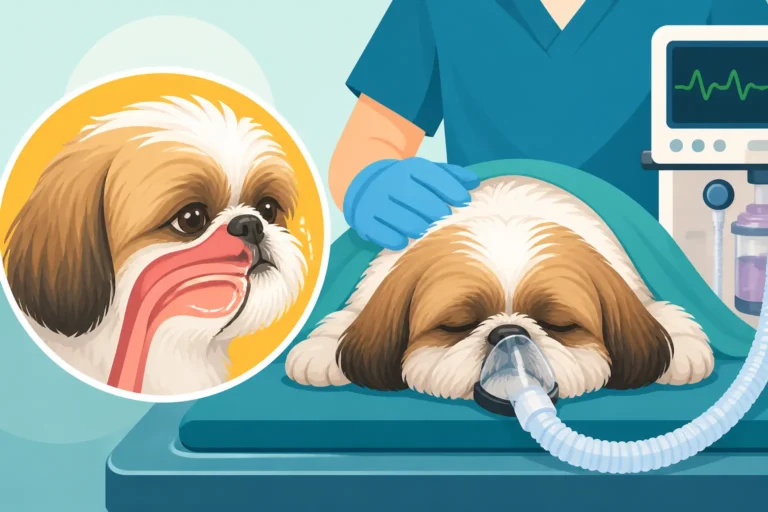
The thought of anesthesia for a dental cleaning can be daunting for any pet owner, especially with a brachycephalic breed like the Shih Tzu. However, avoiding necessary dental procedures due to anesthesia fears can lead to much greater health risks. Modern veterinary anesthesia protocols are very safe, and your vet will take every precaution. This includes thorough Pre-Anesthetic Testing Before a Shih Tzu Dental, which typically involves blood work to assess organ function and ensure your dog is a good candidate for anesthesia. For brachycephalic breeds, special considerations are always taken during and after anesthesia to ensure their Anesthesia on a Flat-Faced Shih Tzu is as safe as possible. Discuss any concerns you have with your veterinarian, and they can walk you through their specific safety protocols, including continuous monitoring during the procedure and dedicated recovery care.
Financial Planning for Ongoing Dental Needs
It’s realistic to expect that your Shih Tzu will require multiple professional dental cleanings throughout their life, starting as early as two or three years old. These are not one-time expenses but ongoing investments in their health. The Shih Tzu Dental Disease at 13 Percent of the Breed statistic really highlights how prevalent this issue is. Budgeting for these procedures, understanding potential Shih Tzu Extraction Costs Per Tooth, and considering pet insurance are smart financial strategies. Many pet insurance plans, like those offered by Healthy Paws, will cover a percentage of the costs for unexpected dental treatments, including extractions and advanced care, as long as the condition wasn't pre-existing when you enrolled your dog. It’s worth looking into policies early in your Shih Tzu’s life, before any dental issues arise, to ensure you have coverage when you need it most. Proactive planning helps ensure your Shih Tzu gets the care they need without putting undue strain on your wallet.
Ultimately, accepting that your Shih Tzu's charming face comes with inherent dental challenges is the first step. With daily dedication to home care, regular professional veterinary attention, and smart financial planning, you can ensure your beloved companion lives a comfortable, healthy life with the best possible oral health.
Disclaimer
The information provided in this guide is for general informational purposes only and does not constitute veterinary advice. Always consult with a qualified veterinarian for any health concerns or before making any decisions about your pet's medical care.