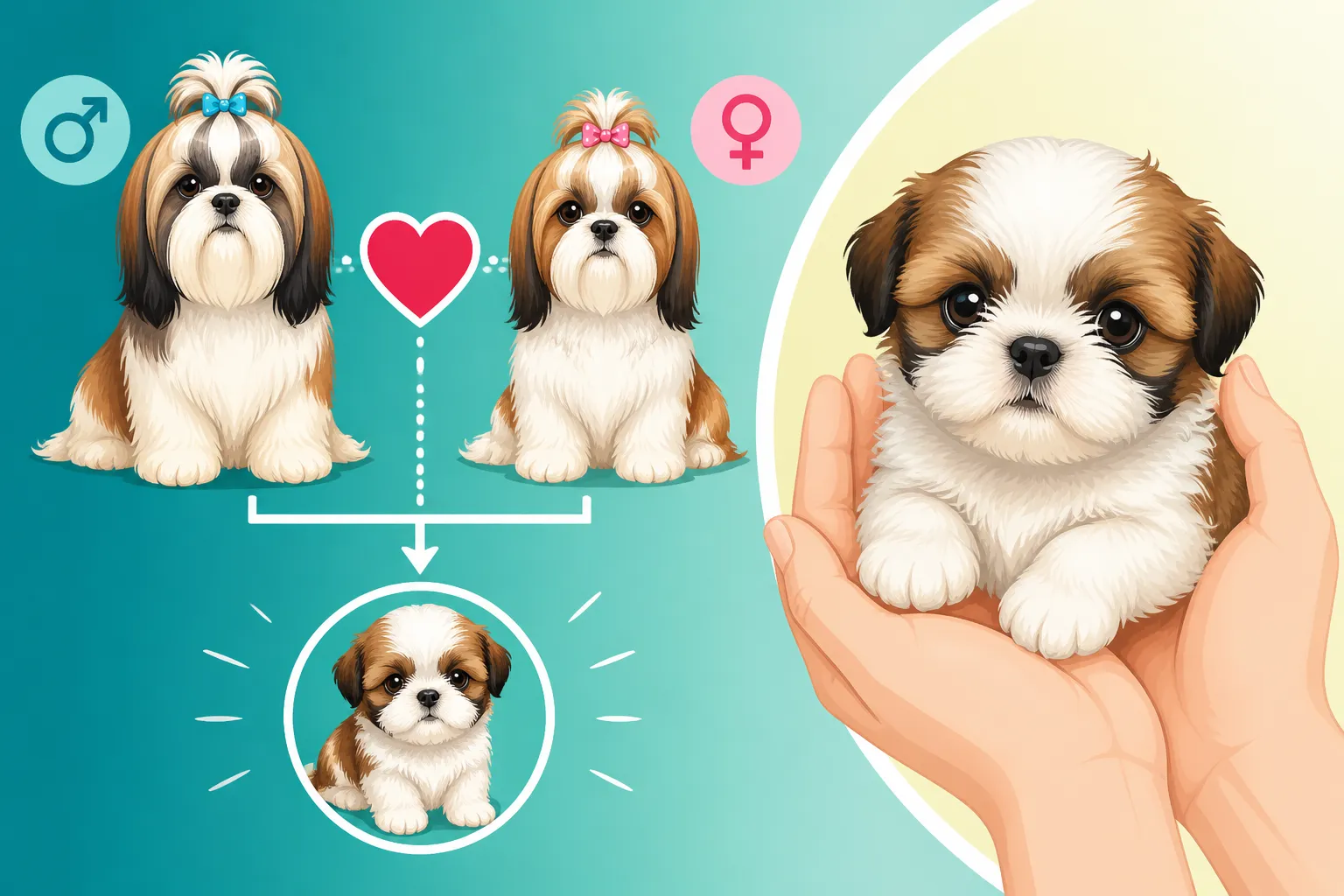
How an Undersized Shih Tzu Is Bred
It’s understandable to be captivated by the idea of an extra-small Shih Tzu. Their adorable, diminutive size often conjures images of delicate, easy-to-carry companions, but the truth behind how these "teacup" or "imperial" Shih Tzus are bred can be far more complex and, frankly, heartbreaking. This guide aims to pull back the curtain on the breeding practices that result in undersized Shih Tzus and highlight the significant health considerations potential owners need to understand.
The Quest for Tiny: How Undersized Shih Tzus Come to Be
The standard for a Shih Tzu, as recognized by major kennel clubs, specifies a weight range, typically between 9 to 16 pounds, and a height of 9 to 10.5 inches at the shoulder. When you see a Shih Tzu advertised as "teacup," "imperial," or simply "extra tiny," it means they fall significantly below this standard. Often, these puppies might be marketed as weighing 5 pounds or less as adults, sometimes for a premium price, playing on the desire for something unique and incredibly small. However, this smaller size is rarely achieved through healthy, careful breeding aimed at improving the breed's overall health or temperament.
More often than not, the breeding of undersized Shih Tzus involves practices that raise serious ethical questions. One common method is the deliberate breeding of two smaller-than-average Shih Tzus, hoping to achieve even smaller offspring. While this might sound logical, these smaller parents may themselves be runts or have underlying health issues that contribute to their smaller stature, which are then passed on to their puppies. It’s a gamble that often sacrifices health for size. Another concerning practice is the breeding of "runts of the litter"—puppies that are naturally smaller and weaker than their siblings due to developmental issues or poor nutrition in the womb. These runts, which might struggle to thrive even under the best conditions, are then chosen specifically for breeding to produce more tiny offspring. This approach completely disregards genetic health and often results in a cycle of fragile, sickly puppies.
Sometimes, the smaller size isn't even entirely genetic but exacerbated by early weaning or intentional nutritional restriction in the crucial first weeks of life. While a reputable breeder ensures their puppies receive optimal nutrition to support healthy growth, an unethical breeder might subtly limit food intake to stunt growth, aiming for that "forever puppy" look. This can have devastating long-term effects on organ development, bone density, and immune function, setting the stage for a lifetime of health problems. It’s a stark contrast to a Shih Tzu puppy that will not grow due to genuine medical issues like renal dysplasia, which should never be mistaken for a desirable trait. The motivation for such practices is almost always profit, as the label "teacup" often comes with a higher price tag.
The Hidden Health Realities of an Extra Small Shih Tzu
While an undersized Shih Tzu might be undeniably cute, their small stature often comes with a significantly higher risk of serious health complications compared to their standard-sized counterparts. This isn't just about being a little delicate; it's about fundamental biological systems being compromised.
Firstly, their tiny frames often mean incredibly fragile bones. A simple jump from a sofa, an accidental misstep, or even a too-enthusiastic hug from a child can result in broken bones. This fragility extends to their joints too; conditions like patellar luxation, where the kneecap slips out of place, are already common in Shih Tzus, but they can be more severe and lead to earlier arthritis in smaller dogs. Shih Tzu Joint Problems in a Toy Frame are a real concern, and miniaturization only amplifies them.
Beyond structural issues, internal organs in undersized Shih Tzus are often disproportionately small or underdeveloped. This can lead to a host of problems. They are at a much higher risk for hypoglycemia ( dangerously low blood sugar), especially as puppies, because their tiny bodies have less fat and muscle reserves to maintain stable glucose levels. This requires constant monitoring and feeding, often around the clock. Their livers and kidneys can also be compromised, making them more susceptible to toxins and less efficient at processing waste. Conditions like portosystemic shunt, where blood bypasses the liver, are more prevalent in smaller breeds and can have severe consequences for neurological function and overall health. Owners often grapple with questions like What Actually Ends a Shih Tzu's Thirteen Years, and for undersized dogs, organ failure can be a premature answer.
Dental problems are another huge concern. Shih Tzus already have a tendency towards Shih Tzu Dental Disease at 13 Percent of the Breed due to their crowded jaws and undershot bites. In an "imperial" or "teacup" Shih Tzu, the jaw is even smaller, cramming more teeth into an impossibly tiny space. This leads to severe overcrowding, retained puppy teeth, accelerated tartar buildup, gum disease, and early tooth loss. These dental issues aren't just cosmetic; they can lead to painful infections that spread to the jawbone and even into the bloodstream, affecting vital organs. Regular dental care, which is already a commitment for any Shih Tzu owner, becomes an even more critical, and potentially more expensive, necessity for these tiny dogs. Getting dental supplies for their tiny mouths can even be a challenge, though thankfully sites like Chewy offer a wide range of options for small breeds.
Finally, their "flat faces," a characteristic of the Shih Tzu breed known as brachycephaly, become even more pronounced and problematic in undersized dogs. This can severely exacerbate Brachycephalic Breathing in a Shih Tzu. They often have extremely narrow nostrils (stenotic nares) and excessively long soft palates that obstruct their airways, leading to chronic respiratory distress, constant panting, snoring, and a high risk of overheating. These dogs struggle with even moderate exercise and are highly susceptible to heatstroke. Anesthesia for any procedure, even a routine dental, carries significantly higher risks for these tiny, brachycephalic dogs.
Ethical Breeding Practices vs. Risky Miniaturization
Understanding the difference between responsible, ethical breeding and the practices that produce undersized Shih Tzus is absolutely critical for anyone considering adding one of these wonderful dogs to their family. Reputable breeders are focused on health, temperament, and adherence to the breed standard, not on creating the smallest possible dog.
Ethical Shih Tzu breeders will never intentionally breed for an "imperial" or "teacup" size. Their goal is to produce healthy, well-adjusted puppies that meet the breed standard for size and conformation. They will carefully screen their breeding dogs for a multitude of genetic health conditions, using tests like those recommended by the Orthopedic Foundation for Animals (OFA) for patellar luxation, hip and elbow dysplasia (though less common in Shih Tzus due to size, still important), and eye certifications from the Canine Eye Registry Foundation (CERF) or American College of Veterinary Ophthalmologists (ACVO). They also often conduct DNA panels to screen for other inheritable diseases. You can learn more about The DNA and OFA Tests for a Shih Tzu Litter and Health Testing a Shih Tzu Breeder Should Do to understand the rigorous standards.
These breeders are transparent about their dogs' lineage, health testing results, and the typical size of their adult dogs. They will happily share health clearances for both parents and will not shy away from discussing potential health concerns in the breed, instead empowering you with information. They typically have waiting lists because they breed infrequently and focus on quality over quantity. They will also provide detailed care instructions for their puppies, including appropriate feeding schedules and recommendations for exercise that support healthy development, not stunt it. When puppies leave for their new homes, they will be robust, well-socialized, and at a healthy weight for their age, not surprisingly tiny.
In contrast, breeders who intentionally produce undersized Shih Tzus often prioritize profit over health and well-being. They may use terms like "teacup" or "imperial" to command higher prices, even though these terms are not recognized by any reputable kennel club or veterinary association. You might notice these breeders advertising their dogs based solely on their small size, rather than their health clearances, temperament, or adherence to the breed standard. They might try to convince you that smaller is simply "cuter" or "rarer" without discussing the associated health risks. You can get a sense of how these labels manipulate perception in our article Why an Imperial Label Raises a Shih Tzu Price.
These breeders might avoid health testing or provide vague answers about their dogs' health. They may not allow you to visit their facility or meet the parents of the puppy, which is a huge red flag. They often have puppies available year-round, suggesting an intensive breeding program that exploits breeding females. Their contracts might be minimal, offering little in the way of health guarantees. When looking at puppy supplies on Chewy or other retailers, remember that even the smallest collars or beds might still be too big for these tiny, fragile creatures, underscoring just how far outside the norm they fall.
What to Know Before Bringing Home a Smaller Shih Tzu
If you're still drawn to the idea of a smaller Shih Tzu, it's absolutely crucial to proceed with extreme caution and a deep understanding of the potential challenges and responsibilities involved. Your primary focus must shift from simply desiring a tiny dog to ensuring you're bringing home the healthiest possible companion, regardless of size.
First and foremost, redefine what "smaller" means to you. If you mean a Shih Tzu on the lower end of the official breed standard (say, 9-10 pounds), that's entirely different from seeking a 3-5 pound "teacup." The difference in health risks between a 9-pound healthy Shih Tzu and a 4-pound one is immense. A healthy 9-pound Shih Tzu can still offer the compact size you desire without the extreme fragility and compounded health issues of a deliberately undersized dog. Always remember, the official The Shih Tzu Standard and What Judges Look For does not make allowances for these extreme small sizes.
When you begin your search, prioritize finding a truly ethical and transparent breeder. This means asking many questions and being prepared for thorough answers. Inquire about the full grown weight of both parent dogs. Ask to see health clearances for the parents – not just a vet check for the puppy, but genetic health testing for inheritable conditions. A reputable breeder will have these readily available. Ask specific questions about hypoglycemia, dental care, and potential breathing issues in their lines. Be wary of any breeder who pushes a narrative of "rare" or "exclusive" tiny sizes without backing it up with robust health guarantees and parentage transparency.
Consider the potential financial commitment. Undersized Shih Tzus are often prone to chronic health issues that require extensive veterinary care, specialized diets, and potentially multiple surgeries throughout their lives. This can include frequent dentals for their crowded mouths, eye care for issues common to their prominent eyes, and management of respiratory problems. These ongoing costs can quickly dwarf the initial purchase price, regardless of whether you find specialty food on Chewy or from your vet. Be prepared for potentially higher Shih Tzu Surgery Costs From the Mouth to the Eye and long-term medication needs.
Finally, temper your expectations regarding lifespan and activity levels. While a standard Shih Tzu can live well into their teens, with some even reaching Why Some Shih Tzus Reach Eighteen, undersized Shih Tzus often have significantly shorter lifespans due to their compromised health. They may also be far more fragile and have severe exercise intolerance, especially in warm weather. This means fewer long walks and more indoor playtime, focusing on gentle activities that don't put strain on their delicate bodies. Providing ramps for furniture, even low ones, is essential to protect their fragile joints and backs, as even a small jump can be dangerous. Think about your lifestyle and whether you are truly prepared for the unique, intense care an undersized, fragile companion might require.
Disclaimer
This article is for general informational purposes only and does not constitute professional advice. Laws, prices and regulations vary by location and change over time. Consult a qualified professional for guidance on your specific situation.