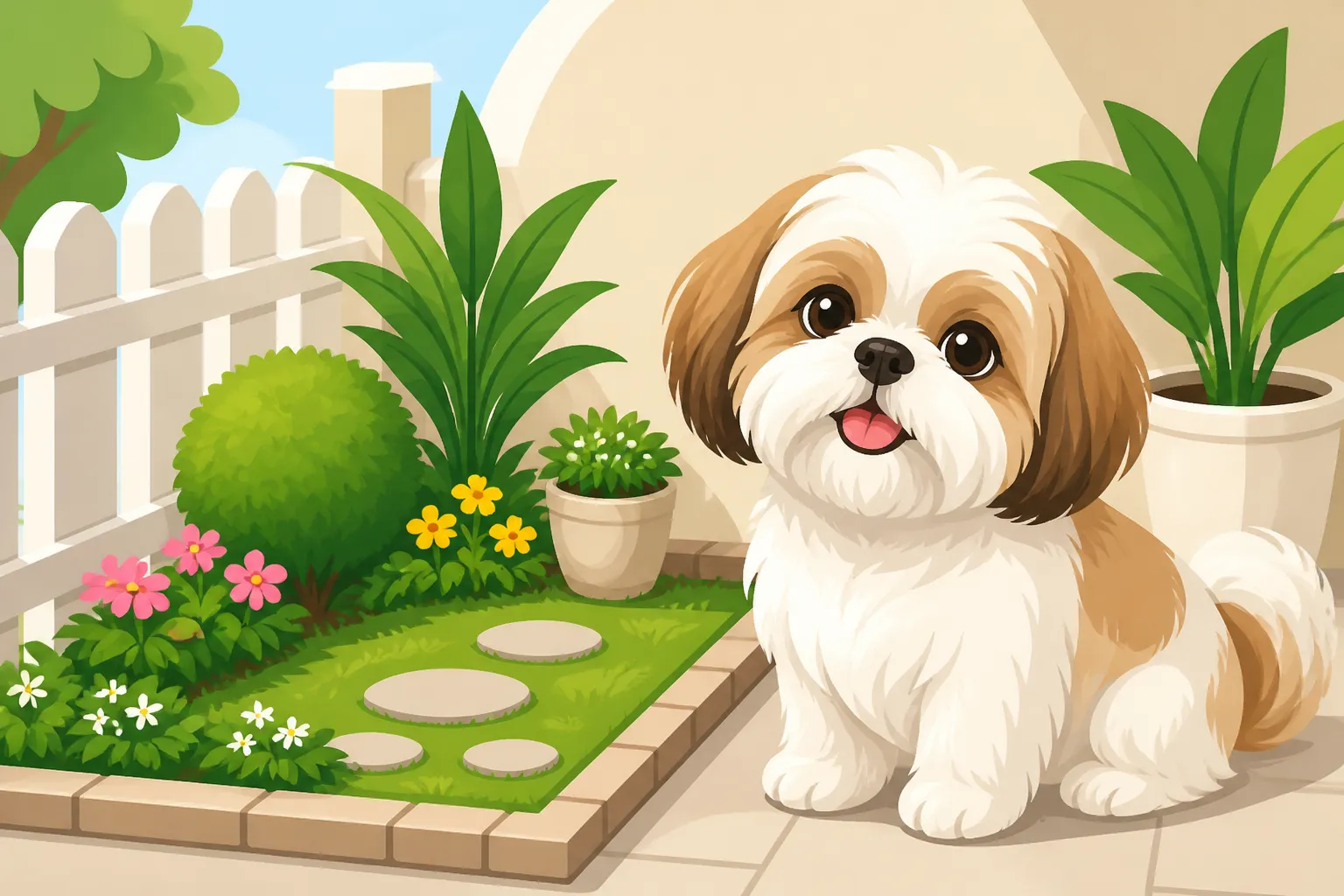
How Little Garden a Shih Tzu Gets By On
One of the biggest worries I hear from prospective Shih Tzu parents, especially those living in apartments or homes with small yards, is whether they can provide enough outdoor space for their furry companion. It's easy to assume that every dog needs acres to run and play, but Shih Tzus, with their unique history and physical makeup, are actually quite adaptable. This guide will put those fears to rest, exploring how these charming little lions thrive beautifully with very little garden space, and how you can make even the tiniest patch of green (or even no green at all!) a happy haven for your flat-faced friend.
Understanding the Shih Tzu's Outdoor Needs
When you think about the ideal dog for a small living space, a Shih Tzu should absolutely be at the top of your list. They truly don't demand vast expanses of land to feel content and well-exercised. Understanding why this is the case helps new owners feel much more confident in their ability to provide a fulfilling life.
Bred for Indoor Living
It’s often said that dogs reflect the purpose for which they were bred, and the Shih Tzu is a perfect example of this. These delightful little dogs originated in the palaces and monasteries of Tibet and China, where their primary role was that of a companion. They were literally bred to sit on laps, adorn imperial courts, and provide affectionate companionship to royalty and monks. Their history tells a tale of luxury and indoor comfort, not vast hunting grounds or herding pastures.
Because of this historical context, a Shih Tzu’s physical and temperamental traits are perfectly suited for indoor life. They are small, making them easy to manage in confined spaces. Their long, flowing coats, while beautiful, were not designed for rough outdoor conditions but rather for the pampered life within palace walls. This inherent predisposition to indoor living means they are far less likely to suffer from cabin fever than, say, a high-energy working breed. You can learn more about their fascinating journey in The Shih Tzu From Tibetan Temples to American Homes. They are, by nature, homebodies who relish being close to their human family.
Exercise Requirements vs. Space
Unlike many breeds that need vigorous, long-distance runs or hours of fetch in a large yard, a Shih Tzu's exercise needs are quite modest. They certainly need daily activity to stay healthy and happy, but this doesn't translate to needing a huge garden. For most Shih Tzus, a couple of short, brisk walks each day – perhaps 10 to 15 minutes each – are perfectly sufficient. These walks serve not only for physical exercise but also for mental stimulation, allowing them to sniff new scents and see the world beyond their immediate home.
Their brachycephalic, or "flat-faced," anatomy actually makes them less suited for strenuous, prolonged exercise. They can overheat easily, especially in warm weather, and have sensitive respiratory systems. This means that long, demanding runs in a large yard could actually be detrimental to their health. Instead, short bursts of indoor play, like chasing a toy down a hallway, or a leisurely stroll around the block, are much more appropriate. Focusing on the quality and safety of their exercise, rather than the quantity of space, is key for a Shih Tzu. We explore this further in The Short Walks a Shih Tzu Is Built For and discuss their unique challenges with heat in Why a Shih Tzu Overheats So Easily.
Sensory Engagement Over Acreage
While a large yard offers plenty of visual and olfactory stimulation, a Shih Tzu can find immense joy and engagement in even the smallest outdoor spaces, provided those spaces offer variety for their senses. For these little dogs, it's often about the quality of the experience, not the square footage. A small patch of grass, a few strategically placed pet-safe potted plants, or even a secure balcony railing can offer a world of smells, sounds, and sights.
Imagine your Shih Tzu exploring a small flower bed (ensure all plants are non-toxic to dogs!), sniffing every leaf and discovering the tiny insects hiding beneath. Or picture them sitting on a sun-warmed patio, observing the birds and squirrels, listening to the sounds of the neighborhood, and taking in new scents carried on the breeze. These moments, even if contained within a tiny area, provide valuable mental enrichment. You can also hide treats or toys in a small, safe outdoor corner for a mini "scent hunt," turning a small space into an exciting adventure. The key is to make their small outdoor access interesting and stimulating, rather than simply a place to relieve themselves.
Maximizing Small Outdoor Spaces for Your Shih Tzu
So, you don't have a sprawling estate? That's perfectly fine! With a little creativity and thoughtful planning, even the most compact outdoor areas can become functional, safe, and enjoyable spaces for your Shih Tzu. The goal is to make every square foot count for their comfort and well-being.
Potty Patch Perfection: Designing a Dedicated Spot
For many Shih Tzu owners with limited outdoor space, the primary function of a small garden or patio is a dedicated potty area. This can be a game-changer for house training and convenience. You have several options, depending on your space and preference. Artificial turf patches, often available at pet supply stores or online retailers like Chewy, are excellent for balconies or paved patios. They provide a realistic texture for your dog and are relatively easy to clean with specialized enzymatic cleaners. Some even come with drainage systems.
Another popular choice is a real grass patch, either grown in a planter or purchased as a disposable sod option. These offer a natural feel and smell that many dogs prefer. Regardless of what you choose, consistency is key. Always take your Shih Tzu to this designated spot, praise them lavishly for using it, and clean it regularly to prevent odors and maintain hygiene. A clean potty area encourages repeat use and keeps your small space pleasant for everyone. For more on indoor options, check out Indoor Grass Trays for a Shih Tzu.
Safety and Shade: Crucial Considerations
When dealing with small outdoor spaces, especially balconies or shared patios, safety is paramount. Ensure any fencing or railing is secure and that there are no gaps or climbing opportunities your clever Shih Tzu could exploit. Balcony netting or screens can be installed to prevent falls or escapes, which is a common concern for smaller breeds. Always supervise your Shih Tzu when they are in these areas, even if they seem completely secure.
Beyond containment, protection from the elements is vital for a Shih Tzu. Due to their brachycephalic structure, they are highly susceptible to overheating. Your small outdoor space must have ample shade. This could mean a permanent overhang, a large umbrella, or even a pop-up canopy. Avoid having them out during the hottest parts of the day, even in the shade. Always check the temperature of paved surfaces; asphalt and concrete can get dangerously hot, burning their delicate paw pads. A simple hand test – if it's too hot for your hand, it's too hot for their paws – can prevent injury. We delve into this in Pavement Heat Under a Shih Tzu Foot. A cool, shaded spot and fresh water should always be available if they spend any time outside.
Enrichment in Mini-Gardens
A small garden, balcony, or patio doesn't have to be just a bathroom break zone; it can be a miniature wonderland of enrichment for your Shih Tzu. Think about incorporating elements that stimulate their senses and natural behaviors. Consider adding a few pet-safe potted plants, like herbs (rosemary or parsley, which are often dog-friendly in small amounts) or certain flowers. Just be sure to research extensively to avoid any toxic plants. These can provide interesting new smells and textures for your dog to explore.
Rotating a few favorite outdoor-appropriate toys can also keep the space fresh and engaging. A durable chew toy, a soft ball, or a plush toy that can withstand a little outdoor grime can provide entertainment. If you have a tiny patch of soft soil, you might even designate a very small, supervised digging spot for a dog who loves to root around – just ensure it's not near valuable plants or utilities. The key is to change things up occasionally. Even moving a chair or a potted plant can make a familiar space feel new and exciting for your curious companion.
Supplementing Outdoor Life with Indoor Activities
Even if you have a perfectly optimized tiny garden, it’s important to remember that a Shih Tzu's needs extend beyond just bathroom breaks. Many of their physical and mental exercise requirements can, and often should, be met indoors. This is where you, as their dedicated human, really shine in keeping them happy and healthy.
Indoor Exercise is Key
Since their outdoor time might be limited by space or weather, channeling their energy indoors is crucial. Shih Tzus are not marathon runners, but they do enjoy short bursts of activity. Engaging them in interactive play sessions throughout the day can keep them fit and prevent boredom. Think about games of fetch down a hallway, or a gentle tug-of-war with a soft toy. Even a few minutes of chasing a laser pointer (though be careful not to frustrate them with an unreachable target) can get their hearts pumping.
You can also set up a simple indoor obstacle course using household items like pillows, blankets, or low boxes for them to navigate. Make it a fun game, rewarding them with praise and tiny treats as they "conquer" each obstacle. These activities not only provide physical exertion but also strengthen your bond and build confidence. Remember, short, frequent play sessions are more effective for a Shih Tzu than trying to pack all their exercise into one long, tiring session. For more ideas, read Indoor Play for a Shih Tzu.
Mental Stimulation Beyond the Walls
Physical exercise is only half the battle; a mentally stimulated Shih Tzu is a happy Shih Tzu. This is especially true for dogs who spend a significant amount of time indoors. Puzzle feeders are fantastic for this, making mealtime an engaging challenge rather than a quick gulp. You can find a wide variety of these, from simple treat-dispensing balls to more complex sniff mats, at pet stores or online at Chewy. These tools encourage natural problem-solving skills and can tire out a dog's brain just as much as a good walk.
Scent games are another excellent way to engage their minds. Hide small, fragrant treats around the house and encourage your Shih Tzu to "find" them. Start easy and gradually make the hiding spots more challenging. Regular training sessions, even just five or ten minutes a day, teaching new tricks or reinforcing basic commands, also provide valuable mental exercise. A Shih Tzu might be stubborn, but they are also intelligent and enjoy learning when the motivation is right. We have more great ideas in Puzzle Feeders a Shih Tzu Can Work.
Regular Outings and Socialization
Even with a perfect indoor setup and a lovely small garden, regular outings beyond your property remain important. These aren't just for potty breaks; they're vital for socialization and providing varied sensory input that a small, familiar space simply can't offer. Short, supervised walks around the neighborhood expose your Shih Tzu to different sights, sounds, and smells – other dogs barking, children playing, cars passing, new flowers blooming. This helps keep them well-adjusted and confident in the world.
Always ensure your Shih Tzu is walked on a secure harness, not just a collar, to protect their delicate neck and trachea. A well-fitting harness prevents pressure on their airway and reduces the risk of eye proptosis if they pull or are suddenly jerked. These walks also provide opportunities for polite greetings with friendly strangers and other dogs, fostering good social skills. However, always be mindful of their safety in public spaces and avoid overly boisterous dogs or crowded, stressful environments. You can learn more about appropriate gear in Shih Tzu Leash Manners on a Harness and methods for building their confidence in Socializing a Shih Tzu Without Frightening It.
Common Concerns and Practical Solutions
Living with a Shih Tzu in a smaller space, or with minimal access to a large yard, naturally brings up a few common questions and concerns for devoted owners. It’s reassuring to know that with understanding and simple adjustments, these are easily managed.
The "Zoomies" in a Small Space
We all know those sudden bursts of energy, often called "zoomies" or FRAPs (Frenetic Random Activity Periods), where your Shih Tzu suddenly sprints around the house with wild abandon. It might look like they need a huge field, but rest assured, a small home is often perfectly adequate for these short, spontaneous bursts. Shih Tzus are not built for sustained, high-speed running. Their zoomies are typically short-lived and can be easily accommodated by allowing them a clear run through a few rooms.
The key is to ensure the space is safe – clear away any obstacles they might trip over, and make sure precious items are out of harm's way. You can even channel this energy into a structured game like indoor fetch or a quick chase, which provides an outlet without needing vast acreage. Often, a good mental workout with a puzzle toy or a short training session before these energy surges can also help to temper their intensity, giving them a constructive way to express their exuberance within your home.
Dealing with Weather Extremes
Perhaps the biggest limitation of a small outdoor space is when it becomes unusable due to extreme weather, particularly for a sensitive breed like the Shih Tzu. Scorching summer days or freezing winter mornings can make even a tiny patio unsafe. This is where flexible solutions come into play. On days when it's too hot or cold, or the ground is too wet, an indoor potty solution can be a lifesaver. This could be a traditional puppy pad or, as mentioned before, an indoor grass tray. These offer a convenient and safe alternative when outdoor conditions are prohibitive.
Beyond potty breaks, adapt your exercise routine. On sweltering days, early morning or late evening walks are crucial, or sticking entirely to air-conditioned indoor play. In winter, a warm coat and booties for quick potty trips are helpful, but prolonged exposure should be avoided. Your Shih Tzu's comfort and safety should always take precedence over strict outdoor routines. Knowing when to keep them snug indoors is a mark of a responsible owner. For guidance, check out Getting a Shih Tzu Outside in Cold Weather and The Outdoor Temperature Limit for a Shih Tzu.
Apartment Living: Making it Work
Living in an apartment, or any dwelling without a private garden, is absolutely no barrier to providing a wonderful life for a Shih Tzu. In fact, many Shih Tzus thrive in apartment settings. The primary difference is that instead of relying on a private yard for potty breaks or some exercise, you'll be taking your Shih Tzu out for more frequent, supervised leash walks. This could mean several short trips outdoors throughout the day to a grassy verge or a designated pet area.
The benefits of apartment living for a Shih Tzu often outweigh the perceived drawbacks. They typically get more direct interaction with their humans, as there's no large yard to disappear into. The world becomes their "garden" during walks, offering a rich tapestry of sights, sounds, and smells. Many apartment dwellers utilize indoor potty solutions as a backup for convenience, especially during bad weather or for very young puppies. Pet supply stores, including Chewy, offer a wide range of indoor potties and accessories to make this a breeze. With a consistent routine and a focus on indoor enrichment, an apartment can be an ideal home for these little lapdogs. This lifestyle is discussed more in Managing a Shih Tzu Without a Garden.
| Outdoor Space Type | Pros for Shih Tzus | Cons for Shih Tzus | Recommendations |
|---|---|---|---|
| Large Yard (1/4 acre+) | Room for exploration; multiple potty spots; variety of textures. | Potential for unseen hazards; too much space encourages excessive running in heat; higher maintenance. | Still prioritize short, supervised outings; create shaded areas; fence securely; regularly check for hazards. |
| Small Yard (100-500 sq ft) | Easily monitored; dedicated potty area; can be transformed into an enrichment zone; promotes bonding during supervised time. | Limited space for running; can quickly get dirty if not maintained; fewer natural features. | Focus on secure fencing and shade; use artificial turf or grass patches; add pet-safe plants; rotate toys. |
| Patio/Balcony | Excellent for apartment living; convenient for potty breaks; safe elevated views; easy to keep clean. | Must be fully secured; limited natural elements; can overheat easily; supervision is constant. | Install secure netting/screens; provide constant shade; use potty patches; add small, safe potted plants. |
| No Private Outdoor Space (Apartment) | Fosters more human interaction; encourages regular walks; indoor solutions provide convenience. | Requires more frequent leash walks; no immediate outdoor access for quick potty breaks; less natural ground. | Establish a consistent walking schedule; utilize indoor potty systems; maximize indoor play and mental stimulation; identify nearby parks. |
Disclaimer
This article is for general informational purposes only and does not constitute professional advice. Laws, prices and regulations vary by location and change over time. Consult a qualified professional for guidance on your specific situation.