How Shih Tzu Ears Should Hang
If you're a Shih Tzu owner, you've probably spent countless hours admiring that fluffy, expressive face. And central to that undeniable charm are those adorable, heavily-feathered ears that hang so gracefully. But while they're undeniably cute, those beautiful droopy ears come with their own set of unique challenges that every Shih Tzu parent quickly learns about, often through frustrating experiences like recurrent infections or stubborn mats. This guide is all about understanding exactly how those Shih Tzu ears should hang, why their structure matters, and most importantly, how to care for them to keep your beloved companion comfortable and healthy.
The Shih Tzu Ear in the Breed Standard
When we talk about a Shih Tzu's ears, it's not just about how they look on the surface, but how they are formed according to the breed standard. This standard, set by kennel clubs, describes the ideal physical traits of the breed, and the ears play a significant role in defining the overall Shih Tzu appearance. It's not merely aesthetics; these characteristics often have practical implications for their health and care.
Set and Placement: What "High Set" Really Means
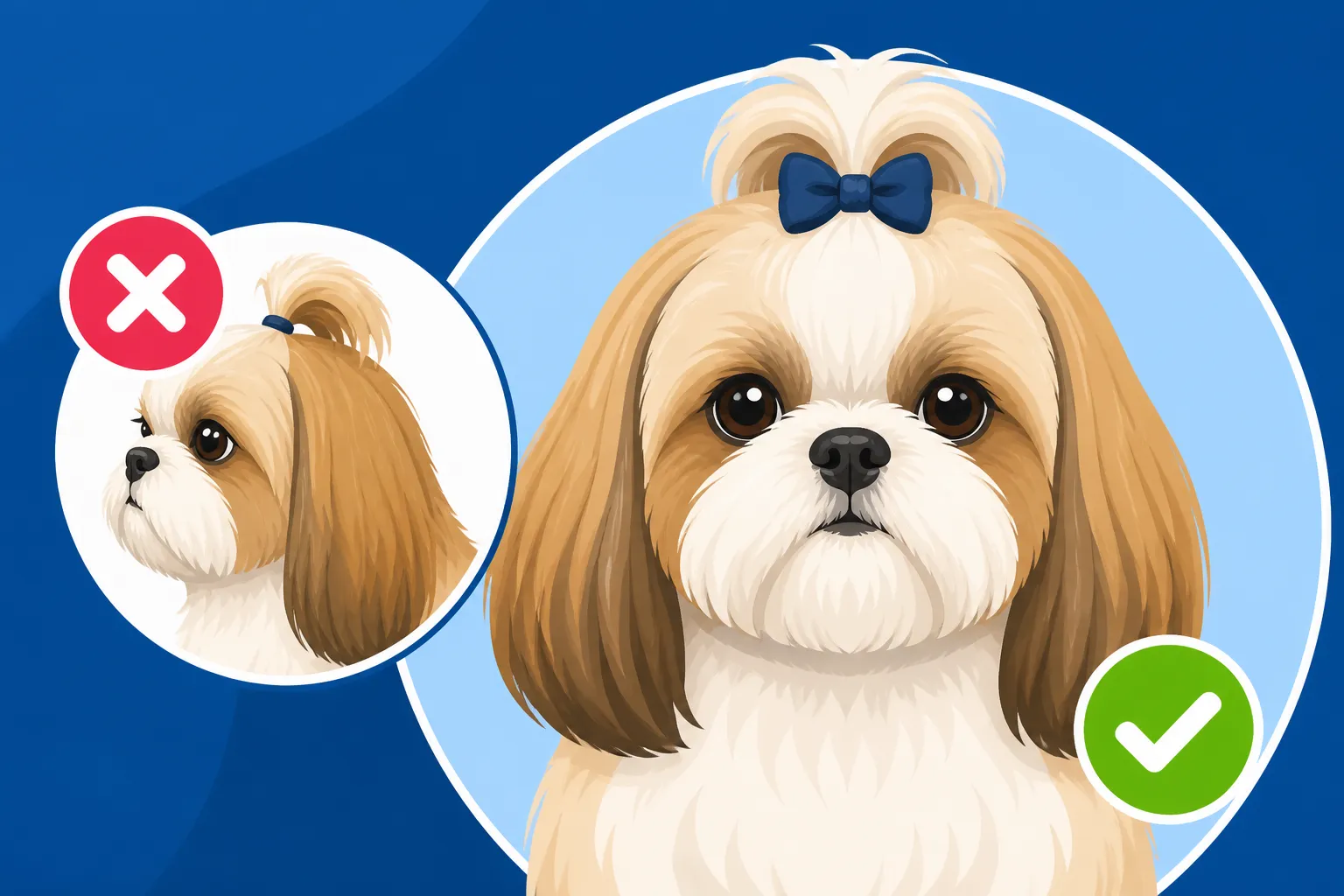
The standard actually states they should be "set slightly below the crown of the skull, heavily feathered, carried drooping." The overall look is for the ears to blend seamlessly with the neck and head, creating a continuous flow of hair that frames the face. The emphasis is on them being "pendant," meaning they hang down, rather than standing erect. This isn't just a casual droop; it's a specific anatomical placement that dictates their appearance and, as we'll see, their care.
This "pendant" nature means the ear leather itself, the actual flap of the ear, is long and heavy. It drapes over the ear canal, almost like a curtain. The abundance of hair, often called "feathering," on these ears further accentuates this look, making them appear even more substantial. For a show dog, the exact placement and amount of feathering are critical points for judges, all contributing to the breed's distinct profile. For us pet parents, it simply means more beautiful hair to manage and keep healthy!
The "Chrysanthemum" Effect: Ears and Facial Hair
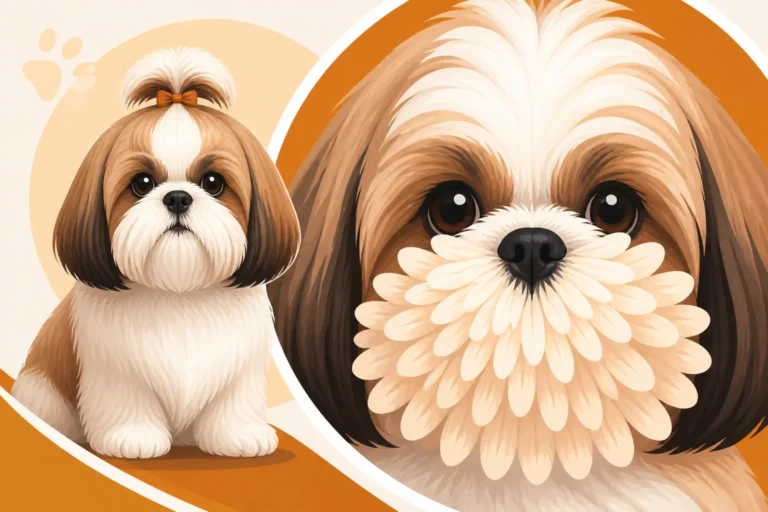
The Shih Tzu is often lovingly referred to as the "Chrysanthemum Dog," and a huge part of that moniker comes from the way their abundant facial hair, combined with their ear set, creates a distinctively round, flower-like face. Imagine a chrysanthemum blooming, with petals fanning out from the center – that's the visual the Shih Tzu's head strives for. The long, sweeping hair on the ears, blending with the beard and topknot, truly completes this signature look.
This beautiful "chrysanthemum" effect isn't just about the length of the hair; it's about its texture and how it frames the face, especially around the eyes. The heavily feathered ears contribute significantly to this soft, rounded appearance. However, this aesthetic comes with a challenge. If the ear hair isn't regularly brushed and kept free of mats, it can pull on the delicate skin of the face and behind the ears, causing discomfort and even skin issues. Furthermore, dirty or infected ears can detract from this lovely appearance, making daily care an absolute must for maintaining both beauty and health.
The Practical Realities of Long, Drooping Ears
While undeniably charming, the long, pendulous nature of Shih Tzu ears isn't just for show. It creates a unique environment around the ear canal that can lead to some common, and often frustrating, health issues for our furry friends. Understanding these realities is the first step in proactive care.
Ventilation Woes: A Haven for Infections
One of the biggest downsides to those lovely, floppy Shih Tzu ears is the lack of airflow to the ear canal. Think about it: a heavy flap of ear leather, often covered in dense, long hair, essentially seals off the ear canal from the outside world. This creates a warm, dark, and often moist environment that is absolutely ideal for the growth of bacteria and yeast. It’s like a tiny greenhouse for microbes!
Owners often report a persistent musty smell from their Shih Tzu's ears, or frequent head shaking and scratching. These are classic signs of an ear infection brewing, or already in full swing. Because the environment is so conducive to microbial growth, Shih Tzus can be prone to recurrent ear infections, making it a constant battle for some pet parents. It’s disheartening to see your little one uncomfortable, constantly scratching, and knowing it often stems from this anatomical predisposition. If you find yourself dealing with frequent flare-ups, you're not alone in feeling frustrated. You might find our article Shih Tzu Ear Infections That Keep Returning really helpful in understanding this cycle.
Matting Magnets: The Hidden Tangles
Beyond infections, those flowing ear feathers are absolute magnets for mats. The fine, double coat of a Shih Tzu is already prone to tangling, but the ear hair is particularly vulnerable because it’s long, often comes into contact with food and water, and rubs against the neck and collar. These mats aren't just cosmetic; they can be incredibly painful.
Imagine a tight knot of hair constantly pulling on the delicate skin behind your ear – that’s what a mat feels like for your Shih Tzu. They tend to form insidiously, often starting as small tangles that quickly snowball into dense, felt-like clumps, especially behind the ear, at the base where it meets the head, and under the ear flap itself. These areas are easily missed during routine brushing because they’re hidden by the rest of the coat. A mat can get so tight it restricts blood flow, causes skin irritation, and makes it impossible for air to circulate, further contributing to ear infections. Many owners have been heartbroken to discover a large, painful mat hidden beneath what appeared to be a well-groomed exterior. It's a prime example of why thorough, regular grooming is non-negotiable for this breed. We delve deeper into this specific issue in Mats That Form Behind Shih Tzu Ears.
Essential Care for Healthy Shih Tzu Ears
Given the inherent challenges posed by those beautiful, pendulous Shih Tzu ears, a consistent and diligent care routine is absolutely critical. It’s not just about aesthetics; it’s about preventing pain and discomfort for your furry friend. Establishing good habits early on can save you and your Shih Tzu a lot of trouble down the line.
Weekly Ear Cleaning: More Than Just a Quick Wipe
Regular ear cleaning is the cornerstone of preventing infections in Shih Tzus. This isn't something you can just do once a month and forget about; it really needs to be a weekly affair. The goal is to remove any debris, excess wax, and moisture that has accumulated, thus disrupting that perfect breeding ground for bacteria and yeast.
To do this properly, you’ll need a good quality, vet-approved ear cleaning solution designed for dogs. Many excellent options are available from retailers like Chewy, offering various formulations for sensitive ears or those prone to yeast. Gently lift your Shih Tzu's ear flap so you can see the visible part of the ear canal. Apply the cleaner as directed on the bottle – usually a few drops or a small squeeze into the ear opening. Then, gently massage the base of the ear for about 20-30 seconds. You’ll probably hear a squishing sound, which means the cleaner is doing its job. After massaging, let your Shih Tzu shake their head vigorously; this helps dislodge debris. Finally, take a soft cotton ball or a clean piece of gauze and gently wipe away any visible gunk from the inner ear flap and the entrance to the canal. Remember, never use cotton swabs (Q-tips) down into the ear canal, as this can push debris deeper or even damage the eardrum. For a full rundown on this important routine, check out The Weekly Shih Tzu Ear Routine.
Keeping Hair Under Control: Trimming and Plucking
The amount of hair inside and around a Shih Tzu's ear canal is another factor contributing to ear problems. This dense hair can trap even more moisture and debris, further impeding airflow. There are two main approaches to managing this hair: trimming and plucking.
Some owners and veterinarians advocate for carefully trimming the hair around the entrance of the ear canal to open it up and allow for better air circulation. This usually involves using small, blunt-nosed scissors to snip away any hair that is visibly obstructing the opening. If you go this route, extreme caution is necessary to avoid accidentally cutting the delicate ear skin. Other experts prefer plucking the hair from inside the ear canal. The argument here is that plucking completely removes the hair from the follicle, keeping the canal clearer for longer. However, plucking can also be irritating to the sensitive skin inside the ear and, if done improperly or too frequently, can lead to inflammation, which ironically can increase the risk of infection. It's a debate with valid points on both sides, and what works best can vary from dog to dog. Always consult your vet or a professional groomer like those found through Chewy’s network before deciding on a plucking routine. They can guide you on the safest method for your specific Shih Tzu. You can read more about this decision in Whether to Pull Hair From a Shih Tzu Ear.
Drying and Post-Bath Precautions
This point cannot be stressed enough: dampness is the enemy of healthy Shih Tzu ears. After a bath, a swim, or even a very humid day, it is absolutely crucial to thoroughly dry your Shih Tzu's ears. Any residual moisture can quickly turn that warm, dark ear canal into an even more perfect breeding ground for infections.
When bathing your Shih Tzu, try to avoid getting water directly into their ears by placing cotton balls gently in the ear canals. After the bath, remove the cotton. Then, use a clean towel to blot the ear flaps dry. For the inside of the ear, you can use a few clean cotton balls or a soft cloth to gently wipe out any moisture. Many owners use a dog-specific hairdryer on a low, cool setting to gently blow air into the ear canal from a distance, lifting the ear flap to ensure air circulates freely. Just be extremely careful about heat and proximity. Giving the ears an "air-out" session by holding them up for a few minutes can also be beneficial. This might sound like a lot of steps, but it’s a small investment of time to prevent the significant discomfort and vet bills associated with a nasty ear infection. Remember, a damp ear is an unhappy ear! Our guide on Drying a Shih Tzu Right Through the Undercoat also offers broader advice that applies to ear-drying.
When to Seek Veterinary Help for Ear Issues
Even with the most meticulous home care, Shih Tzus can still develop ear problems. Their unique ear structure, combined with potential underlying issues like allergies, means that vigilance is always key. Knowing when to stop home remedies and involve your veterinarian is paramount to your dog's health and comfort.
Recognizing the Red Flags: Signs of Trouble
It's tempting to try and fix every little sniffle or scratch at home, but with ear issues, acting quickly can prevent a minor irritation from becoming a full-blown, painful infection. You need to become an expert at spotting the subtle, and not-so-subtle, signs that your Shih Tzu's ears are in trouble.
Here are the red flags you should never ignore:
- Persistent Head Shaking: This is often one of the first and most obvious signs. If your Shih Tzu is constantly shaking their head, they're trying to dislodge something uncomfortable in their ear.
- Excessive Scratching: If they're constantly pawing at their ears or rubbing them on furniture, it's a clear indicator of itchiness or pain. This scratching can also cause secondary skin infections on the ear flaps themselves.
- Redness or Swelling: Gently lift the ear flap and examine the skin inside. Is it redder than usual? Does it look swollen or inflamed?
- Unpleasant Odor: A healthy ear should have minimal to no smell. A foul, yeasty, or pungent odor is a strong indicator of an infection.
- Discharge: Any discharge, whether it's dark brown, yellowish, or pus-like, is a definite sign that something is wrong.
- Pain or Sensitivity: If your Shih Tzu yelps or pulls away when you touch their ears, they are likely experiencing pain.
- Changes in Behavior: Lethargy, loss of appetite, or general irritability can also be indirect signs of discomfort caused by an ear infection.
If you notice any of these symptoms, it's time to call your veterinarian. Don't wait, hoping it will go away on its own. Untreated ear infections can become chronic, spread deeper into the ear, or even lead to hearing loss.
Chronic Issues and Specialized Care
Some Shih Tzus, unfortunately, seem to be prone to recurrent ear infections despite the best efforts of their owners. This can be incredibly frustrating, leaving you feeling like you're constantly battling a losing war. If your Shih Tzu experiences ear problems more than two or three times a year, it's likely they have an underlying issue that needs to be addressed.
Often, chronic ear infections in Shih Tzus are linked to allergies – either environmental allergies (like pollen, dust mites) or food allergies. When a dog has allergies, their skin, including the skin lining the ear canal, can become inflamed and itchy, making it more susceptible to secondary yeast or bacterial infections. In these cases, simply treating the infection isn't enough; you need to address the root cause, which often involves dietary changes, allergy medications, or immunotherapy. Your vet might suggest further diagnostics, such as cytology (looking at ear swabs under a microscope) to identify the specific type of infection (bacterial, yeast, or both), or even refer you to a veterinary dermatologist for specialized allergy testing and management. Understanding and managing these complex issues can be a long process, but it's essential for your Shih Tzu's long-term comfort. For instance, Yeast Infections in a Shih Tzu Ear specifically outlines the challenges and treatments for that common issue. You may even discuss various prescription ear cleansers and medications, often available through online pet pharmacies like Chewy, once prescribed by your vet.
| Characteristic | Healthy Shih Tzu Ear | Infected Shih Tzu Ear |
|---|---|---|
| Appearance | Clean, light pink skin, minimal visible wax. | Red, swollen, inflamed skin, excessive dark or yellow wax. |
| Smell | Little to no odor. | Foul, musty, yeasty, or pungent smell. |
| Behavior | No scratching, head shaking, or sensitivity. | Frequent scratching, head shaking, rubbing ears, pain when touched. |
| Discharge | None. | Dark brown, black, yellow, or pus-like discharge. |
| Hair Condition | Clean, free-flowing, no mats or tangles near canal. | Matted or crusty hair around ear opening, possibly wet with discharge. |
| Temperature | Cool to the touch. | Warm or hot to the touch. |
Disclaimer
This article is for general informational purposes only and does not constitute professional advice. Laws, prices and regulations vary by location and change over time. Consult a qualified professional for guidance on your specific situation.