Shih Tzus Given as Tribute to Chinese Emperors
For those of us who adore our little Shih Tzus today, it's sometimes hard to imagine the storied past these fluffy companions carry. They weren't always the couch potatoes curled up next to us; in fact, their ancestors held a place of immense honor, serving as cherished gifts and symbols of reverence, particularly when offered as tribute to the powerful emperors of ancient China. This history is richer and more fascinating than many owners realize, deeply entwined with diplomacy and imperial life.
The Journey from Sacred Mountain to Imperial Palace
The Shih Tzu's journey from their misty, mountainous origins to the opulent halls of the Chinese imperial court is a tale steeped in ancient tradition and diplomatic exchange. These aren't just cute lapdogs; they carry centuries of history in their very DNA, a history that began far from the bustling cities of China.
Tibetan Roots and Revered Ancestry
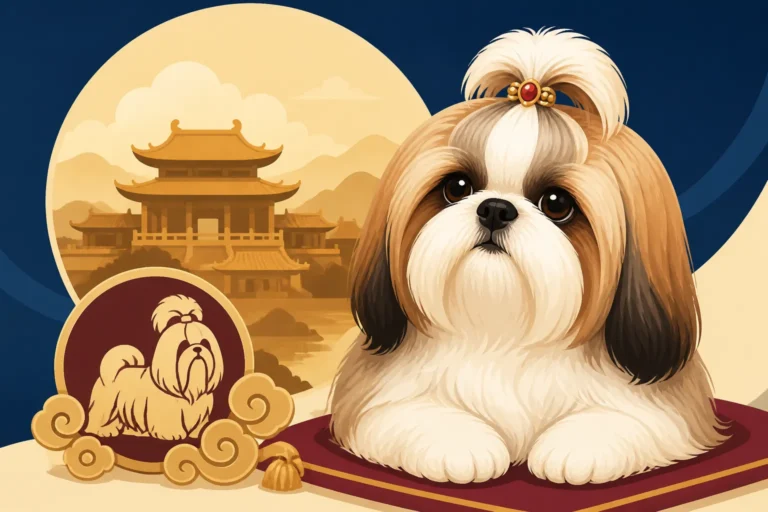
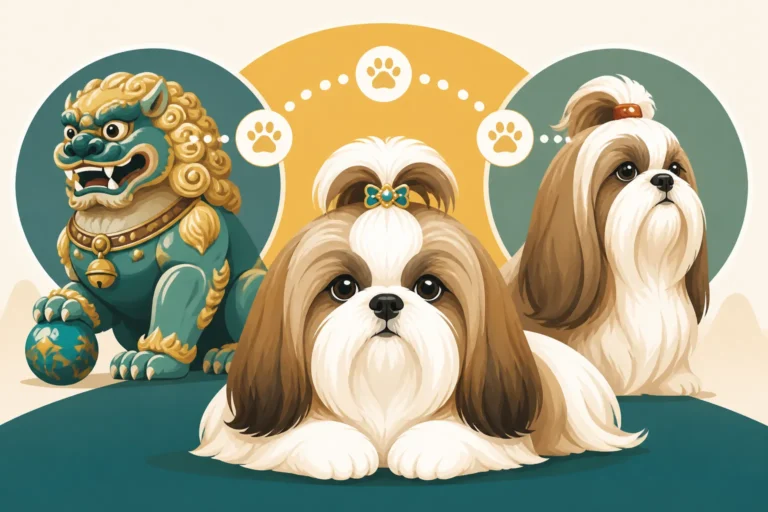
Before they graced the laps of emperors, the ancestors of the Shih Tzu were bred in the high, sacred plateaus of Tibet. Here, among the monks and nobility, these "Lion Dogs" were more than just pets; they were deeply revered creatures, believed to embody the spirit of the mythical snow lion, a symbol of strength, courage, and good fortune in Tibetan Buddhism. Imagine these fluffy, spirited dogs, not unlike our modern Shih Tzus, living in serene monasteries, their gentle presence a calming influence amidst daily rituals. They were companions to lamas and esteemed members of the monastic community, cherished for their joyful dispositions and their perceived ability to ward off evil spirits. Their lineage is tied to ancient Tibetan breeds, suggesting a long history of selective breeding to cultivate their distinctive appearance and amiable temperament.
The idea that these small dogs were considered sacred explains why they were such prized possessions, not to be given lightly. They represented a piece of Tibetan culture and spirituality, making them an ideal gift for powerful rulers seeking to forge alliances or show respect. The careful breeding and protection of these dogs by the monks and nobility meant that when they did leave Tibet, it was for a purpose of significant diplomatic weight.
The Ten-Month Trek to Peking
The journey from the Himalayan highlands to the Chinese capital of Peking (now Beijing) was no small feat, especially for such small, delicate animals. We're not talking about a quick plane ride or a comfortable car trip. Instead, these precious dogs undertook what was often a grueling, ten-month-long trek, usually as part of a caravan of gifts and diplomatic envoys. This was a true overland expedition, traversing vast distances, often through challenging terrain and variable weather.
Imagine the dedication required to transport these dogs across such a monumental distance. They would have been meticulously cared for, probably carried in ornate cages or even cradled by attendants, shielding them from the harsh elements and ensuring their comfort. Their diet, grooming, and health would have been paramount, reflecting their immense value. This arduous journey underscores just how deeply these dogs were valued, not just for their cuteness, but for the profound diplomatic significance they carried. Each step of that journey was a testament to the respect and honor due to the recipient – the Chinese emperor. It paints a vivid picture of the sheer effort involved in these ancient "tribute missions" where the well-being of these small, furry ambassadors was paramount. The Ten Month Journey From Tibet to Peking delves deeper into the logistical challenges of this historical movement.
Imperial Life: Gifts Fit for an Emperor
Upon their arrival in the Chinese imperial court, these "Lion Dogs" underwent a transformation, becoming what we now recognize as the direct ancestors of the modern Shih Tzu. They were no longer just sacred companions from Tibet; they became living treasures, diplomatic offerings of immense value, deeply integrated into the elaborate tapestry of palace life.
Diplomacy Through Doggos: Tribute to the Throne
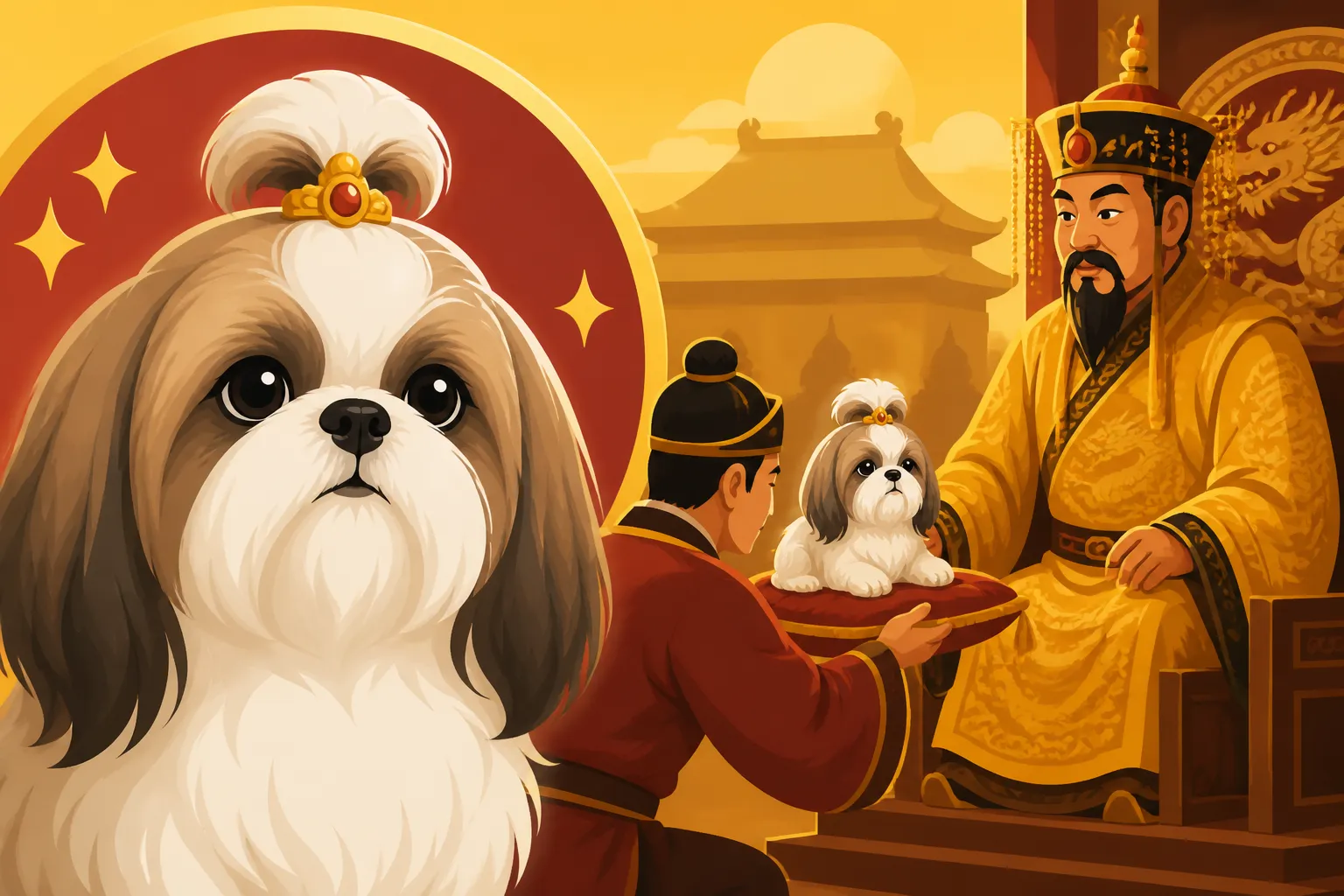
For centuries, especially during the Tang Dynasty and later during the Ming and Qing Dynasties, the gifting of these dogs was a formalized diplomatic practice. Tibetan monks and rulers would send these exquisite little dogs as tribute to the Chinese emperors, a sign of respect, loyalty, and a desire for peaceful relations. These weren't mere casual gifts; they were symbols of allegiance and cultural exchange, carefully chosen to impress and delight the most powerful man in China.
Receiving such a gift was a high honor for the emperor, signifying the sender's recognition of his supreme authority. The dogs arrived not just as individual animals, but as living embodiments of a peaceful relationship between two powerful entities. Their exquisite beauty and unique heritage made them far more valuable than gold or jewels in many imperial eyes, often listed meticulously in court records alongside other rare and precious tributes. This tradition established the Shih Tzu's place at the very pinnacle of canine aristocracy within China, a status that would endure for generations. We can even find Shih Tzus in Ming Dynasty Paintings, showcasing their integration into imperial artistry and daily life.
The Emperor's Lapdog: A Life of Luxury
Once ensconced within the Forbidden City, these imperial dogs lived lives of unimaginable luxury. They were literally treated like royalty themselves, afforded privileges and care that far surpassed those given to most humans outside the palace walls. Imagine a dog with its own retinue of eunuchs and ladies-in-waiting dedicated solely to its comfort and well-being!
Their diets were meticulously prepared, often consisting of the finest meats and rice, far superior to the sustenance of commoners. They slept on silk cushions, perhaps even in miniature palanquins, and were always within arm's reach of the emperor or empress. Their coats, already magnificent, received constant attention, groomed with precious combs and adorned with tiny ribbons and jewels. The primary role of these dogs was companionship – to bring joy and amusement to the imperial family. They were bred Why a Shih Tzu Was Bred to Sit on a Lap, serving as warm, animated ornaments, adored for their playful spirits and affectionate natures. This pampered existence ensured their continued good health and the perpetuation of their unique characteristics under imperial patronage.
Within the Forbidden City: A Breed Apart
Life for the Shih Tzu within the Forbidden City was truly extraordinary, setting them apart from any other canine. They were not simply dogs; they were cherished members of the imperial household, guarded secrets, and living symbols of power and prestige. Their distinct appearance and gentle temperament were cultivated and treasured behind the high walls of the palace.
The Eunuchs and Ladies-in-Waiting: Full-Time Caretakers
The care of the imperial Shih Tzus was a serious matter, overseen by dedicated palace staff. What Eunuchs Did in the Imperial Dog Kennels provides a fascinating glimpse into this world. These aren't your typical kennel workers; eunuchs and ladies-in-waiting were entrusted with the daily grooming, feeding, and even entertaining of these precious dogs. Imagine staff members whose sole responsibility was ensuring the comfort and happiness of a small, fluffy dog!
They were responsible for maintaining the Shih Tzu's luxurious double coat, a task that required daily brushing and intricate styling, often tying up their long facial hair into ornate topknots to keep it out of their eyes – a practice that continues with many modern Shih Tzu owners. Their health was constantly monitored, and special measures were taken to ensure their delicate respiratory systems, a characteristic of brachycephalic breeds, were not stressed. This intensive, round-the-clock care fostered a deep bond between the dogs and their handlers, and ensured the breed thrived in an environment that valued beauty and companionship above all else.
Dowager Empress Cixi and the Golden Age of the Shih Tzu
Perhaps no figure is more synonymous with the Shih Tzu's imperial history than Dowager Empress Cixi. During her reign in the late 19th and early 20th centuries, the Shih Tzu experienced a golden age within the Forbidden City. Cixi was absolutely obsessed with her "Lion Dogs," maintaining a sprawling kennel with hundreds of them, each one a precious jewel in her collection. The Empress Who Bred Shih Tzus in the Forbidden City highlights her passion and meticulous approach.
Cixi reportedly treated her dogs with more deference than many human courtiers, allowing them to roam freely through her private chambers. She even penned detailed instructions for their care, grooming, and breeding, ensuring their lineage remained pure and their characteristics perfectly aligned with her aesthetic preferences. She believed her dogs possessed sacred qualities and even participated in ceremonies and rituals with them. Under her patronage, the breed flourished, becoming the quintessential symbol of imperial luxury and a testament to her unique vision for the "Forbidden Dog." It was during this period that many of the features we recognize in the modern Shih Tzu were refined and cemented through careful, dedicated breeding.
From Imperial Secret to Global Companion
The secretive world of the Forbidden City could not hold the Shih Tzu forever. Despite centuries of being guarded imperial treasures, political upheaval and global interest eventually led to these enchanting dogs finding their way beyond China's borders, eventually captivating hearts worldwide.
The Breed's Escape from China
The fall of the Qing Dynasty in 1912, and the subsequent turbulent decades in China, dramatically changed the fate of the imperial Shih Tzus. The elaborate kennels and dedicated staff dispersed, and many of the dogs, once symbols of imperial power, found new homes outside the palace walls. It was during this period, particularly in the 1920s and 1930s, that the first Shih Tzus began to make their way to the West.
Often, these were gifts from Chinese nobility to foreign dignitaries, or were acquired by Western travelers and diplomats who recognized their unique charm and ancient heritage. It wasn't a mass exodus, but a slow trickle of these precious dogs, each one a living piece of Chinese history carried to new lands. How Shih Tzu Breeding Scattered After 1908 details how these dogs transitioned from being exclusive imperial property to becoming known to a wider world. This migration marked the beginning of the Shih Tzu's journey from an almost mythical, secluded breed to one that would eventually win hearts across continents.
Establishing the Breed in the West
Once these pioneering Shih Tzus arrived in countries like England and Norway, dedicated enthusiasts and breeders took up the mantle of preserving and developing the breed. It wasn't always straightforward; there were often very few dogs to start with, making careful breeding crucial to avoid genetic bottlenecks. Early breed clubs were formed, and meticulous records were kept to establish pedigrees and ensure the continuation of the breed's distinct characteristics.
The breed slowly gained recognition with major kennel clubs, eventually being officially recognized by the American Kennel Club in 1969. This formal recognition solidified their place in the Western dog world, ushering in an era of popularity that continues to this day. Today, when you visit a pet supply store like Chewy, you'll find a vast array of products specifically designed for the Shih Tzu, from specialized grooming tools for their flowing coats to small-breed kibble perfectly suited for their unique jaws. This accessibility is a stark contrast to their imperial past, where even basic care was a closely guarded secret.
The Modern Shih Tzu: A Legacy of Love
Today, the Shih Tzu is one of the most beloved companion breeds globally. While they may no longer live in imperial palaces, their inherent qualities—their affectionate nature, playful spirit, and undeniable charm—remain unchanged from their royal ancestors. They are cherished family members, bringing joy and comfort to countless homes.
Their historical journey from revered Tibetan temple dogs, through centuries of imperial luxury as gifts to Chinese emperors, to the beloved family pets they are today, is a testament to their enduring appeal. When you look at your Shih Tzu, imagine the echoes of their past—the long journeys across mountains, the silk cushions of the Forbidden City, and the doting care of imperial eunuchs. It's a rich history that makes our modern connection to these "Lion Dogs" all the more special. And whether you're sourcing their favorite treats or a new bed, modern platforms make it easy to spoil them like the royalty they once were, with comprehensive options for everything your furry emperor or empress needs. The Shih Tzu From Tibetan Temples to American Homes offers a broader look at this incredible transformation.
| Era/Location | Status of Shih Tzu | Primary Role | Care & Environment | Availability |
|---|---|---|---|---|
| Ancient Tibet | Sacred "Lion Dogs," monastic companions | Spiritual symbols, companions to lamas | Monasteries, guarded, respectful care | Extremely limited |
| Imperial China | Diplomatic tribute, cherished imperial pet | Companion, symbol of status, living treasure | Forbidden City, dedicated eunuchs/ladies-in-waiting, luxury | Exclusive to royalty |
| Early 20th Century | Rare, exotic breed, slowly spreading to the West | Companion, novelty for foreign nobility | Private estates, small breeding efforts | Very limited |
| Modern Day (Global) | Popular companion breed, family member | Affectionate pet, emotional support | Homes worldwide, accessible care via pet stores like Chewy | Widely available |
Disclaimer
This article is for general informational purposes only and does not constitute professional advice. Laws, prices and regulations vary by location and change over time. Consult a qualified professional for guidance on your specific situation.