The Shih Tzu in the Qing Imperial Court
For anyone who has ever gazed into the soulful eyes of a Shih Tzu, there’s an undeniable air of ancient dignity, a quiet confidence that whispers tales of a truly royal past. It's not just a feeling; it's a historical truth. Our beloved "Lion Dogs" didn't just wander into our homes; they descended from the highest echelons of Chinese society, pampered and protected within the lavish confines of the Qing Imperial Court. Understanding this incredible heritage isn't just a fun fact; it helps us appreciate their unique temperament and why they carry themselves with such regal charm today. This guide will take you on a journey back in time to explore the incredible life of the Shih Tzu in this legendary court.
The Golden Age of Shih Tzus: The Qing Dynasty
The Qing Dynasty, particularly during its later years, marked a true zenith for the Shih Tzu breed in China. These weren't just ordinary dogs; they were living treasures, steeped in history and revered for their beauty and amiable nature. Imagine a world where a dog’s comfort and well-being were meticulously managed by an entire staff, their every whim catered to – that was the reality for the imperial Shih Tzus. Their existence was a far cry from the modern pet's life, though the deep affection they inspired still resonates today.
Dowager Empress Cixi: The Ultimate Shih Tzu Enthusiast
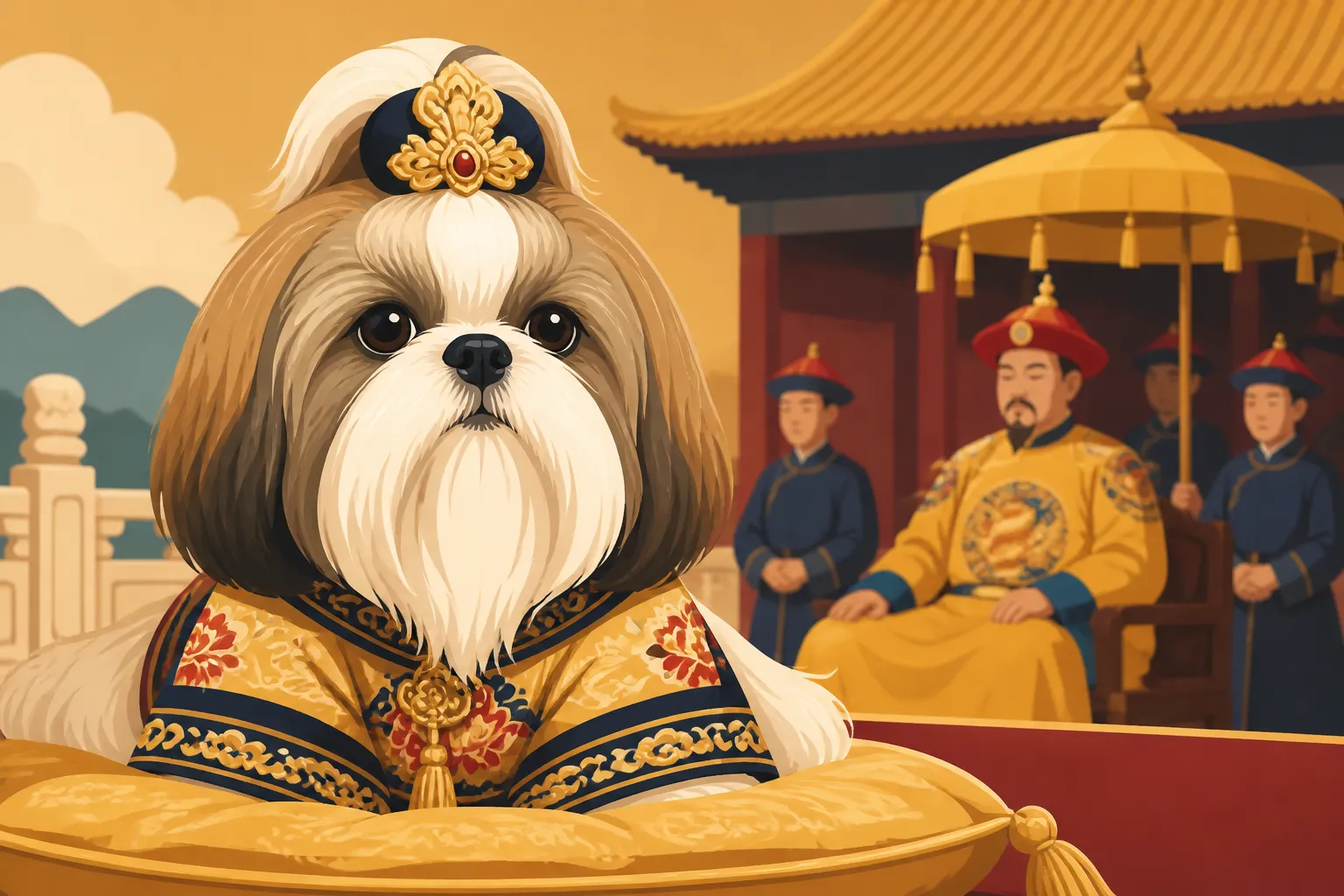
When we speak of the Shih Tzu in the Qing Imperial Court, one figure immediately comes to mind: Dowager Empress Cixi. She was, without a doubt, the breed's most devoted and influential patron. Cixi, who essentially ruled China for nearly 50 years in the late 19th and early 20th centuries, possessed an unwavering passion for these dogs. She had a sprawling kennel within the Forbidden City, which housed hundreds of dogs, with Shih Tzus being her undisputed favorites. It wasn't just about ownership; it was about an obsession with their breeding, care, and the mystical aura they exuded. To her, they weren't just pets; they were living embodiments of imperial power and spiritual connection, a lineage directly tied to ancient Tibetan "lion dogs" gifted to the court. You can learn more about The Empress Who Bred Shih Tzus in the Forbidden City.
She took an intensely hands-on approach to her kennel, often writing detailed instructions for her eunuchs on everything from feeding regimens to grooming techniques. Her love for the breed shaped their appearance and temperament, prioritizing specific traits that we still recognize in Shih Tzus today. Her passion elevated the breed from revered companions to symbols of the imperial household, ensuring their survival and propagation during a tumultuous period in Chinese history.
Life in the Forbidden City: A Shih Tzu's Royal Treatment
The Shih Tzus living within the Forbidden City enjoyed a life of unparalleled luxury, quite unlike any other dogs in the world at the time. They lived in lavish, purpose-built kennels, often constructed with marble and silk cushions, which might sound unbelievable, but it speaks volumes about their status. These dogs were never left to fend for themselves; they had an extensive retinue of eunuchs and ladies-in-waiting dedicated solely to their care. This wasn't just basic feeding and walking; it involved intricate grooming, specialized diets, and even formal "playtime" sessions designed to keep them entertained and well-socialized within their cloistered environment.
Their diet was particularly noteworthy. They weren't given scraps; rather, they received meals specifically prepared for them, often consisting of finely minced meats, grains, and special broths, all designed to maintain their health and lustrous coats. Imagine a dedicated culinary team just for the dogs! This level of attention extended to their daily grooming, which was a ritualistic affair, ensuring their long, flowing coats remained free of tangles and mats. It was believed that their well-kept appearance reflected the prosperity and order of the imperial court itself.
Imperial Breeding Programs and the Role of Eunuchs
The Qing Imperial Court's approach to its Shih Tzus was far more than simple pet ownership; it was a sophisticated, albeit highly centralized, breeding program. The goal was to maintain the purity of the lineage, enhance desirable traits, and produce dogs worthy of their imperial status. This required meticulous record-keeping, careful selection, and dedicated personnel, all operating within the strict hierarchy of the Forbidden City.
The Structure of the Imperial Kennels
The imperial kennels were highly organized, almost like a miniature empire within the larger one. They were typically located in a serene, secluded part of the palace grounds, designed to provide comfort and security for the precious dogs. Each kennel would house specific breeds, with the Shih Tzus often having their own dedicated section, reflecting their esteemed position. The entire operation was overseen by a head eunuch, who reported directly to the Empress or Emperor. This strict chain of command ensured that every instruction was carried out to the letter.
Under the head eunuch, a team of lesser eunuchs and servants were assigned specific tasks: feeding, grooming, exercise, and even training. They were expected to be deeply knowledgeable about canine care and committed to the welfare of their charges. These individuals were likely the primary caregivers, forming close bonds with the dogs, much like we do with our Shih Tzus today. The sheer scale of these operations, catering to hundreds of dogs, required immense logistical planning and resources, highlighting the immense value placed upon these animals. It really shows how seriously the Imperial Court took their "lion dogs."
Breeding Philosophy: Beauty, Temperament, and Divine Connection
The breeding philosophy within the Qing Imperial Court was a blend of aesthetic pursuit, temperament consideration, and deep-seated superstition. The goal was to produce Shih Tzus that embodied the ideal "lion dog"—a small, courageous, and regal creature with a chrysanthemum face, large dark eyes, and a flowing coat that moved like silk. These traits weren't just for show; they were seen as physical manifestations of the breed's divine origins and imperial connection. Breeders, guided by Empress Cixi's preferences, aimed for specific coat colors, eye expressions, and the distinctive "undershot" bite that is still a hallmark of the breed.
Temperament was equally crucial. An imperial Shih Tzu needed to be amiable, intelligent, and affectionate, yet also possess a certain dignified aloofness befitting its royal blood. They were bred to be companions, lap warmers, and loyal confidantes, rather than working dogs. This emphasis on a companionable nature is why modern Shih Tzus are so well-suited to family life. Beyond the physical and behavioral traits, there was a spiritual element. Shih Tzus were believed to ward off evil spirits and bring good fortune, and their spirited barks were sometimes seen as omens. The meticulous selection for both beauty and disposition ensured that each generation of imperial Shih Tzus met these exacting standards. To understand their role better, consider The Shih Tzu From Tibetan Temples to American Homes.
Shih Tzus as Diplomatic Gifts and Status Symbols
The value of the Shih Tzu extended far beyond the confines of the Forbidden City as cherished pets. They were powerful tools of diplomacy and unmistakable markers of high status, both within China and in its interactions with the outside world. To possess an imperial Shih Tzu was to possess a piece of the Emperor's favor, a tangible link to the revered court itself.
Gifts to Foreign Dignitaries
One of the most significant roles of the imperial Shih Tzu was as a diplomatic gift. Emperors and later, Empress Cixi, would bestow these precious dogs upon favored foreign dignitaries and visiting royalty. These gifts were not merely tokens of goodwill; they were carefully calculated gestures meant to convey respect, forge alliances, and subtly assert the prestige of the Chinese empire. Receiving a Shih Tzu directly from the Forbidden City was a tremendous honor, signifying a high degree of trust and regard.
Imagine the impression such a gift would make: a rare, exquisitely groomed "lion dog" from a distant, mysterious land. These dogs often traveled with their own retinue of caregivers and translators, ensuring their comfort during long journeys. These diplomatic exchanges played a crucial role in introducing the Shih Tzu breed to the Western world, laying the groundwork for their eventual popularity across continents. Each dog carried with it not just its charming personality but also the weight of centuries of imperial history and cultural significance. These early exports were vital for How the Shih Tzu Reached the West.
Symbolism and Superstition in Court
Within the Qing Imperial Court, the Shih Tzu was imbued with profound symbolism and was often at the center of various superstitions. Known as "lion dogs" (Shih Tzu literally meaning "lion"), they were considered sacred animals, a miniature representation of the revered lion in Buddhist mythology. The lion symbolized strength, protection, and prosperity, and the Shih Tzu was believed to embody these qualities, guarding the imperial household from evil spirits and misfortune. Their bold, confident demeanor, even in a small package, reinforced this perception.
Beyond protection, their appearance itself held significance. The long, flowing coat was often seen as a symbol of prosperity and abundance, while their distinctive chrysanthemum face was believed to bring good luck. It wasn't uncommon for court artists to depict Shih Tzus in paintings alongside emperors and empresses, further cementing their status as auspicious companions. Even their playful antics and affectionate nature were interpreted as signs of harmony and happiness within the palace. The rich tapestry of beliefs surrounding these dogs made them indispensable members of the imperial family, blurring the lines between pet, symbol, and spiritual guardian. This deep cultural reverence is a core part of The Shih Tzu From Tibetan Temples to American Homes.
The Decline of the Imperial Shih Tzu After Cixi
The glorious era of the Shih Tzu in the Qing Imperial Court, for all its splendor, was inextricably linked to the fortunes of the dynasty itself. As China faced increasing turmoil and the imperial system crumbled, so too did the privileged existence of these treasured dogs. It was a turbulent time for the breed, mirroring the upheaval across the nation.
The End of an Era: After 1908
The death of Dowager Empress Cixi in 1908 marked the beginning of the end for the imperial kennel as it was known. Cixi's personal devotion and meticulous management had been the driving force behind the extensive breeding program and the lavish care the Shih Tzus received. Without her, the intricate system began to unravel. The Qing Dynasty itself was on its last legs, finally collapsing in 1912, leading to widespread chaos and the dismantling of many imperial traditions and institutions.
The large palace kennels, once bustling with eunuchs and ladies-in-waiting tending to hundreds of dogs, rapidly diminished. Many of the dogs were simply abandoned, left to fend for themselves in the chaotic aftermath, or given away to palace staff who themselves were facing an uncertain future. Some were tragically lost or perished during the tumultuous transition. It was a stark and sudden contrast to their pampered lives, highlighting how dependent their existence had been on the stability and wealth of the imperial court. This period was a dark chapter for the breed, nearly leading to their extinction in their homeland. It was a desperate situation, as detailed in What Happened to the Breed After 1908.
From Palace to Peril: Surviving the Chaos
While many imperial Shih Tzus unfortunately vanished during the fall of the Qing Dynasty and the subsequent decades of instability, a fortunate few managed to survive and escape China. These survivors, often carried by foreign diplomats, travelers, or individuals who had served in the imperial court, became the vital foundation for the breed's resurgence in the West. It was a narrow escape for a breed that had been meticulously preserved for centuries.
These dogs were often smuggled out of the country under challenging circumstances, their departure a desperate effort to save a living piece of imperial heritage. They traveled across oceans to new homes in Europe and later, America, carrying with them the genes and characteristics that defined the Shih Tzu. These individuals, numbering just a handful, became the progenitors of all modern Shih Tzus outside of China. Their survival against such odds is a testament to the enduring appeal and resilience of the breed, a true phoenix rising from the ashes of a fallen empire. For more on this, you might find Shih Tzus Smuggled Out of China fascinating, and How Fourteen Dogs Rebuilt the Shih Tzu after this period.
The Enduring Legacy of the Imperial Court Shih Tzu
Even though centuries have passed since the last Shih Tzu graced the laps of Chinese royalty, the legacy of the Qing Imperial Court is unmistakably woven into the fabric of the breed we cherish today. From their physical characteristics to their endearing personalities, the choices made by imperial breeders continue to shape our understanding and appreciation of these charming companions.
How Imperial History Shapes Today's Breed
The selective breeding practices of the Qing Imperial Court laid the definitive groundwork for the Shih Tzu breed standard that we recognize globally today. The emphasis on specific traits like the long, flowing double coat, the distinctive undershot jaw, the round, dark eyes, and the signature "chrysanthemum" face wasn't accidental; these were the very features prized by emperors and empresses, particularly Dowager Empress Cixi. Their desire for a dignified yet affectionate lap companion ensured the preservation of the gentle, outgoing temperament that makes Shih Tzus such wonderful family pets.
This historical influence also explains some of the breed's unique care requirements. That luxurious coat, once meticulously groomed by a dedicated staff of eunuchs, still demands daily attention to prevent mats and tangles. Their brachycephalic (flat-faced) structure, a favored trait for its "chrysanthemum" appearance, requires careful monitoring in warm weather. Even their preference for indoor comfort over rugged outdoor adventures can be traced back to their lives of pampered luxury within palace walls. When you see your Shih Tzu lounging on a plush bed from Chewy, know that it's continuing a long tradition of enjoying the finer things in life.
Preserving the "Lion Dog" Heritage
Understanding the Shih Tzu's imperial past isn't just a fascinating historical exercise; it's a crucial aspect of responsible ownership and breed preservation. Recognizing their origins as sacred "lion dogs" from Tibet, and their subsequent development in the Chinese court, helps us appreciate their unique needs and inherent dignity. It reminds us that these are not simply small dogs; they carry a rich cultural heritage. The Shih Tzu From Tibetan Temples to American Homes further illustrates this journey.
For breeders, understanding this heritage means striving to maintain the breed's health and conformation according to standards that echo imperial ideals, while also addressing modern genetic health concerns. For owners, it means providing the appropriate care, grooming, and loving companionship that honors their royal lineage. It's about respecting their inherent traits—their need for human connection, their potential for stubbornness, and their delicate physical structure—and recognizing that these are all direct results of their incredible history. Whether you're researching The DNA and OFA Tests for a Shih Tzu Litter or simply choosing the right shampoo for their majestic coat (perhaps found at Chewy), you are, in a small way, participating in the ongoing story of these magnificent "lion dogs" from the Qing Imperial Court.
| Aspect of Life | Imperial Court Shih Tzu (Qing Dynasty) | Modern Shih Tzu (Today) |
|---|---|---|
| Living Environment | Palatial kennels, marble floors, silk cushions within the Forbidden City | Comfortable home environments, often with their own beds and designated spaces |
| Primary Caregivers | Dedicated eunuchs, ladies-in-waiting, and entire staff | Owner(s) and family members, occasional professional groomers/walkers |
| Diet | Specially prepared meals of minced meats, grains, and broths, overseen by cooks | Commercial dog food (kibble, wet, fresh), carefully measured, treats from Chewy |
| Grooming | Daily, ritualistic grooming by staff to maintain pristine coats | Daily brushing by owner, professional grooming every 4-6 weeks |
| Role/Status | Sacred "lion dogs," imperial companions, diplomatic gifts, status symbols | Beloved family members, companions, therapy dogs, show dogs |
| Exercise | Gentle indoor play, short strolls within palace gardens | Short daily walks, indoor play, cuddle time on the sofa |
| Health Monitoring | Informal observation by caregivers, traditional remedies | Regular veterinary check-ups, vaccinations, advanced diagnostics, pet insurance |
Disclaimer
This article is for general informational purposes only and does not constitute professional advice. Laws, prices and regulations vary by location and change over time. Consult a qualified professional for guidance on your specific situation.