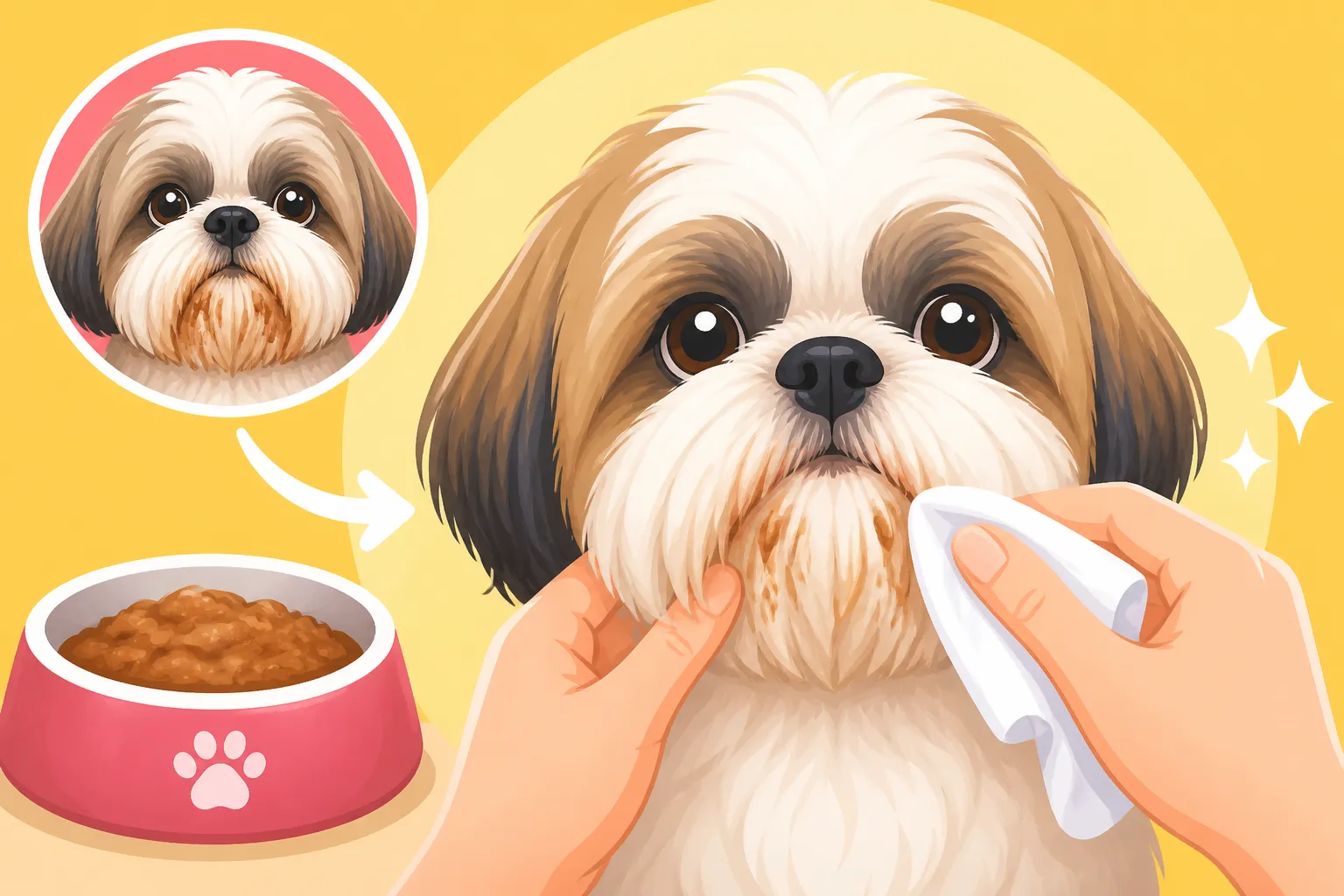
Cleaning a Shih Tzu Beard After Wet Food
As a Shih Tzu parent, you know the pure joy of watching your little lion dog enthusiastically dive into their wet food. But let's be honest, that joy is often quickly followed by the distinct groan of realizing their beautiful beard has become a sticky, colorful canvas of their meal. It’s a frustrating daily struggle to keep that delicate facial hair clean and pristine, preventing stains, odors, and uncomfortable matting. This guide is here to walk you through the real-world challenges and practical, empathetic solutions for keeping your Shih Tzu's beard spotless after every delicious wet food feast.
Why Wet Food Creates Such a Mess for Your Shih Tzu's Beard
It’s not just you; every Shih Tzu owner who feeds wet food faces this delightful challenge. Our beloved flat-faced companions, with their adorable underbites and luxurious flowing beards, are simply not built for neat eating, especially when it comes to soft, moist food. Understanding why it happens is the first step to truly tackling the mess without getting frustrated with your furry friend.
The Physics of a Flat Face and Long Beard
Think about it: a Shih Tzu has a brachycephalic (flat) face, meaning their nose is pushed in, and their jaw structure often results in an underbite. This unique facial anatomy makes it inherently difficult for them to eat neatly. They can't easily get their mouths completely around the food without pushing their faces into the bowl. When you combine this with their gorgeous, often long and fine facial hair – that iconic beard – it's a recipe for a food-covered disaster. Every bite becomes a chance for gravy, pâté, or chunky bits to adhere to those delicate strands, creating a sticky mask. It's truly a feat of engineering that our Shih Tzus manage to get any food into their mouths sometimes!
When they eat, their entire muzzle often plunges into the food, acting like a natural sponge or brush. The food gets pushed up into the hair around their mouth, under their chin, and sometimes even up towards their nose and eyes. This isn't them being messy on purpose; it's simply a consequence of their charming physiology. Cleaning a Shih Tzu Beard After Wet Food is practically a full-time job for some of us, and it's essential to approach it with patience and understanding, rather than blaming our sweet pups for something they can't help.
The Problem of Trapped Food and Moisture
The real issue goes beyond just a temporary sticky situation. Wet food, by its very nature, is moist and sticky. When it gets caught in the beard, it doesn't just flake off once it dries. Instead, it hardens into crusty bits, clumps together, and can quickly lead to painful matting. These mats are not only unsightly, but they can pull at your dog’s sensitive skin, causing discomfort and even skin irritation.
Furthermore, the constant presence of moisture and food particles creates a breeding ground for bacteria and yeast. This can lead to unpleasant odors emanating from their beard, and in some cases, even skin infections or "beard rot." It's a similar principle to Shih Tzu Ear Infections Under Heavy Ear Leather where moisture and trapped debris cause problems. Nobody wants their beloved companion to smell like a forgotten dog food can, or worse, to suffer from itchy, irritated skin beneath their beautiful coat. This is why consistent, thorough cleaning is not just about aesthetics, but about their health and comfort.
The Daily Ritual: Keeping Your Shih Tzu's Face Clean
Cleaning your Shih Tzu's beard isn't a "sometimes" task; it's a daily, sometimes even meal-by-meal, commitment when wet food is on the menu. But with a consistent routine, it becomes a quick and easy part of your bond, ensuring your pup stays comfortable, clean, and smelling fresh.
Immediate Post-Meal Wipe-Down
The absolute best defense against a matted, smelly beard is an immediate clean-up after every single meal. Don't let the food dry and harden; that's when it becomes exponentially harder to remove. As soon as your Shih Tzu finishes eating, gently guide them to a comfortable spot where you can easily access their face. You'll want to have your cleaning supplies ready.
A soft, damp washcloth or a specially formulated pet facial wipe works wonders. Look for wipes that are hypoallergenic and free of harsh chemicals or fragrances, as your Shih Tzu’s facial skin can be sensitive. Gently wipe all around their mouth, under their chin, and any areas where food has splattered. Pay close attention to the corners of their mouth and the hair that hangs down. Make this a positive experience with praise and a small, non-messy treat afterward. Consistency will make your dog see this as a normal, quick routine rather than a dreaded chore.
Gentle Drying and Combing
After wiping, it's crucial to gently dry the area. Leaving the beard damp, especially with the residual moisture from wet food and cleaning, can still contribute to matting and skin issues. A soft, clean towel can be used to blot the area dry. For those with particularly fluffy or long beards, a very low-setting, cool-air pet dryer can be a godsend. Just be sure to keep it moving and avoid direct heat.
Once the beard is mostly dry, take a fine-toothed comb, like a face comb specifically designed for small breeds, and gently comb through the facial hair. This helps to detangle any minor knots that might have formed during eating or wiping, and ensures there are no lingering food particles hiding deep within the coat. It’s a bit like getting A Shih Tzu That Panics at the Clipper used to being handled; patience and gentle movements are key. If you encounter any small, soft tangles, try working them out with your fingers first before pulling with the comb. This entire process, from wiping to combing, should only take a couple of minutes once you get the hang of it.
The Right Tools and Products for a Pristine Face
You don't need a professional grooming salon setup to keep your Shih Tzu's beard impeccable. A few key tools and products, readily available, can make all the difference in managing the daily mess of wet food. Investing in the right supplies will save you time, frustration, and potential vet visits down the line for skin issues.
Choosing the Best Bowls and Feeders
Believe it or not, the right food bowl can significantly reduce how much food ends up in your Shih Tzu’s beard. Look for bowls designed to minimize face contact. Shallow, wide bowls can sometimes help, but often the best options are elevated bowls or those with an inner lip. Elevated bowls bring the food closer to their mouth, reducing the angle they have to dip their head, which in turn means less beard dragging.
Consider specialty bowls from brands like Amazon, or those specifically designed for brachycephalic breeds, which often have a sloped design or even an obstruction in the center to slow down eating and keep food away from the edges. Some owners even use ceramic Crock-Pot inserts as bowls because their smooth, non-porous surface is easy to clean and they are often heavier, preventing tipping. Another fantastic option is a snood – a fabric hood that covers your Shih Tzu's ears and beard during mealtime, protecting their hair entirely. You can find a variety of styles and sizes on platforms like Chewy or Amazon.
Grooming Tools and Cleaning Solutions
Beyond specialized bowls, a few grooming essentials are non-negotiable for Shih Tzu beard care:
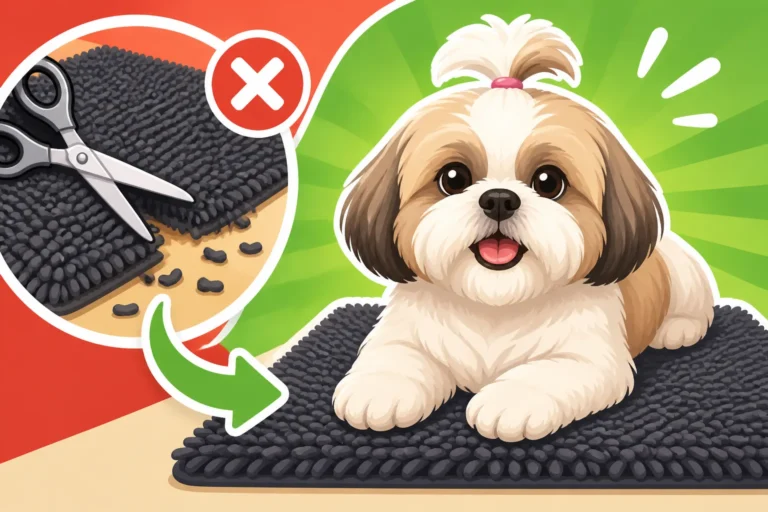
- Soft Washcloths: Keep a stack of small, soft washcloths or microfiber cloths specifically for face cleaning. They are gentle on the skin and can be easily laundered.
- Pet Facial Wipes: These are incredibly convenient for quick clean-ups, especially when traveling or on the go. Look for fragrance-free, tearless options that are safe for use around the eyes and mouth. Brands like Earthbath or Petkin are often popular choices.
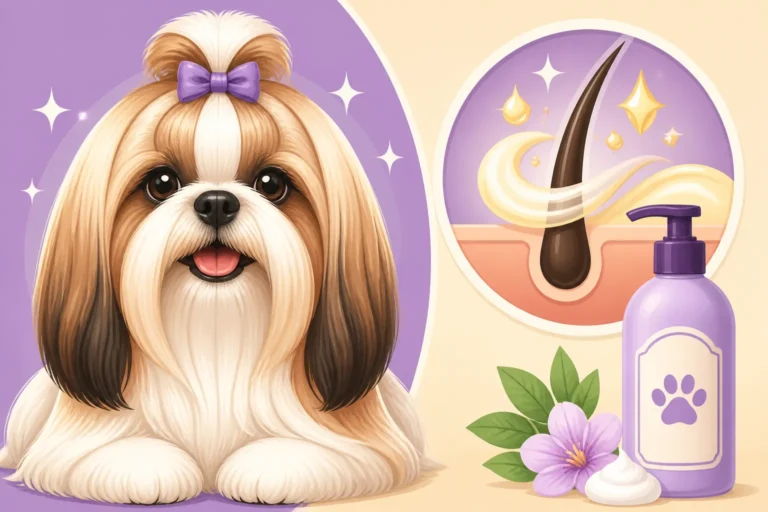
- Gentle Pet Shampoo/Facial Cleanser: For more thorough cleanings, or if tear staining is also an issue, a mild, tearless pet shampoo or a dedicated facial cleanser can be used. Some products are formulated to help reduce tear and food staining. Always ensure it's specifically for dogs and safe for facial use. Regular baths that include a good facial scrub are part of Washing a Shih Tzu Face After Every Meal.
- Fine-toothed Comb: A small metal comb with closely spaced teeth is essential for gently detangling facial hair and removing any stuck-on bits.
The Role of Snoods and Bibs
For Shih Tzus with really long, flowing beards, or those who are particularly enthusiastic eaters, a snood or a pet bib can be an absolute game-changer. A snood is essentially a fabric tube that you slip over your dog's head, covering their ears and beard, holding the hair out of the way while they eat. It keeps their beautiful coat completely out of the food and water, preventing mess and staining.
Pet bibs, while not as comprehensive as snoods, can also offer a layer of protection for the chest and chin hair. They tie around the neck and act as a barrier against drips and spills. While it might seem a bit extra at first, many Shih Tzu owners swear by these accessories for reducing cleanup time and maintaining coat health, especially if they are feeding fresh, raw, or particularly saucy wet foods from companies like Ollie. The small investment in a couple of snoods or bibs can save you significant time and effort in daily grooming.
Beyond the Meal: Preventing Beard Stains and Odors
While immediate post-meal cleaning is paramount, maintaining a clean, odor-free, and stain-free Shih Tzu beard also involves looking at the bigger picture. From grooming choices to diet, there are several preventative measures you can take to make your daily routine even easier and ensure your Shih Tzu's beard is always looking its best.
Grooming Styles That Help
One of the most effective ways to manage a messy beard is through smart grooming. While the long, flowing beard is iconic for the breed, it's not always the most practical for a companion living in a busy household, especially one that enjoys wet food. Consider a shorter "puppy cut" for the facial hair. This means trimming the hair around the mouth and chin to a more manageable length. It still leaves enough hair to be recognizably Shih Tzu, but significantly reduces the surface area for food to cling to.
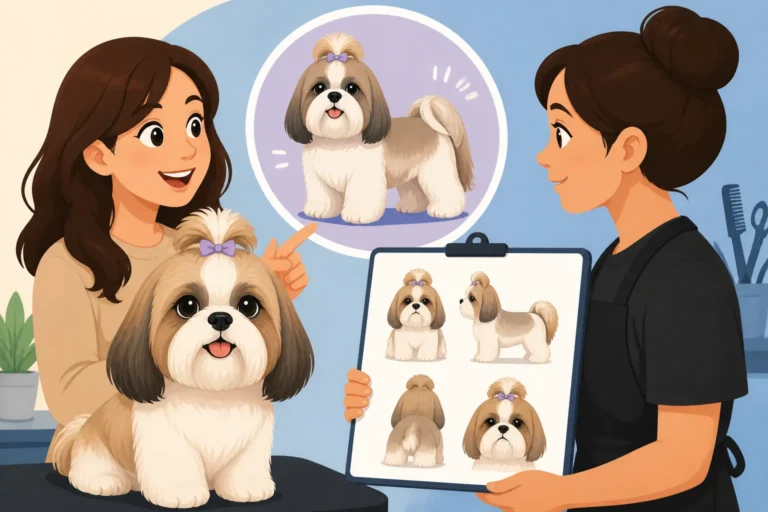
Discussing this with your professional groomer can help you find a style that suits your lifestyle and your dog’s comfort. A shorter beard is quicker to wipe, less prone to matting, and allows for better air circulation, which can reduce the chances of skin irritation or odor. Many owners opt for The Puppy Cut and What It Saves not just in grooming time, but in daily maintenance. Regular face trims, even between full grooming sessions, can make a world of difference.
Addressing Tear Staining and Facial Folds
Food isn't the only culprit for beard stains and odors; tear staining can also contribute significantly. Shih Tzus are prone to Shih Tzu Tear Stains and What Causes Them due to their prominent eyes and often shallow eye sockets. Excess tearing can run down into the beard, creating a moist environment that harbors yeast and bacteria, leading to reddish-brown stains and a distinct odor. Addressing tear staining is a critical part of overall facial hygiene.
Regularly wiping around your Shih Tzu’s eyes with a dedicated tear stain remover or a damp cloth can help. Ensure the hair around their eyes is also trimmed short or tied up in a Tying a Shih Tzu Topknot That Holds to prevent irritation. Some Shih Tzus also have prominent nasal folds (the wrinkles around their nose), which can trap moisture and food. Gently cleaning and drying these folds daily, perhaps with a cotton swab or a soft cloth, is vital to prevent dermatitis and bad smells.
Dietary Considerations Beyond Just Wet Food
While our core topic is cleaning after wet food, it’s worth a moment to consider if the type of wet food (or even food in general) could be contributing to excessive mess or staining. Some wet foods are simply stickier or more pigmented than others. If you're struggling, you might experiment with different brands or consistencies. Some owners find that pate-style foods are less messy than chunky gravies, or vice-versa.
Additionally, certain ingredients in food can sometimes exacerbate tear staining. While a veterinary nutritionist is the best resource for specific dietary advice, ensuring a high-quality, balanced diet can contribute to overall health, which in turn can sometimes lessen tear production. It's a journey, and what works for one Shih Tzu might not work for another. Even Feeding a Shih Tzu at Nine to Sixteen Pounds is more complex than just scooping kibble. Always remember to check with your vet if you suspect diet is causing health or excessive staining issues.
| Cleaning Tool / Method | Best Use | Pros | Cons |
|---|---|---|---|
| Damp Washcloth | Immediate post-meal cleanup | Gentle, reusable, economical | Needs frequent washing, can leave dampness |
| Pet Facial Wipes | Quick clean-ups, travel, between meals | Convenient, pre-moistened, portable | Can be costly, single-use, check ingredients |
| Snood | During meals | Prevents all beard contact with food/water | Not all dogs tolerate wearing it, need to wash |
| Elevated Bowl | Mealtime | Reduces beard dipping, better posture | May not prevent all splatter, dog might still be messy |
| Puppy Cut Trim | Long-term management | Reduces matting, easier cleaning, less odor | Changes traditional Shih Tzu look, requires grooming |
| Fine-Toothed Comb | Post-cleaning detangling, checking | Essential for removing small bits & knots | Can pull hair if not gentle, won't remove hardened food |
Making Face Cleaning a Positive Experience
For many Shih Tzu owners, the idea of wrestling their dog for a face wash can be daunting. But it doesn't have to be a battle! With patience, positive reinforcement, and consistency, you can turn beard cleaning into a calm, even enjoyable, part of your daily routine. Remember, our Shih Tzus thrive on routine and gentle handling.
Start Young, Be Consistent
If you have a Shih Tzu puppy, start face handling and cleaning from day one. Even before they're eating wet food, gently touch their muzzle, chin, and around their eyes. Use soft praise and small, high-value treats. This early exposure helps them associate facial handling with positive outcomes. As they grow and begin eating wet food, the transition to wiping their beard will be much smoother because they're already comfortable with your hands near their face. It’s the same principle as The Puppy Check a Shih Tzu Needs at Eight Weeks – early positive exposure sets them up for life.
For adult Shih Tzus who might be more resistant, start slowly. Begin by just gently touching their chin, rewarding immediately. Gradually increase the duration and area you touch, always keeping it brief and positive. Don't force it. If they pull away, stop, try again later. Build up to a quick wipe, then a more thorough one. The goal is for them to tolerate it, not necessarily to love it, but many dogs learn to relax once they realize it's a quick, gentle process that leads to praise and treats.
Use High-Value Rewards
Shih Tzus are often highly food-motivated, which works to your advantage here! Have some irresistible, tiny treats ready to go. As soon as you've finished wiping or combing, immediately offer a treat and cheerful praise. This creates a strong positive association. The more consistent you are with these rewards, the faster your Shih Tzu will learn to cooperate.
Remember that treats for a Shih Tzu need to be tiny to avoid adding too many calories to their daily intake, especially for a breed prone to weight gain. Think pea-sized bits of cooked chicken, cheese, or specialized training treats from Chewy. The treat should be gone in a second, allowing you to move on quickly. This positive reinforcement system is far more effective and kind than trying to physically overpower or scold your dog, which can create negative associations and make future cleanings even harder. By making beard care a pleasant moment between you, you're not just cleaning their face; you're strengthening your bond.
Disclaimer
This article is for general informational purposes only and does not constitute professional advice. Laws, prices and regulations vary by location and change over time. Consult a qualified professional for guidance on your specific situation.