Feeding a Shih Tzu Past the Age of Ten
Watching your beloved Shih Tzu sail past their tenth birthday is a true joy, but it also comes with a new set of responsibilities, especially when it comes to their diet. Many of us find ourselves wondering if their old favorite kibble is still the best choice, or if those new slower movements mean they need fewer calories. This guide aims to demystify feeding your senior Shih Tzu, helping you understand their evolving needs and make informed choices to keep them vibrant and healthy well into their golden years.
Understanding the Senior Shih Tzu's Changing Nutritional Needs
As our precious Shih Tzus age, their bodies undergo a lot of changes, and what worked for them as a spry five-year-old might not be ideal for a dignified twelve-year-old. It's not just about slowing down; it's a whole shift in how their metabolism works, how their organs function, and even what nutrients they can absorb efficiently. Recognizing these changes is the first step in tailoring their diet to their senior status.
Reduced Metabolism and Calorie Requirements
One of the most significant changes you'll notice in your senior Shih Tzu is a general slowing down. They might not greet you with the same frantic leaps, their zoomies might be a thing of the past, and their naps are definitely longer and more frequent. This reduced activity level directly translates to a lower metabolic rate. Simply put, they don't burn as many calories as they used to.
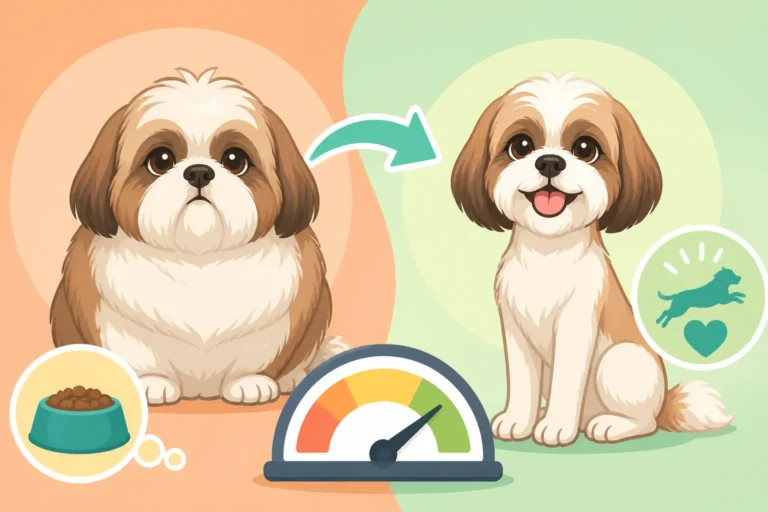
If you continue to feed them the same amount of food they ate in their younger years, you're likely to see gradual weight gain. And while a little extra padding might seem harmless, Shih Tzu Obesity and the Load on Its Back can put undue stress on their joints, heart, and other organs, exacerbating age-related issues. The challenge for us as owners is finding that delicate balance: providing enough energy to keep them active and healthy, but not so much that they pack on the pounds. This often means slightly reducing their overall food intake or switching to a senior-specific formula that has a lower calorie density while still being nutrient-rich.
Increased Need for Specific Nutrients
While calorie needs might decrease, the demand for certain nutrients often increases in senior Shih Tzus. Their bodies are working harder to maintain themselves, and some systems need extra support. For instance, joint health becomes a major concern. Ingredients like glucosamine and chondroitin, often found in senior dog foods or as supplements, can help support cartilage and reduce inflammation, making those morning stretches a little less stiff. Similarly, omega-3 fatty acids are wonderful for reducing inflammation throughout the body, benefiting joints, skin, and even cognitive function.
Many senior formulas also include antioxidants to combat cellular damage and support a healthy immune system, which can become less robust with age. Sometimes, you'll also see ingredients aimed at cognitive support, such as medium-chain triglycerides (MCTs) or specific antioxidants, which can help keep their minds sharper. It’s about more than just filling their tummies; it's about providing the building blocks their aging bodies need to thrive.
The Impact of Chronic Health Conditions on Diet
Unfortunately, with age often comes the emergence of chronic health conditions. Our little Shih Tzus, despite their robust personalities, are prone to certain issues that can directly impact their dietary needs. Kidney disease, for example, is a concern, and a senior Shih Tzu might benefit greatly from a veterinarian-prescribed kidney diet that's lower in phosphorus and protein to ease the burden on their kidneys. Kidney Diets for a Shih Tzu specifically addresses this.
Similarly, heart disease, dental issues, or even certain cancers can necessitate a change in diet. A dog with a Shih Tzu Heart Murmurs and Valve Disease might need a low-sodium diet, while those struggling with severe dental pain or missing teeth might require softer, more palatable food. It's crucial to work closely with your veterinarian if your Shih Tzu develops any chronic conditions, as they can recommend specific therapeutic diets that are formulated to manage these health challenges and improve their quality of life. This isn't just about nutrition anymore; it's about medical management through food.
Choosing the Right Food for Your Older Shih Tzu
The pet food aisle, whether virtual on Chewy or at your local store, can feel overwhelming with all the options available. When you're looking for food for your senior Shih Tzu, the choices seem to multiply, each promising to be the best. It's about cutting through the marketing noise and understanding what genuinely benefits your aging companion.
Wet Food, Fresh Food, or Senior Kibble?
This is often where the biggest debate among senior Shih Tzu owners begins.
- Senior Kibble: Many reputable brands offer specific "senior" formulas. These kibbles are usually formulated with slightly lower calorie counts, increased fiber (for digestive health), and often include added joint support like glucosamine and chondroitin. The kibble size might also be adapted for older, potentially less robust teeth. However, if your Shih Tzu has significant dental problems, even senior kibble might be too hard. A great place to start looking at options and reading reviews for these types of foods is on platforms like Amazon or Chewy.
- Wet Food: For many senior Shih Tzus, especially those with dental issues or a reduced appetite, wet food becomes a game-changer. It's softer, easier to chew and swallow, and generally more aromatic, which can tempt a picky eater. Wet food also adds moisture to their diet, which is a bonus, especially if your senior isn't drinking enough water. You can find a vast array of wet food options specifically designed for senior dogs, offering complete nutrition.
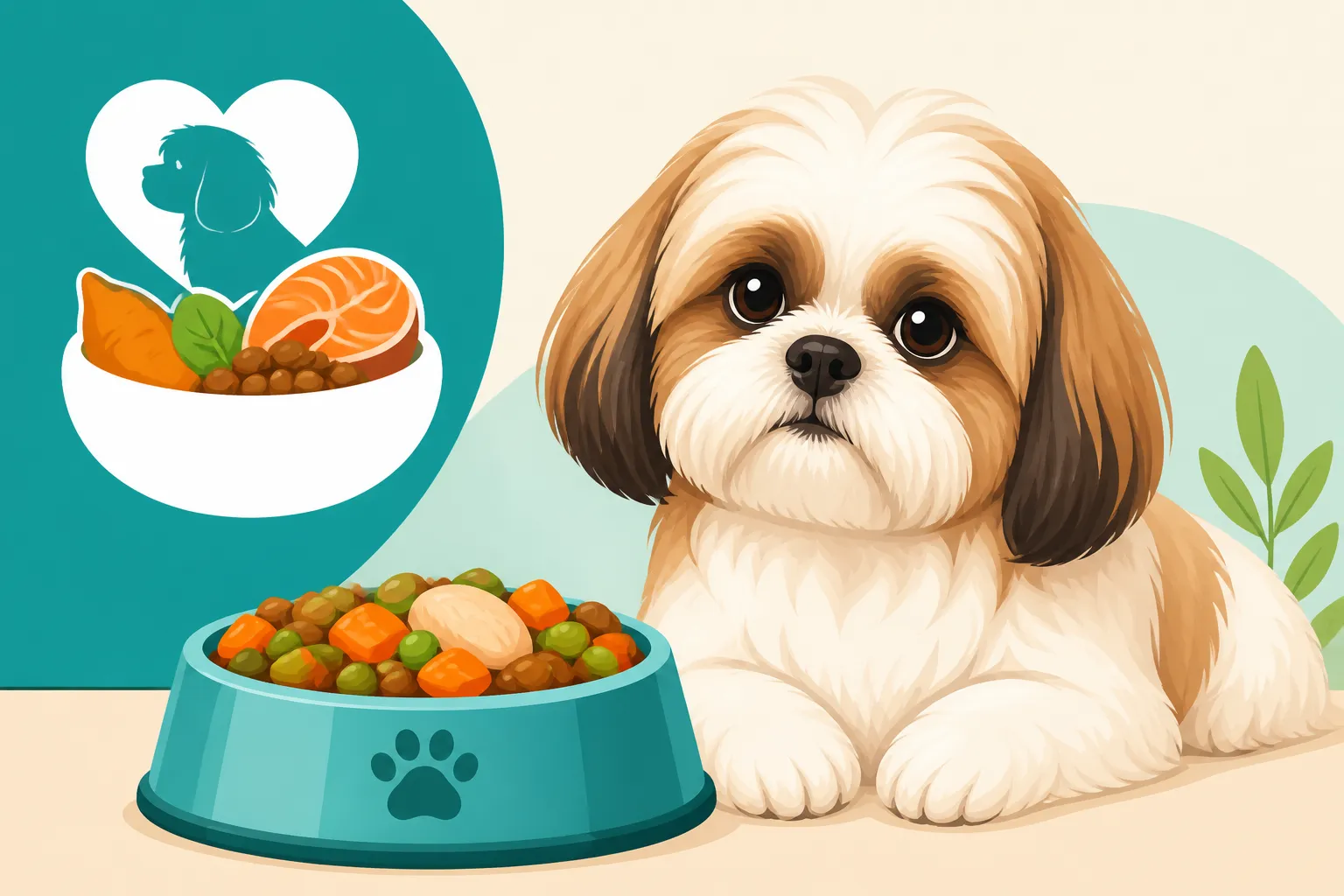
- Fresh Food: In recent years, fresh food services have gained popularity. Companies like Ollie deliver pre-portioned, human-grade meals directly to your door. For senior Shih Tzus, this can be an excellent option. The food is often softer, highly palatable, and made with whole ingredients. It can be particularly beneficial for tempting a finicky eater or for dogs with sensitive stomachs. However, it's typically a more expensive option than traditional kibble. If you're considering this route, ensure the formulas are nutritionally complete and balanced for senior dogs, and discuss it with your vet.
No matter which type you choose, prioritize high-quality protein sources, moderate fat, and easily digestible carbohydrates.
Navigating Special Diets for Kidney, Heart, or Dental Issues
When your Shih Tzu has been diagnosed with a specific health condition, the dietary choices become less about preference and more about medical necessity. Your veterinarian will likely recommend a prescription diet, which is specifically formulated to support the management of these conditions.
- Kidney Disease: For Shih Tzus with Excessive Thirst as the First Kidney Sign of kidney issues, vets often prescribe diets that are lower in protein, phosphorus, and sodium, and sometimes include higher levels of omega-3 fatty acids and B vitamins. These adjustments help reduce the workload on the kidneys and slow the progression of the disease. It’s a huge step in managing their condition.
- Heart Disease: If your senior Shih Tzu has been diagnosed with a heart condition, a low-sodium diet is often recommended to help reduce fluid retention and the strain on their heart. These diets are carefully balanced to ensure they still get all the necessary nutrients without exacerbating their cardiac problems.
- Dental Disease: Shih Tzu Dental Disease at 13 Percent of the Breed is incredibly common, and for seniors, it can severely impact their ability to eat. If extractions are needed or if their remaining teeth are compromised, a soft diet is paramount. This might mean canned food, fresh food, or kibble softened with water or broth. Making sure they can eat without pain is more important than any other dietary consideration. In some cases, your vet may also suggest dental chews or supplements, but these are secondary to addressing the core dental issue.
These prescription diets are not "one-size-fits-all" and should only be used under veterinary guidance. Your vet will monitor your dog's progress and adjust as needed, making sure the diet is truly helping them.
Supplements: What's Worth Considering?
The world of dog supplements can be a confusing maze, with every brand promising miraculous results. For senior Shih Tzus, however, some supplements genuinely can make a difference, particularly in areas where their bodies naturally start to falter.
- Joint Supplements: Glucosamine and chondroitin are probably the most well-known and widely recommended joint supplements. They are thought to help support cartilage health and reduce inflammation, which can be a godsend for a senior Shih Tzu with Shih Tzu Arthritis After the Age of Nine or Shih Tzu Joint Problems in a Toy Frame. Omega-3 fatty acids (like fish oil) are also excellent for their anti-inflammatory properties, benefiting joints, skin, and coat.
- Probiotics: As dogs age, their digestive systems can become less efficient. Probiotics can help maintain a healthy gut microbiome, which in turn aids digestion, nutrient absorption, and immune function. If your senior Shih Tzu experiences occasional digestive upset, a probiotic might be a good addition.
- Cognitive Support: Some supplements contain ingredients like MCTs, antioxidants (like Vitamins E and C), or various botanical extracts touted to support brain health and reduce signs of cognitive decline, which can manifest as disorientation or changes in sleep patterns. While not a cure, they can sometimes offer some support.
Before adding any supplements to your senior Shih Tzu's diet, always consult your veterinarian. They can help you determine if a supplement is truly necessary, recommend specific brands or dosages, and ensure it won't interact negatively with any medications your dog is already taking. A good vet can also help you prioritize, as you don't want to overwhelm your dog (or your wallet!) with too many pills and potions.
Making Mealtime Easier and More Enjoyable for Seniors
Mealtime should always be a happy occasion for our Shih Tzus, but for seniors, it can sometimes become a source of frustration or discomfort. As they age, their senses might dull, their mobility might decrease, and their once-robust appetites might wane. As their human companions, it's our job to adapt and make eating as easy and pleasant as possible.
Addressing Dental Challenges and Eating Difficulties
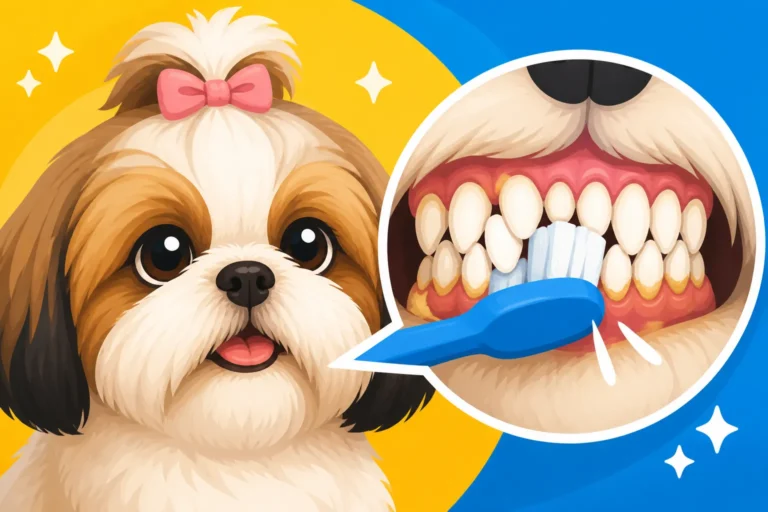
One of the most common hurdles for senior Shih Tzus is their teeth. After years of chewing, many dogs develop significant Periodontal Disease in a Five Year Old Shih Tzu, leading to pain, lost teeth, or even infections. Even if your senior has had regular dental cleanings, age can still bring new sensitivities.
- Softening Food: If you're feeding kibble, try soaking it in warm water or low-sodium broth for 10-15 minutes before serving. This softens it significantly, making it much easier to chew. You can also transition to wet food or a fresh food diet. For those on prescription kibble, check with your vet if softening it is acceptable.
- Bowl Adjustments: Sometimes, the problem isn't the food, but the bowl itself. A low, wide bowl might be easier for a senior Shih Tzu to access without straining their neck or back, especially if they have Shih Tzu Back Problems and Disc Disease. Elevated bowls can also help some dogs, reducing the need to bend down excessively. Consider their physical comfort, especially if they show signs of stiffness or pain.
- Smaller, More Frequent Meals: If your senior struggles to eat a large meal, or seems to get tired halfway through, try breaking their daily ration into two or three smaller meals throughout the day. This can make eating less daunting and help with digestion.
Remember, if your Shih Tzu suddenly starts struggling to eat, or shows signs of mouth pain (like dropping food, pawing at their face, or reluctance to eat hard foods), a vet visit is essential. It might be time for a Shih Tzu Dental Disease at 13 Percent of the Breed check-up.
Encouraging Appetite in a Picky or Ailing Senior
It's heartbreaking when your once-enthusiastic eater turns up their nose at mealtime. A decreased appetite can be a normal part of aging for some dogs, but it can also be a sign of an underlying medical issue. Always rule out health problems with your vet first. If it's simply a case of pickiness or a generally reduced interest in food, here are some tricks:
- Warm it Up: Gently warming wet food or even kibble soaked in broth can release more aromas, making it more appealing to a dog whose sense of smell might be fading. Just be sure it’s not too hot!
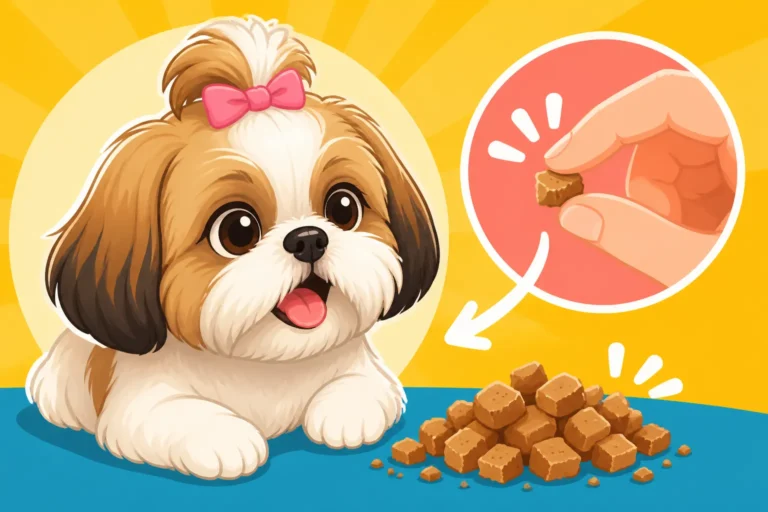
- Add a Topper: A little something extra can sometimes tempt them. A spoonful of plain cooked chicken, some low-sodium chicken broth, a tiny bit of cottage cheese, or a sprinkle of a palatable food topper (like freeze-dried liver or a commercial senior food topper) can make a huge difference. Just ensure any additions are safe for dogs and don't contribute too many extra calories.
- Offer Variety (Carefully): While rapid food changes can upset a dog's stomach, gentle rotation between a couple of approved senior-appropriate foods might keep their interest piqued. Discuss this with your vet, especially if your dog has a sensitive stomach.
- Hand-Feeding: Sometimes, the personal touch is all it takes. Sitting with your senior Shih Tzu and offering small bits of food from your hand can make them feel more secure and encourage them to eat. It reinforces your bond and makes them feel loved.
If your Shih Tzu goes more than 24 hours without eating, or if they are consistently skipping meals, contact your vet immediately. Persistent lack of appetite is a serious concern for any senior dog.
Hydration Strategies for Older Dogs
Hydration is crucial for all dogs, but it becomes even more vital for seniors, especially those with conditions like Renal Dysplasia and the Shih Tzu Kidney. As they age, their sense of thirst might diminish, or they might simply be less motivated to get up and drink as often.
- Multiple Water Sources: Place several water bowls around the house, especially in areas where your Shih Tzu spends a lot of time. This minimizes the effort they need to expend to get a drink.
- Water Quality and Temperature: Ensure their water is fresh and clean at all times. Some dogs prefer filtered water, and some might prefer slightly cool water, while others don't mind room temperature. Experiment to see what your dog likes best.
- Add Water to Food: As mentioned before, adding water or broth to kibble not only softens it but also increases their daily water intake. This is an easy win!
- Wet Food: If you're not already, consider transitioning to a wet food diet. Wet food contains a high percentage of moisture, directly contributing to their hydration. This can be a significant benefit, especially if you're concerned about your senior's water consumption.
- Check Hydration Regularly: Gently pinch the skin on your Shih Tzu's neck. If it doesn't snap back immediately, they might be dehydrated. Also, check their gums; they should be moist and slippery. If they're dry or tacky, your dog needs more fluids. Again, if you're seriously concerned about dehydration, contact your veterinarian right away.
Monitoring Weight and Body Condition in Senior Shih Tzus
It’s easy to let a senior Shih Tzu’s weight fluctuate without realizing it, especially with that glorious double coat hiding what’s underneath. However, maintaining an ideal body condition is one of the best things you can do to support their health and comfort in their later years. Both being overweight and underweight pose significant risks.
Recognizing Weight Loss or Gain Under a Full Coat
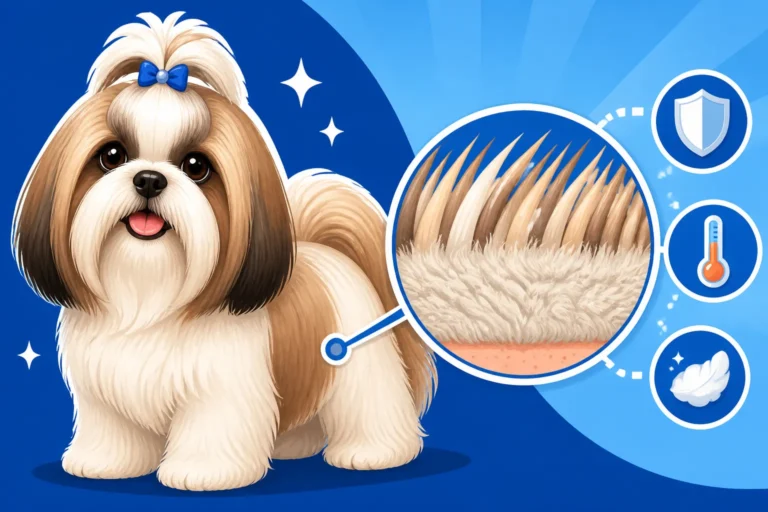
Our Shih Tzus are famous for their luxurious, often dense coats, which can be a double-edged sword when it comes to assessing their physical condition. A fluffy senior might look perfectly healthy and robust, even if they're carrying too many extra pounds, or conversely, losing weight rapidly. Why a Full Coat Hides Shih Tzu Weight Gain is a real issue we as owners face.
To properly assess your Shih Tzu's weight:
- The Rib Check: Gently feel along their sides. You should be able to feel their ribs without pressing hard, but they shouldn't be visibly prominent. If you can't feel them at all, they're likely overweight. If they feel like they're sticking out, they might be underweight.
- The Waistline: Look at your Shih Tzu from above. They should have a slight tuck or indentation behind their ribs where their waist would be. If they look like a solid cylinder, they're likely overweight.
- The Tummy Tuck: Look at them from the side. Their abdomen should tuck up slightly from their chest, not hang low or be parallel to the ground.
These checks are much more reliable than simply looking at them. Do these checks regularly, perhaps once a week, to catch changes early. Early detection of weight issues can allow for timely dietary adjustments before problems become severe.
Adjusting Portions and Meal Frequency
Once you've assessed your senior Shih Tzu's body condition, you can make informed decisions about their food portions. This is where those calculations about reduced metabolism come into play.
- Gradual Reduction for Weight Loss: If your Shih Tzu is overweight, don't drastically cut their food. A sudden, severe calorie restriction can be detrimental. Instead, aim for a gradual reduction of about 10-20% of their current intake. Monitor their weight weekly and adjust as needed. The goal is slow, steady weight loss, typically around 1-2% of their body weight per month.
- Maintain for Ideal Weight: If they are at an ideal weight, stick to their current portion sizes. However, remember that as they age further, their metabolism might slow even more, so continue to monitor their condition.
- Increase for Underweight: If your senior Shih Tzu is underweight, you might need to increase their calorie intake slightly, or switch to a more calorie-dense food. Sometimes, an underweight senior needs more frequent, smaller meals of highly palatable food to help them gain weight back safely. Again, this should be done in consultation with your vet, as unintended weight loss in seniors can be a sign of illness.
- Consider Meal Frequency: As mentioned, breaking their daily ration into two or three smaller meals can be beneficial for digestion and appetite. It also means they're not going for long stretches with an empty stomach, which can sometimes lead to nausea in older dogs. Splitting a Shih Tzu Ration Across Two Meals is often a good strategy.
Always use a measuring cup for kibble or a kitchen scale for fresh/wet food to ensure accuracy. "Eyeballing it" can lead to inconsistencies and make it hard to manage their weight effectively.
The Importance of Regular Vet Check-ups for Dietary Advice
No matter how diligently you monitor your senior Shih Tzu at home, regular veterinary check-ups are absolutely indispensable. Your vet is your best resource for tailored dietary advice.
During these visits, which often become more frequent for seniors (perhaps twice a year instead of annually), your vet will perform a thorough physical exam, check their weight, and discuss any changes you've noticed. They might recommend The Senior Panel a Shih Tzu Needs at Ten or other blood tests to assess organ function, particularly kidney and liver health, which can directly impact dietary needs.
If your Shih Tzu has developing health conditions, your vet can recommend specific therapeutic diets, discuss appropriate supplements, and help you fine-tune portion sizes. They can also differentiate between normal age-related changes and signs of underlying illness that require more aggressive intervention. For example, sudden weight loss isn't just a sign of a picky eater; it could point to a more serious issue that needs investigation. Having that professional guidance ensures you're making the best, most medically sound decisions for your beloved senior Shih Tzu.
| Dietary Consideration | Younger Shih Tzu (2-7 years) | Senior Shih Tzu (10+ years) |
|---|---|---|
| Calorie Needs | Higher, for active metabolism and energy | Lower, due to decreased activity and slower metabolism |
| Protein | Moderate to high, for muscle maintenance | High-quality, easily digestible protein for muscle support |
| Fat | Moderate, for energy and coat health | Moderate, often slightly lower to prevent weight gain |
| Fiber | Adequate, for digestive regularity | Often slightly higher, to support digestive health |
| Joint Support | Usually not a primary focus, unless pre-existing issues | Often includes glucosamine, chondroitin, omega-3s |
| Hydration | Important, typically self-managing | Critical, may need encouragement (wet food, multiple bowls) |
| Palatability | Generally good appetite | May decrease, requiring softer, more aromatic foods |
| Dental Health Impact | Less prevalent, but still a concern | Significant, often requires softened or wet food |
| Chronic Disease Diets | Less common | Often requires therapeutic diets (kidney, heart, etc.) |
| Vet Check-up Frequency | Annual | Biannual or more frequent |
Disclaimer
This article is for general informational purposes only and does not constitute professional advice. Laws, prices and regulations vary by location and change over time. Consult a qualified professional for guidance on your specific situation.