Senior Shih Tzu Care Past the Age of Ten
Senior Shih Tzu care past age ten involves managing joint problems, declining vision, and brachycephalic breathing challenges.
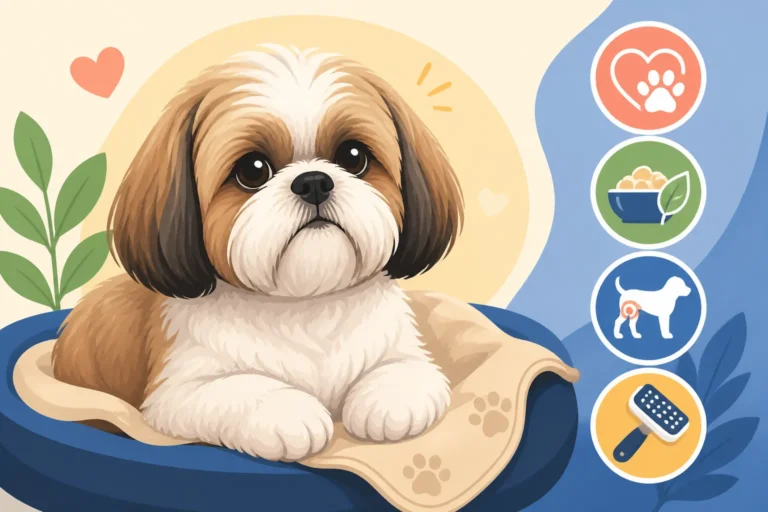
Senior Shih Tzu care past age ten involves managing joint problems, declining vision, and brachycephalic breathing challenges.
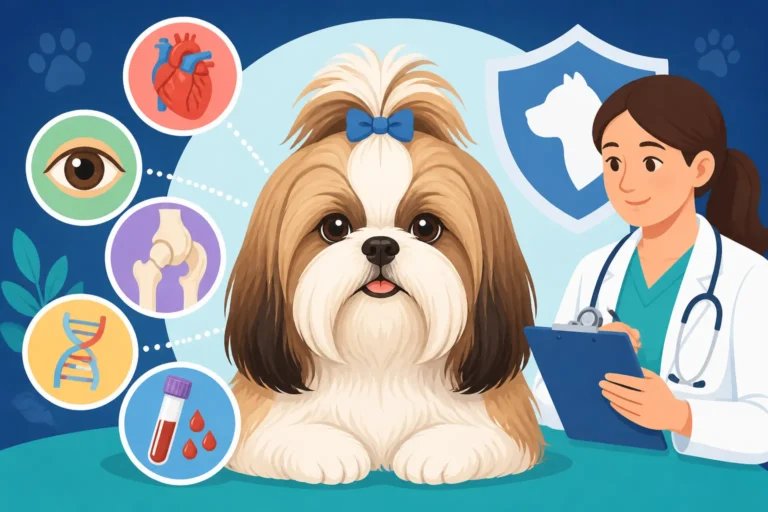
Responsible Shih Tzu breeding practices and health tests prevent heritable conditions like renal dysplasia and patellar luxation.
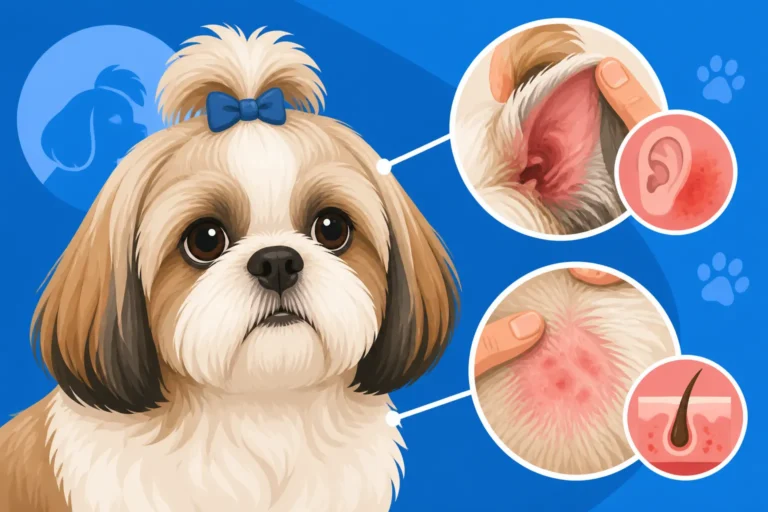
Shih Tzu ear and skin infections happen because dense double coats and heavy floppy ears trap moisture, bacteria, and yeast.
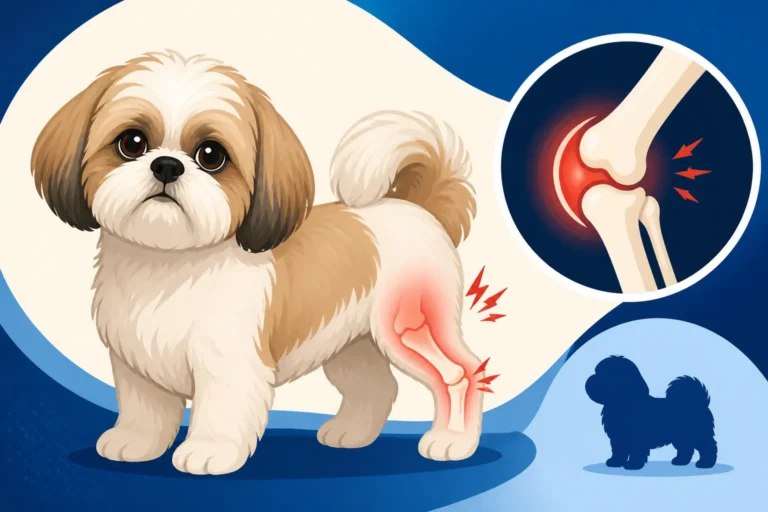
Shih Tzu joint problems and genetic vulnerabilities, including patellar luxation and hip dysplasia, explained for owners.
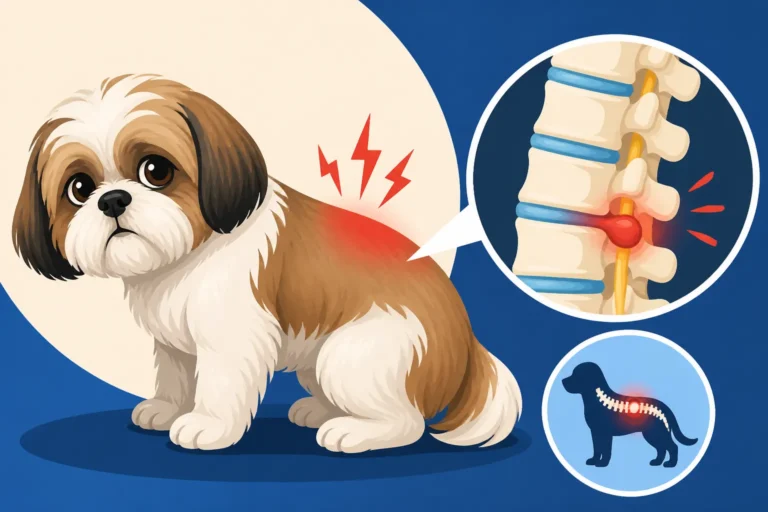
Shih Tzu back problems and intervertebral disc disease causes, symptoms, and diagnosis methods for pets experiencing pain or paralysis.
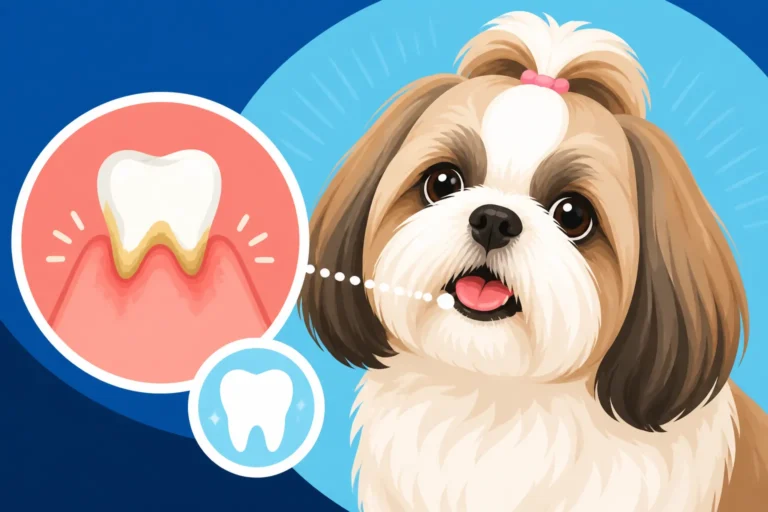
Thirteen percent of young Shih Tzus face dental disease caused by flat facial anatomy, overcrowding, and tartar buildup.
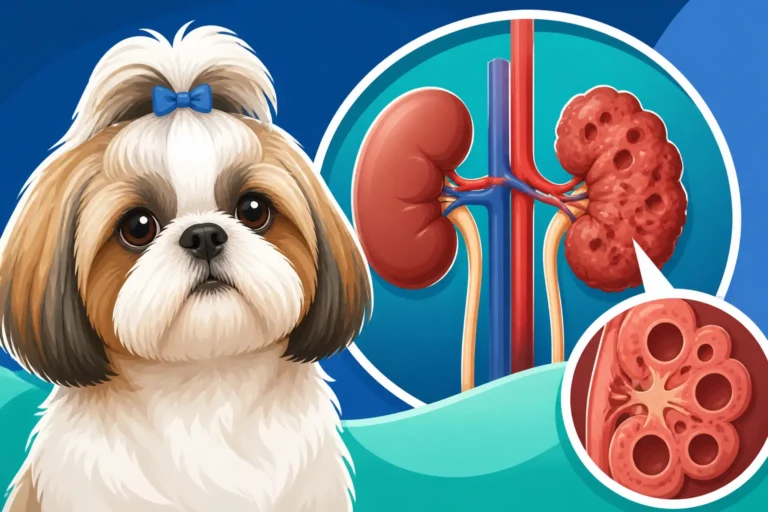
Renal dysplasia in Shih Tzus is an inherited congenital defect causing underdeveloped, malformed kidneys and toxin build-up.
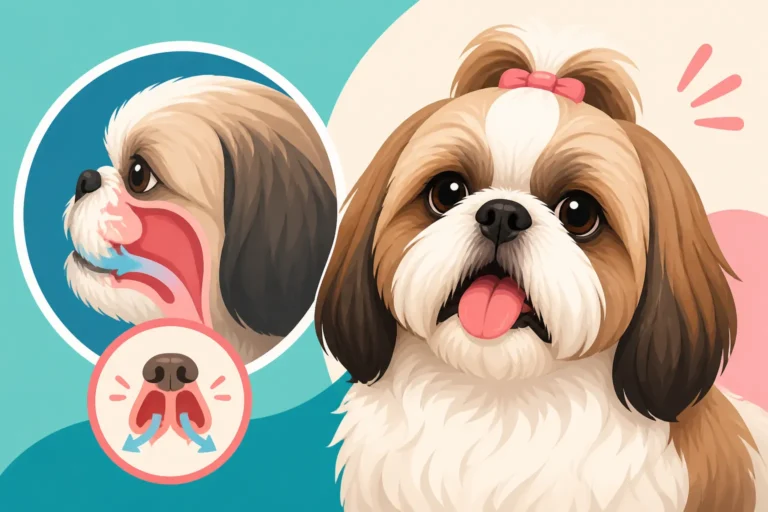
Brachycephalic Obstructive Airway Syndrome in Shih Tzus explains narrow nostrils, elongated soft palates, and progressive respiratory distress symptoms.
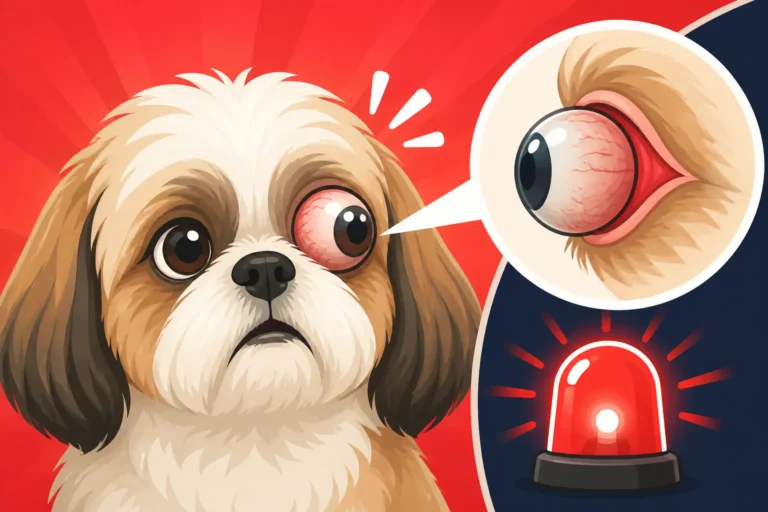
Shih Tzu eye proptosis is a medical emergency when the eyeball displaces forward from its shallow socket, trapping eyelids behind.
The thirteen year Shih Tzu lifespan relies on genetics, health data, and daily care, with some dogs reaching eighteen years.