Whether a Toy Breed Class Suits a Shih Tzu
It’s a common dilemma for Shih Tzu parents: you want to give your beloved furball the best start in life, or perhaps iron out a few quirks, so a puppy or obedience class seems like the natural next step. But then you picture your tiny, fluffy friend, all nine pounds of them, walking into a room filled with rambunctious Labrador puppies or energetic Border Collies. Immediately, a wave of anxiety hits. Is your delicate Shih Tzu really suited for a general dog training class, or do their unique needs demand something more specialized? This guide will dive deep into whether a toy breed class is truly the best fit for your Shih Tzu, exploring their specific traits and the environments where they thrive.
Understanding Your Shih Tzu's Unique Training Needs
Your Shih Tzu isn't just a dog; they're a tiny package of ancient heritage, bred specifically for companionship. This history shapes every aspect of their personality and physical makeup, which in turn influences how they learn and interact in a training environment. Ignoring these nuances can lead to frustration for both you and your little lion dog.
Temperament and Motivation in a Tiny Package
Shih Tzus were literally bred to sit on laps and charm emperors. This means they often come with a delightful, outgoing personality that loves attention and cuddles. They can be incredibly eager to please their favorite humans, making them receptive to training, but they also possess a charming stubborn streak. If they don't see the point, or if they're not having fun, they might decide a nap is a far better use of their time!
When it comes to motivation, a Shih Tzu is typically driven by positive reinforcement. Harsh corrections or a demanding tone will likely make them shut down, become fearful, or simply refuse to participate. They respond beautifully to delicious, pea-sized treats, enthusiastic praise, and gentle physical affection. Think of them as tiny royalty who expect to be treated with respect and adoration, even during a "sit-stay" exercise. Understanding What a Companion Breed Wants From Training is key here – they want engagement, not strict military drills. Short, frequent sessions are far more effective than long, drawn-out ones. You'll find that their desire for your approval, coupled with high-value rewards, can work wonders.
Physical Vulnerabilities in a Class Setting
This is where the distinction between a Shih Tzu and, say, a German Shepherd really comes into play. Shih Tzus are brachycephalic, meaning they have those adorable flat faces. This comes with a host of physical considerations. Their shortened airways mean they can overheat easily and struggle with strenuous exercise or stress, which can lead to noisy breathing or even respiratory distress. Imagine the stress of trying to keep up with a high-energy breed in a warm room – it's not just uncomfortable, it can be dangerous.
Their prominent eyes are another major concern. Because of their shallow eye sockets, Shih Tzus are prone to a condition called proptosis, where the eyeball can actually pop out of its socket due to trauma or excessive pressure around the head. Shih Tzu Eye Proptosis, the Emergency Owners Miss is a real and terrifying possibility. A playful nip from a larger dog, an accidental bump during a group exercise, or even improper handling by a well-meaning stranger could potentially cause this. Their long backs, while charming, also make them susceptible to disc problems, meaning sudden jumps or rough-and-tumble play can put them at risk for spinal injuries. They’re not built for wrestling or being trampled by bigger, heavier puppies, no matter how innocent the play.
Attention Span and Learning Style
Let's be real: your Shih Tzu isn't destined for the agility circuit or Schutzhund trials. They are companion dogs, and their learning style often reflects this. Their attention spans can be shorter than some working breeds. This isn't a flaw; it's just how they're wired. Long, repetitive drills will bore them quickly, leading to disengagement or that famous Shih Tzu stubbornness.
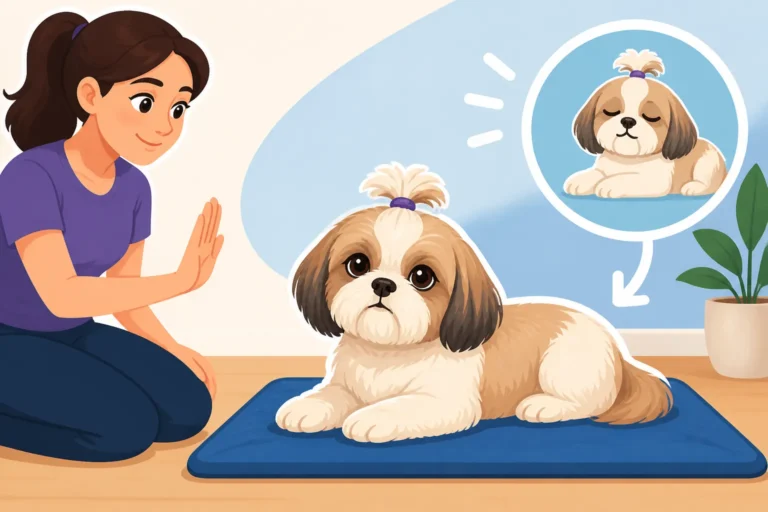
Effective training for a Shih Tzu involves very Five Minute Sessions With a Shih Tzu, broken up throughout the day. It's about making learning fun and engaging, like a game. They excel when tasks are broken down into small, achievable steps, and they're praised lavishly for each success. This means a good trainer will understand the importance of patience, gentleness, and adapting the pace to suit the smaller, often more sensitive participants. They learn best through positive association – "If I do X, I get Y (a treat, a cuddle, a happy voice!)" – rather than through correction or intimidation.
What a Typical Puppy or Basic Obedience Class Offers
Most general puppy or basic obedience classes are designed with a "one size fits all" approach, catering to a wide variety of breeds and temperaments. While this can work for some dogs, it often presents significant challenges for a tiny, delicate Shih Tzu.
Curriculum and General Class Dynamics
A standard puppy class usually covers foundational behaviors like "sit," "stay," "come," "down," and leash manners. Many also include elements of socialization, allowing puppies to interact and play. The dynamics of these classes can vary wildly. You might have a tiny Chihuahua sitting next to a boisterous Golden Retriever puppy, and a timid Shih Tzu sharing space with a bouncy Boxer. The equipment used, the volume of the instructor's voice, and even the size of the training treats can all be geared towards the average-sized dog, which is rarely a toy breed.
Often, instructors are adept at managing a diverse group, but their experience might lean towards more common, medium-to-large breeds. The expectation is often that all dogs will participate in the same way, at the same pace, and in the same physical space. For a Shih Tzu, this can mean being overwhelmed by noise, movement, and the sheer presence of much larger dogs. Training a Shih Tzu Bred Purely as a Companion is different from training a dog for a specific task or sport; their comfort and confidence are paramount.
Potential Challenges for a Shih Tzu in a Mixed Class
Placing your Shih Tzu in a mixed-breed class, while seemingly convenient, can come with several risks and challenges:
- Intimidation by Larger Dogs: Imagine being a foot tall and having a creature twice your height and ten times your weight bounding towards you, even in friendly play. Many Shih Tzus will feel intimidated, fearful, or simply overwhelmed. This isn't true socialization; it's a terrifying experience that can lead to lifelong anxieties about other dogs. Instead of building confidence, it can erode it. This is why Why a Shih Tzu Is at Risk in a Dog Park applies to a mixed class too – the sheer size difference is a safety concern.
- Overlooked by Trainers: In a class with many different breeds, a trainer might inadvertently spend more time correcting or working with larger, more boisterous dogs who are perceived as having "bigger" behavior problems. Your quiet, well-behaved Shih Tzu might not get the individualized attention they need, or their subtle signs of stress might be missed. Their smaller stature can literally make them harder to see in a crowd.
- Rough Play Risks: Even well-intentioned play can turn dangerous quickly. A larger puppy's innocent pounce could cause serious injury to a Shih Tzu's delicate frame, particularly their eyes or back. A playful bite that would be harmless to another large breed could easily break a small bone or damage an eye. Restraining them safely is always a priority, and this is harder to guarantee in a mixed play environment.
- Environmental Stress: The noise, smells, and confined space with many other dogs can be stressful for a sensitive Shih Tzu. Stress can lead to health issues, exacerbate brachycephalic breathing problems, and make it impossible for them to focus on learning. They might spend the entire class hiding behind your legs rather than engaging.
The Benefits of a Dedicated Toy Breed Class
For many Shih Tzu owners, the peace of mind and tailored experience offered by a dedicated toy breed class far outweigh the effort of finding one. These classes are designed with your small companion's specific needs in mind, creating an environment where they can truly flourish.
Tailored Environment and Pace
One of the most immediate benefits of a toy breed class is the environment itself. Everything from the training equipment to the size of the play area is scaled appropriately. You'll often find smaller, more comfortable mats, lower jumps (if any), and even smaller, more manageable leashes and harnesses. For instance, finding Harnesses That Do Not Mat a Shih Tzu Coat is easier when the class specifically recommends brands that cater to long-haired toy breeds.
The pace of instruction is also typically slower and more patient. Trainers in these classes understand that toy breeds might not be as quick to respond as some high-drive working dogs, or that their attention spans require more frequent, shorter bursts of activity. This allows your Shih Tzu to learn without feeling rushed or overwhelmed, building confidence rather than anxiety. The focus is on enjoyment and gentle progress, not competitive performance.
Safety and Socialization Among Peers
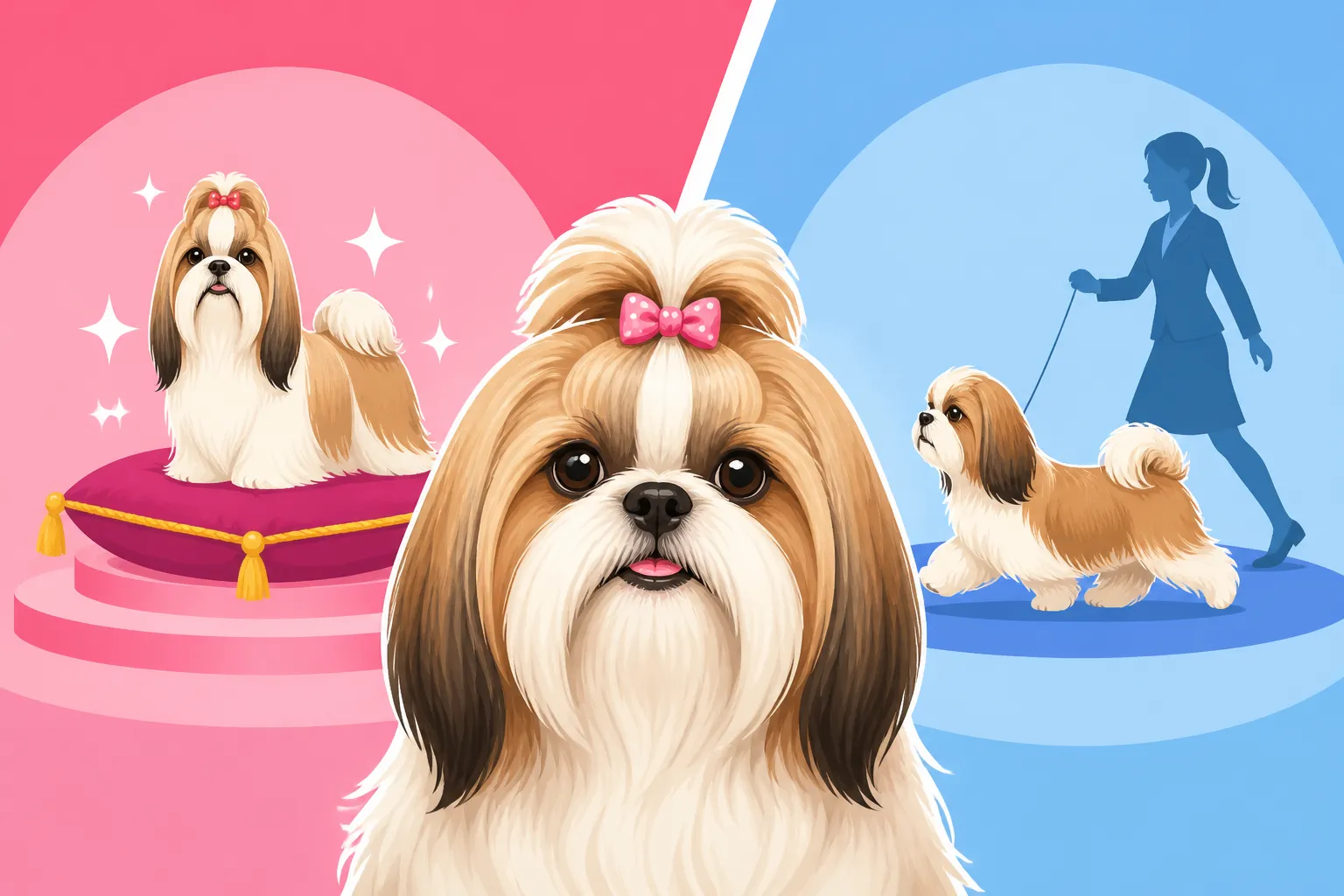
This is arguably the biggest advantage. In a toy breed class, your Shih Tzu gets to interact and socialize with dogs of a similar size and play style. Imagine a group of Shih Tzus, Pugs, Malteses, and Chihuahuas gently sniffing, playing, and learning together. The risk of accidental injury from rough play is drastically reduced, giving you and your dog a much more relaxed and positive experience.
This environment fosters genuine, confident socialization. Your Shih Tzu learns that other dogs can be fun and safe, building positive associations rather than fear. They can practice their Shih Tzu Leash Manners on a Harness without being dragged or intimidated by a much stronger dog. This is especially crucial for young puppies during their critical socialization window, as positive experiences with peers help shape a well-adjusted adult dog. They can even learn to be comfortable around Shih Tzu Behavior With Small Children if the class includes some gentle interaction protocols, all within a safe size-appropriate context.
Instructor Awareness of Toy Breed Nuances
A trainer specializing in toy breeds brings a wealth of knowledge specific to your Shih Tzu's characteristics. They understand the brachycephalic breathing concerns, the delicate back, and the prominent eyes. They know how to handle these dogs safely, recognizing subtle signs of stress or discomfort. This expertise extends beyond just physical safety. They'll also be familiar with common toy breed behaviors, such as indoor potty training challenges, potential for separation anxiety, or the "selective hearing" that can sometimes come with a companion breed.
This specialized knowledge means they can offer targeted advice and modifications to training techniques. For example, they might suggest specific cues that work better for a flat-faced dog, or recommend certain grooming routines that facilitate easier handling during training exercises. Finding a Trainer Who Understands Toy Breeds is critical, as they will approach your Shih Tzu with empathy and practical understanding, rather than applying a generic template.
Making the Best Choice for Your Shih Tzu
Choosing the right training environment is a crucial decision that will impact your Shih Tzu's confidence, behavior, and overall well-being. It's not just about convenience; it's about setting them up for success in a world often designed for bigger dogs.
Questions to Ask Potential Trainers
Before enrolling your Shih Tzu in any class, it's vital to do your homework and ask specific questions. Don't be afraid to interview potential trainers; you're entrusting them with your precious companion.
Here’s a handy table of questions to guide your conversation:
| Question | Why It Matters for a Shih Tzu |
|---|---|
| What is the maximum class size? | Smaller classes mean more individualized attention and less overwhelm for a tiny dog. |
| What breeds are typically in this class? | A mix of large and small dogs might not be ideal; a toy-only class is preferable. |
| What is your experience with toy breeds? | Ensures the trainer understands their physical vulnerabilities and unique temperaments. |
| What training methods do you use? | Confirm it's positive reinforcement-based, avoiding harsh corrections. |
| How do you manage puppy play sessions? | Look for supervised, size-segregated play to prevent injury. |
| What are your safety protocols for small dogs? | Important for eye safety and preventing accidental injury. |
| Can I observe a class before enrolling? | Allows you to see the dynamics and environment firsthand. |
| Do you offer flexible scheduling? | Helpful if your Shih Tzu has an off day or needs shorter sessions. |
Be wary of any trainer who dismisses your concerns about your Shih Tzu's size or suggests that "all dogs are the same" when it comes to training. You need an advocate for your specific breed.
Preparing Your Shih Tzu for Any Class
Regardless of whether you choose a toy breed specific class or a general one (if no other option is available), preparing your Shih Tzu beforehand can make a world of difference.
- Pre-Class Socialization (Controlled): Gently expose your puppy to a variety of sights, sounds, and appropriate interactions with calm, vaccinated dogs of various sizes before class starts. This isn't about letting them roughhouse, but about building positive associations. Think short, supervised meet-and-greets in a quiet park rather than a bustling dog park.
- Basic Handling: Practice handling your Shih Tzu all over their body—touching their paws, ears, tail, and mouth. This makes them more comfortable with future grooming and vet visits, and with the trainer’s touch in class.
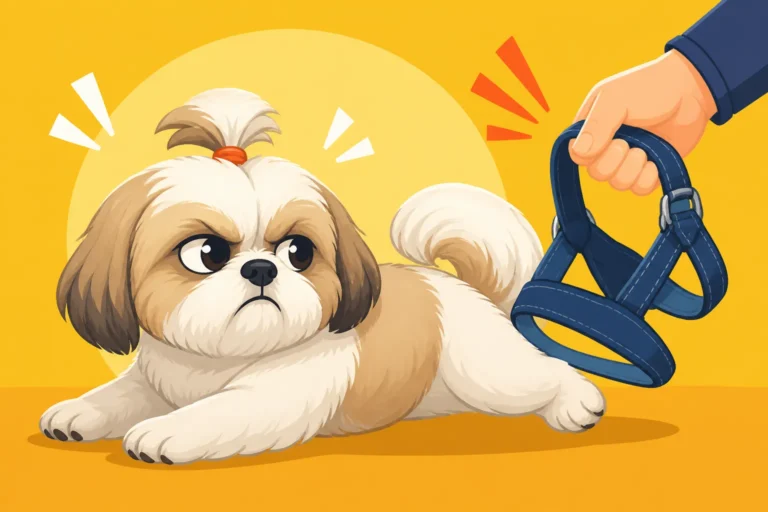
- Appropriate Gear: Invest in a comfortable, well-fitting harness rather than a collar for leash training. A collar can put pressure on their delicate trachea, especially given their brachycephalic structure. A front-clip harness can also help with Teaching a Shih Tzu to Walk Without Pulling. Look for ones designed for small dogs on sites like Amazon, ensuring it won't rub or mat their delicate coat.
- High-Value Treats: Stock up on tiny, delicious, soft treats that your Shih Tzu absolutely loves. Cut them into pea-sized portions to avoid overfeeding and ensure they can eat them quickly without losing focus.
Supplementing Group Classes with Home Training
Even the best group class is just a supplement to consistent, daily training at home. Your Shih Tzu learns best when lessons are reinforced regularly in familiar, low-stress environments.
Consider incorporating short, fun training sessions into your daily routine. Aim for 5-10 minutes, two or three times a day. This keeps them engaged and reinforces what they learned in class. Online resources can be incredibly helpful here. Platforms like BAXTER & Bella offer comprehensive online puppy and dog training programs that you can do from the comfort of your living room, tailoring the pace precisely to your Shih Tzu's needs. This allows you to address specific behaviors or reinforce commands in a quiet, distraction-free setting, which can be particularly beneficial for a breed that might find group settings overwhelming.
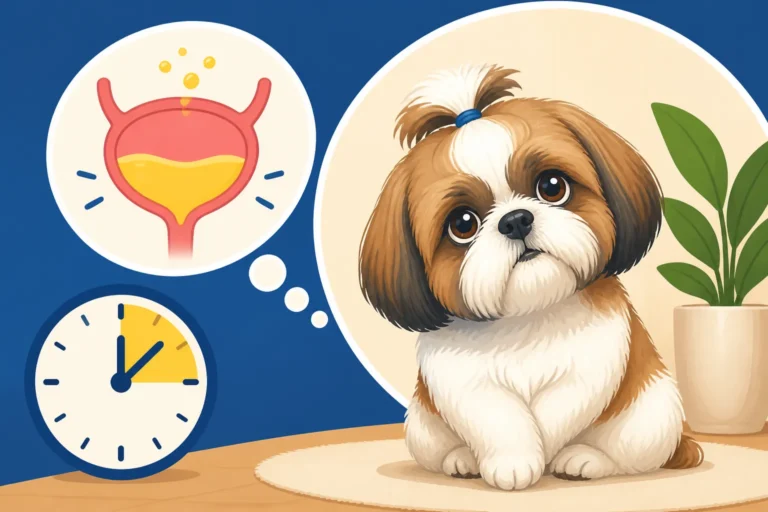
Remember that house training a Shih Tzu can sometimes Why Shih Tzu House Training Takes Months, so consistent home practice with a schedule is crucial. Use positive reinforcement for every success, and clean up accidents thoroughly without scolding.
Ultimately, while a general puppy class can teach basic commands, a dedicated toy breed class offers an environment that respects your Shih Tzu's unique physical and emotional needs, ensuring a safer, more positive, and more effective learning experience. Your little lion dog deserves a training journey that makes them feel confident and cherished, not overwhelmed or vulnerable.
Disclaimer
This article is for general informational purposes only and does not constitute professional advice. Laws, prices and regulations vary by location and change over time. Consult a qualified professional for guidance on your specific situation.