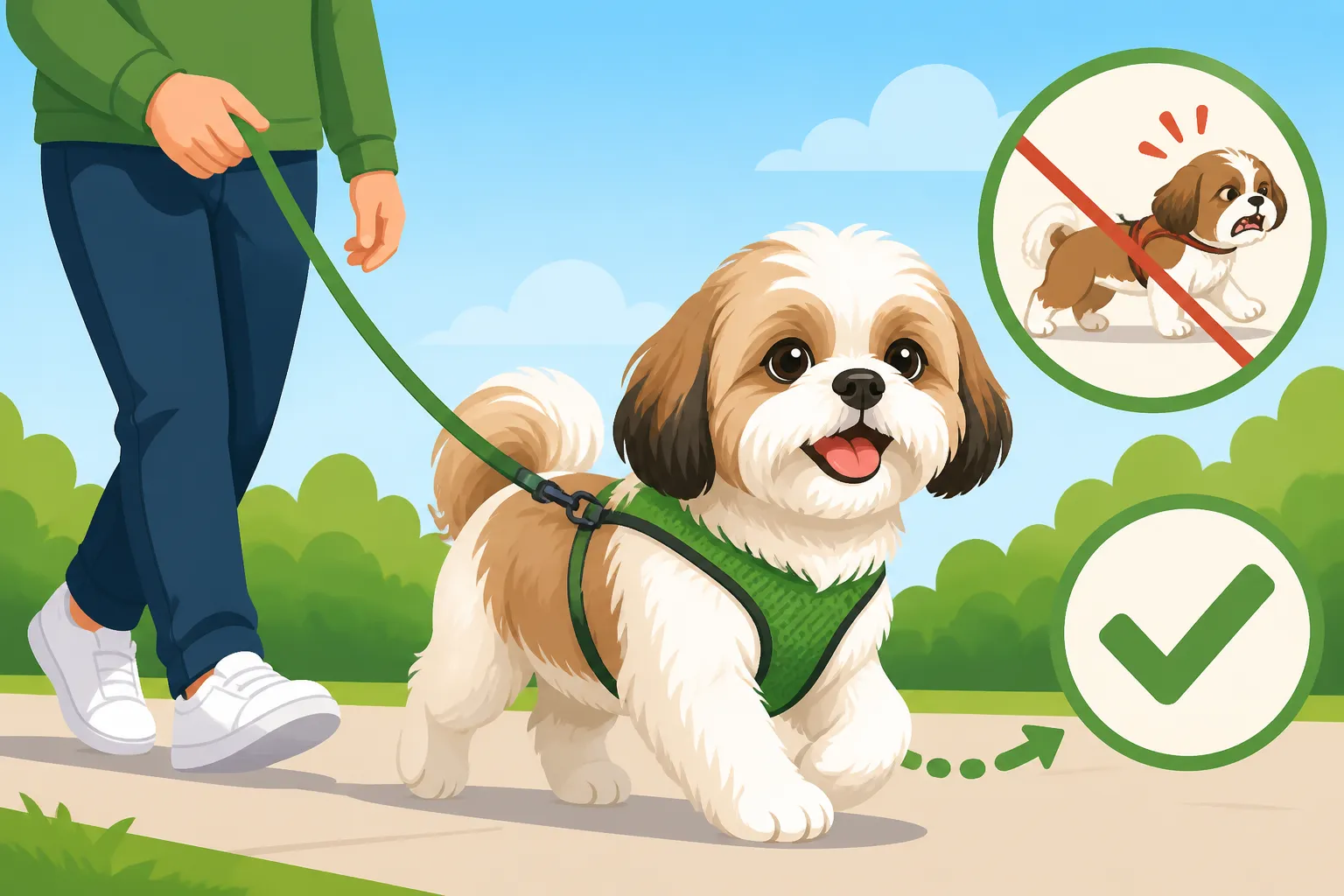
Teaching a Shih Tzu to Walk Without Pulling
It can be incredibly frustrating, can't it? You love your little Shih Tzu dearly, but taking them for a walk often feels more like a tug-of-war than a leisurely stroll. Despite their small stature, many Shih Tzus become masters of pulling on the leash, making every outing a test of patience. This guide is here to help you understand why your furry friend might be dragging you down the street and, more importantly, to equip you with gentle, effective strategies to teach them how to walk politely by your side, making walks enjoyable for both of you.
Understanding Why Your Shih Tzu Pulls on the Leash
You might look at your tiny Shih Tzu and wonder how such a small dog can exert so much force on the leash, but pull they do! It's not usually out of malice or stubbornness; there are very real, often instinctive, reasons behind this behavior. Understanding these motivations is the first step toward changing the habit.
The World is Full of Excitement
Imagine being so close to the ground, with a nose that's exponentially more powerful than your own. Every walk is an explosion of scents, sights, and sounds for your Shih Tzu. That patch of grass where another dog sniffed, the rustling leaves that might hide a squirrel, the exciting aroma drifting from a neighbor's barbecue – it's all incredibly stimulating. Your Shih Tzu simply wants to get to these exciting things faster. They're not deliberately trying to pull you; they're just pulled forward by an overwhelming desire to investigate. Their curiosity and zest for life often manifest as a full-speed dash toward the next interesting thing.
For a dog so low to the ground, every walk is like reading a newspaper written in smells. They're trying to absorb all the information, and the fastest way to do that is often to forge ahead. If they've learned that pulling gets them where they want to go, even momentarily, that behavior is reinforced. This makes the habit even harder to break, as they've had countless "successful" pulls.
Lack of Early Leash Training
Many Shih Tzus are bred primarily as companion animals, and while their charm is undeniable, focused training sometimes takes a backseat to cuddles. Owners might not prioritize dedicated leash training from an early age, especially if their puppy is small and "cute" when pulling. However, even a small puppy can learn to pull, and as they grow, that habit becomes ingrained and much stronger. Without consistent guidance on what to do on a leash, dogs naturally follow their instincts, which often means forging ahead.
Sometimes, new owners simply haven't been shown how to teach polite leash walking. It's not always intuitive, and simply attaching a leash and going for a walk isn't enough. The dog needs to understand the rules of the road, and those rules need to be taught clearly and consistently. This is where a structured approach to training really shines, setting both you and your Shih Tzu up for success from the very beginning.
Improper Equipment and Reinforcement
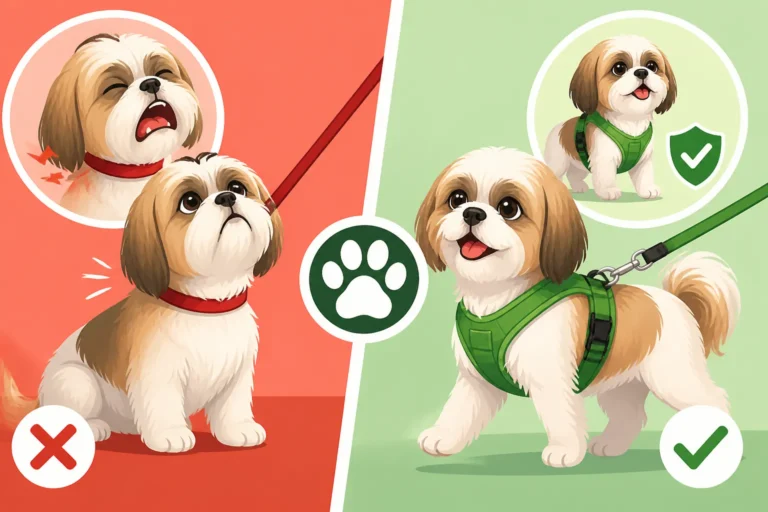
The type of equipment you use plays a significant role in whether your Shih Tzu pulls. If you're using a collar, especially a thin one, any pulling can put pressure directly on their delicate trachea, which is particularly sensitive in brachycephalic (flat-faced) breeds. This discomfort can actually make them pull harder, creating a cycle of pain and further pulling. It also doesn't give you much control or redirect their forward momentum effectively.
Furthermore, unintentional reinforcement can cement the pulling behavior. Every time your Shih Tzu pulls and you continue to walk, even if you're annoyed, you're inadvertently teaching them that pulling works. They get to their destination, or at least closer to it, by tugging. This is why consistency is key; if pulling occasionally works, they'll keep trying it. Choosing the right harness and implementing consistent training methods are crucial to break this cycle. Why a Shih Tzu Should Wear a Harness Not a Collar delves deeper into the specifics of collar versus harness use for their safety and comfort.
Essential Gear for a Better Walking Experience
Before you even begin training, making sure you have the right equipment is absolutely vital for a Shih Tzu. Their unique physical characteristics, like their flat faces and delicate necks, mean that standard collars or ill-fitting harnesses can not only be ineffective but also potentially harmful.
Choosing the Right Harness for Your Shih Tzu
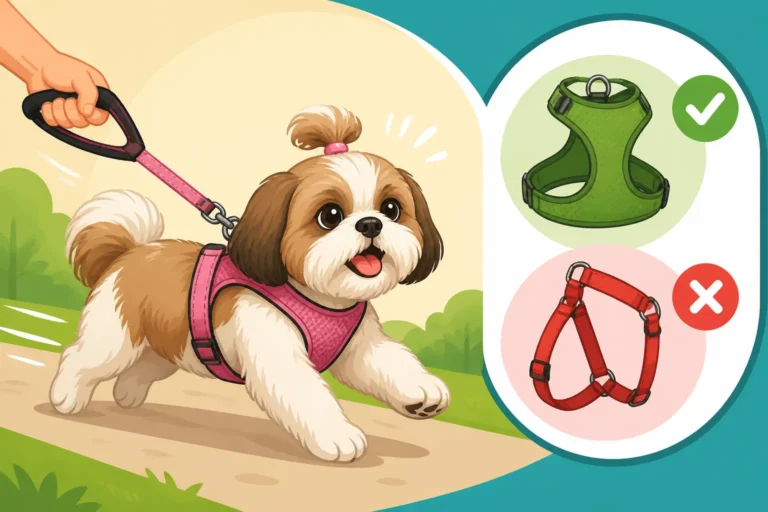
For a Shih Tzu, a harness is almost always the superior choice over a collar for walks. But not just any harness will do. You'll want to look for one that fits snugly but comfortably, preventing escape artists while avoiding chafing. More importantly, consider a front-clip harness. Unlike back-clip harnesses that often encourage pulling by allowing the dog to lean into the pressure, a front-clip harness redirects your dog's momentum. When they pull, the leash attachment on their chest causes them to turn gently back towards you, making it much harder for them to pull effectively and reinforcing the idea of walking by your side.
When you're choosing a harness, think about the material and construction. Soft, breathable fabrics are best to prevent irritation under their long coat, especially in warmer weather. Many brands offer designs specifically for smaller breeds, with adjustable straps that can accommodate a Shih Tzu's compact but often barrel-chested build. You can find a wide variety of effective options on platforms like Amazon, but always prioritize fit over fancy designs. Fitting a Harness Around Shih Tzu Coat offers more detailed advice on ensuring a perfect and comfortable fit.
The Right Leash and Training Treats
A standard six-foot leash is generally ideal for loose-leash training. It gives your Shih Tzu enough freedom to sniff and explore a little without allowing them to get too far ahead. Avoid retractable leashes during training, as they teach your dog that pulling extends their range, which is the exact opposite of what you want. A fixed-length leash provides consistent boundaries, which is crucial for clear communication. Look for a lightweight leash that's comfortable for you to hold but durable enough for everyday use.
Alongside your leash and harness, a pouch full of high-value training treats is your secret weapon. These aren't just any treats; they should be small, soft, and utterly irresistible to your Shih Tzu. Think tiny pieces of cooked chicken, cheese, or specialized training treats that pack a powerful punch of motivation. Treat Sizes That Suit a Shih Tzu provides excellent guidance on choosing appropriate rewards. The goal is to make walking politely by your side the most rewarding thing your dog can do, outcompeting all those exciting smells and sights.
Step-by-Step Training for Loose Leash Walking
Now that you have the right gear, it's time to put it to use. Teaching loose leash walking is a process that requires patience, consistency, and a positive attitude. Remember, you're teaching a new skill, not punishing an old habit.
Start Indoors with Low Distractions
Begin your training journey inside your home, where distractions are minimal. Put your Shih Tzu's new harness and leash on. Don't even try to walk yet. The first step is simply to get them comfortable wearing the equipment. Let them wander around the house with it on for a few minutes, supervised, playing and acting normally. This desensitizes them to the feel of the harness and leash.
Once they're comfortable, take a few steps. When your Shih Tzu walks next to you or the leash is slack, immediately mark the behavior with a verbal cue like "Yes!" or a clicker, and offer a high-value treat. If they pull, simply stop moving. Become a tree. Wait for the leash to slacken, even for a second, then reward and start walking again. This teaches them that pulling gets them nowhere, but a loose leash earns rewards. Keep these sessions short and sweet, maybe 5-10 minutes at a time. Five Minute Sessions With a Shih Tzu can offer more insights into keeping training engaging for your small companion.
Gradually Introduce Outdoor Environments
Once your Shih Tzu is reliably walking on a loose leash indoors, it's time to tackle the great outdoors. Start in a low-distraction outdoor area, like your backyard or a very quiet street during off-peak hours. The same principles apply: reward for a loose leash, stop when they pull. The key here is to manage the environment so your Shih Tzu can succeed. If they are overwhelmed by too many exciting smells or sights, they'll be much more likely to pull.
As they improve, gradually increase the level of distraction. Walk past a slightly busier park, or during a time when there are a few more people or dogs around. Each small victory should be celebrated with enthusiastic praise and treats. Remember that progress isn't linear; some days might be better than others. The important thing is to be consistent with your method. A little pulling is normal, especially when encountering something new and exciting, but your reaction (stopping) should always be the same. Walking a Shih Tzu in Warm Weather is also a good read for managing outdoor walks in specific conditions.
The "Stop and Go" Method and U-Turns
The "stop and go" method is your bread and butter for loose leash training. As soon as you feel tension on the leash, stop walking immediately. Don't say anything, don't yank the leash back. Just stop. Your Shih Tzu will eventually turn around to see why you've stopped, or the tension will naturally release as they investigate. The moment the leash goes slack, even for a split second, say "Yes!" or click, give a treat, and start walking again. This very clearly communicates that pulling makes forward motion stop.
Another effective technique is the "U-turn." If your Shih Tzu starts to pull strongly in one direction, instead of resisting, simply make an abrupt U-turn and walk in the opposite direction. Again, the moment they re-orient to follow you and the leash slackens, reward them. This teaches them to pay attention to where you're going and that pulling away from you means changing direction entirely, which is often less rewarding than staying by your side. These techniques require you to be attentive and responsive, but they are incredibly powerful in teaching your Shih Tzu to understand the consequences of their leash behavior.
Troubleshooting Common Challenges
Even with the best intentions and equipment, training can hit a snag. It's totally normal for challenges to arise, especially with a breed as curious and sometimes opinionated as the Shih Tzu. Don't get discouraged!
Consistency is Key, Even on Bad Days
One of the biggest pitfalls for owners is inconsistency. It’s easy to be diligent with training for a few days, then get busy or tired and let the pulling slide, even for just one walk. But every time you let your Shih Tzu pull without correcting the behavior, you're inadvertently reinforcing that pulling sometimes works. This makes it harder for them to understand what you want. Think of it from their perspective: "Sometimes pulling gets me where I want to go, so I'll keep trying!"
This is why consistency is absolutely critical. Every walk, every time the leash is on, you need to apply the same rules. If you're having a particularly rough day, keep the walk very short and in a low-distraction area, or even just do a quick potty break in the yard. It's better to have a short, successful training walk than a long, frustrating one where you give in to pulling. Enlist your family members too, ensuring everyone who walks your Shih Tzu is on the same page with the training methods.
Overcoming Outdoor Distractions and Excitement
Outdoor environments are a sensory overload for a small dog, and those irresistible smells and sights can make a Shih Tzu forget every good behavior they’ve learned. If your dog is constantly lunging towards every squirrel, person, or interesting patch of grass, you might need to scale back the intensity of your walks. Instead of trying to walk down a busy street, start by simply sitting on a bench outside a park with your Shih Tzu. Observe the distractions from a distance. Reward them for calm behavior and for looking at you instead of lunging.
As they become more comfortable, slowly move closer to the distractions, always rewarding for calm. If they become too overstimulated, it's a sign you've moved too fast. Retreat to a calmer spot. High-value treats are especially important here; you need to make yourself more exciting than the environment. Using a cheerful, encouraging tone can also keep their attention on you. This process is often called "desensitization and counter-conditioning" and it's highly effective for managing reactions to environmental stimuli.
When to Seek Professional Help
Sometimes, despite your best efforts, you might feel like you're not making progress, or perhaps your Shih Tzu's pulling is accompanied by other challenging behaviors like excessive barking or reactivity. This is a perfect time to consider professional help. A certified professional dog trainer, especially one experienced with toy breeds or positive reinforcement methods, can observe your specific situation and provide tailored guidance. They can identify subtle cues you might be missing and offer new strategies to get you back on track.
Online training platforms can also be a fantastic resource if in-person classes aren't feasible or available in your area. Programs like BAXTER & Bella offer comprehensive, step-by-step online courses that cover everything from basic manners to more advanced obedience, often with a focus on positive reinforcement. Their structured approach can provide the detailed instruction and support you need. Remember, seeking help is a sign of a responsible owner committed to their dog's well-being and a harmonious life together, not a sign of failure. Don't hesitate to reach out if you feel stuck.
Making Walks Enjoyable for Everyone
The ultimate goal of all this training isn't just a polite dog; it's about creating a bond of mutual respect and enjoyment during your walks. A Shih Tzu who walks calmly by your side is a joy to take out, allowing you both to experience the world together without stress or frustration.
Prioritizing Safety and Comfort on Every Walk
Beyond loose leash walking, always keep your Shih Tzu's safety and comfort paramount. Because they are a brachycephalic breed, they can overheat easily, especially in warm weather or during strenuous exercise. Why a Shih Tzu Overheats So Easily explains this in detail. Shorter, more frequent walks during cooler parts of the day are often best. Always carry water, and be vigilant for signs of distress like excessive panting or lagging behind. If your Shih Tzu has known health issues, particularly Shih Tzu Heart Murmurs and Valve Disease or Brachycephalic Breathing in a Shih Tzu, always consult your vet about appropriate exercise levels.
Additionally, always ensure their harness fits correctly – not too tight, not too loose – and that there's no chafing under their coat. Check their paws regularly, especially after walks on rough or hot surfaces. Their long coat also needs protection; consider a Harnesses That Do Not Mat a Shih Tzu Coat to keep their fur healthy. Being proactive about their physical comfort means they'll be more receptive and happier during training and general walks.
Beyond Loose Leash: Enjoying the World Together
Once your Shih Tzu has mastered loose leash walking, a whole new world opens up for both of you. You can confidently explore new parks, enjoy longer strolls, or even navigate busier urban environments without the constant tugging. This newfound freedom and control will deepen your bond, making every outing a positive experience. You’ll be able to focus on enjoying the fresh air and your dog's happy companionship, rather than battling the leash.
Consider incorporating short training bursts into your walks, even after they've mastered the basics. Practice recalls in safe, enclosed areas, or work on "leave it" when encountering tempting objects. These little moments keep their mind engaged and reinforce that you are the most interesting thing on the walk. A well-trained Shih Tzu is not only a pleasure to walk but also a safer companion in various environments. Your patience and dedication will pay off in years of happy, harmonious walks.
| Harness Type | Description | Shih Tzu Suitability | Pros | Cons |
|---|---|---|---|---|
| Back-Clip Harness | Leash clips on the back, usually between the shoulder blades. | Moderate | Comfortable, less restrictive for breathing. | Can encourage pulling by allowing the dog to lean into pressure. |
| Front-Clip Harness | Leash clips on the chest. | High | Redirects pulling, turns dog sideways if they pull. | Can sometimes twist if not fitted well; may not suit all body shapes. |
| Vest/Step-In Harness | Wraps around the body like a vest, often with back clip. | High | Very comfortable, secure, good for delicate throats. | Can be cumbersome to put on for some; back clip may still allow pulling. |
Disclaimer
This article is for general informational purposes only and does not constitute professional advice. Laws, prices and regulations vary by location and change over time. Consult a qualified professional for guidance on your specific situation.