A Shih Tzu That Barks at Passing Dogs
It can be incredibly frustrating when your sweet, cuddly Shih Tzu transforms into a barking machine every time a dog walks past your window or approaches on a leash. This guide is here to help you understand why your beloved companion might be reacting this way and provide actionable strategies to bring peace back to your walks and your home.
Unpacking Why Your Shih Tzu Barks at Passing Dogs
Before we can tackle the barking, it’s crucial to understand why your Shih Tzu is doing it in the first place. It’s rarely about being "naughty" and almost always stems from a deeper emotion or instinct. When you know the root cause, you can tailor your approach much more effectively.
The Root Causes of Reactivity
For many Shih Tzus, barking at passing dogs isn't about being aggressive, though it might certainly sound like it. Often, it's a complex mix of fear, territoriality, frustration, or even over-excitement that hasn't found a healthy outlet. Imagine your little companion seeing another dog as a potential threat to their safe space, be it your home or their immediate personal bubble on a walk. This often triggers a "fight or flight" response, and for a small dog on a leash or behind a window, "fight" (i.e., barking, lunging) is often the only perceived option.
Sometimes, a Shih Tzu might feel vulnerable because of past negative experiences, or a lack of proper Socializing a Shih Tzu Without Frightening It during their crucial puppy development window. If they've had an intimidating encounter with a larger dog, or even a pushy smaller one, they might start to view all approaching dogs with suspicion. This isn't stubbornness; it's a self-preservation instinct kicking in. They're trying to make the "threat" go away, and from their perspective, the barking works because the dog eventually passes.
Another common driver is territoriality. Your Shih Tzu sees your home, your yard, or even you, as their personal domain. When another dog enters what they perceive as their territory (even just walking by on the sidewalk), their instinct is to warn them off. This is a very natural canine behavior, but one that can become excessive and stressful for both dog and owner if not managed. They might feel like they're doing their job by alerting you, or by sending a clear message to the "intruder."
Finally, sheer frustration or over-excitement can also manifest as barking. Some Shih Tzus might desperately want to greet every dog but are held back by the leash, leading to a vocal outburst. Or, if they're particularly under-stimulated in other areas of their life, the sight of another dog can become an overwhelming focal point, leading to an over-the-top reaction. It's like a child who screams for a toy they can't reach – the emotion boils over.
Identifying Your Dog's Specific Triggers
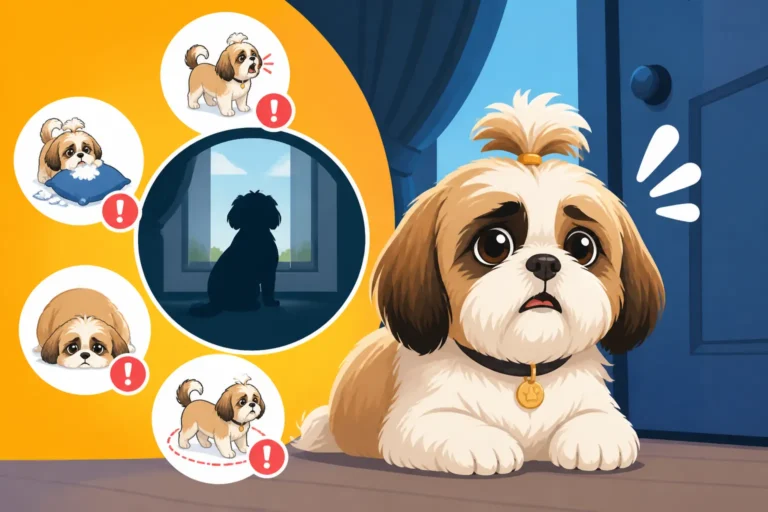
To truly help your Shih Tzu, you need to become a detective and pinpoint exactly what sets them off. Is it any dog, or just certain types – bigger dogs, smaller dogs, dogs of a particular breed or color? Is it dogs that are running, or dogs that are walking calmly? The nuances can be surprising and vital to your training plan. Pay close attention to their body language leading up to the bark: do their ears perk up, do they stiffen, does their tail go rigid, do they lower their head, or do they immediately launch into a frenzy?
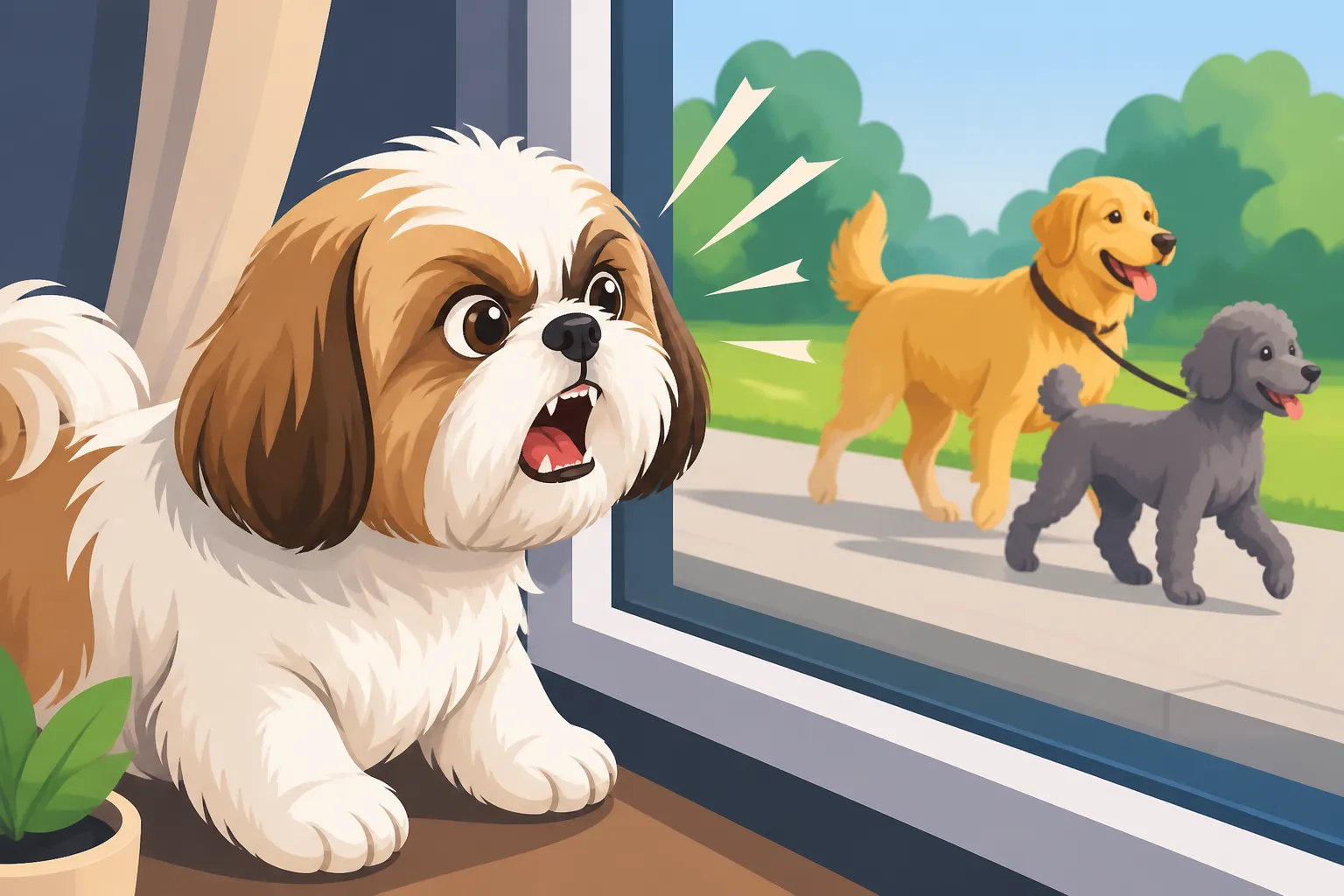
Consider the context: does the barking only happen when they're on a leash, or also when they're securely behind a fence or window? A dog that barks at the window might be driven by territorial instincts, while a dog that barks intensely on a leash might be experiencing fear, frustration, or leash reactivity. You might notice they are completely calm meeting dogs at a friend's house but turn into a tiny terror on your block. This points to specific triggers related to location and perceived ownership.
Keep a journal for a week or two, noting every barking incident. What was the trigger? Where were you? What time of day was it? What was your Shih Tzu's body language before, during, and after? This objective data will reveal patterns and help you understand if it's specific breeds, sizes, behaviors of other dogs, or even environmental factors like noise or proximity that are consistently causing the issue. Understanding these specific triggers is the first step towards breaking the cycle.
Immediate Strategies for Calming the Commotion
Once you have a better idea of why your Shih Tzu barks, you can start implementing some immediate management techniques. These aren't long-term solutions, but they are crucial for reducing stress for everyone involved and preventing the behavior from becoming even more ingrained.
Managing the Environment to Reduce Barking
When it comes to barking at passing dogs, prevention is often the best immediate strategy, especially in your home. If your Shih Tzu is constantly on alert at the window, consider limiting their access to that particular spot during peak dog-walking hours. You can use baby gates, close curtains or blinds, or even apply frosted window film to reduce visual stimulation. The idea isn't to punish them but to remove the trigger that sets them off.
For Shih Tzus that bark from the yard, supervising their outdoor time closely is key. If you see a dog approaching, call your Shih Tzu inside before they start barking, and reward them calmly with a treat. This teaches them that coming inside when a trigger appears is a good thing. You might also consider higher fencing or visual barriers if your yard setup allows, to prevent direct line of sight. Remember, every time your dog barks, and the other dog passes, your Shih Tzu gets a "reward" because they believe their barking made the "threat" go away, reinforcing the behavior.
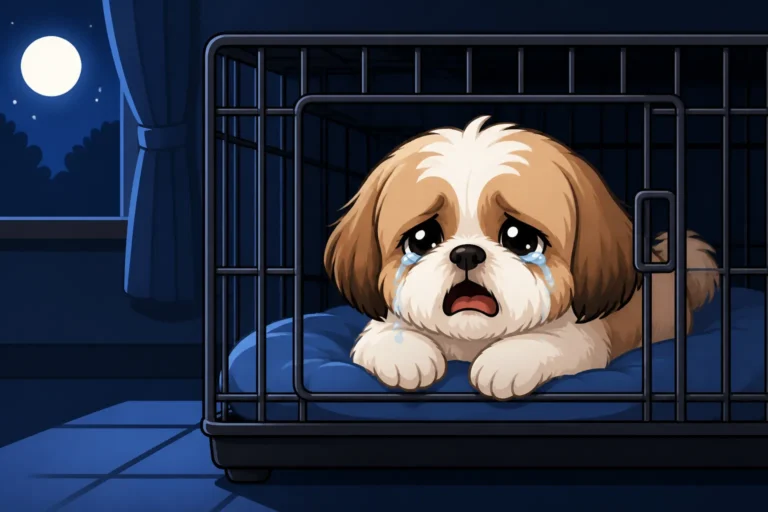
Creating a calm, designated "safe space" for your Shih Tzu indoors can also be incredibly helpful. This could be a comfy bed in a quiet corner, or a Setting Up a Crate a Shih Tzu Will Enter with a blanket over it. Teach them to go to their mat or bed with a "settle" cue, and reward them for staying calm in that spot. This provides an alternative to being on high alert at the window and helps them relax. Having puzzle feeders or chew toys available in this space, such as those found on Amazon, can further distract them and create positive associations with being away from the window.
What to Do When Barking Starts on a Walk
Walking a reactive Shih Tzu can feel incredibly stressful, leaving you dreading every outing. When your Shih Tzu spots another dog on a walk and starts to bark, the first and most important thing is to not get angry or frustrated. Your reaction can unintentionally heighten their anxiety or even make them more persistent. Instead, aim to interrupt the behavior calmly and redirect their focus.
As soon as you spot a potential trigger (another dog) before your Shih Tzu does, try to create distance. Cross the street, duck behind a car, or step into a doorway. The goal is to get your dog out of their "over-threshold" zone where they can no longer think or learn. If your dog does start barking, gently but firmly turn and walk in the opposite direction, or pull them behind a visual barrier. Once they are calm and quiet, even for a second, reward them generously with a high-value treat. This teaches them that disengaging from the trigger and calming down leads to good things.
Using a well-fitting harness, rather than a collar, is vital for a Shih Tzu. Their delicate necks and brachycephalic airway mean a collar can put dangerous pressure on their throat if they pull or lunge. A harness distributes pressure more safely and gives you better control. Many trainers recommend front-clip harnesses as they help redirect your dog's momentum back towards you if they try to pull. Look for options on Amazon that are specifically designed for small breeds and won't rub or mat their delicate Harnesses That Do Not Mat a Shih Tzu Coat.
| Situation | Immediate Action | Why It Helps |
|---|---|---|
| At Home, Window | Close blinds/curtains, use baby gates. | Removes visual trigger, prevents reinforcement of barking. |
| On Walk, Spot Dog | Create distance, cross street, turn around. | Keeps dog under threshold, prevents full-blown meltdown. |
| Barking Starts | Calmly interrupt, redirect focus, move away from trigger. | Breaks the barking cycle, allows for redirection and eventual reward for quiet. |
| During Walks | Use a well-fitting front-clip harness. | Prevents neck injury, provides better control without punishment. |
| After Barking | Reward calm, quiet moments, even brief ones. | Reinforces desired behavior (quiet), builds positive association with disengagement. |
Long-Term Training: Building a Quieter Future
While immediate management is essential, true change comes from consistent, long-term training that addresses the underlying emotions. This involves teaching your Shih Tzu to feel differently about passing dogs and to offer alternative, calmer behaviors.
Desensitization and Counter-Conditioning
This is the cornerstone of resolving reactivity. Desensitization means gradually exposing your Shih Tzu to the trigger (passing dogs) at a level where they don't react, slowly increasing proximity or intensity. Counter-conditioning means changing your dog's emotional response from negative (fear, frustration) to positive (happiness, relaxation).
Start by finding a distance from a dog where your Shih Tzu notices it but does not bark or react. This might be across a park, or through a partially open curtain at home. The moment they spot the dog without reacting, immediately give them a super high-value treat (something they only get for this specific training, like cooked chicken or cheese). Repeat this every single time a dog appears. The goal is for your Shih Tzu to eventually see a dog and think, "Yay! Where's my treat?" rather than "Uh oh, time to bark!" This process requires patience and many repetitions. The online training program BAXTER & Bella offers guided sessions that can walk you through these steps with clear instructions, making it easier to implement at home.
Gradually, over days and weeks, you can decrease the distance to the passing dogs, but only if your Shih Tzu remains under their threshold and doesn't react. If they start to react, you've moved too quickly, and you need to increase the distance again. This isn't a race; it's about building positive associations slowly and steadily. Remember to keep sessions short and positive, ending on a successful note. Consistency is far more important than intensity.
Teaching an Alternative Behavior
Instead of just trying to stop the barking, it’s often more effective to teach your Shih Tzu what to do instead. A common alternative behavior is "look at me" or "focus." This teaches your Shih Tzu to turn their attention to you when a trigger appears, rather than fixating on the other dog.
Practice "look at me" in a calm environment first. Hold a treat near your nose, say "look at me," and when your Shih Tzu makes eye contact, immediately mark it with a verbal cue like "yes!" or a clicker, and give the treat. Repeat this many times until they reliably look at you on cue. You can find excellent instructional videos for this on platforms like YouTube or through BAXTER & Bella’s online resources. Once they've mastered it indoors, start practicing it in slightly more distracting environments, building up to practicing when other dogs are at a distance.
Another useful alternative behavior is teaching them to "go to their mat" or "place." This involves having a designated spot (like a dog bed) and teaching them to lie down there on cue. This is particularly effective for window reactivity, as it gives them a job to do that takes them away from the stimulating view. Again, start in a quiet environment, reward heavily for staying on the mat, and gradually introduce mild distractions. This helps them learn Teaching a Shih Tzu to Settle on a Mat, even when things are happening around them.
The key is to interrupt the barking behavior by redirecting their attention and then rewarding the alternative behavior. For instance, if you're on a walk and see a dog, before your Shih Tzu reacts, say "look at me!" and reward them for making eye contact. If they can maintain focus, even for a few seconds as the other dog passes, that's a huge win. Building strong Shih Tzu Leash Manners on a Harness skills will naturally make these alternative behaviors easier to implement when outside.
Essential Tools and Professional Support
You're not alone in this journey. There are many tools and resources available to help you and your Shih Tzu navigate reactivity and build a calmer, happier life together.
Gear to Aid Your Training Journey
Having the right gear can make a significant difference in your training success and your dog's comfort. As mentioned, a well-fitting harness is paramount for a Shih Tzu. Opt for one that clips in the front, as this can gently redirect your dog's attention back to you if they try to pull or lunge, without putting strain on their neck. Brands like Balance Harness or Freedom No-Pull Harness are often recommended by trainers and can be found on Amazon.
High-value treats are your best friends when it comes to counter-conditioning. Think small, soft, and irresistibly tasty. Cooked chicken, tiny pieces of cheese, or specialized training treats work wonders. The more delicious the treat, the more motivated your Shih Tzu will be to engage with you rather than the trigger. Make sure these are different from their everyday treats to maintain their special appeal. For inspiration on what works well, check out Treat Sizes That Suit a Shih Tzu.
A long line (a lightweight leash 15-30 feet long) can be helpful for practicing recall and controlled exposure in a safe, open area, allowing your Shih Tzu a sense of freedom while still giving you control. Just be sure it's not so heavy that it drags or trips them. Finally, if window reactivity is an issue, consider privacy film for windows, or even a crate cover to provide a den-like retreat where they feel secure and can't practice barking at every passerby.
Knowing When to Call in the Experts
While many owners can make significant progress with consistency and the right techniques, some reactivity cases benefit immensely from professional guidance. If your Shih Tzu's barking is particularly intense, includes growling or snapping, or if you feel overwhelmed and aren't seeing progress, don't hesitate to seek help from a certified professional dog trainer or a veterinary behaviorist.
A certified professional dog trainer can provide personalized advice, assess your dog's specific body language and triggers, and guide you through the desensitization and counter-conditioning process step-by-step. They can also help you refine your handling skills and ensure you're applying techniques correctly. Look for trainers who use positive reinforcement methods and have experience with fear-based or frustration-based reactivity in small breeds. Finding a Trainer Who Understands Toy Breeds is critical, as a trainer familiar with Shih Tzu temperament and physical limitations will be much more effective.
For severe cases, especially those involving significant fear or aggression, a veterinary behaviorist might be recommended. These are veterinarians who have specialized in animal behavior and can diagnose and treat behavioral issues, sometimes including medication if deemed necessary alongside a comprehensive behavior modification plan. They can help rule out any underlying medical conditions that might be contributing to the behavior, which is always important. Don't view seeking professional help as a failure; it's a sign that you're committed to giving your Shih Tzu the best possible quality of life.
Remember, addressing barking at passing dogs is a marathon, not a sprint. Celebrate small victories, be patient with your Shih Tzu and yourself, and maintain a positive attitude. With consistent effort and understanding, you can help your little lion dog find more peace in their world.
Disclaimer
This article is for general informational purposes only and does not constitute professional advice. Laws, prices and regulations vary by location and change over time. Consult a qualified professional for guidance on your specific situation.