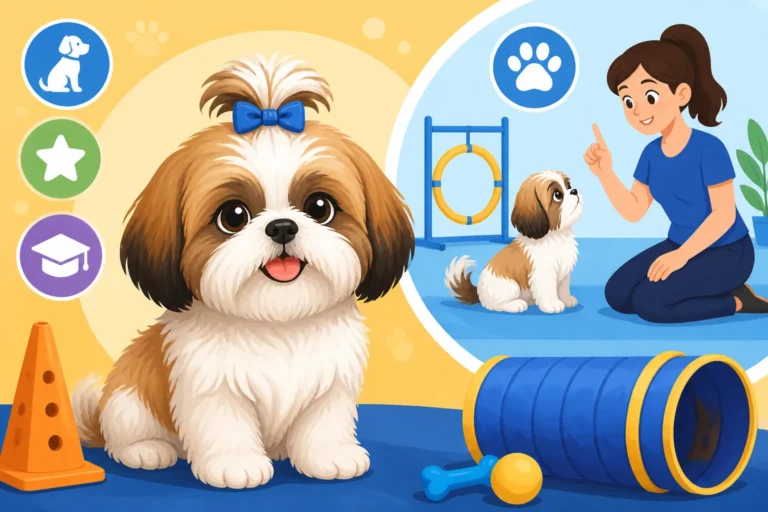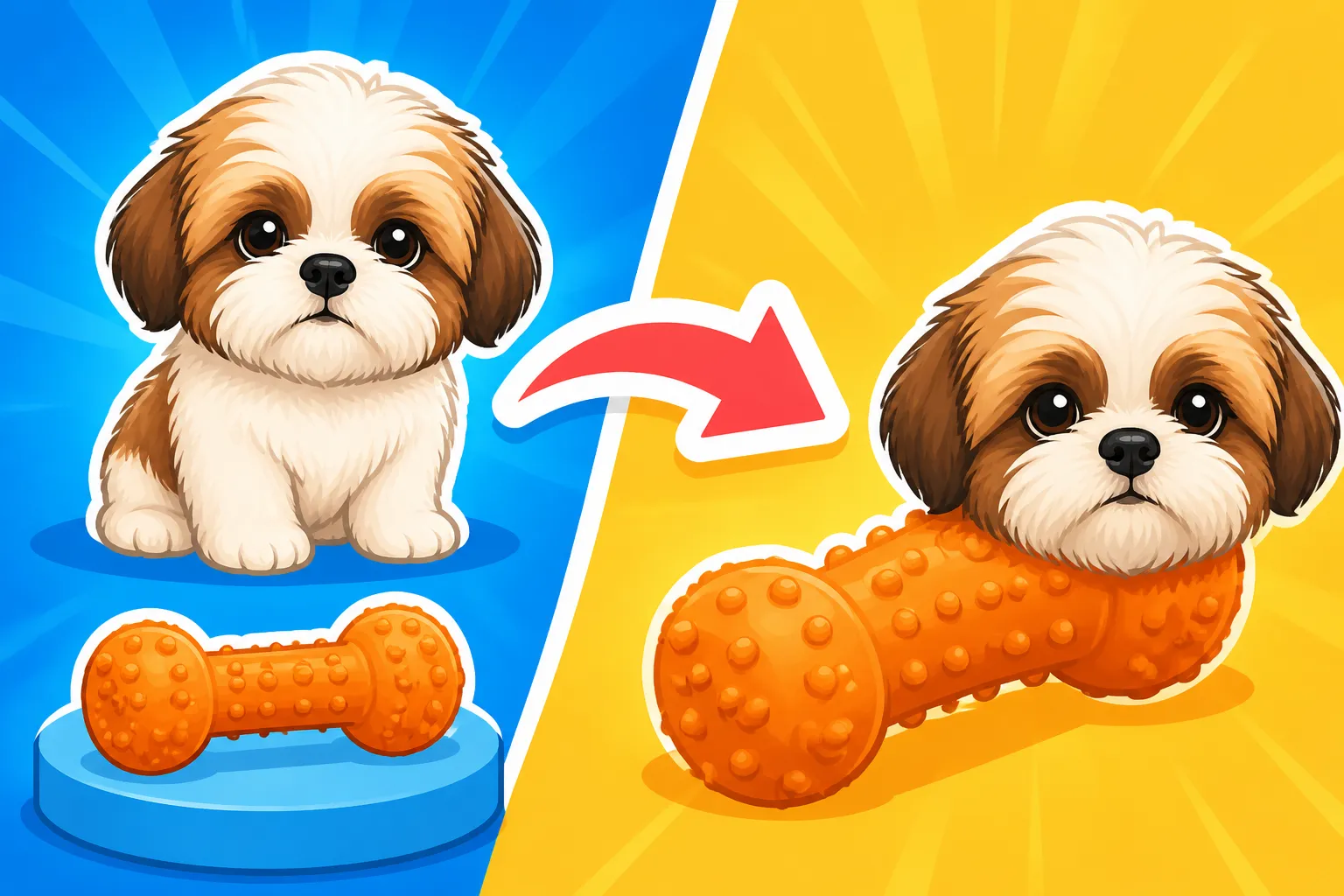
Swapping a Shih Tzu Puppy Onto a Chew Toy
It’s a tale as old as time for Shih Tzu owners: you bring home that adorable, fluffy little puppy, and within days, those tiny, needle-sharp teeth are everywhere! From gentle nips that quickly escalate to playful (but painful) chomps on your fingers, toes, and even your favorite clothes, it can be incredibly frustrating and confusing. You love your puppy, but those teeth? Not so much. This guide will walk you through the absolute best way to redirect that natural puppy nipping onto appropriate chew toys, ensuring your Shih Tzu grows into a well-mannered companion who understands what's okay to chew and what isn't.
Understanding Why Your Shih Tzu Puppy Nips
Before we dive into the "how," let's spend a moment on the "why." It's easy to get upset or worried, thinking your precious furball is destined to be a tiny terror, but rest assured, nipping is a completely normal part of puppy development. It's how they explore their world and learn about boundaries.
The Instinctual Drive to Mouth and Explore
Imagine a human baby putting everything in its mouth – that’s pretty much what a Shih Tzu puppy does. Their mouths are their primary tool for understanding textures, temperatures, and the general properties of new objects. They don't have hands to pick things up and examine them; they use their mouths. This instinct is particularly strong in young pups, and it’s a crucial stage for their sensory development. When they mouth your fingers, they're not usually being aggressive; they're just trying to figure out what you are and what you feel like. It's a natural, built-in behavior that needs gentle, consistent guidance, not punishment.
Beyond exploration, teething plays a huge role. From about three weeks to six months, your Shih Tzu puppy will be losing their baby teeth and growing in their adult teeth. This process can be quite uncomfortable, causing sore gums and an intense urge to chew. Just like a human baby needs a teething ring, your Shih Tzu needs appropriate outlets for this discomfort. If they don't have suitable chew toys, their natural inclination will be to chew on whatever is available and provides relief – and often, that ends up being you or your furniture. Understanding this biological drive can help you approach the situation with more empathy and patience.
Attention-Seeking and Play
Sometimes, your Shih Tzu puppy's nipping isn't about teething or exploration at all; it's a clear bid for your attention or an invitation to play. Think about how puppies play with each other – they wrestle, tumble, and yes, they mouth each other. They learn bite inhibition from their littermates, understanding how hard is too hard based on yelps and changes in play. When they come into your home, you become their new "littermate." If a gentle nip gets a reaction from you – even a negative one like a gasp or a quick withdrawal – they've learned that nipping gets them what they want: your focus.
It's a subtle but powerful lesson for them. If they're feeling bored, under-stimulated, or just want to engage with you, a quick nip might be their go-to strategy, especially if it has worked in the past. It’s crucial to recognize this pattern. If you consistently respond to nipping with engagement, even if it's telling them "no," you're inadvertently reinforcing the behavior. The key is to shift their understanding so they learn that appropriate play and appropriate chewing are what earn them your valuable attention and interaction. This is where the art of the swap really comes into its own.
The Problem with Nipping at Hands and Clothing
While puppy nipping is normal, it absolutely needs to be managed and redirected early on. What might be a cute, tiny nip from an eight-week-old Shih Tzu puppy can quickly become a painful habit as those adult teeth come in and their jaw strength increases. It's not just about the pain, either. If a puppy learns that nipping hands is an acceptable way to interact or get attention, they can carry that behavior into adulthood, potentially leading to bigger issues down the line. We want our Shih Tzus to be gentle, cuddly companions, not dogs that view human skin as a chew toy.
Beyond your hands, think about your clothing. A persistent nipper can quickly ruin sweaters, pant legs, and even shoelaces. This can be particularly frustrating if you have children, as a puppy who nips can accidentally hurt a child, even if unintentionally. Establishing clear boundaries now, while your Shih Tzu is still a puppy, is far easier than trying to break an ingrained habit later. The goal is to teach them "bite inhibition" – the understanding that human skin is sensitive and that their teeth should never make contact with it in a way that causes discomfort. This foundational training sets them up for a lifetime of safe and enjoyable interactions with everyone they meet. Consistent short training sessions, perhaps five minutes at a time, can be incredibly effective. Five Minute Sessions With a Shih Tzu are often perfect for their short attention spans.
The Art of the Swap: Redirecting Nipping Behavior
Now that we understand why your Shih Tzu puppy nips, let's get to the proactive solution: the swap. This isn't about punishing the nip; it's about immediately redirecting that natural chewing instinct onto an acceptable item. It’s a powerful tool in your Shih Tzu Puppy Training Month by Month arsenal.
When and How to Intervene
The timing of your intervention is absolutely critical when you're teaching your Shih Tzu puppy about appropriate chewing. You need to step in the instant those puppy teeth make contact with your skin, clothing, or any forbidden item. Don't wait for it to escalate, and don't let them have a few exploratory nibbles before you react. The moment you feel even the lightest pressure of their teeth, it's time for the swap. This immediate response helps your puppy connect the undesirable behavior (nipping you) with the alternative (chewing their toy). The key is to be consistent every single time. If you let it slide sometimes, your puppy will get mixed signals and the training will take much longer to stick.
When you intervene, make sure your reaction is calm and consistent, not overly dramatic. A sharp "ouch!" in a higher-pitched voice can mimic a puppy's yelp, sometimes signaling to your pup that they've hurt you, which is a good natural deterrent. Then, immediately present the appropriate chew toy. You want to smoothly and quickly substitute the toy for your hand or clothing. Don't engage in a tug-of-war with your hand first; simply offer the toy as a more interesting, immediate alternative. This technique should feel like a game for your puppy, not a reprimand. Remember, the goal is to redirect, not to scare or punish, especially for a sensitive breed like a Shih Tzu. For more on this, check out Shih Tzu Puppy Nipping at Fingers or Shih Tzu Puppy Mouthing at Hands.
The "Trade" Technique in Practice
Let's break down the "trade" technique step-by-step. It's straightforward, but requires consistency and a bit of practice.
- Be Prepared: Always have an appropriate chew toy readily available whenever you're interacting with your puppy, especially during play sessions or when they're particularly energetic. Keep toys in your pockets, on coffee tables, or scattered in areas where your puppy spends time.
- The Instant a Nip Occurs: The moment your puppy’s teeth touch your skin or clothing, say "ouch!" in a high-pitched voice.
- Offer the Alternative: Immediately, without any delay, take one of the appropriate chew toys and gently place it near your puppy's mouth, wiggling it slightly to grab their attention. You want to make the toy seem much more interesting than your fingers.
- Praise the Swap: The second your puppy releases your hand or clothing and takes the chew toy in their mouth, offer calm, positive praise. Say "Good chew!" or "Yes!" in a soft, happy tone. You can also follow up with a tiny, pea-sized treat to really cement the positive association. For suitable rewards, consider Treat Sizes That Suit a Shih Tzu.
- Disengage if Persistent: If your puppy ignores the toy and continues to nip at you aggressively, or gets over-excited, calmly and immediately remove your attention. Stand up and turn your back, or briefly step out of the room for 10-20 seconds. This teaches them that nipping makes the fun stop. As soon as they are calm, you can re-engage and try the swap again.
The beauty of this technique is that it teaches your Shih Tzu that soft mouths around people get positive attention, and chewing on designated toys is rewarding. It's not about stopping them from chewing entirely, which is impossible and undesirable, but guiding what they chew. Repetition is key here. Every single time those teeth touch something inappropriate, offer the swap.
Choosing the Right Chew Toys for a Shih Tzu
Selecting the right chew toys is crucial for the success of the swap technique. Shih Tzus have small mouths, sometimes with an underbite, and they need toys that are appropriate for their size and chewing style. A toy too large or too hard might be frustrating or even dangerous.
Here are some types of toys that work well:
- Rubber Chew Toys: Durable rubber toys, like those from popular brands you can easily find on Amazon, are excellent for teething puppies. Look for softer rubber specifically designed for puppies, as adult strength toys might be too tough initially. These toys often have interesting textures that can massage sore gums.
- Stuffable Toys: Toys that you can fill with wet food, peanut butter (xylitol-free!), or special training treats are fantastic for prolonged engagement. Freezing them can add an extra layer of challenge and soothe teething gums. These can keep a puppy busy for a good while, allowing them to focus their chewing on something appropriate.
- Plush Toys (with caution): Soft plush toys can be comforting for some Shih Tzus, but choose ones without small, easily detachable parts (like plastic eyes or noses) that could be choked on. Monitor your puppy closely, as some might try to tear out and ingest the stuffing.
- Dental Chews: Specific dental chews designed for puppies can also be beneficial, helping to clean teeth while satisfying the urge to chew. Always choose a size appropriate for a toy breed. For more on their specific dental needs, read Why a Shih Tzu Mouth Cannot Hold Forty-Two Teeth.
| Chew Toy Type | Benefits for Shih Tzus | Considerations |
|---|---|---|
| Soft Rubber Toys | Durable, great for teething, varied textures for gum relief | Ensure size is appropriate for a small mouth; check for puppy-specific softness |
| Stuffable Toys | Provides mental stimulation, prolonged chewing, soothes gums (when frozen) | Requires filling; ensure contents are safe and non-toxic |
| Plush Toys | Comforting, soft texture for gentle chewers | Supervise to prevent ingestion of stuffing or small parts |
| Dental Chews | Helps clean teeth, satisfies chewing urge, freshens breath | Choose appropriate size and hardness; monitor for choking hazards |
Always supervise your Shih Tzu puppy with new toys to ensure they are safe and durable enough for their chewing habits. Some puppies are power chewers, even at a small size, and will need tougher options. Rotate toys regularly to keep them interesting and exciting for your puppy.
Making Chew Toys More Appealing and Rewarding
Simply having chew toys around isn't always enough; you need to make them the most exciting, most rewarding option for your Shih Tzu puppy. Think of it as a competition: your fingers versus the fantastic chew toy. The chew toy needs to win!
Enhancing Toy Value
To make those chew toys irresistible, you’ve got a few tricks up your sleeve. First off, consider stuffing some of them with tasty treats. Kongs are classic for a reason – a little bit of peanut butter (xylitol-free, of course!), cream cheese, or wet dog food smeared inside and then frozen can provide a long-lasting, soothing chew experience for a teething puppy. There are also many different puzzle feeders and treat-dispensing toys available on sites like Amazon that encourage mental stimulation along with chewing. These types of toys turn chewing into a rewarding activity that requires a little effort, making it more engaging than simply nipping at your hand.
Another fantastic way to enhance toy value is through rotation. Don't leave all the toys out all the time. Instead, have a selection of 3-4 toys available for a few days, then swap them out for another set. This keeps the toys feeling "new" and exciting, preventing your puppy from getting bored with the same old things. When a "new" toy appears after a few days, it will have a renewed appeal, making it a more attractive option when your puppy feels the urge to chew. You can even rub a little bit of a highly palatable scent, like a drop of salmon oil or a tiny bit of bouillon, on a non-food chew toy to make it smell more interesting and draw your puppy's attention away from your fingers.
Positive Reinforcement and Praise
When your Shih Tzu puppy successfully chooses to chew on an appropriate toy instead of your hand, it's a huge victory, and you need to let them know it! Positive reinforcement is the bedrock of good puppy training. The moment your puppy shifts their focus to the toy and begins to chew it, offer immediate, enthusiastic, but calm praise. A happy, "Good job, puppy!" or "Yes, that's what we chew!" delivered in a warm, encouraging tone will go a long way. This verbal praise helps your puppy connect their action (chewing the toy) with your approval.
You can also use gentle physical affection, like a soft scratch behind the ears or a belly rub, as long as it doesn't over-excite them and lead back to nipping. And don't forget tiny, high-value treats! A small, soft training treat offered immediately after they choose the toy solidifies that positive association. The goal is to make chewing on their toys a deeply satisfying and rewarding experience. This positive association ensures they want to choose the toy because it feels good and makes you happy. This is a crucial element of Positive Reinforcement With a Shih Tzu.
Consistency is Key for Lasting Habits
I can't stress this enough: consistency is the magic ingredient for any training, and especially when you're trying to redirect nipping in a Shih Tzu puppy. It's not enough for just one person in the household to use the swap technique; everyone who interacts with the puppy must be on the same page, every single time. If one person allows the puppy to nip playfully, while another consistently redirects, your puppy will get confused and the training will stall. Hold a family meeting and ensure everyone understands the "ouch and swap" method.
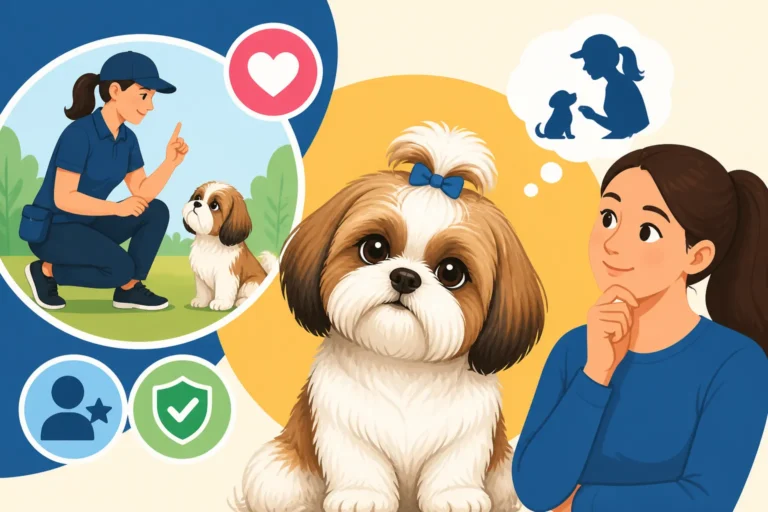
This includes children, guests, and anyone else who might be tempted to let those cute little puppy teeth "just play." It takes a united front to effectively communicate what's acceptable and what's not. Programs like BAXTER & Bella, which offer comprehensive online training resources, can be incredibly helpful in guiding every family member through consistent training protocols. They provide structured lessons that can help you and your whole family learn how to respond uniformly to common puppy behaviors. Think of it as building a new language for your puppy – if everyone speaks the same language, they learn much faster. Without consistency, you're essentially speaking different languages to your puppy, making it nearly impossible for them to understand the rules. This diligent repetition will eventually turn a conscious effort into an automatic, good habit for your Shih Tzu.
Common Challenges and Troubleshooting
Even with the best intentions and techniques, you might hit a few bumps in the road. Shih Tzus, despite their charming nature, can sometimes be a bit stubborn, and every puppy is an individual!
When Your Puppy Prefers You to the Toy
This is a common frustration: you offer the perfect chew toy, but your Shih Tzu puppy still goes for your fingers or your clothing. It can feel like a personal rejection! Often, this happens because puppies find the movement and texture of human skin, or the interaction it creates, more engaging than a stationary toy. They might also be seeking your direct attention, and nipping at you has worked as an attention-getter in the past.
If your puppy consistently prefers you over the toy, try these approaches:
- Increase Toy Excitement: Make the toy more animated. Wiggle it, drag it along the floor, or make it "play" with you (but keep your fingers out of the way!). If it's a soft toy, give it a voice. Make it sound more like a littermate they want to interact with.
- Scent Power: Try rubbing a tiny bit of something safe and appealing, like a drop of bone broth, onto the toy to make it smell extra enticing.
- The "No Reward" Approach: If they ignore the toy and continue to nip at you, immediately withdraw all attention. Stand up, turn your back, or even leave the room for a few seconds (no more than 30 seconds). The moment they realize that nipping makes you disappear, they start to learn it's not a rewarding behavior. Re-enter calmly and try again. This method teaches them that appropriate chewing keeps the fun (and you!) around.
- Check for Pain: In some rare cases, persistent nipping might be a sign of underlying discomfort, perhaps from intense teething pain that normal chew toys aren't alleviating, or even a mouth injury. If your puppy seems unusually agitated or aggressive with their nipping, a quick vet check might be a good idea to rule out any physical issues.
Over-Excitement and Nipping Spirals
Sometimes, especially when playtime gets really vigorous, Shih Tzu puppies can get over-excited. This often leads to a "nipping spiral" where they start nipping harder, jumping, and becoming less responsive to redirection. Their little brains can just get overwhelmed, and they lose control of their mouth.
When you see signs of over-excitement – frantic zoomies, hard nipping, not responding to cues – it's time for a "calm-down."
- Time Out: This doesn't mean punishment; it means giving them a chance to decompress. Gently pick up your Shih Tzu (if they're calm enough) or guide them into their crate for a few minutes. Make sure their crate is a positive place, not used for punishment. Setting Up a Crate a Shih Tzu Will Enter is important for this.
- Redirect to Quiet Chewing: Instead of trying to continue active play, offer a long-lasting, calming chew toy. A frozen, stuffed Kong is perfect here. It provides an outlet for their chewing energy but encourages them to settle down and focus.
- Enforce Naps: Puppies, like toddlers, need a lot of sleep. Sometimes, an over-excited, nippy puppy is just an overtired puppy. If it's been a while since their last nap, gently put them in their crate for some quiet time. They might protest at first, but often settle quickly once they're given the chance to rest. Learning to recognize the signs of an overtired puppy can save both of you a lot of frustration.
Dealing with Persistent Nipping Beyond Puppyhood
While puppy nipping is normal, it should largely diminish as your Shih Tzu matures, especially with consistent redirection. If you find your Shih Tzu, past the age of six to eight months, is still persistently nipping at hands or clothing, it might signal a deeper issue that requires more focused attention.
Possible reasons for persistent nipping in older puppies or adult Shih Tzus include:
- Lack of Bite Inhibition Training: If the "ouch and swap" method wasn't consistently applied during puppyhood, they might not have learned appropriate bite inhibition. This means they don't understand that human skin is sensitive.
- Attention-Seeking Behavior: If nipping still gets them a reaction (even negative attention), they might continue the behavior. Ensure all attention, positive or negative, is immediately withdrawn when nipping occurs.
- Anxiety or Fear: Some dogs nip when they are feeling anxious, fearful, or overwhelmed. This is more of a defensive nip. If your Shih Tzu nips in specific situations (e.g., when startled, when touched in a certain way), observe the context carefully.
- Pain or Discomfort: As mentioned earlier, pain can sometimes cause a dog to snap or nip. If the nipping is sudden or new, especially in an older Shih Tzu, consult your vet to rule out any medical reasons. You might also want to look into Shih Tzu Back Problems and Disc Disease as this breed is prone to spinal issues which can cause unexpected pain responses.
For persistent issues, especially if the nipping feels aggressive or causes injury, it's wise to consult with a professional dog trainer or a veterinary behaviorist. They can assess the specific situation, identify triggers, and develop a tailored training plan to help your Shih Tzu overcome the behavior. Remember, patience and consistency remain paramount, no matter the age of your dog.
Disclaimer
This article is for general informational purposes only and does not constitute professional advice. Laws, prices and regulations vary by location and change over time. Consult a qualified professional for guidance on your specific situation.