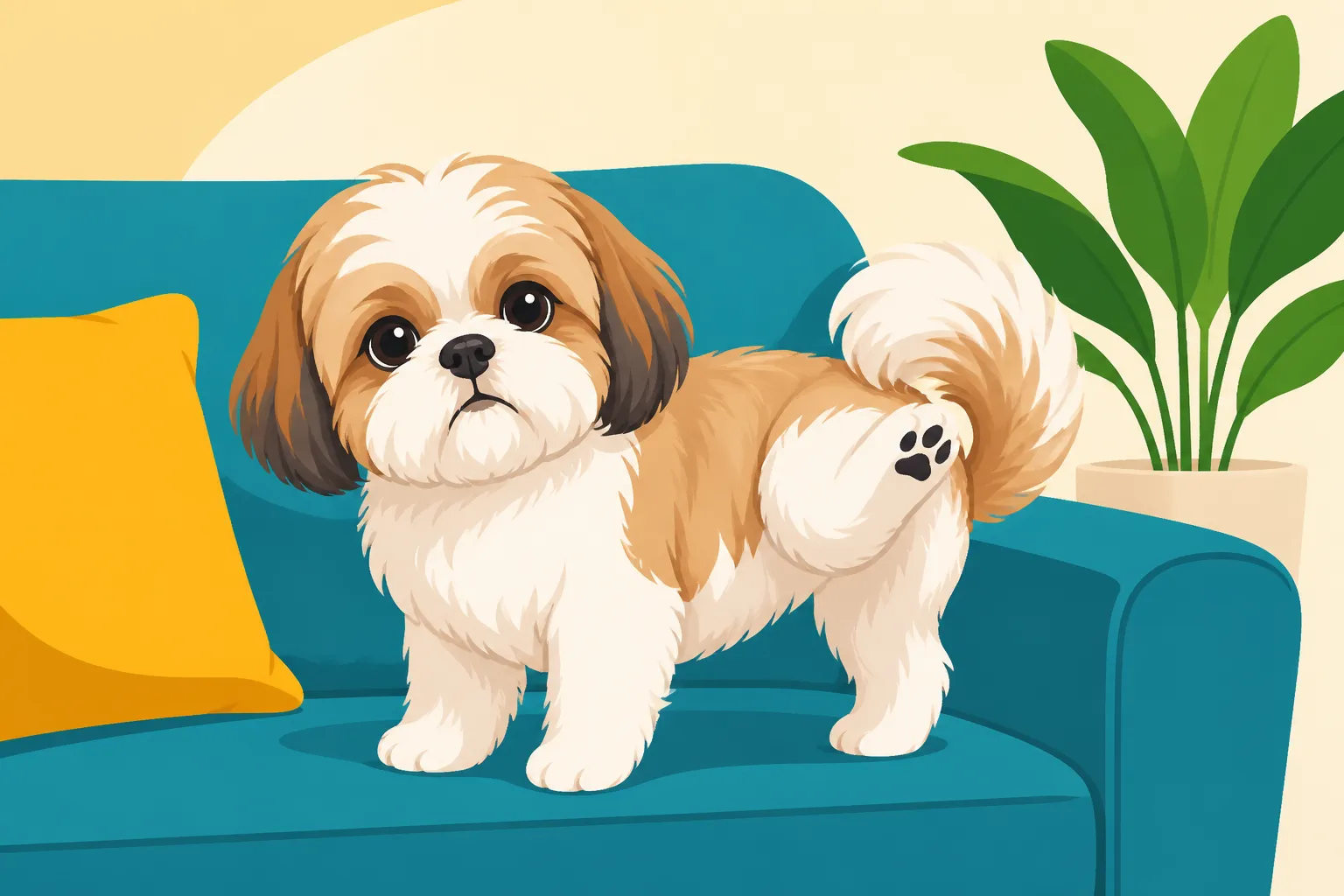
A Shih Tzu Lifting a Leg on the Sofa
It can be incredibly frustrating, and honestly, a bit baffling, when your sweet Shih Tzu decides to lift a leg right there on your favorite sofa, or any indoor surface for that matter. You thought house training was settled, you’ve put in the work, and then this happens, leaving you to wonder if you’ve missed something crucial or if your tiny companion is somehow "protesting." This guide aims to unpack the common reasons behind this specific behavior and provide actionable steps to help you restore peace (and cleanliness) to your home, helping you understand both the 'why' and the 'how-to-fix-it'.
Understanding Why Your Shih Tzu Is Lifting a Leg on the Sofa
When your Shih Tzu lifts a leg indoors, especially on an elevated surface like a sofa, it's a clear signal that something is off. It’s not just "being bad"; there’s usually a reason rooted in their natural instincts, their training, or even their health. As a toy breed, Shih Tzus can sometimes have different house-training challenges than larger dogs, and these nuances are important to understand.
Is It Marking or an Accident?
Distinguishing between true marking and an accidental urination is the first critical step. Marking is typically about communication. It's often a smaller amount of urine, deposited on vertical or prominent objects to signal presence, territorial claims, or even anxiety. When a male Shih Tzu lifts a leg, especially on a sofa, it's very often a form of marking. They might sniff an area, lift a leg, deposit a small amount, and then move on. This is their way of saying, "I was here," or "This is mine," or even "I'm feeling a bit insecure."
An accident, on the other hand, usually involves a larger volume of urine, deposited because the dog simply couldn't hold it, didn't understand where to go, or perhaps felt unwell. If your Shih Tzu empties their bladder entirely on the sofa, it leans more towards an accident. However, if they just leave a small puddle, especially after having been outside recently, it's almost certainly marking behavior. It's crucial not to scold them harshly for either, as this can often make the underlying issue worse, leading to more secretive urination rather than stopping the behavior entirely. Your Shih Tzu learns nothing from being yelled at after the fact; they just learn to fear you or become more anxious.
Underlying Behavioral Triggers
Several behavioral factors can lead a Shih Tzu to mark indoors. One common trigger is intact male hormones; unneutered males are far more likely to mark than neutered ones. If your male Shih Tzu isn't neutered, this could be a primary driver. However, even neutered males and, less commonly, females, can mark. This might happen due to perceived competition from other pets in the home, new smells from visitors (especially other dogs), or even changes in the household routine or environment that cause stress.
For instance, if you recently brought a new pet home, or even a new baby, your Shih Tzu might feel the need to re-establish their territory or express their discomfort. Moving to a new house, having guests stay over, or even just rearranging the furniture can be enough to trigger marking in a sensitive Shih Tzu. They don't understand these changes in the same way we do, and their primary way of dealing with stress or changes in their perceived "territory" is often through scent communication. Sometimes, it's simply that their house training wasn't fully proofed in all environments. If they've only learned to go potty outside or on a specific pad, and then new scents or items appear indoors, it can throw them off. We've talked about Why Shih Tzu House Training Takes Months before, and marking can definitely be a part of those extended struggles.
The Role of Undersocialization and Stress
Stress and anxiety are huge contributors to inappropriate urination, including marking. A Shih Tzu who feels insecure, anxious, or not fully integrated into their human "pack" might mark as a coping mechanism. This can be exacerbated by undersocialization, where they haven't been adequately exposed to various sights, sounds, people, and other dogs during their critical developmental period. An undersocialized Shih Tzu might find new experiences or visitors overwhelming, leading them to spray in an attempt to feel more secure or to "warn off" perceived threats.
Consider if there have been any changes in your household that might induce stress. Are they spending more time alone? Is there more noise or activity than usual? Even something as seemingly minor as a change in your work schedule can impact a sensitive Shih Tzu. If your Shih Tzu shows other signs of anxiety, like excessive licking, pacing, whining, or destructive behavior, then marking on the sofa could be a symptom of a deeper stress issue. Remember, their world is much smaller than ours, and even small changes can feel monumental to them. Recognizing The Signs a Shih Tzu Cannot Settle Alone can be a huge step in identifying underlying stress that might contribute to marking.
Medical Reasons Behind Inappropriate Urination
Before you dive deep into behavior modification, it's absolutely crucial to rule out any underlying medical conditions. What looks like a behavioral problem can often be a cry for help from a dog experiencing physical discomfort or illness. This is especially true for small breeds like Shih Tzus, who can be prone to certain health issues.
Ruling Out Physical Health Issues
Any change in urination habits, whether it's increased frequency, straining, or urinating in unusual places, warrants a trip to the veterinarian. Your Shih Tzu might be lifting a leg on the sofa not because they're marking, but because they have a urinary tract infection (UTI), bladder stones, or even kidney issues. These conditions can cause discomfort or an increased urge to urinate, making it harder for them to hold it until they get outside, or prompting them to go wherever they feel relief, even if that's your couch.
Your vet will likely perform a urinalysis to check for infection, crystals, or other abnormalities. They might also recommend blood tests to assess kidney function or imaging like X-rays or ultrasound to look for bladder stones. It's a simple, non-invasive process that can provide immense peace of mind or identify a treatable condition. Imagine how miserable it would be to be disciplined for something you can't control because you're in pain or physically unable to hold it! Always start with a vet visit when any new or unusual potty behaviors crop up.
Age-Related Changes and Incontinence
As Shih Tzus get older, just like people, their bodies can change in ways that affect bladder control. A senior Shih Tzu might start having accidents or marking due to age-related incontinence. This isn't a behavioral issue, but a physiological one. Their bladder muscles might weaken, or they might develop cognitive dysfunction (similar to dementia in humans) that makes them forget their house training or where they're supposed to relieve themselves.
If your Shih Tzu is getting on in years (typically past the age of ten, but sometimes earlier), and this new marking behavior has started, discuss it with your vet. There are medications and management strategies that can help with age-related incontinence, from hormone therapy to simply adjusting their potty schedule. Senior Shih Tzu Care Past the Age of Ten delves into many of these considerations. It's a gentle reminder that their needs evolve, and our patience and understanding must evolve with them. Sometimes, a "pee wrap" or belly band (more on that later) can be a great help for older males experiencing mild incontinence.
Practical Strategies to Stop Sofa Marking
Once you've ruled out medical causes, it's time to get proactive with behavioral strategies. The goal isn't just to stop the marking, but to address the root cause and build a more confident, well-adjusted Shih Tzu. Consistency, patience, and positive reinforcement are your best friends here.
Re-establishing House Training Foundations
When marking becomes an issue, it's often a sign that house training needs a refresh, or perhaps was never fully solidified. Think of your Shih Tzu as a brand new puppy again. This means going back to basics:
- Supervision is Key: Never let your Shih Tzu roam unsupervised indoors. If you can't actively watch them, they should be in their crate or a contained, easy-to-clean area. This prevents opportunities for marking.
- Frequent Potty Breaks: Take your Shih Tzu out more frequently than you think they need. First thing in the morning, last thing at night, after waking from a nap, after playing, and after eating or drinking. Reward them generously with praise and a high-value treat immediately after they go potty outside. This reinforces that outdoor urination is the most rewarding behavior.
- Designated Potty Spot: Try to take them to the same spot each time. The scent of previous successful eliminations can encourage them to go there again.
- "Go Potty" Cue: Use a consistent verbal cue like "Go potty!" every time you take them out. Over time, they'll associate the phrase with the act, which can be incredibly helpful for prompt elimination.
- Crate Training: A properly introduced and sized crate can be invaluable. Dogs are naturally reluctant to soil their sleeping area. Crate Training a Shih Tzu Properly can save your sanity (and your furniture). When they are in their crate, they aren't marking the sofa.
This "boot camp" approach to house training, even for an adult dog, is essential. It helps to rebuild good habits and prevent the opportunity for undesirable ones.
Managing Access and Supervised Play
Since the sofa is the target, managing access to it is paramount. If your Shih Tzu consistently marks the sofa, they shouldn't have free access to it without direct supervision.
- Restrict Access: When you're not actively sitting on the sofa with them, or can't watch them like a hawk, block access to it. You can use baby gates, a pen, or simply close the door to the room.
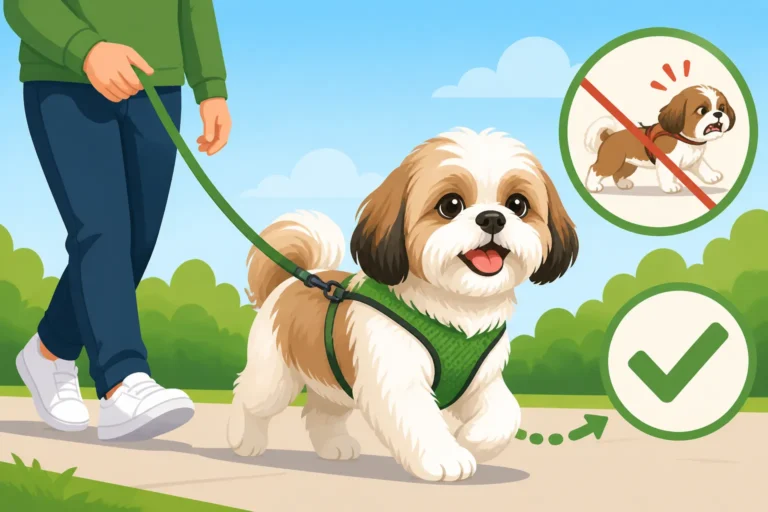
- Leash Supervision: When your Shih Tzu is in the living room with you, even if you're just watching TV, keep them on a leash attached to you or anchored nearby. This gives you immediate control and allows you to interrupt any sniffing or leg-lifting attempts before they escalate. If you see them sniffing or showing interest in lifting a leg, calmly interrupt with a verbal cue like "Leave it" and immediately take them outside to their designated potty spot.
- Positive Association: Once you've established better habits outside, you can gradually reintroduce supervised time on the sofa, making it a positive, cozy place. Encourage them to lie down and relax, not to mark. Make sure the sofa smells absolutely clean (more on that below) before letting them back up.
For Shih Tzus that mark due to anxiety when left alone, gradually building up their alone time in a secure, non-marking-prone area can help. Building Alone Time for a Shih Tzu involves slowly increasing the duration they are left, always making sure they have ample opportunities to relieve themselves beforehand.
Addressing Behavioral and Environmental Factors
Beyond basic training, you need to tackle the root behavioral and environmental issues.
- Neutering: If your male Shih Tzu is not neutered, this is often the single most effective step to reduce or eliminate marking behavior. While it’s not a guaranteed fix for all marking, it significantly reduces the hormonal drive.
- Stress Reduction: Identify and minimize stressors. If it's a new pet, ensure proper, slow introductions. If it's visitors, create a safe, quiet space for your Shih Tzu away from the commotion. Sometimes, enrichment toys and consistent routines can help build a more confident dog.
- Pee Wraps/Belly Bands: For male Shih Tzus who are persistent markers, or for those with mild incontinence, a "pee wrap" or belly band can be a lifesaesaver. These are fabric bands worn around the dog's waist that hold a disposable pad, catching any urine. While they don't stop the marking, they prevent urine from reaching your furniture and can be invaluable during the retraining process. You can find many options on sites like Amazon. Remember, they are a management tool, not a solution to the underlying behavioral issue. For more on this, check out Wraps for a Shih Tzu That Marks.
- Environmental Cleanup: This isn't just about surface cleaning. Dogs are driven by scent. If your sofa smells like a potty spot to your Shih Tzu, they'll be drawn back to it. You need to use enzymatic cleaners designed to break down urine at a molecular level, eliminating the scent completely. Regular household cleaners won't cut it. Read on for more specific product advice.
Tools and Resources for Success
Having the right tools and knowing when to call in the cavalry can make all the difference in tackling persistent marking behavior.
Choosing the Right Cleaning Products
When it comes to cleaning up urine, especially from fabric like a sofa, regular soap and water won't work. You need an enzymatic cleaner. These cleaners contain enzymes that break down the uric acid crystals in urine, which are what cause the lingering odor that dogs can detect, even if we can't. If the scent remains, your Shih Tzu will be drawn back to that spot, reinforcing it as a "potty area."
Look for cleaners specifically labeled "enzymatic pet urine remover." Brands like Nature's Miracle, Rocco & Roxie Supply Co., and Simple Solution are widely available on sites like Amazon and have proven track records. You’ll want to saturate the area, let it sit according to the product instructions, and then blot it up. Be patient, as sometimes multiple applications are needed, especially for old or deeply soaked stains. Cleaning Shih Tzu Accidents Properly is a must-read for anyone dealing with persistent indoor messes. Don't forget to clean around the marked area too, as splashes can spread further than you think.
Training Aids and Professional Help
Sometimes, despite your best efforts, the marking persists. This is when it's smart to consider bringing in additional support.
| Resource Type | Description | Benefits for Sofa Marking | When to Use |
|---|---|---|---|
| Belly Bands/Wraps | Fabric wraps for male dogs, secured around the waist with an absorbent pad inside to catch urine. Available in various sizes and materials, often found on Amazon. | Prevents urine from damaging furniture while you work on behavior. Helps break the habit of marking specific spots. | During retraining, for temporary management, or for mild incontinence. |
| Enzymatic Cleaners | Specialized cleaning solutions that use enzymes to break down urine at a molecular level, eliminating odors. | Removes residual urine odor that attracts dogs back to marked spots, critical for successful retraining. | After every indoor accident or marking incident. |
| Crates & Pens | Secure, confined spaces that dogs consider their den. | Prevents unsupervised marking opportunities. Reinforces appropriate potty habits as dogs typically avoid soiling their sleeping area. | During house training, when unsupervised, or for alone time management. |
| Professional Trainer | A certified dog trainer specializing in positive reinforcement and behavior modification. Organizations like BAXTER & Bella offer online resources and courses. | Provides personalized strategies, helps identify specific triggers, and teaches effective communication methods. Can address underlying anxiety or territorial behavior. | If marking persists despite consistent effort, or if you feel overwhelmed. |
| Veterinarian | Your primary animal healthcare provider. | Rules out medical causes (UTIs, bladder stones, incontinence, etc.) that could be driving the behavior. Offers medical interventions if necessary. | As the first step when any new inappropriate urination starts. |
An experienced dog trainer can be a true game-changer. They can observe your Shih Tzu in your home environment, identify specific triggers you might be missing, and develop a tailored plan. They understand toy breed nuances and the common challenges like persistent house training issues. For example, a good trainer can help you understand What a Trainer Charges to House Train a Shih Tzu and whether their approach aligns with your needs. Many offer virtual consultations, making it convenient to get expert advice regardless of your location. Companies like BAXTER & Bella offer online puppy and dog training programs that cover everything from house training to behavioral issues, providing structured guidance you can follow at your own pace. Sometimes, having an objective, knowledgeable third party can make all the difference, offering strategies you hadn't even considered.
Remember, solving marking behavior is a journey, not a sprint. It requires dedication and consistency, but seeing your Shih Tzu happy, confident, and no longer marking your beloved sofa is a truly rewarding outcome.
Disclaimer
This article is for general informational purposes only and does not constitute professional advice. Laws, prices and regulations vary by location and change over time. Consult a qualified professional for guidance on your specific situation.