Whether a Shih Tzu Is Hard to Train
Many Shih Tzu owners feel a real sense of frustration when it comes to training their adorable little fluffballs, often wondering if their breed is just inherently "difficult" or "stubborn." It's easy to get discouraged when your tiny companion seems to have a mind of its own, especially with house training or grooming. This guide aims to tackle that very question head-on, exploring the unique characteristics of the Shih Tzu that influence their trainability and offering realistic strategies to help you and your furry friend succeed.
Understanding the Shih Tzu Temperament and Its Training Implications
When people ask if a Shih Tzu is hard to train, it's often because they've encountered some challenges. But it's less about the breed being "hard" and more about understanding their historical purpose and inherent traits. These aren't working dogs bred to follow complex commands; they're companion animals through and through, and that perspective changes everything about how you approach their education.
The "Lap Dog" Legacy and Instinct
For centuries, the Shih Tzu was bred for one primary purpose: to be a beloved companion, warming laps in the imperial palaces of China. They weren't asked to herd sheep, track game, or guard property. Their job was simply to be charming, affectionate, and adorable. This deep-seated legacy means they naturally gravitate towards human companionship and comfort. If a command interferes with their primary directive of being cozy on your lap, they might just decide it’s not a priority.
This isn't a flaw; it's just who they are. They are highly attuned to human emotion and desire to be close to their people. Training methods that are too harsh or isolating can actually backfire with such a sensitive breed. Understanding their desire for comfort and closeness can be a powerful tool in your training arsenal. Rewarding them with cuddles, gentle praise, and short, positive interactions works wonders, as it taps into their natural inclination to please their favorite humans. It’s about building a partnership, not enforcing strict rules. Consider reading about Why a Shih Tzu Was Bred to Sit on a Lap to truly appreciate their nature.
Stubbornness Versus Intelligence
Many owners will describe their Shih Tzu as "stubborn," and it's certainly a common experience. They might stand their ground, give you that look, or simply choose to ignore a command if they don't see an immediate benefit. However, this isn't necessarily a lack of intelligence. Often, what we perceive as stubbornness is actually a keen sense of self-preservation and a preference for comfort over obedience. They are smart enough to weigh the options: "Is doing what my human asks worth getting off this warm blanket?"
Shih Tzus learn quickly, especially when motivated by high-value treats or engaging play. The trick is to make training more appealing than their current preferred activity. If they're being "stubborn," it's usually because the reward isn't compelling enough, or the task feels too demanding for their comfort-seeking nature. Breaking down commands into tiny, achievable steps, and celebrating every small success, can turn that perceived stubbornness into focused determination. They learn best when they feel good about the process, not pressured by it. Don't be fooled by the fluffy exterior; there's a quick mind behind those soulful eyes, it just needs the right motivation. It's less about them being "hard" to train and more about finding their internal "what's in it for me?" switch. This is why Shih Tzu Stubbornness and What It Really Is is such a crucial topic to understand.
Sensitivity and Positive Reinforcement
Shih Tzus are generally quite sensitive souls. They don't respond well to harsh corrections, yelling, or intimidating body language. Such approaches can easily make them shut down, become fearful, or even develop negative associations with training altogether. Imagine trying to teach a shy child in a shouting environment; it rarely yields good results. The same applies to our little lion dogs.
Positive reinforcement, on the other hand, is their love language. This means rewarding desired behaviors with something they value – tasty treats, enthusiastic praise, a favorite toy, or a gentle scratch behind the ears. This builds confidence and creates a positive feedback loop, making them want to participate. Short, joyful training sessions, filled with encouragement, are far more effective than long, demanding ones. They thrive on approval and connection. This gentle approach not only fosters better behavior but also strengthens the bond between you and your Shih Tzu, making them a willing partner in their learning journey.
Common Training Hurdles and How to Overcome Them
Every breed has its quirks, and the Shih Tzu is no different. Certain aspects of training tend to be more challenging for them due to their physical attributes and disposition. Recognizing these common hurdles allows you to prepare and adjust your approach effectively.
House Training Realities
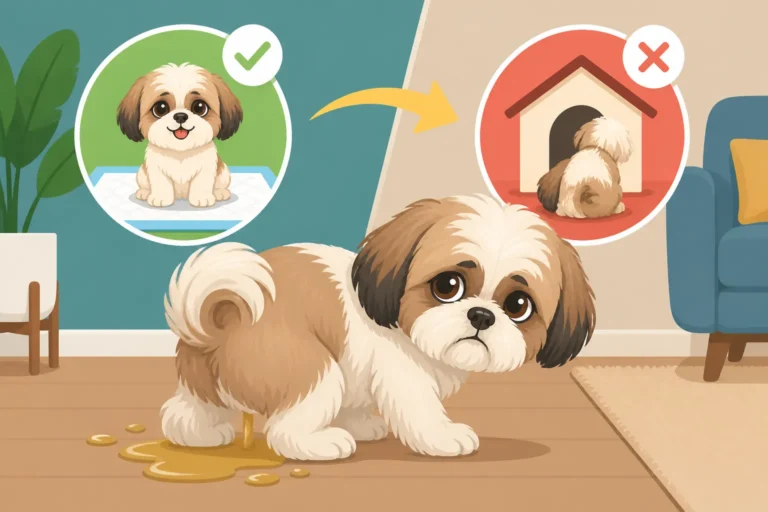
Ah, house training – the bane of many a Shih Tzu owner's existence! It's undeniably one of the most frequently cited difficulties. There are a few reasons Why Shih Tzu House Training Takes Months for some. Firstly, their small bladders mean they need to go frequently. Secondly, their natural tendency to be cozy often means they don't want to venture out into the cold or rain, especially if they have a comfortable indoor spot. Third, a tiny accident on the rug might seem insignificant to them, and if you don't catch it immediately, they don't connect the act with your displeasure.
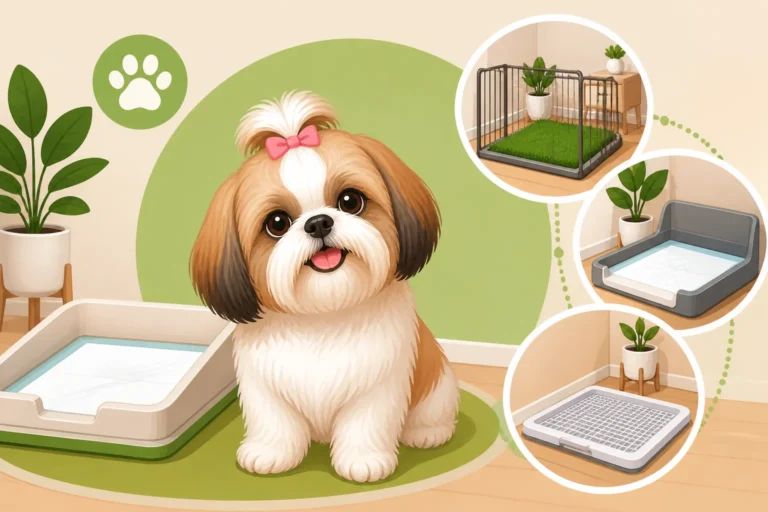
The key to success here is consistency, vigilance, and setting them up for success. Take them out very frequently, especially after waking, eating, and playing. Reward lavishly when they go outside. Consider an indoor potty setup, like potty pads or an indoor grass patch, especially if you live in a high-rise or a cold climate. If you opt for pads, place them strategically and gradually move them closer to the door. Crate training can also be incredibly helpful, as dogs are naturally inclined not to soil their sleeping area. Look into Setting Up a Crate a Shih Tzu Will Enter for tips. Remember, patience is paramount; it will click, but it might take longer than with other breeds.
Grooming Cooperation Challenges
The Shih Tzu's magnificent double coat is one of its most defining features, but it also presents a significant training challenge. Daily brushing is often necessary to prevent painful mats, and regular face trims and eye wiping are essential for their health and comfort. Getting a wiggly, sensitive puppy to tolerate these procedures can feel like a wrestling match. Many owners struggle with getting their Shih Tzu to sit still for even a quick brush, let alone a full grooming session.
The solution starts early and with positive experiences. Introduce brushes, combs, and clippers (even if just the sound) from day one, associating them with treats and praise. Make it a game, not a chore. Practice handling their paws, ears, and mouth gently, rewarding their calm acceptance. Start with very short sessions – literally a few seconds – and gradually increase the duration as they become more comfortable. Using a grooming table can also help, as it elevates them and defines the "work" space. For specific grooming tips, check out Getting a Shih Tzu Used to a Slicker Brush. If you are looking for appropriate tools to make grooming easier, a good slicker brush and metal comb can be found on Amazon.
Leash Walking and Outdoor Manners
While Shih Tzus don't need marathon runs, they do benefit from regular, short walks for exercise, socialization, and mental stimulation. However, many owners find leash training to be a struggle. They might pull, refuse to budge, get distracted by every leaf, or simply plop down and refuse to move. Their brachycephalic (flat) face also means they can overheat easily and should never be walked on a collar, which can restrict their breathing. This leads many owners to ask Why a Shih Tzu Should Wear a Harness Not a Collar.
The key to successful leash manners is to make walks enjoyable and safe. Start with a well-fitting harness that doesn't put pressure on their neck. Begin leash training indoors, letting them drag the leash and then practicing short walks with treats as a reward for moving forward with you. Gradually move to a quiet outdoor area, keeping initial walks very short and positive. If they stop, lure them gently with a treat, or simply wait them out without yanking. Walking a Shih Tzu in Warm Weather is also a consideration; planning walks for cooler times of day is crucial. Consistency and positive reinforcement will eventually teach them that walking politely by your side leads to more adventures and rewards.
Strategies for Successful Shih Tzu Training
Training a Shih Tzu is absolutely achievable, and many go on to be wonderfully behaved, well-adjusted companions. The secret lies in adopting strategies that cater to their unique personality and needs.
The Importance of Early and Consistent Socialization
Socialization is perhaps one of the most critical aspects of raising a well-adjusted Shih Tzu. Their "lap dog" nature can sometimes lead to them being over-protected or isolated, which can result in fearfulness, anxiety, or reactivity later in life. Exposing your Shih Tzu puppy to a wide variety of sights, sounds, people, and other friendly dogs during their critical socialization window (typically up to 16 weeks of age) is vital.
This isn't just about meeting other dogs; it's about positive exposure to everything the world has to offer, from bustling street noises to different surfaces, car rides, and being gently handled by strangers. Make every new experience positive and non-threatening, always ensuring they feel safe and secure. A well-socialized Shih Tzu is more confident, less prone to fear-based behaviors, and generally more adaptable, which makes all other training easier. Even if you have an older adopted Shih Tzu, it's never too late to work on positive socialization, albeit at a slower, more controlled pace. Knowing The Shih Tzu Socialization Deadline is essential for puppy owners.
Keeping Training Sessions Engaging and Short
Shih Tzus, with their short attention spans and comfort-loving tendencies, are not designed for long, repetitive training drills. They'll quickly lose interest, become bored, or decide there's something more fun to do. The most effective training sessions are short, sweet, and packed with fun. Think of them as mini-games rather than formal lessons.
Aim for 5-10 minute sessions, a few times a day, rather than one long 30-minute session. Keep the energy high, use enthusiastic praise, and always end on a positive note, even if it's just for a simple "sit." Rotate through different commands and tricks to keep them mentally stimulated and prevent boredom. This approach aligns perfectly with their desire for interaction and makes training an enjoyable bonding experience. Using high-value, small treats (you can find a wide variety of suitable treats on Amazon) that they adore will keep them engaged. You can learn more about this approach by reading Five Minute Sessions With a Shih Tzu.
Professional Help and Resources
Sometimes, despite your best efforts, you might encounter specific training challenges that feel overwhelming. This is absolutely normal, and there's no shame in seeking professional guidance. A qualified dog trainer or behaviorist can offer tailored advice, help you understand your Shih Tzu's motivations, and teach you effective techniques for addressing particular issues, whether it's persistent house training struggles, barking, or leash reactivity.
Look for trainers who use positive reinforcement methods and have experience with toy breeds, as their needs can differ from larger dogs. Group puppy classes can be fantastic for socialization and basic obedience, while private sessions might be better for specific behavioral concerns. There are also many excellent online resources, like the BAXTER & Bella online puppy school, which can provide structured training programs and support from the comfort of your home. A good trainer doesn't just train your dog; they train you to be a more effective communicator with your furry friend. Consider exploring Finding a Trainer Who Understands Toy Breeds to ensure you find the right fit.
Here's a quick overview of common training areas and what to expect:
| Training Area | Common Shih Tzu Challenge | Best Approach | Key to Success |
|---|---|---|---|
| House Training | Small bladder, preference for indoors, subtle cues | Frequent potty breaks, crate training, lavish rewards | Consistency, patience, setting up for success |
| Grooming | Wiggling, biting, discomfort with handling | Early introduction, positive association, short sessions | Gentle handling, high-value treats, gradual exposure |
| Leash Walking | Pulling, stopping, fear of outdoors, overheating | Harness over collar, indoor practice, short positive walks | Safety, positive reinforcement, appropriate gear |
| Basic Obedience | "Selective hearing," easily distracted | Short, fun sessions, high-value rewards, clear cues | Motivation, consistency, making it a game |
| Socialization | Over-protection, potential fearfulness | Early, positive exposure to diverse stimuli, people, dogs | Wide exposure, safe environments, positive experiences |
Setting Realistic Expectations
Ultimately, the question of whether a Shih Tzu is "hard to train" really boils down to your expectations. If you're looking for a dog that will instantly heel perfectly or perform complex agility routines without extensive effort, you might find the Shih Tzu challenging. However, if you're prepared to embrace their unique personality, use gentle, positive methods, and understand their motivations, you'll find them to be incredibly rewarding companions.
Every Dog Is an Individual
Just like people, every Shih Tzu has its own personality, learning style, and quirks. While the breed shares common traits, one Shih Tzu might pick up house training in weeks, while another might take months. One might be a natural at tricks, while another prefers to just cuddle. It's crucial not to compare your Shih Tzu to others or to other breeds. What works for one dog might not work for another, even within the same litter.
Celebrate your dog's individual strengths and be patient with their weaknesses. Adjust your training methods to suit their pace and personality. Acknowledging their individuality means you can tailor your approach, making training a much more enjoyable and successful experience for both of you. Don't fall into the trap of thinking your dog is "broken" if they don't conform to some ideal; they're just being themselves.
Long-Term Commitment, Lifelong Rewards
Training a Shih Tzu isn't a one-and-done event; it's an ongoing journey. Basic obedience, house manners, and grooming tolerance are foundational, but continuous reinforcement and mental stimulation are important throughout their lives. Even an older Shih Tzu can learn new things and benefit from engaging with you. This can include learning a The Handful of Cues a Shih Tzu Really Needs or engaging with puzzle toys to keep their minds sharp.
The rewards of this commitment are immense. A well-trained Shih Tzu is a joy to live with – a confident, happy, and polite companion who enhances your life in countless ways. They might be small, but their personalities are huge, and with the right guidance, they can become incredibly well-mannered and cherished family members. It takes dedication, understanding, and a whole lot of love, but the bond you build and the positive behaviors you foster will last a lifetime.
Disclaimer
This article is for general informational purposes only and does not constitute professional advice. Laws, prices and regulations vary by location and change over time. Consult a qualified professional for guidance on your specific situation.