A Shih Tzu Puppy Mouthing at Hands
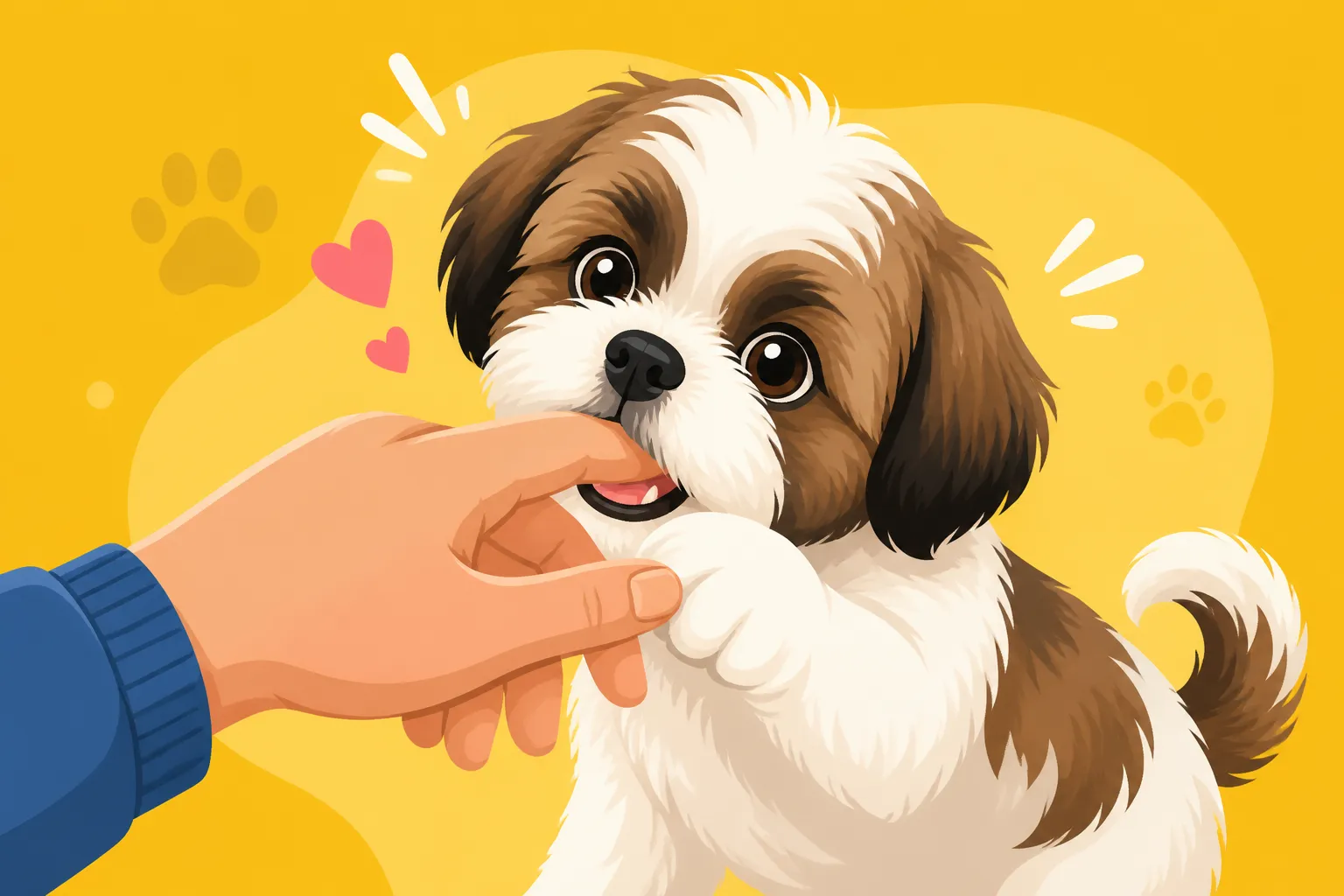
Bringing home a tiny Shih Tzu puppy is a whirlwind of joy, cuddles, and sometimes, a surprisingly sharp set of needle-like teeth finding their way to your hands, ankles, or even your nose! It's a common, if often painful, phase that many new Shih Tzu parents face, leaving them wondering if their sweet little lion dog will ever learn to be gentle. This comprehensive guide is here to walk you through understanding why your Shih Tzu puppy is mouthing, and more importantly, how to redirect that behavior effectively and kindly so you can enjoy snuggle time without the nips.
Understanding Why Shih Tzu Puppies Mouth
It's easy to take your puppy's mouthing personally, thinking they're being aggressive or intentionally naughty. But for a Shih Tzu puppy, mouthing is a completely natural, instinctual behavior rooted in several developmental stages and communication methods. Understanding these reasons is the first step toward gently guiding them toward more appropriate interactions. It’s not about them trying to hurt you; it’s about them trying to figure out their world.
Puppy Teething and Exploration
Just like human babies, Shih Tzu puppies go through a significant teething phase. Their sharp puppy teeth erupt, then fall out to make way for adult teeth, which can be an uncomfortable process. During this time, they have a strong urge to chew and mouth anything and everything to relieve the pressure and discomfort in their gums. Your hands, fingers, and even your clothes can become irresistible targets for this natural instinct. They don't yet understand the difference between a chew toy and your favorite sweater, or your hand and a sibling's ear. This is just how they explore their environment and find relief.
Beyond teething, mouthing is also a primary way puppies explore the world around them. They don't have hands to pick things up and examine them; instead, they use their mouths. Every new texture, every new object, every new person is a potential candidate for a good chew or a gentle mouth to gather information. This is perfectly normal behavior for a young canine, and it's up to us, their human companions, to teach them what's okay to mouth and what isn't. Remember, your puppy's tiny mouth is their main sensory organ for understanding their new home and its inhabitants.
Communication and Play Behavior
Mouthing is also a crucial part of how puppies communicate and play with their littermates. When puppies play, they mouth and nip each other. When one puppy bites too hard, the other will yelp, and the play will momentarily stop, teaching the biting puppy about bite inhibition—how much pressure is too much. This is a vital lesson they learn from their siblings and mother. However, when a Shih Tzu puppy comes to live with humans, they often miss out on the final stages of this natural learning process from their peers.
Furthermore, mouthing can be an invitation to play. A gentle nip might be your puppy's way of saying, "Hey, let's wrestle!" or "I'm bored, interact with me!" They don't have words, so they use the tools nature gave them. It's important to differentiate between playful mouthing and true aggression, though true aggression in a young puppy is rare. Most often, it's an exuberant attempt at engagement, a demand for attention, or a simple expression of their desire to interact with you, just as they would with another puppy. Recognizing this helps us respond appropriately without fear or frustration. Shih Tzu Puppy Nipping at Fingers is a common problem.
Lack of Bite Inhibition
Perhaps the most important reason for excessive mouthing in a Shih Tzu puppy is a lack of bite inhibition. As mentioned, puppies learn this from their littermates. If a puppy is removed from its litter too early, or if the mother dog isn't strict in teaching manners, the puppy might not fully develop this crucial skill. Bite inhibition means the dog learns to control the force of its bite, understanding that a gentle mouth is acceptable, but a hard bite is not.
When your puppy mouths your hands, they might not realize how much pressure they are applying. Their skin is much thicker than ours, and what feels like a gentle nudge to them might be quite painful to us. Our job is to bridge this gap in understanding by consistently teaching them that human skin is delicate and even a little pressure from their teeth is unacceptable. This isn't about stopping them from using their mouths entirely, but rather teaching them how to use their mouths appropriately around people. It's a fundamental lesson that will serve them, and you, for their entire life.
Gentle Strategies to Discourage Mouthing
Dealing with a nippy Shih Tzu puppy can test your patience, but it’s crucial to approach training with kindness and consistency. Harsh punishments can damage your bond and make the problem worse. Instead, we want to teach them what to do rather than just punishing what they shouldn't do. These gentle, positive reinforcement methods are highly effective for sensitive breeds like the Shih Tzu.
The "Yelp and Ignore" Method
This classic method mimics how puppies teach each other bite inhibition. When your Shih Tzu puppy mouths your hand and applies too much pressure, let out a high-pitched "yelp" or "ouch!" immediately. This should be a sudden, sharp sound, like a puppy would make. The key is to make it sound genuinely painful, even if it wasn't that bad. The moment you yelp, immediately withdraw your hand and stop all interaction. Turn your back, walk away, or even leave the room for 10-20 seconds. This is your puppy's consequence: the fun stops when the teeth come out too hard.
The crucial part of this method is its consistency. Every single time your puppy bites too hard, you must yelp and withdraw. Don't engage further. Don't scold or punish. Just remove the attention and interaction they crave. After a short period of ignoring, you can return and calmly resume play. If the mouthing starts again, repeat the process. Your Shih Tzu will quickly learn that a hard bite means the game is over and they lose your attention, which is often the most valuable thing to them. This helps them understand the concept of Giving a Shih Tzu a Way to Say No in a polite manner.
Redirection with Appropriate Chew Toys
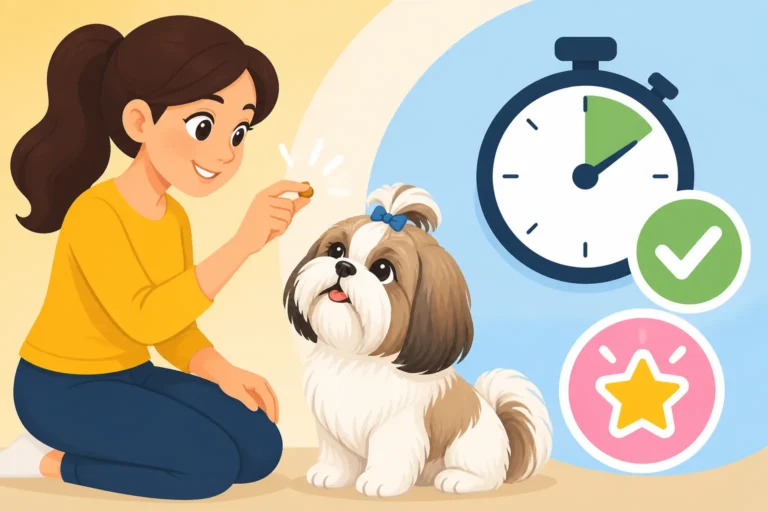
One of the most effective ways to manage mouthing is to redirect your Shih Tzu puppy's natural chewing instincts onto acceptable objects. Always have a variety of puppy-safe chew toys readily available. When your puppy starts to mouth your hands or clothing, immediately offer them a toy instead. Engage them with the toy, making it more interesting than your fingers. Praise them enthusiastically when they chew on the toy.
Choose toys that are appropriate for their size and chewing intensity. For a Shih Tzu, softer rubber toys, rope toys, or even frozen puppy-safe teething toys can be very appealing. The texture and coolness can be especially soothing for teething gums. Keep a stash of these toys within easy reach in every room where you spend time with your puppy. If you constantly offer an enticing alternative, your puppy will learn to associate appropriate items with chewing pleasure, rather than your skin. This is a great time to explore options on platforms like Amazon for a wide selection of suitable toys.
Consistency is Key
I cannot stress this enough: consistency is absolutely paramount when training a Shih Tzu puppy. Every member of the household must be on the same page regarding how to respond to mouthing. If one person allows light mouthing, while another yelps and withdraws, your puppy will become confused and the training will be much slower, if not ineffective. Establish clear rules and ensure everyone, from adults to older children, adheres to them without fail.
This also means being consistent in your efforts over time. Training a puppy takes patience and dedication. You won't solve mouthing in a day or even a week. It's a gradual process that requires repeated lessons. Some days will feel like two steps forward, one step back. Don't get discouraged! Celebrate the small victories, like a session where your puppy only chewed their toy, and gently redirect during the setbacks. With consistent, gentle guidance, your Shih Tzu puppy will learn those vital bite inhibition skills and grow into a polite companion. What Motivates a Shih Tzu to Work is often praise and attention, so use it generously when they get it right.
Using Tools and Resources to Help
While direct training methods are the cornerstone of teaching bite inhibition, there are also various tools and resources that can supplement your efforts. These can provide temporary solutions, additional enrichment, or structured guidance to help you and your Shih Tzu puppy navigate the mouthing phase more smoothly.
Bitter Sprays and Barrier Training
Sometimes, redirection isn't enough, especially if your Shih Tzu puppy is fixated on a particular item, like furniture legs or your slippers. In these cases, bitter-tasting sprays can be a deterrent. These sprays contain a safe, unpalatable substance that makes objects taste awful to puppies. You can apply them to items you don't want your puppy to chew on. When your puppy attempts to mouth the object, the bitter taste will discourage them, creating a negative association without you having to intervene directly.
It's important to test the spray on an inconspicuous area first to ensure it doesn't stain or damage the item. Also, remember that bitter sprays are a deterrent, not a solution. They should always be used in conjunction with redirection and providing appropriate chew toys. Think of them as a temporary aid to protect your belongings while your puppy is learning. Another form of barrier training might involve using a playpen or baby gates to temporarily restrict access to areas where your puppy tends to mouth inappropriate items, giving you more control over their environment and chewing opportunities.
Enrichment Toys and Puzzle Feeders
A bored Shih Tzu puppy is often a destructive or mouthy Shih Tzu puppy. Providing mental stimulation through enrichment toys and puzzle feeders can significantly reduce unwanted mouthing behaviors. These toys require your puppy to think and work to get a treat or their kibble, engaging their minds and tiring them out in a positive way. When a puppy's brain is working, their mouth is less likely to be inappropriately occupied.
There's a vast array of puzzle feeders available, from simple treat-dispensing balls to more complex toys that require multiple steps to access food. You can find many options on platforms like Amazon that are suitable for small breeds like the Shih Tzu. Filling these with a portion of their daily kibble makes mealtime a fun challenge rather than just a quick eat. This engagement satisfies their natural urges to forage and problem-solve, directing their energy away from your hands. Puzzle Feeders a Shih Tzu Can Work are a great way to keep them occupied.
Online Training Programs
Sometimes, despite your best efforts, you might feel like you're not making progress or that you need more structured guidance. This is where online puppy training programs can be incredibly valuable. These programs often provide step-by-step videos, printable guides, and expert advice, allowing you to learn and train at your own pace from the comfort of your home. They can offer a comprehensive curriculum that covers not just mouthing, but all aspects of puppy behavior and training.
One popular online program that many new puppy owners find helpful is BAXTER & Bella. They offer a lifetime membership that provides extensive resources, live Q&A sessions, and personalized support. Such programs can be a fantastic investment, providing you with the tools and confidence to tackle mouthing and other puppy challenges effectively. A good program will emphasize positive reinforcement and help you understand the nuances of canine behavior, which is especially beneficial for a first-time Shih Tzu owner. Finding a Trainer Who Understands Toy Breeds is important, and online resources can bridge that gap.
| Method | Description | Pros | Cons |
|---|---|---|---|
| Yelp and Ignore | Mimics natural puppy communication; when puppy bites too hard, make a sharp yelp/sound, immediately withdraw attention for 10-20 seconds. | Teaches bite inhibition naturally; no harsh punishment; effective for most puppies. | Requires strict consistency from all family members; can be challenging if puppy is overly persistent or attention-seeking; needs repetition. |
| Redirection with Toys | When puppy mouths hands, immediately offer an appropriate chew toy instead. Praise when they chew the toy. | Channels natural chewing instincts positively; provides appropriate outlets; reinforces good behavior. | Requires constant vigilance and having suitable toys readily available; some puppies might prefer hands over toys initially; needs to be more exciting than your hands. |
| Bitter Sprays | Apply a safe, bitter-tasting spray to items you don't want your puppy to chew. | Deters chewing on specific inappropriate items; provides a "hands-off" correction. | Not a training solution, only a deterrent; must be used with redirection; some puppies tolerate the taste; may stain some materials (test first). |
| Enrichment/Puzzle Toys | Provide toys that dispense treats or require problem-solving to engage your puppy mentally. | Reduces boredom and associated unwanted behaviors; provides mental stimulation; makes mealtime interactive. | Can be expensive to acquire a variety; some puppies solve them too quickly; may not be suitable for all meal types (e.g., wet food). |
| Online Training Programs | Structured, step-by-step video courses and expert support, often with live Q&A sessions. | Comprehensive guidance from experts; allows self-paced learning; accessible from home; often includes a wider range of training topics. | Requires self-discipline to follow through; may involve a membership fee; lacks direct, in-person interaction for personalized adjustments; internet access required. |
Addressing More Persistent Mouthing
While the gentle strategies mentioned above work for most Shih Tzu puppies, some may exhibit more persistent or intense mouthing. It can feel incredibly frustrating when you've been consistent, and your puppy still seems determined to use your hands as a chew toy. If you're finding that your puppy's mouthing isn't improving, or perhaps even escalating, it's time to dig a little deeper into the potential underlying causes and consider additional steps.
When to Seek Professional Help
If you've consistently applied the "yelp and ignore" method, offered plenty of appropriate chew toys, and utilized enrichment, but your Shih Tzu puppy's mouthing remains excessively hard, frequent, or seems to be accompanied by other concerning behaviors (like growling or snapping when redirected, or inability to calm down), it might be time to consult a professional dog trainer or a veterinary behaviorist. These experts can assess your puppy's specific situation, identify any underlying issues, and develop a tailored training plan.
A professional can observe your interactions with your puppy and pinpoint subtle cues or mistakes you might be making inadvertently. They can also rule out any medical reasons for the behavior, such as pain from teething or other discomforts. Sometimes, what appears to be simple mouthing can be a symptom of frustration, anxiety, or even early resource guarding, which requires a specialized approach. Early intervention is always best, so don't hesitate to reach out if you're struggling. Finding a Trainer for a Toy Breed is essential for tailored advice.
Managing Over-Excitement and Fatigue
Shih Tzu puppies, like all puppies, can become overtired or overstimulated, leading to an increase in undesirable behaviors, including mouthing. Imagine a toddler who's missed their nap – they're often cranky, whiny, and more prone to tantrums. Puppies are much the same. An over-excited puppy might find it harder to control their impulses, leading to harder, faster nips, while an overtired puppy might resort to mouthing as a way to self-soothe or express discomfort.
It’s important to recognize the signs of over-excitement or fatigue in your Shih Tzu. These can include frantic play, zoomies (sudden bursts of running), increased barking, or, yes, more intense mouthing. Schedule regular enforced naps for your puppy, especially after periods of play or training. A cozy crate or quiet designated area can be a sanctuary for them to decompress. Aim for a good balance of play, training, and rest throughout the day. When you see the signs of them getting "over the top," gently guide them to their quiet space for a timeout before the mouthing escalates.
Socialization for Better Bite Inhibition
While you are teaching your Shih Tzu puppy bite inhibition at home, appropriate socialization with other well-mannered dogs can also play a significant role. When puppies play together, they continue to refine their bite inhibition skills through mutual correction. A puppy that bites too hard will likely get a yelp or a snarl from its playmate, providing a lesson that humans can't perfectly replicate.
Seek out puppy classes or organized puppy playdates with vaccinated, friendly dogs. Ensure the play is supervised to prevent any negative experiences. Observing your Shih Tzu interact with other dogs can also give you insights into their play style and how they communicate. However, it’s crucial to select playmates carefully; a boisterous large dog could accidentally injure a small Shih Tzu. Focus on controlled, positive interactions with dogs that have good bite inhibition themselves, allowing your Shih Tzu to learn from their peers. Puppy Classes That Suit a Shih Tzu can be invaluable for this.
Common Mistakes Owners Make
It’s easy to inadvertently make mistakes when training a Shih Tzu puppy, especially when dealing with frustrating behaviors like mouthing. These mistakes often stem from a lack of understanding of puppy behavior or from misinterpreting a puppy’s actions. Being aware of these common pitfalls can help you avoid them and make your training journey much more effective and enjoyable for both you and your furry friend.
Punishing Too Harshly
One of the most common and detrimental mistakes is punishing a Shih Tzu puppy too harshly for mouthing. This can include yelling, smacking their nose, or holding their mouth shut. While these actions might stop the mouthing in the short term, they are incredibly damaging to your relationship with your puppy. Shih Tzus are sensitive dogs, and harsh corrections can make them fearful, anxious, or even aggressive. They might learn to fear your hands, which can lead to them snapping out of fear rather than communicating.
Instead of teaching them to be gentle, harsh punishment teaches them to distrust you. It can also suppress the behavior when you are around but cause them to lash out or become fearful in other situations. The goal is to teach your puppy what to do (mouth toys, be gentle with hands), not just what not to do. Positive reinforcement, redirection, and the "yelp and ignore" method are far more effective and humane ways to teach bite inhibition without breaking your puppy’s spirit or your bond. Why Harsh Corrections Shut a Shih Tzu Down is a topic every owner should understand.
Inadvertently Encouraging Mouthing
Sometimes, without realizing it, owners can actually encourage their Shih Tzu puppy's mouthing. This often happens during playtime when owners roughhouse with their puppy using their hands, letting them mouth and nip during play. While it might seem harmless fun when they're tiny, it sends mixed signals. Your puppy learns that hands are toys to be bitten, making it much harder for them to understand that this behavior is sometimes off-limits.
Another common way to inadvertently encourage mouthing is by giving attention (even negative attention like scolding) when the puppy nips. For an attention-seeking Shih Tzu, any attention is good attention. If they nip and you yell, "No!" or push them away, they've still achieved their goal of getting you to interact with them. Always redirect to a toy or remove attention completely. Avoid games that involve wrestling with your bare hands; instead, use toys like flirt poles or rope tugs to engage in appropriate play.
Giving Up Too Soon
Puppy training is a marathon, not a sprint. Many owners become frustrated and give up too soon when their Shih Tzu puppy's mouthing doesn't resolve itself immediately. They might try a method for a few days, not see dramatic results, and then switch to another, or worse, give up entirely. This inconsistency is confusing for the puppy and undermines any progress that might have been made.
Remember that puppies learn through repetition and consistency over time. There will be good days and bad days. Some puppies learn faster than others. Your Shih Tzu needs you to be patient, persistent, and understanding throughout this developmental stage. Keep reinforcing the good behaviors, keep redirecting, and keep managing their environment. Celebrate small victories and remind yourself that every gentle interaction is a step forward. Your dedication will pay off with a well-mannered adult Shih Tzu who knows how to use its mouth appropriately. It takes time, but your little lion dog is worth every bit of effort.
Disclaimer
This article is for general informational purposes only and does not constitute professional advice. Laws, prices and regulations vary by location and change over time. Consult a qualified professional for guidance on your specific situation.