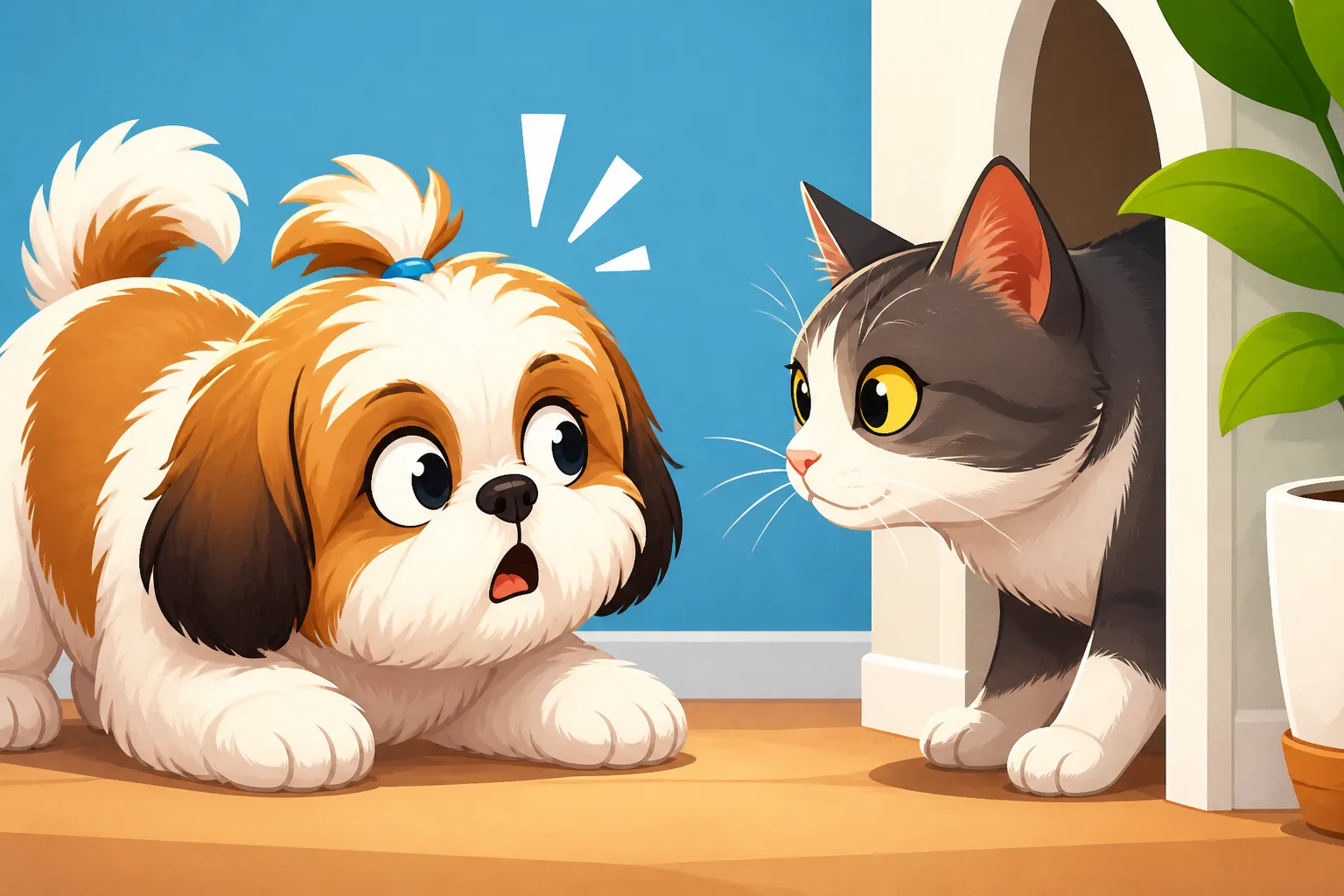
A Shih Tzu Meeting the Cat for the First Time
Bringing a new furry family member into a home that already has a cat is often a picture many of us dream of – a cozy scene with a tiny Shih Tzu curled up with a sleek feline, perhaps even sharing a sunbeam. But the reality can sometimes be a bit more complicated, filled with hisses, barks, and wary glances, leaving you feeling frustrated and unsure how to bridge the divide. This guide will walk you through the careful, step-by-step process of introducing your sweet Shih Tzu to your resident cat, focusing on safety, managing expectations, and fostering a peaceful coexistence for everyone.
Understanding Your Shih Tzu and Your Cat
Before you even think about letting them share the same air, it’s crucial to understand the fundamental differences and similarities between your Shih Tzu and your cat. Their natural instincts and communication styles are vastly different, and recognizing this is the first step toward a successful introduction.
The Shih Tzu's Natural Instincts
Our beloved Shih Tzus were bred for companionship, designed to be charming lap dogs, not hunters. Their primary instinct is usually to be close to their people, offering affection and receiving it in return. This generally means they aren't inherently aggressive, but don't mistake their small size for a complete lack of drive. A young, energetic Shih Tzu puppy might see a scampering cat as a fun, moving toy, triggering a chase instinct. They might interpret a cat’s playful swat as an invitation to engage, or simply be so overwhelmed with excitement that they don't pick up on subtle feline cues.
Their outgoing and often boisterous nature can be a bit much for a more reserved cat. While they usually carry little to no genuine prey drive towards an adult cat, especially if the cat stands its ground, their sheer enthusiasm can be intimidating. It's not uncommon for a Shih Tzu, especially when young, to be a little too curious, pushing boundaries and trying to get a sniff or a lick, which can quickly overwhelm a sensitive cat. This is why careful management, rather than assuming they’ll just ‘figure it out,’ is absolutely essential for their safety and the cat’s comfort.
The Cat's Perspective: Territory and Safety
Cats, on the other hand, are often highly territorial creatures, valuing their personal space and routine above almost anything else. Their world revolves around established comfort zones, elevated perches, and predictable environments. The sudden appearance of a small, fluffy, and potentially noisy dog can be a massive disruption to their sense of security. A cat might perceive a new dog, regardless of its size, as a predator or at least a significant threat to its resources and safety.
Cats communicate primarily through body language and subtle cues that dogs often miss. A flattened ear, a twitching tail, slow blinking, or a stiff posture are all important signals that your cat might be sending, indicating unease, fear, or irritation. If these signals are ignored, a cat's next step might be to hiss, swat, or even flee, all of which can either scare your Shih Tzu or, ironically, make them more interested in chasing. Providing your cat with ample escape routes and high perches where they can observe from a safe distance is critical. They need to feel like they are in control of the situation and can retreat whenever they feel threatened or overwhelmed.
Setting Realistic Expectations
It’s completely normal to dream of your Shih Tzu and cat becoming best friends, grooming each other and napping together. However, it's vital to set realistic expectations right from the start. Not every Shih Tzu and cat will become bosom buddies, and that's okay. Your primary goal should be to achieve peaceful coexistence, where both pets can comfortably share the home without undue stress or aggression. They might tolerate each other, they might ignore each other, or they might even develop a grudging respect. True friendship is a bonus, not a guarantee.
Understanding that a gradual introduction focused on positive experiences, respectful boundaries, and constant supervision is the key to success. Don't rush the process, and be prepared for setbacks. Some introductions can take weeks, even months, particularly if one or both animals have had negative experiences with the other species in the past. Remember, you are aiming for a truce, and anything beyond that is simply icing on the cake. Patience is your most powerful tool in this delicate dance.
Pre-Introduction Preparations: Setting the Stage for Success
The groundwork you lay before your Shih Tzu and cat ever truly meet will dictate much of their future relationship. This isn't just about putting them in the same room; it's about carefully managing their environment, their experiences, and their perceptions of each other.
Creating Safe Zones for Both Pets
Before the Shih Tzu even crosses the threshold, dedicate distinct "safe zones" for each animal. For your cat, this means ensuring plenty of vertical space. Cats love to be high up, where they can observe their surroundings without feeling vulnerable. Consider cat trees, wall shelves, or even clear counter space (if you’re okay with that). These elevated perches allow your cat to retreat and feel secure, knowing they can escape any unwanted attention from the new canine resident. They'll appreciate multiple escape routes and places where the dog simply cannot reach them.
For your Shih Tzu, a crate or an exercise pen is invaluable. This isn't just for house training; it becomes their sanctuary, a place where they can relax without being bothered, and also a controlled environment during introductions. Placing baby gates (you can find a wide variety on Amazon) across doorways can help you separate areas of the house, giving both pets their own territory. This prevents unsupervised encounters and allows you to manage the pace of their introduction. Each animal should have their own food and water bowls, ideally in their respective safe zones, to prevent any resource guarding or competition. Ensuring they each have their own bed or blanket in their designated safe space will further solidify their sense of security.
Scent Swapping: The First "Hello"
Long before your Shih Tzu and cat lay eyes on each other, they can get acquainted through scent. Scent is incredibly important to animals, providing a wealth of information. To begin, gently rub a small cloth or an old sock on your Shih Tzu, focusing on their cheeks and sides where scent glands are prominent. Then, place this scent-infused cloth near your cat’s food bowl or resting area. Observe your cat’s reaction. Are they curious? Indifferent? Hissing? Repeat the process, but this time rub the cloth on your cat and place it in your Shih Tzu’s area.
Continue this scent swapping for a few days, gradually increasing the exposure. If both pets react calmly (sniffing, rubbing on the cloth, or ignoring it), you can try placing the cloth directly in their beds. This process allows them to learn about each other in a low-stress environment, associating the other’s scent with neutral or even positive experiences (like mealtime or resting). It primes them for the eventual visual meeting, making the new smell less startling and more familiar. This gentle, indirect introduction helps to build a foundation of acceptance without the pressure of a face-to-face meeting.
Ensuring Your Shih Tzu's Training Foundation
A well-behaved Shih Tzu is crucial for a smooth introduction with a cat. Commands like "sit," "stay," "come," and especially "leave it" and "off" will be your best friends during this process. Imagine your Shih Tzu excitedly chasing your cat – a solid "leave it" could prevent a stressful situation or even an injury. If your Shih Tzu is still a puppy, now is the time to really focus on Shih Tzu Puppy Training Month by Month. Even adult Shih Tzus can benefit from a refresher course.
Positive reinforcement methods are incredibly effective for Shih Tzus. They thrive on praise and tasty treats. If you're looking for guidance, resources like BAXTER & Bella offer online puppy and dog training programs that emphasize positive methods and can help you build this essential foundation. Practice these commands in various environments, increasing distractions gradually. Being able to confidently control your Shih Tzu's movements and attention will be paramount when they're in the same room as the cat. A Shih Tzu that understands and responds to commands gives your cat a greater sense of security, knowing that you can intervene and manage your dog’s enthusiasm. Remember, calm, consistent training will make your job much easier and the introduction far less stressful for everyone involved.
The Controlled Introduction: Steps for a Calm Meeting
Once you’ve prepped your home and your pets through scent swapping and training, it’s time for the actual, supervised introduction. This should always be done in stages, prioritizing safety and positive associations above all else.
Visual Contact, No Physical Interaction
The very first visual encounter should be a controlled one, with no opportunity for physical interaction. A good way to do this is by using a baby gate or a glass door that allows them to see each other but keeps them safely separated. You could also have your Shih Tzu on a leash, securely held by you, while the cat observes from a distance or from a high perch. The goal here is for them to simply become aware of each other’s presence without the pressure of direct contact.
Keep these initial visual sessions very short – just a few minutes at first. During this time, reward both your Shih Tzu and your cat for calm behavior. If your Shih Tzu remains calm, looking at the cat but not lunging or barking, offer a high-value treat. If your cat observes from its perch without hissing or growling, offer a treat. If either animal shows signs of stress (hissing, growling, excessive barking, lunging, tail tucked, ears flattened), calmly end the session and try again later. It's better to have many short, positive encounters than one long, stressful one. Never force interaction, and always ensure your cat has an easy escape route. If your Shih Tzu gets too excited, gently redirect their attention with a toy or a simple command like "sit" or "stay," rewarding them for compliance.
Gradual Supervised Interactions
Once visual introductions are consistently calm, you can move to supervised, limited physical interaction, always with a barrier initially. This might mean your Shih Tzu is in their crate while the cat is free to roam the room, or your Shih Tzu is on a leash while the cat investigates from a distance. Again, keep these sessions brief and positive. Have high-value treats ready for both animals. When they are calm in each other's presence, reward them. For example, if your Shih Tzu lies down quietly while the cat walks by, shower them with praise and a small treat. If your cat cautiously approaches the crate or observes without fear, reward them.
The key here is gradual desensitization. Never leave them unsupervised until you are absolutely certain they are comfortable and safe together. If you notice any signs of tension – stiff body language, staring, growling, hissing – calmly separate them and try again later. You can try feeding them on opposite sides of a baby gate, slowly moving their bowls closer over several days, so they associate each other’s presence with the positive experience of eating. The purpose is to teach them that the other animal’s presence means good things happen, rather than something to be feared or chased. Remember to keep sessions focused on Positive Reinforcement With a Shih Tzu to build good associations.
Managing Energy Levels and Excitement
Shih Tzus, especially young ones, can be bundles of energy. This exuberance, while adorable, can be overwhelming for a cat. Before any interaction, make sure your Shih Tzu has had some exercise. A good walk or an indoor play session can help burn off excess energy, making them calmer and more receptive during the introduction. A tired dog is often a good dog.
Similarly, consider your cat's energy levels. If your cat is particularly playful or stressed, a focused play session with a wand toy or laser pointer before an introduction can help them release some tension or pent-up energy. During the actual introduction, if your Shih Tzu starts to get too excited, redirect their attention immediately. A quick game of fetch with a favorite toy, a brief training command like "down," or simply calling them to your side for a cuddle can shift their focus away from the cat. The goal is to keep the energy low and positive. If the environment becomes too stimulating for either pet, it's a sign to end the session and try again when things are calmer. This careful management prevents either animal from feeling overwhelmed or threatened.
Common Challenges and How to Address Them
Even with the best intentions and preparations, introductions between a Shih Tzu and a cat can hit snags. Knowing how to troubleshoot common issues can prevent minor setbacks from becoming major problems.
The Overly Enthusiastic Shih Tzu
It’s often the case that the little Shih Tzu, with their boundless charm and desire for attention, is the one pushing the boundaries. An overly enthusiastic Shih Tzu might bark, lunge, or constantly try to solicit play from a cat that clearly isn't interested. This can be incredibly stressful for your feline friend and even lead to them feeling cornered or acting defensively.
If your Shih Tzu is the instigator, focus intensely on their impulse control training. Commands like "leave it" and "stay" become paramount. Practice these away from the cat, then gradually introduce the cat's presence at a distance while practicing. Reward heavily when your Shih Tzu ignores the cat or remains calm. Use a leash during initial free-roaming sessions to provide immediate, gentle correction if they start to chase or harass the cat. Redirection is also key: if your Shih Tzu focuses too intently on the cat, immediately call their name and get them interested in a favorite toy or a quick training exercise with high-value treats. You can find small, palatable options for Treats Small Enough for a Shih Tzu Session. Consistent, calm management and rewarding calm behavior will slowly teach your Shih Tzu that relaxed coexistence earns them good things, while pestering the cat does not.
The Fearful or Aggressive Cat
Sometimes, the challenge comes from the feline side. A fearful cat might hide constantly, refuse to eat, or show signs of stress like excessive grooming or litter box avoidance. An aggressive cat might hiss, growl, swat, or even stalk the Shih Tzu. Recognizing these signs is crucial for your cat’s well-being and the Shih Tzu’s safety.
If your cat is showing fear or aggression, you need to slow down the introduction process significantly, or even take a step back. Ensure your cat has plenty of safe, inaccessible retreats, especially vertical spaces. Do not force interaction. Continue with scent swapping and feeding them on opposite sides of a door. If the cat is aggressive, never allow unsupervised interaction. You might need to make their world temporarily smaller, ensuring they feel completely secure in their own designated areas. Consider calming diffusers or sprays that can help reduce feline stress. For an aggressive cat, it's about building positive associations from a distance. Only when your cat shows consistent calm (e.g., eating normally, no hiding, no aggression towards the scent cloth) should you try short, controlled visual sessions again. Remember, the cat needs to feel safe, not threatened.
When Things Aren't Going Smoothly
There will be days when it feels like you're taking two steps back for every step forward. Perhaps a previously calm interaction suddenly devolves into a chase, or your cat suddenly starts hiding more. These setbacks are normal, but they signal that you need to re-evaluate your approach.
First, identify the trigger. Was it a sudden movement? A particular sound? Too long an interaction? Then, scale back to a level where both pets were previously comfortable. For example, if they were doing well with visual contact through a gate but freaked out during a leashed meeting, go back to only gate interactions. Patience is paramount here. Don't get discouraged. Sometimes, the best solution is to simply pause the direct introduction for a day or two, returning to just scent swapping and keeping them fully separate, to allow everyone to decompress. If persistent aggression or fear continues, despite your best efforts, it might be time to seek professional help. A certified professional dog trainer or a veterinary behaviorist can offer tailored advice and strategies for your specific situation. They can observe your pets' interactions and provide objective guidance, helping you navigate these trickier challenges, ensuring the safety and well-being of both your Shih Tzu and your cat.
Living Harmoniously: Long-Term Management
Achieving peaceful coexistence isn't a one-time event; it's an ongoing process of management, reinforcement, and respect for each animal's individual needs and boundaries. Once initial introductions are successful, the focus shifts to maintaining that harmony.
Maintaining Separate Resources and Safe Spaces
Even when your Shih Tzu and cat are comfortable sharing the same general space, it's vital to continue providing them with their own dedicated resources and safe zones. This includes separate food and water bowls, ideally placed in areas where each animal feels secure and unthreatened. For example, your cat's food might be on a high counter or in a room with a baby gate that the Shih Tzu cannot jump over. This prevents any potential resource guarding issues, which can arise even between the most tolerant pets.
Similarly, ensure both your Shih Tzu and your cat have their own comfortable beds, blankets, and quiet spots where they can retreat and relax undisturbed. A crate or a dedicated bed for your Shih Tzu provides a sense of security, while cat trees, elevated shelves, and clear perches offer your cat the necessary vertical escape routes. These personal spaces serve as sanctuaries, allowing each pet to decompress and feel safe, which is fundamental to a stress-free multi-pet household. If they both have an easy out, they are less likely to feel trapped and react poorly.
Continued Positive Reinforcement
The work of positive reinforcement doesn't stop once they're sharing the living room. Continue to reward calm, appropriate behavior whenever your Shih Tzu and cat are in each other's presence. If your Shih Tzu is calmly napping while the cat walks by, a gentle "good dog" and a small, quiet treat (or even just verbal praise) reinforces that behavior. If your cat chooses to nap in the same room as your Shih Tzu without hissing or swiping, quietly offer them a favorite treat or a soft stroke.
The goal is to continuously associate the presence of the other animal with positive experiences. This can include giving them special treats when they are quietly coexisting, offering interactive play sessions with you in the same room (but not with each other initially), or simply providing peaceful, calm attention when they are both behaving well. Avoid giving attention only when problems arise, as this can inadvertently reinforce negative behaviors. Consistency in rewarding peaceful interactions will solidify their understanding that a calm household benefits everyone.
Recognizing and Respecting Boundaries
Just like people, animals have personal boundaries. Learning to recognize and respect these boundaries is crucial for a harmonious household. Pay close attention to both your Shih Tzu’s and your cat’s body language. For your Shih Tzu, a relaxed posture, soft gaze, and wagging tail usually indicate comfort. Signs of stress might include a tucked tail, panting, lip licking, or staring. For your cat, a relaxed cat will have soft eyes, relaxed whiskers, and a tail held in a neutral position. Watch for flattened ears, a rapidly twitching tail, dilated pupils, hissing, or growling – these are clear signals that your cat needs space and feels threatened or annoyed.
Teach your Shih Tzu to understand and respect these feline signals. If your cat gives a warning hiss, immediately redirect your Shih Tzu and create distance. Never allow your Shih Tzu to persistently chase, corner, or harass your cat, no matter how playful it seems to your dog. Intervene calmly and consistently to teach your Shih Tzu that the cat's boundaries must be respected. Over time, your Shih Tzu can learn to ignore or walk past the cat without causing stress. The aim is for both animals to feel secure enough to relax in each other's presence, understanding that the other will respect their space. This mutual respect, guided by your careful management, forms the foundation of a lasting peaceful household.
| Behavior | Shih Tzu (Typically) | Cat (Typically) | Interpretation (General) |
|---|---|---|---|
| Tail Position | Wagging (relaxed/happy), Tucked (fearful) | High (confident), Low/Tucked (fearful), Twitching (irritated) | Excitement vs. Displeasure |
| Ear Position | Relaxed, slightly back (happy), Flattened (fearful/aggressive) | Forward (alert/curious), Flattened (fearful/aggressive) | Openness vs. Defensive |
| Body Posture | Relaxed, "play bow" (playful), Stiff/Low (fearful), Leaning forward (curious/assertive) | Arched back (defensive), Crouched (stalking/fearful), Stretched out (relaxed) | Intent to engage vs. need for space |
| Vocalizations | Barking (excitement/attention), Whining (desire/stress) | Hissing/Growling (warning), Purring (content), Meowing (communicating) | Direct communication vs. warning signs |
| Eye Contact | Direct (attention/challenge), Averted (submission/disinterest) | Hard stare (challenge), Slow blink (relaxed), Dilated pupils (fear/arousal) | Engagement vs. Threat or Calmness |
| Approach | Direct, bouncy, sniffing | Cautious, circling, assessing escape routes | Playful/curious vs. Wary/evaluating risk |
Disclaimer
This article is for general informational purposes only and does not constitute professional advice. Laws, prices and regulations vary by location and change over time. Consult a qualified professional for guidance on your specific situation.