The Signs a Shih Tzu Cannot Settle Alone
It's incredibly tough to leave your sweet Shih Tzu at home, wondering if they're content or if they're quietly struggling with your absence. Many of us come home to unexpected messes or a flurry of anxious greetings, leaving us feeling guilty and confused. This guide is here to help you decipher the subtle and not-so-subtle cues your Shih Tzu might be sending, so you can understand what's happening when you're not around and how to help them feel more secure.
Understanding the Difference Between Boredom and Separation Distress
Before we dive into the specific signs, it's crucial to understand that not all "bad" behavior while you're away is a sign of separation anxiety. Sometimes, it's simply boredom, a lack of appropriate outlets, or even just a puppy being a puppy. Real separation distress, often referred to as separation anxiety, is a deeper emotional issue involving panic, fear, and profound discomfort when isolated.
What Constitutes True Separation Anxiety
True separation anxiety isn't just your Shih Tzu missing you; it's a genuine panic attack that happens when they perceive themselves as abandoned or unable to cope without your presence. This isn't about being stubborn or "getting back at you" for leaving. It's an involuntary response to extreme stress, often triggered by being alone. A Shih Tzu suffering from separation anxiety might start showing signs of distress even before you leave – as you grab your keys or put on your shoes. Their anxiety is often focused on the act of separation itself, rather than just the state of being alone. This deep emotional response can manifest in a variety of intense behaviors, some of which can be self-destructive or harmful to your home. It’s a heartbreaking situation for both dog and owner.
Boredom Behaviors to Differentiate
On the other hand, boredom often looks a little different. A bored Shih Tzu might chew on furniture because there's nothing else interesting to do. They might nudge over the trash can out of curiosity or bark at squirrels because, well, it’s exciting. These behaviors typically lack the intense panic and pre-departure cues associated with separation anxiety. A bored dog might eventually settle down and nap, only stirring when a new stimulus (like the mail carrier) appears. They might not exhibit the same frantic energy or persistent distress that an anxious dog does. Providing ample mental stimulation and physical exercise before you leave can often mitigate boredom-driven behaviors, whereas true anxiety requires a more nuanced approach. Understanding Shih Tzu Alone Time and Learning to Tolerant It is key to addressing both.
Vocalizations: The Sound of Distress
One of the most common ways a Shih Tzu communicates distress when alone is through their voice. While a happy "hello" bark is one thing, prolonged or frantic vocalizations are a clear red flag that your furry friend is struggling.
Excessive Barking and Howling
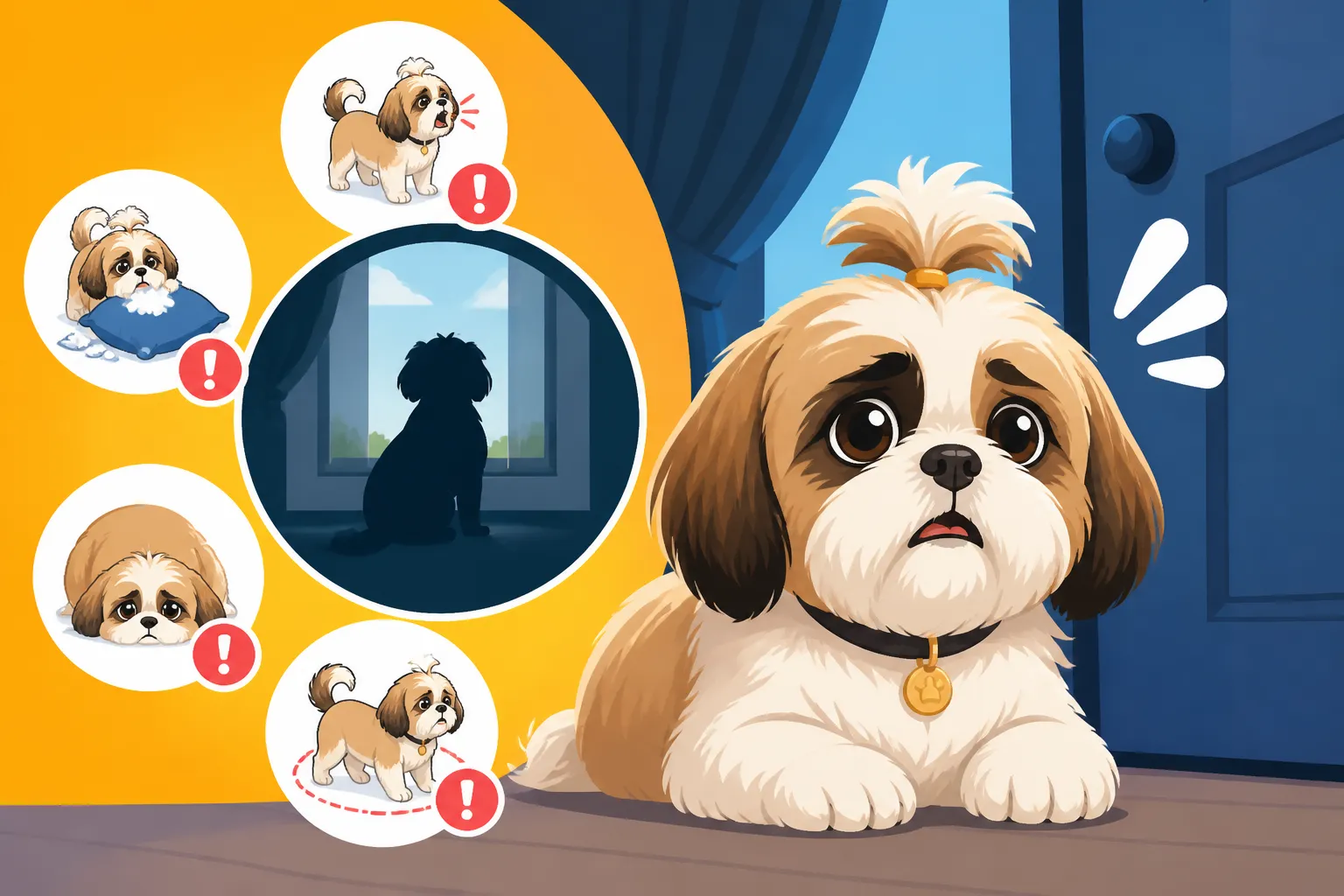
When you hear from neighbors (or catch on a pet camera, like one you might find on Amazon) that your Shih Tzu barks or howls incessantly from the moment you leave until you return, that's a significant sign of distress. This isn't just a few barks at a delivery driver; this is a sustained vocal protest. It’s their way of crying out, trying to summon you back, or expressing their deep fear. Think about it from their perspective: you've vanished, and they are completely alone. For a breed so deeply bonded to their humans, this can feel like an unimaginable abandonment. They might try to bark their way through the door, or howl plaintively as if searching for their missing pack. It's often accompanied by other signs of agitation, rather than just being a singular noise.
Whining and Whimpering
A more subdued, yet equally concerning, vocalization is continuous whining or whimpering. This often indicates a deeper, more internal state of anxiety or sadness, rather than a frantic attempt to alert. Your Shih Tzu might pace, then settle into a long, mournful whine. This sound can be particularly heartbreaking because it often implies a sense of helplessness. It's a quieter plea for comfort, a sign that they are truly uncomfortable and unable to self-soothe. Sometimes, this whining might escalate to barking, or it might persist for long stretches, tapering off only when they exhaust themselves. It's important to remember that these sounds are not manipulative; they are genuine expressions of emotional pain.
Destructive Behavior and Inappropriate Elimination
Coming home to a shredded couch or a "surprise" on the carpet is certainly frustrating, but it's important to see these behaviors not as defiance, but as symptoms of underlying stress.
Chewing on Inappropriate Items
A Shih Tzu with separation distress might chew on items that smell most like you – doorframes, your favorite slippers, or the arm of the sofa where you always sit. This isn't just puppy chewing; it's often frantic and aimed at objects deeply associated with your presence or with escape routes. They might try to chew their way out of a crate, damaging their teeth or gums in the process. The act of chewing can be a self-soothing mechanism, a way to release pent-up anxiety, similar to how a person might bite their nails or fidget when stressed. This kind of chewing is distinct from a bored dog gnawing on a pillow; it’s more intense, desperate, and often focused on items that are off-limits when you are home. Sometimes, this destructive chewing can be a significant financial burden, beyond the emotional toll it takes on you. Shih Tzu Puppy Nipping at Fingers might evolve into this if not addressed.
Inappropriate Elimination Despite Being House-Trained
If your perfectly house-trained Shih Tzu suddenly starts having accidents indoors only when you're gone, it's a strong indicator of stress. This isn't a lapse in training; it's an involuntary physical response to extreme anxiety. When a dog is under significant stress, their bodily functions can become dysregulated, leading to urination or defecation. It's not malicious, and punishing them for it will only exacerbate their fear. You might find urine or feces in unusual places, like on your bed or directly by the front door, which are often locations that carry a strong scent of you or are associated with your departure. Addressing Indoor Toilet Setups That Suit a Shih Tzu or reviewing their potty schedule might help rule out other causes, but if it's strictly tied to your absence, anxiety is often the culprit.
Physical Symptoms and Body Language
Beyond the obvious actions, a Shih Tzu experiencing distress will often exhibit physical signs and changes in their body language that tell a clear story. Observing these cues can be vital, especially if you have a pet camera set up.
Pacing and Restlessness
A Shih Tzu that cannot settle when alone will often pace constantly. They might walk in circles, back and forth by the door, or repeatedly move from window to window. This restless movement is a physical manifestation of their internal agitation. They can't relax, can't sleep, and can't find a comfortable spot because their anxiety is overwhelming. This isn't just a brief wander; it's persistent, often frantic movement that can go on for hours. You might notice them unable to lie down or even sit still for more than a few moments. This physical inability to settle is a profound indicator of emotional distress, showcasing a nervous system in overdrive.
Excessive Drooling or Panting
If your Shih Tzu is drooling excessively or panting heavily when they are alone, and the temperature isn't unusually high, these are significant physiological signs of stress. Panting helps dogs regulate body temperature, but it also increases when they are anxious or fearful, much like a person might hyperventilate. Excessive drooling is another common stress response in dogs. You might come home to wet spots on the floor or a damp muzzle, even if they haven't been drinking water. These are involuntary bodily reactions to a heightened state of alert and fear, and they can be quite draining for your dog, leaving them exhausted by the time you return.
Hiding or Retreating
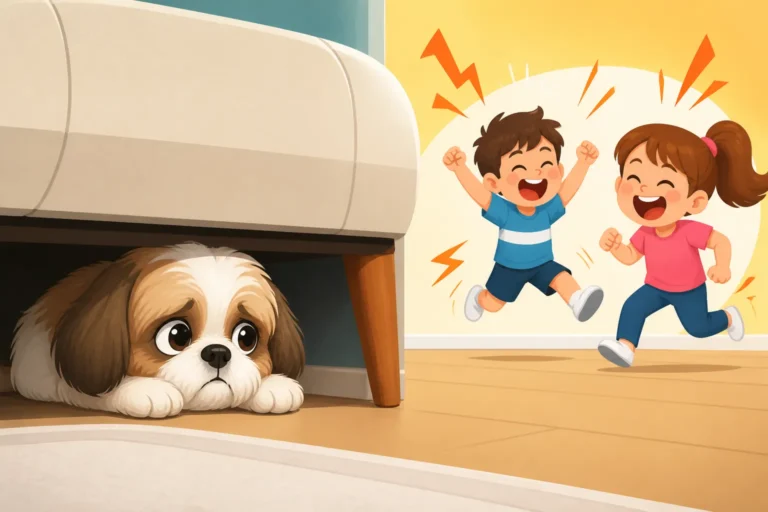
While some dogs act out, others retreat. A Shih Tzu who feels overwhelmed by being alone might seek out small, dark places to hide, such as under a bed, behind furniture, or even tucked away in a closet. This isn't about being sneaky; it's an instinctual response to fear, seeking perceived safety in confinement. They might avoid windows or doors, trying to make themselves invisible from the source of their anxiety. While a calm dog might nap peacefully in their bed, an anxious dog seeks refuge, often trembling or shaking in their hiding spot. This behavior indicates a profound sense of insecurity and vulnerability when left unsupervised.
Strategies and Tools to Help Your Shih Tzu Cope
Once you've identified the signs, the next step is to implement strategies to help your Shih Tzu feel more secure and comfortable when you're not there. This often involves a multi-faceted approach.
Creating a Safe and Comforting Space
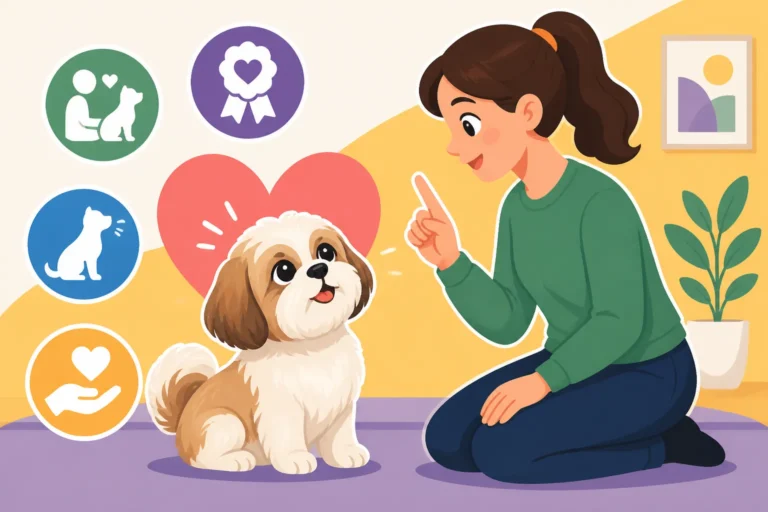
Your Shih Tzu needs a designated "safe zone" where they feel secure and can retreat when you're away. This could be a Crate Training a Shih Tzu Properly setup, a quiet room, or even a cozy corner with their bed and favorite toys. The key is to make this space consistently positive. Leave an old t-shirt with your scent, play calming music or white noise, and ensure they have access to fresh water. Chew toys or puzzle feeders, perhaps filled with a frozen treat, can provide distraction and comfort. Introducing this space positively, long before you plan to leave, is crucial. Never use it for punishment; it should always be their sanctuary. Products like calming diffusers that release soothing pheromones, readily available on Amazon, can also contribute to a more tranquil environment.
Enrichment Toys and Activities
Boredom can quickly escalate into anxiety or destructive habits. Providing appropriate mental and physical stimulation is vital. Look for puzzle toys that dispense treats, long-lasting chews that are safe for their size, or interactive toys that move or make sounds. Rotate these toys regularly so they stay novel and engaging. Before you leave, a good walk or a vigorous play session can help expend excess energy, making them more likely to rest while you're gone. Consider setting up a camera to observe which toys they actually engage with. Simple things, like scattering a portion of their meal for them to "hunt" rather than feeding from a bowl, can provide valuable mental enrichment. You can find a huge variety of these on Amazon.
Gradual Desensitization and Counter-Conditioning
This is the core of addressing separation distress. It involves slowly getting your Shih Tzu used to your departures. Start with very short absences – literally seconds – and gradually increase the time. Practice "mock departures" where you go through your routine (grab keys, put on coat), but then don't leave, or only step out for a minute and return. Reward calm behavior when you return, but keep your greetings low-key. The idea is to teach them that your departures are not a cause for panic and that you will always come back. This process requires patience and consistency, but it builds their confidence in your return. For more complex cases, resources like BAXTER & Bella’s online puppy training can provide structured programs and support, even if your dog isn't a puppy, as their methods focus on positive reinforcement and building a confident dog.
| Behavior Type | Common Signs | Underlying Cause | Potential Solutions |
|---|---|---|---|
| Boredom | Mild barking at external stimuli, casual chewing on non-valuable items, napping frequently | Lack of mental/physical stimulation | Increased exercise, interactive toys, puzzle feeders, rotated toys |
| Separation Distress | Persistent barking/howling, destructive chewing (doorways, personal items), inappropriate elimination (house-trained dogs), pacing, excessive drooling/panting, pre-departure anxiety, hiding | Panic, fear of abandonment, hyper-attachment | Gradual desensitization, counter-conditioning, safe space, calming aids, professional help |
When to Seek Professional Help
Sometimes, despite your best efforts, the signs of distress are too severe or persistent for you to manage alone. This is not a failure on your part; it simply means your Shih Tzu needs specialized support.
Consulting Your Veterinarian
Your first stop should always be your veterinarian. They can rule out any underlying medical conditions that might be contributing to the behavior. For example, urinary accidents could be a bladder infection, or excessive panting could indicate a heart issue. Once physical causes are excluded, your vet can discuss behavior modification strategies, recommend calming supplements, or even prescribe anti-anxiety medication if the distress is severe. They can also provide referrals to certified professional dog trainers or veterinary behaviorists. Being open and honest about the extent of the problem is crucial so they can provide the best possible advice and treatment plan. Remember, their expertise is invaluable in ruling out physiological causes of anxiety.
Working With a Professional Behaviorist
For moderate to severe cases of separation anxiety, a certified professional dog behaviorist or veterinary behaviorist can be a game-changer. These experts specialize in understanding and modifying complex canine behaviors. They can develop a tailored behavior modification plan that's specific to your Shih Tzu's needs, guiding you through the desensitization process, and helping you understand the nuances of canine anxiety. They might use specialized tools and techniques, including remote monitoring, to assess your dog's true response to being alone. A behaviorist will focus on building your dog's confidence and independence, rather than just suppressing the symptoms. For ongoing training and behavioral support, platforms like BAXTER & Bella offer comprehensive resources that complement a behaviorist's guidance, giving you tools to continue working at home.
Medication and Other Supportive Therapies
In cases of extreme separation anxiety, medication may be a necessary component of treatment, always under the guidance of your veterinarian or a veterinary behaviorist. These medications are not a "quick fix" but rather a tool to help reduce your Shih Tzu's anxiety to a level where they can actually learn and respond to behavior modification techniques. Think of it as taking the edge off their panic so they can absorb training. In addition to medication, other supportive therapies like calming pheromone diffusers (often found on Amazon), pressure wraps, or specific dietary supplements might be recommended to help create a more relaxed state. The goal is always to improve your Shih Tzu's quality of life and help them feel safe and calm when you're not by their side. This often goes hand-in-hand with Whether a Shih Tzu Settles in a Crate at All and other environmental adjustments.
Disclaimer
This article is for general informational purposes only and does not constitute professional advice. Laws, prices and regulations vary by location and change over time. Consult a qualified professional for guidance on your specific situation.