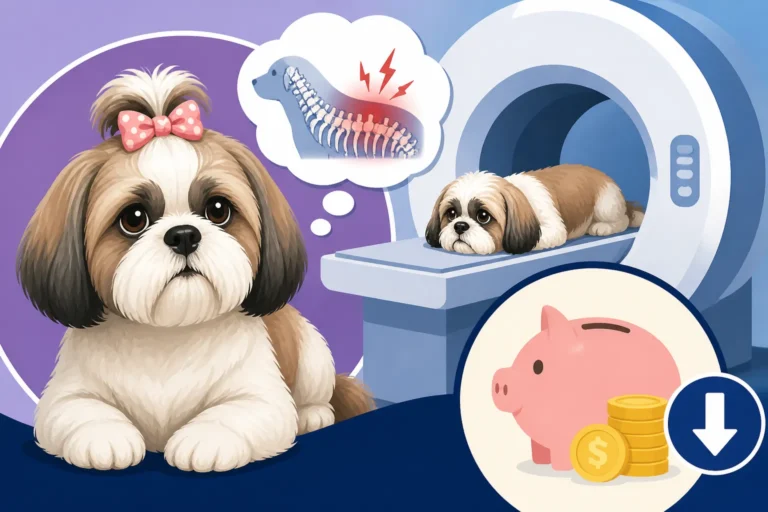
Aftercare Costs After Thirteen Years With a Shih Tzu
The day comes for every Shih Tzu owner, often after many cherished years, when we face the heartbreaking reality of our beloved companion's final journey. Beyond the profound emotional toll, many of us are caught off guard by the unexpected financial considerations that arise during this incredibly difficult time, from final veterinary procedures to memorialization options. This guide aims to shed light on the often-overlooked aftercare costs you might encounter after a Shih Tzu's thirteen years, preparing you with realistic expectations and thoughtful choices.
Understanding the Immediate Financial Steps
When it's time to say goodbye to your precious Shih Tzu, there are immediate financial considerations that can feel overwhelming amidst the grief. These are the costs associated directly with their passing and the first steps in their physical aftercare. It's not something anyone wants to think about, but having a clear understanding can help alleviate some stress during an intensely emotional period.
Veterinary Euthanasia and Cremation or Burial Choices
The decision to euthanize a beloved pet is perhaps one of the hardest choices a pet parent will ever make. The procedure itself involves a compassionate veterinary team administering a sedative, followed by an anesthetic agent that gently and painlessly stops their heart. The cost for this can vary significantly based on your location, whether it's performed at a clinic or in your home, and the size of your dog. For a Shih Tzu, given their small size, euthanasia costs typically range from $50 to $250 at a veterinary clinic, but an at-home euthanasia service, which many find less stressful for both pet and owner, can be anywhere from $250 to $500, or even more, particularly in major metropolitan areas like Los Angeles or New York. This might seem like a lot, but the peace of mind of having your dog comfortable in their familiar surroundings can be invaluable.
Once the euthanasia is complete, you'll face the choice of aftercare for their physical remains: cremation or burial. Cremation is the most common option, and it comes in two main forms: communal (or mass) cremation and private cremation. Communal cremation means your Shih Tzu is cremated alongside other pets, and their ashes are typically scattered in a pet cemetery or garden. This is the more affordable option, often ranging from $50 to $150. Private cremation, however, means your Shih Tzu is cremated alone, and their ashes are returned to you in an urn. This option naturally costs more, generally falling between $150 and $400, sometimes higher depending on the weight of the pet and the type of urn chosen. Many pet owners find comfort in having their pet's ashes to keep at home or scatter in a meaningful location.
Burial is another choice, though it's less common for small dogs in urban settings due to regulations. If you have a private property with sufficient space and local ordinances permit, you might choose to bury your Shih Tzu in your yard. This option, while seemingly "free," can involve costs for a pet casket, a headstone or marker, and perhaps even professional digging services if you're not able to do it yourself. Pet cemeteries exist, often offering plots for purchase and ongoing maintenance fees, much like human cemeteries. A plot in a dedicated pet cemetery could cost anywhere from $500 to $2,000, with additional charges for opening and closing the grave, and a memorial marker. Understanding these options beforehand allows you to make a choice that truly reflects your wishes for your beloved companion's final resting place.
Final Vet Bills and Outstanding Debts
It’s an unfortunate reality that often, the final days or weeks with a senior Shih Tzu involve a flurry of vet visits, diagnostics, and palliative care to ensure their comfort. Even if your Shih Tzu was generally healthy for many years, many small breeds experience issues like Shih Tzu Heart Murmurs and Valve Disease or Shih Tzu Mobility Decline in Old Age as they age. This can lead to significant accumulation of costs before the final goodbye. These bills can include consultations, blood tests (such as a The Senior Panel a Shih Tzu Needs at Ten), medications for pain management, heart conditions, or kidney support, and potentially emergency visits. If you've been monitoring Vet Visit Frequency for a Shih Tzu Past Ten, you'll know these costs can add up quickly.
Even if you had pet insurance like Healthy Paws throughout your Shih Tzu's life, there might still be outstanding balances. Pet insurance plans typically reimburse a percentage of covered veterinary expenses after a deductible is met, but they don't always cover 100% of costs, and some end-of-life care might have specific limitations. It's wise to review your policy details if you have one. Beyond medical expenses, there might be other recurring costs that unexpectedly continue for a short period after your pet's passing. This could include unfulfilled prescriptions, or even automatic food delivery subscriptions from places like Chewy or Ollie that need to be cancelled.
It’s crucial to remember that this isn't about placing blame or adding to your sorrow, but simply about acknowledging the practicalities. Before your Shih Tzu’s final moments, if possible, have a conversation with your veterinary team about the anticipated costs of euthanasia and aftercare options. They can provide a detailed estimate, allowing you to prepare financially and make informed decisions without added pressure during your deepest grief. This forethought, though difficult, can provide a small measure of control during a time when so much feels out of control. For a broader understanding of long-term costs, you might find insight in our guide on Thirteen Years of Shih Tzu Costs Added Up.
Honoring Your Shih Tzu's Memory
After the immediate practicalities are handled, many Shih Tzu owners find solace in creating lasting tributes to their cherished companions. This category of aftercare costs is deeply personal and varies widely depending on how you choose to remember your furry family member. It’s an opportunity to celebrate the life they lived and the joy they brought into your home.
Urns, Keepsakes, and Memorial Items
If you chose private cremation, receiving your Shih Tzu's ashes opens up a world of memorial options. Urns come in countless styles, materials, and sizes, ranging from simple wooden boxes to intricately carved ceramic vessels or elegant metal containers. The cost can vary from $30 for a basic urn to several hundred dollars for a custom-made, artisanal piece. Some owners opt for urns that can be displayed proudly in their home, while others prefer more discreet options. You might also consider scattering tubes, which are biodegradable and designed for scattering ashes in a special outdoor location, typically costing $20-$50.
Beyond urns, many pet parents seek out other keepsakes and memorial items. This can include personalized paw print casts or molds, which a vet clinic might offer, or which can be made at home with a kit. These often cost between $20-$100 depending on complexity and material. Custom jewelry incorporating a small amount of ashes or a lock of fur, often called "cremation jewelry" or "memorial jewelry," can range from $50 for a simple pendant to over $500 for a more elaborate piece with precious metals or gemstones. There are also services that can turn a portion of ashes into a synthetic diamond or glass art, which are significantly more expensive, running into thousands of dollars.
Other popular memorial items include framed photos, custom portraits (hand-painted or digitally rendered, often $100-$500+), memorial garden stones, or engraved plaques. Companies like Chewy even offer a selection of personalized memorial gifts and garden markers, making it easier to find something that resonates with your family. These items are not necessities, but they offer tangible reminders of the love shared and can be incredibly therapeutic in the grieving process. Choosing these items allows you to create a physical space for remembrance, a spot where you can always feel close to your little lion dog.
Donations and Tribute Gifts
For some Shih Tzu owners, honoring their pet's memory involves giving back to the animal community. Making a donation in your Shih Tzu's name to a local animal shelter, rescue organization, or a specific breed rescue group (like a Shih Tzu rescue) is a wonderful way to create a positive legacy. These donations, whether a small sum or a more substantial gift, help provide care for other animals in need, feeding and sheltering them, and helping them find their forever homes. Many organizations have specific memorial donation programs where they will send a card to you acknowledging the gift and the pet being honored. This financial contribution, while not directly related to your pet's body, is a significant part of the aftercare for many compassionate owners.
Beyond direct donations, some individuals choose to support research into common Shih Tzu health issues, such as Brachycephalic Breathing in a Shih Tzu or Renal Dysplasia and the Shih Tzu Kidney, through veterinary colleges or national breed club foundations. These tribute gifts contribute to scientific advancements that can improve the lives of future generations of Shih Tzus. The cost here is entirely up to you – any amount is appreciated and makes a difference.
This act of giving can be profoundly healing, transforming grief into purpose. Knowing that your beloved Shih Tzu's life continues to touch others, even indirectly, can bring a sense of comfort. It's a way of extending their paw print beyond their lifetime, demonstrating the enduring impact they had on your heart. For those looking for resources, breed-specific clubs often have lists of reputable rescues or research initiatives that align with the specific health challenges and needs of a Shih Tzu.
Navigating Emotional Aftercare and Support
The financial aspects of aftercare are often more straightforward than the emotional ones. Losing a Shih Tzu, especially one who has been a constant presence for over thirteen years, leaves a profound void. The emotional aftercare, though not always involving direct monetary transactions, can lead to indirect costs and requires intentional effort to navigate.
Grief Counseling and Support Groups
The grief experienced after losing a pet is legitimate and intense, often comparable to losing a human family member. Unfortunately, society sometimes downplays this grief, leading to feelings of isolation. This is where pet bereavement counseling and support groups become invaluable. Pet grief counselors, often licensed therapists specializing in this area, can provide a safe space to process your emotions, understand the stages of grief, and develop coping strategies. A single session with a pet grief counselor can cost anywhere from $50 to $200, with ongoing therapy adding up over time. Some therapists offer sliding scale fees, or you might find resources through your local humane society.
Pet loss support groups, whether online or in-person, offer a communal healing experience. These groups, often facilitated by volunteers or trained professionals, allow you to share your story and hear from others who understand your pain. While many online groups are free, some in-person groups might ask for a small donation to cover facility costs. The "cost" here is primarily the emotional energy and vulnerability required to participate, but the benefit of shared experience and validation is immeasurable. Embracing these resources is a critical step in healthy emotional aftercare, helping you to move through your grief rather than getting stuck in it. Thinking about the process of saying goodbye, particularly if you're exploring Deciding for a Shih Tzu at Fifteen, can also be a part of this preparatory emotional work.
Time Off Work and Personal Well-being
While not a direct bill, the impact of grief on your personal and professional life can have financial repercussions. Many people find it incredibly difficult to concentrate or perform at work after losing a cherished pet. Taking time off, whether it's a few days or longer, might be necessary for your mental and emotional recovery. For hourly wage earners, this could mean a direct loss of income. For salaried employees, while the income might not be directly impacted, reduced productivity could have long-term career implications or simply add stress if work piles up. It’s important to prioritize your well-being during this period, even if it comes with an indirect financial "cost."
Beyond work, your personal well-being may require extra attention. You might find yourself spending more on comfort items, self-care activities, or even convenience foods if you're too emotionally drained to cook. The sudden quiet in the house, the absence of daily routines like walks or feeding times with their favorite food from Ollie, can be unsettling. Investing in activities that bring you solace, whether it's a new hobby, spending time in nature, or connecting with friends, becomes important. While these aren't "aftercare costs" in the traditional sense, they are very real expenditures that arise from the need to heal and adjust to life without your Shih Tzu. For more on preparing for these changes, consider our guide on Planning a Shih Tzu's Final Months.
Managing Tangible and Intangible Legacy
After the initial waves of grief begin to subside, you'll be left with the tangible remnants of your Shih Tzu's life – their toys, beds, food bowls, and grooming supplies. How you handle these items, and how you adjust your financial planning moving forward, forms another layer of aftercare considerations.
Donating or Rehoming Pet Supplies
Looking at your Shih Tzu's belongings can be a bittersweet experience. Their favorite bed, their worn-out toy, the half-full bag of kibble from Chewy – these items hold memories, but they can also serve a purpose for other pets in need. Donating gently used pet supplies to local animal shelters or rescues is a common and compassionate choice. Bowls, unused food, blankets, and toys are always in demand. Before donating, ensure items are clean and in good condition.
For more specialized items, like a ramp for a senior dog struggling with Shih Tzu Joint Problems in a Toy Frame, or specific medication dispensers, you might consider offering them to other pet owners in your community through online groups or local forums. This not only helps reduce waste but also supports fellow pet parents who might be facing similar challenges with their own aging companions. While there's no direct financial cost or gain here (unless you decide to sell items, which many find emotionally difficult), the emotional benefit of knowing your Shih Tzu's things are helping another animal is profound. It's a way for their memory to continue to bring comfort and aid to others.
Financial Planning for Future Pets
Losing a long-term companion like a Shih Tzu often prompts a re-evaluation of future pet ownership. Some individuals decide they can't bear the thought of another pet, at least not for a long time. Others find comfort in the idea of opening their heart and home to another animal when the time is right. If you do consider bringing another Shih Tzu or another breed into your life, the costs will begin again, from Shih Tzu Puppy Prices and Where the Money Goes to ongoing care.
This is also a moment to reflect on your financial preparedness for future pets. Did having pet insurance from a provider like Healthy Paws make a difference in managing your Shih Tzu's long-term health costs? Would you invest in a Shih Tzu Pet Insurance for a Flat-Faced Toy policy earlier next time? Perhaps you'll start a dedicated savings fund specifically for future pet emergencies or senior care, like how some plan for Shih Tzu Emergency Vet Costs Owners Should Expect. This foresight, shaped by your recent experience, can make a significant difference in the care you're able to provide for future companions and can help mitigate The Shih Tzu Bill That Catches Owners Out. Whether you choose to welcome another pet or not, this period of reflection on your financial capacity and willingness to commit to long-term pet care is an important part of the aftercare process, setting the stage for your future decisions.
Aftercare Cost Summary Table
Here's a general overview of potential aftercare costs, keeping in mind these are broad estimates and can vary significantly by location and specific choices:
| Category | Item/Service | Estimated Cost Range (USD) | Notes |
|---|---|---|---|
| Immediate Passing | In-Clinic Euthanasia | $50 – $250 | Often includes initial consultation, procedure, and sedative. |
| At-Home Euthanasia | $250 – $500+ | Convenience and comfort for pet and owner, higher cost. | |
| Communal Cremation | $50 – $150 | Ashes not returned to owner. | |
| Private Cremation | $150 – $400 | Ashes returned to owner, typically with a basic urn. | |
| Pet Cemetery Plot/Burial | $500 – $2,000+ | Plus costs for casket, marker, opening/closing. | |
| Memorialization | Basic Urn | $30 – $100 | Varies by material and design. |
| Custom/Artisanal Urn | $100 – $500+ | More elaborate designs, personalized options. | |
| Paw Print Cast/Mold | $20 – $100 | Often offered by vets; home kits available. | |
| Cremation/Memorial Jewelry | $50 – $500+ | Pendants, charms, or custom pieces. | |
| Memorial Garden Stone/Plaque | $40 – $200 | Engraved stones for garden or home. | |
| Custom Pet Portrait (Digital/Painted) | $100 – $500+ | Price varies greatly by artist and medium. | |
| Donation to Charity/Rescue | Any amount | Discretionary, can be a meaningful tribute. | |
| Emotional Support | Pet Bereavement Counseling (per session) | $50 – $200 | Individual therapy; support groups often free or low cost. |
| Indirect Costs | Lost Income from Time Off Work | Varies | Dependent on employment type and duration of leave. |
| Self-Care/Coping Activities | Varies | Personal expenses for healing and adjustment. | |
| Ongoing Planning | Future Pet Insurance/Savings (monthly) | $20 – $60+ | If planning for another pet. |
This table offers a snapshot, but individual experiences will differ. It's a reminder that the journey of pet ownership, and its conclusion, has various financial aspects to consider.
Disclaimer
This article is intended for informational purposes only and does not constitute financial or veterinary advice. Costs can vary significantly based on location, service provider, and individual circumstances. Always consult with a qualified veterinary professional for specific medical decisions and a financial advisor for personal financial planning.