Yeast Infections in a Shih Tzu Ear
That distinctive, slightly sweet, yet undeniably pungent smell wafting from your beloved Shih Tzu's ears can be incredibly frustrating, especially when it seems to return no matter what you do. Many Shih Tzu parents know the exasperating cycle of a seemingly clear ear one week, only for it to be dark, waxy, and smelly the next. This guide is dedicated to thoroughly breaking down why yeast infections are such a common nuisance in Shih Tzus, how to spot them, what effective treatment looks like, and crucially, how to prevent them from staging a comeback.
Understanding Why Yeast Invades Your Shih Tzu's Ears
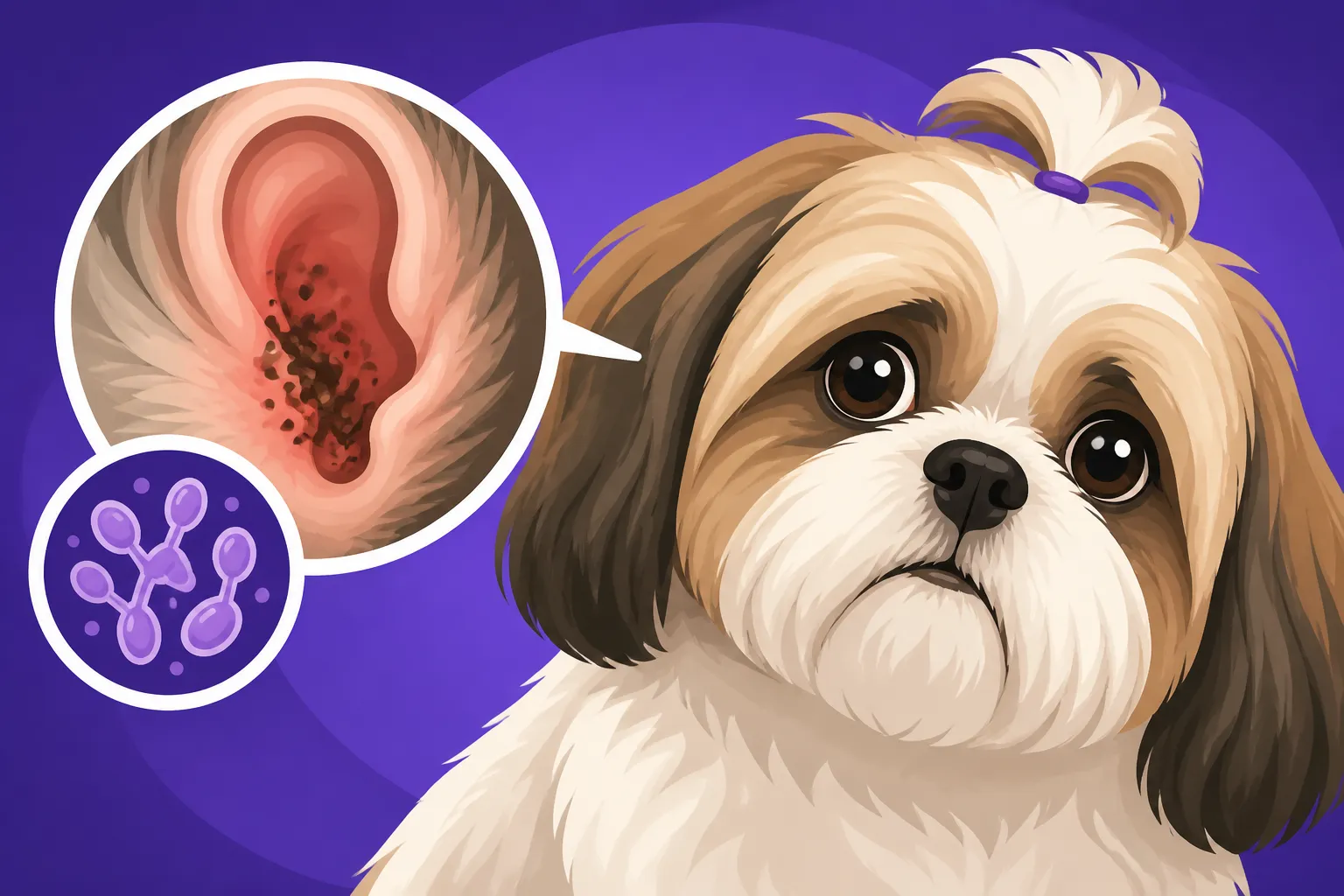
When your Shih Tzu's ears start giving off that characteristic "yeasty" odor, what you're likely experiencing is an overgrowth of a common fungus called Malassezia pachydermatis. This particular yeast is a normal resident on the skin and in the ears of all dogs, including our precious Shih Tzus. It lives in harmony with other microbes, generally causing no trouble. However, when the delicate balance of the ear canal is disturbed, Malassezia seizes the opportunity to multiply rapidly, leading to the itchy, inflamed, and often smelly infection we dread.
Shih Tzus, with their adorable floppy ears and long, luxurious hair, are practically designed to be a perfect breeding ground for this opportunistic yeast. The heavy ear leather covers the ear canal, trapping moisture and warmth, creating a humid, dark environment where yeast thrives. Add to this the abundant hair that grows inside the ear canal and along the ear flaps, further reducing airflow and complicating any attempts at keeping the area dry and clean. It's a frustrating combination, setting up our little lions for an uphill battle against these persistent invaders. This anatomical predisposition is why discussions around topics like Shih Tzu Ear Infections That Keep Returning] are so common among owners.
Beyond the physical structure, underlying health issues can significantly contribute to recurrent yeast infections. Allergies, whether environmental (like pollen, dust mites) or food-related, are huge culprits. When a Shih Tzu experiences an allergic reaction, their immune system goes into overdrive, often causing inflammation and increased oil production in the skin and ears. This change in the microenvironment provides even more sustenance and ideal conditions for yeast to flourish. Other factors like hormonal imbalances, foreign bodies in the ear, or even excessive cleaning with irritating products can also throw off the natural equilibrium, paving the way for Malassezia to take hold.
It's also important to understand that yeast infections rarely appear in isolation. They often go hand-in-hand with bacterial infections, creating a complicated duo that makes treatment more challenging. When the ear canal is irritated by yeast, the protective skin barrier is weakened, making it easier for bacteria, which are also normal residents, to overgrow and create a secondary infection. This often explains why an ear infection might not clear up with just one type of medication; it could be a mixed infection requiring a multi-pronged approach.
Recognizing the Telltale Signs of a Yeast Infection
Catching a yeast infection early can make a world of difference in your Shih Tzu's comfort and the ease of treatment. The signs can sometimes be subtle, especially under all that beautiful hair, but once you know what to look for, they become unmistakable. The most immediate and often first sign many owners notice is that distinctive smell. It’s often described as sweet, musty, or even like stale bread or corn chips—sometimes affectionately called "Frito feet" when it's between their paw pads, but equally applicable to their ears. This odor is a direct byproduct of the yeast metabolizing and growing.
Beyond the smell, a close inspection of the ear will likely reveal a characteristic discharge. This discharge is typically dark brown or black, waxy, and often looks like coffee grounds. It can also be thick and greasy. This isn't just dirt; it's a combination of yeast, earwax, dead skin cells, and inflammatory debris. In some cases, the inner ear flap and entrance to the canal might also appear red and inflamed, or even thickened and leathery if the infection has been chronic. You might notice your Shih Tzu showing discomfort when you try to gently touch their ear, or even exhibiting pain when their ear is accidentally bumped. This sensitivity is a clear indicator that something is amiss and requires attention.
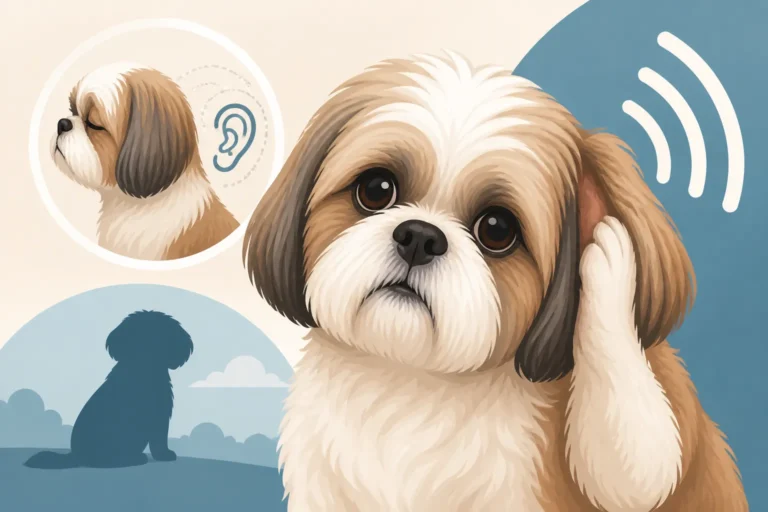
Your Shih Tzu's behavior will also give you strong clues. Increased scratching at the ears is a huge red flag. They might use a hind paw to scratch frantically, or rub their head along furniture or the floor in an attempt to relieve the intense itch. Frequent head shaking, sometimes accompanied by a visible "flopping" of the ear, is another common sign. While a dog might shake their head occasionally, persistent or violent head shaking, especially if only one ear seems affected, points directly to discomfort. You might also notice them tilting their head to one side, favoring the unaffected ear, or generally seeming a bit withdrawn or irritable due to the constant irritation.
It’s crucial not to mistake a yeast infection for other types of ear problems, though they often coexist. While a bacterial infection might produce a pus-like yellow or green discharge, yeast tends to be darker and waxier. However, the symptoms can overlap, making a definitive diagnosis tricky without professional help. For instance, some Shih Tzus develop Shih Tzu Ear and Skin Infections Under the Coat] that can manifest with similar scratching behaviors, making it harder for owners to pinpoint the exact issue. That's why a vet visit for a proper diagnosis is always the best first step.
Here's a quick comparison of common ear issues:
| Symptom / Feature | Yeast Infection | Bacterial Infection | Ear Mites |
|---|---|---|---|
| Odor | Sweet, musty, yeasty, "corn chip" smell | Often foul, pungent, strong | Minimal to none, unless secondary infection |
| Discharge Appearance | Dark brown/black, waxy, greasy, "coffee grounds" | Yellow, green, pus-like, creamy | Dry, black, crusty, resembling dirt |
| Itch Level | Moderate to severe, persistent scratching | Moderate to severe | Intense, relentless scratching |
| Inflammation/Redness | Common, especially with chronicity | Common, often very red and swollen | Common from self-trauma |
| Pain | Present, especially when touched | Often very painful | Less painful directly from mites, more from scratching |
| Common Co-occurrence | Often with allergies, sometimes bacteria | Often follows moisture, foreign bodies, or yeast | Highly contagious, often in puppies |
Diagnosing and Treating a Shih Tzu Ear Yeast Infection
You might suspect a yeast infection based on the smell and discharge, but the only way to get a definitive diagnosis and the right treatment plan is to visit your veterinarian. Trying to self-diagnose and treat can delay proper care, leading to a worsening infection or developing resistance to common medications. When you arrive at the clinic, your vet will perform a thorough examination, including looking deep into your Shih Tzu's ear canals with an otoscope. This tool allows them to assess the extent of the inflammation, check for foreign objects, ruptured eardrums, or tumors, and collect samples.
The most crucial diagnostic step is cytology. Your vet will take a small swab of the ear discharge and examine it under a microscope. This simple, quick test allows them to identify whether yeast (like Malassezia) is present, and often, what type of bacteria, if any, is also causing trouble. They’ll look for the classic "footprint" or "peanut-shaped" appearance of yeast organisms. This microscopic confirmation is vital because yeast and different types of bacteria require different medications. Without it, you’re just guessing, and that’s not fair to your furry friend. If there's a severe chronic infection, or if the ear canal is severely swollen, sedation might be necessary for a thorough examination and cleaning, especially for a breed like the Shih Tzu, which can sometimes be prone to complications like Anesthesia on a Flat-Faced Shih Tzu].
Once the diagnosis is confirmed, your vet will prescribe the appropriate treatment. For yeast infections, this typically involves antifungal medications. These usually come in the form of topical ear drops or ointments that you'll need to administer once or twice daily for a specified period. Common active ingredients include miconazole, clotrimazole, or ketoconazole. If the infection is particularly stubborn, widespread, or if there's a concurrent severe bacterial infection, oral antifungal or antibiotic medications might also be prescribed. It’s absolutely vital to complete the entire course of medication, even if your Shih Tzu's ears appear to be much better after a few days. Stopping early is one of the most common reasons for recurrence.
Proper ear cleaning is also a cornerstone of effective treatment. Your vet might perform a deep ear cleaning at the clinic, sometimes under sedation, especially if there's a lot of debris or if the ears are very painful. You will then be given specific instructions for at-home cleaning. This usually involves using a veterinary-approved ear cleaner that helps break down wax and debris, and has properties that don't irritate the inflamed tissue. It’s important to clean the ears before applying medication, to ensure the medicine can reach the infected tissues directly. Never use cotton swabs deep inside the ear canal, as this can push debris further in or damage the eardrum. Instead, use cotton balls or gauze pads to gently wipe the visible parts of the ear.
If your Shih Tzu is dealing with chronic, recurring yeast infections, your vet will also want to investigate and address any underlying causes. This often means looking into allergies. An Elimination Diet Trial on a Shih Tzu] might be recommended if food allergies are suspected, or allergy testing (blood tests or intradermal skin tests) to pinpoint environmental triggers. Managing these underlying conditions is key to breaking the cycle of recurring infections. This comprehensive approach is part of why having pet insurance, such as a plan from Healthy Paws, can be incredibly beneficial; it helps manage the costs associated with repeated vet visits, diagnostics, and long-term medication for chronic issues like ear infections and their root causes.
Proactive Prevention for Healthy Shih Tzu Ears
Dealing with a yeast infection is never fun for you or your Shih Tzu, which makes proactive prevention all the more important. The good news is that with consistent care and attention to your Shih Tzu's unique needs, you can significantly reduce the likelihood of these infections taking hold. The cornerstone of prevention is a regular ear cleaning routine, even when the ears look perfectly healthy.
Firstly, consider the internal link: The Weekly Shih Tzu Ear Routine]. Establishing a consistent schedule, say once a week or every other week, is crucial. You'll want to use a gentle, veterinary-approved ear cleaner designed for dogs. These cleaners help to acidify the ear canal, which creates an environment less favorable for yeast growth, while also dissolving wax and debris. To clean, gently lift the ear flap, apply the solution into the ear canal until it's full, and then massage the base of the ear for about 30 seconds. You'll hear a squishing sound as the liquid moves around. Allow your Shih Tzu to shake their head, and then use a soft cotton ball or gauze pad to wipe away any excess cleaner and loosened debris from the outer ear and visible folds. Remember, don't go poking deep into the canal with anything.
Beyond basic cleaning, addressing underlying allergies is often the most impactful long-term prevention strategy. If your Shih Tzu is prone to Shih Tzu Skin Allergies and Hot Spots] or experiences itching beyond just their ears, a deeper investigation into environmental or food allergies is warranted. This might involve working with your vet on a hypoallergenic diet, using prescription allergy medications, or implementing strategies to reduce exposure to environmental allergens like dust mites or pollen. Consistent management of allergies can drastically reduce the inflammation that paves the way for yeast overgrowth. Regular check-ups are also a good time to discuss these ongoing issues with your vet, and a robust pet insurance policy like those offered by Healthy Paws can help cover the costs of these diagnostic tests and ongoing treatments.
Controlling moisture is another critical factor. Because yeast thrives in damp, warm environments, it's imperative to keep your Shih Tzu's ears as dry as possible, especially after baths or if they happen to get wet during outdoor play. After bathing, gently dry the outer and inner ear flaps with a soft towel. You can also use a low-setting hairdryer, held a safe distance away, to thoroughly dry the ear hair. For the inner ear, a cotton ball can absorb excess moisture. If your Shih Tzu loves to play near water, consider using ear wraps or protective headbands to minimize water entering the ear canal.
Grooming plays a significant role in ear health for a long-haired breed like the Shih Tzu. The abundance of hair around and inside the ear canal can trap moisture and debris, creating a perfect habitat for yeast. Discuss with your groomer or vet about whether your Shih Tzu would benefit from having the hair around the ear canal entrance trimmed short, or even carefully plucked (only if recommended by your vet and performed gently). This increases airflow and makes cleaning easier. You can also read up on Whether Ear Hair Causes Shih Tzu Infections] for more insight. Regularly brushing the long ear feathering also prevents mats from forming, as mats can pull on the delicate skin and create further irritation. Using a gentle detangler spray, like those mentioned in Detangler Sprays That Work on a Shih Tzu], can make this process more comfortable.
Finally, consider the role of diet and supplements. While not a cure-all, a high-quality, balanced diet can support overall immune health, which in turn helps your Shih Tzu better resist infections. Some owners find that adding certain supplements, such as omega-3 fatty acids, can help reduce inflammation and improve skin and coat health, indirectly benefiting ear health. Always discuss any dietary changes or supplements with your veterinarian to ensure they are appropriate for your individual dog. The more preventative measures you take, the less likely you'll be smelling that tell-tale yeasty odor from your Shih Tzu's ears.
Disclaimer
The information provided in this article is for general informational purposes only and is not intended as a substitute for professional veterinary advice. Always consult with a qualified veterinarian for any health concerns or before making any decisions related to your pet's health or treatment.