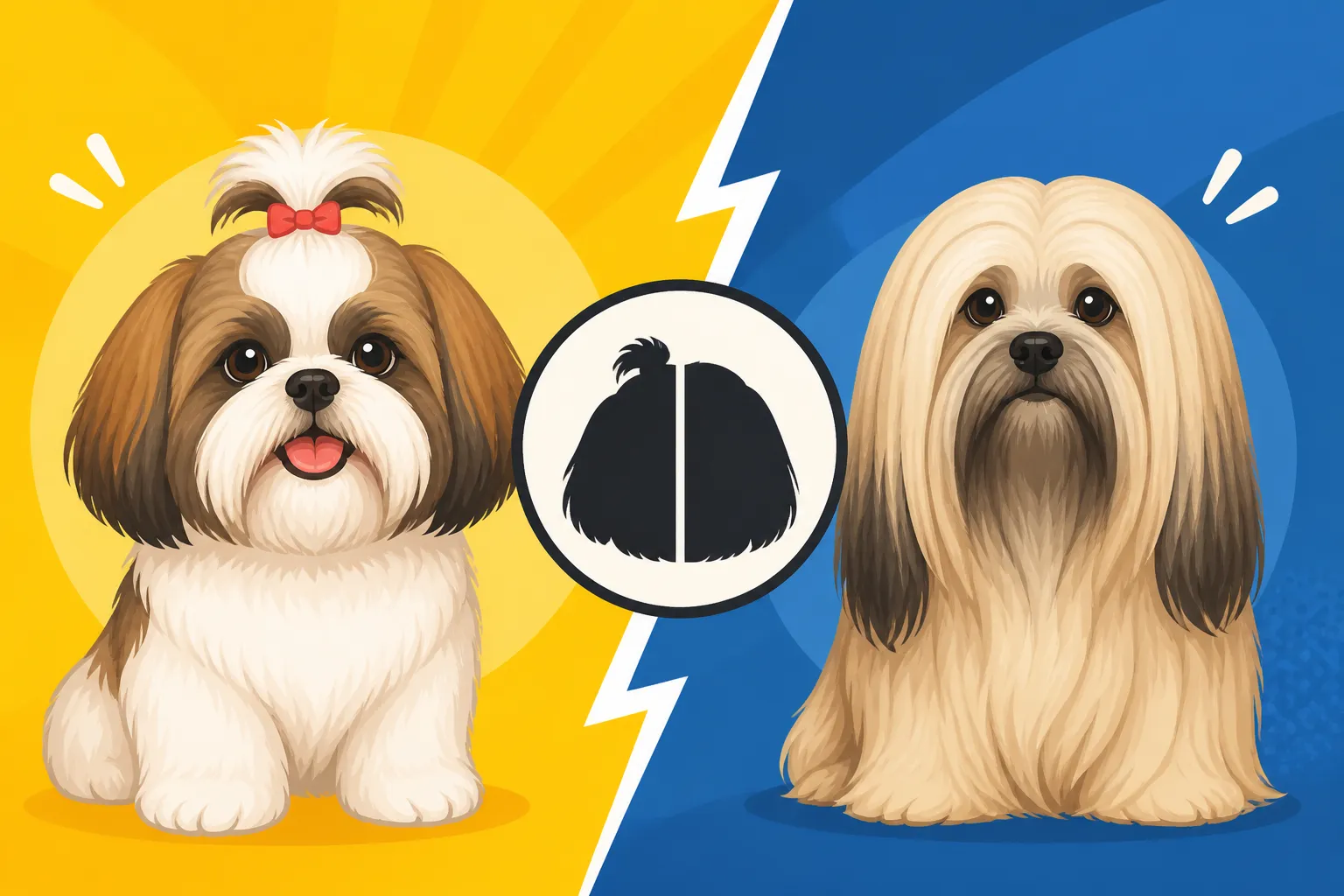
How a Shih Tzu Differs From a Lhasa Apso
It's incredibly easy to confuse a Shih Tzu and a Lhasa Apso. Both breeds are undeniably adorable, sporting luxurious long coats, charmingly flat faces, and a regal air that whispers of ancient origins. You see one picture, then another, and think, "Are these even different dogs?" While they share some surface similarities and a deep historical connection to the same region of the world, understanding their distinct traits is crucial, especially if you're trying to decide which of these wonderful companion dogs might be the right fit for your home. This guide will walk you through the subtle, yet significant, differences between the Shih Tzu and the Lhasa Apso, helping you appreciate what makes each breed truly unique.
Unpacking Their Ancient Histories and Roles
When you look at a Shih Tzu and a Lhasa Apso, you’re not just seeing two fluffy little dogs; you're glimpsing centuries of history and purpose. Their origins are intertwined, both tracing back to the high plateaus of Tibet, but their journeys diverged in fascinating ways, shaping who they are today.
The Imperial Lapdog: The Shih Tzu's Palace Life
The Shih Tzu, often called the "Lion Dog" or "Chrysanthemum Dog," primarily developed in the imperial palaces of China. They were the pampered darlings of emperors and empresses, bred exclusively for companionship and luxury. Imagine these little bundles of joy draped across silk cushions, their long coats meticulously cared for by palace eunuchs. Their job was quite simply to be beautiful, affectionate, and to bring joy to their royal owners. This environment shaped them into the outgoing, friendly, and somewhat less guarded dogs we know today. They weren't bred for guarding or working; their entire existence revolved around human adoration and interaction. This background is a huge part of The Shih Tzu From Tibetan Temples to American Homes. They were treasured gifts, living lives of utter comfort and attention, which ingrained a deeply sociable and affectionate nature into the breed.
The Sacred Sentry: The Lhasa Apso's Monastic Vigil
In stark contrast, the Lhasa Apso's history is rooted in the remote, spiritual monasteries of Tibet. Their name literally means "bearded dog from Lhasa," the sacred city. These dogs were not mere companions; they were revered watchdogs, believed to carry the souls of lamas who had not yet reached nirvana. Their primary role was to act as sentinels, perched atop high walls, their keen senses and piercing barks alerting monks to approaching strangers or any disturbances. They were guardian dogs, prized for their acute hearing, suspicious nature towards outsiders, and unwavering loyalty to their monastic families. This role demanded a certain independence, alertness, and a healthy dose of skepticism towards the unknown. It’s a very different legacy from the Shih Tzu's, focusing on protection rather than pure companionship, which you can read more about in The Tibetan Lion Dog Behind the Breed. This historical purpose profoundly influenced their temperament, making them more reserved and discerning than their Chinese cousins.
Distinctive Physical Features You Can Spot
While both breeds are renowned for their flowing coats and adorable "flat" faces, there are noticeable differences in their physical structure that, once you know what to look for, become quite apparent. These aren't just cosmetic variations; they reflect their heritage and can impact their health and care needs.
Coat Texture and Grooming Demands
Both the Shih Tzu and the Lhasa Apso boast impressive double coats that are prone to matting and require significant upkeep. However, there can be subtle differences. The Shih Tzu's coat is generally described as long, flowing, and silky, with a soft undercoat. It’s often very fine, almost hair-like, and can grow to sweep the floor if left untrimmed. This fine texture means it tangles easily, demanding daily brushing to prevent mats from forming. Neglecting this leads to painful knots that can be a nightmare to remove. Brushing a Shih Tzu Double Coat Every Day is not just a suggestion, it’s a daily ritual for many Shih Tzu owners.
The Lhasa Apso’s coat, while also long and dense, is often described as heavier, coarser, and straighter. It's meant to protect them from the harsh Tibetan climate, providing insulation against cold and sun. While still demanding regular grooming, some owners find the Lhasa's coat slightly less prone to the rapid, fine matting of a Shih Tzu's, although this is highly individual to the dog. Both breeds benefit immensely from high-quality grooming tools, and you'll find everything from slicker brushes to detangling sprays on Chewy, which can be a lifesaver for keeping those magnificent coats in top condition. Whether you opt for a traditional long coat or a practical "puppy cut," both styles require commitment. More on managing coat length can be found in Choosing Between a Full Coat and a Puppy Cut.
Facial Structure, Eyes, and Breathing
This is where some of the most visible distinctions lie. Both are brachycephalic, meaning they have shortened heads, but the degree and specific features differ.
The Shih Tzu typically has a very short, wide muzzle, often giving them that distinctive "chrysanthemum" face with hair growing upwards and outwards from the nose. Their eyes are usually large, round, and somewhat prominent, set wide apart, giving them a perpetually endearing expression. This combination can unfortunately make them prone to certain eye conditions like Shih Tzu Eye Proptosis, the Emergency Owners Miss or corneal ulcers due to their shallow eye sockets. Their extremely flat face also means their airways are typically more compromised, leading to the characteristic snoring, snorting, and potential Brachycephalic Breathing in a Shih Tzu issues.
The Lhasa Apso, while still brachycephalic, generally has a slightly longer muzzle than the Shih Tzu, although it's still notably short compared to other breeds. Their eyes tend to be smaller, darker, and more almond-shaped, set a little deeper within their skull and further apart, often partially obscured by their heavy facial hair. This can give them a more serious, watchful expression. While they also face brachycephalic concerns, their slightly longer muzzle can sometimes mean their breathing issues are less severe than the most extreme Shih Tzu cases, though this isn't a guarantee for any individual dog. Both breeds require careful monitoring in warm weather to prevent overheating.
Size and Build
The size difference between the two breeds is subtle but present. Shih Tzus generally stand about 9 to 10.5 inches tall at the shoulder and typically weigh between 9 and 16 pounds. They are usually compact, sturdy, and well-balanced.
Lhasa Apsos tend to be a touch larger and more solidly built. They typically stand between 10 to 11 inches tall at the shoulder and weigh from 12 to 18 pounds, sometimes a little more. They possess a robust, durable physique that hints at their resilient mountain origins. This slight increase in stature and muscle mass can sometimes contribute to a more commanding presence, even in such a small dog.
Temperament and Personality: A Tale of Two Souls
Beyond their looks, the most profound differences between a Shih Tzu and a Lhasa Apso lie in their temperaments, directly reflecting their historical purposes. If you're looking for a specific personality type in a companion, this is where you need to pay close attention.
The Sociable Shih Tzu
Shih Tzus are, by and large, cheerful, outgoing, and affectionate dogs. They were bred for human companionship, and they excel at it. They love to be with their people, whether it’s lounging on a lap, playing a game of fetch in the living room, or greeting visitors with a wagging tail. They are typically friendly with strangers and other animals, though proper socialization is always key for any breed. They thrive on attention and are generally quite adaptable to various living situations, as long as they are surrounded by their beloved family. Their playful and sweet nature makes them wonderful companions for many households, as discussed in Shih Tzu Temperament and the Companion It Was Bred to Be. They are generally eager to please, making positive reinforcement training a joyful experience, especially with tasty treats (which Chewy offers a huge variety of!).
The Independent Lhasa Apso
Lhasa Apsos, on the other hand, carry their sentinel history proudly. They are known for being independent, confident, and somewhat more reserved, especially with strangers. While fiercely loyal and affectionate with their own family, they often take their time warming up to new people. They are not typically the type to immediately shower a newcomer with kisses; instead, they might observe from a distance, deciding if this person is worthy of their trust. This doesn't mean they aren't loving; their devotion to their inner circle is profound. However, they possess a strong will and can be quite stubborn, making them more challenging to train than a Shih Tzu. They often require a patient, consistent owner who understands their independent streak. While they may not be as overtly cuddly as a Shih Tzu, their quiet presence and watchful nature are deeply appealing to those who appreciate a dog with a bit more gravitas. They might not jump at every command, as their ancestral guarding role valued observation over immediate obedience.
Training and Adaptability
Due to their differing temperaments, training approaches will vary. A Shih Tzu, eager to please and motivated by affection and food, will likely pick up commands with enthusiasm, especially if training sessions are kept short and fun. They respond very well to positive reinforcement and can even enjoy learning tricks. You'll find many resources on Training a Shih Tzu Bred Purely as a Companion.
A Lhasa Apso's independence and Shih Tzu Stubbornness and What It Really Is (though often more pronounced in Lhasas) mean that training requires more patience and consistency. They are intelligent dogs, but they need to be convinced that doing what you ask is worth their while. Early socialization is critical for Lhasas to help them become comfortable with new sights, sounds, and people. They might be less inclined to participate in boisterous games but will happily engage in activities that challenge their minds.
Here’s a quick comparison of their key differences:
| Feature | Shih Tzu | Lhasa Apso |
|---|---|---|
| Origin/Role | Imperial palace companion, lapdog | Tibetan monastic sentinel, guardian |
| Temperament | Outgoing, affectionate, friendly, eager to please | Independent, confident, reserved, loyal, stubborn |
| Facial Structure | Very short muzzle, large round prominent eyes | Slightly longer muzzle, smaller almond eyes |
| Coat Texture | Long, flowing, silky, fine | Long, dense, heavy, often coarser |
| Size/Build | 9-16 lbs, 9-10.5 inches, compact | 12-18 lbs, 10-11 inches, more robust |
| Stranger Acclimation | Generally friendly, sociable | Reserved, cautious, takes time to warm up |
| Trainability | Responsive, food/praise motivated | Requires patience, consistency, can be stubborn |
Health and Lifestyle Considerations
Both breeds are toy dogs and share some common health predispositions due to their size and brachycephalic nature, but there are nuances to consider in their daily care.
Brachycephalic Health Challenges
As mentioned, both breeds are brachycephalic, meaning they have flattened faces and shortened airways. This makes them susceptible to Brachycephalic Breathing in a Shih Tzu Syndrome, which can manifest as snoring, snorting, difficulty breathing, and overheating. However, the severity can vary. Shih Tzus, with their often more extremely shortened muzzles, might face a higher incidence or more pronounced issues with elongated soft palates and stenotic nares. Regardless of the breed, both require careful management in hot weather, avoiding strenuous exercise during peak heat, and keeping a close eye on their breathing. Cooling vests and mats, available from retailers like Chewy, can be very beneficial for keeping them comfortable.
Beyond breathing, both breeds are also prone to various eye issues. The prominent eyes of the Shih Tzu make them vulnerable to injuries and conditions like dry eye, while the long hair falling into the eyes of both breeds can cause irritation and ulcers. Regular cleaning and attention to their facial hair are vital.
Exercise Needs and Activities
Neither the Shih Tzu nor the Lhasa Apso are high-energy dogs. They are generally content with short, leisurely walks and indoor playtime. For a Shih Tzu, a couple of short daily walks around the block and some indoor games are usually sufficient to meet their exercise needs. They are perfectly happy being couch potatoes as long as they are close to their humans. Shih Tzu Exercise for a Low-Energy Toy highlights their modest requirements.
Lhasa Apsos also have relatively low exercise needs, but their background as mountain sentinels means they might appreciate a slightly more vigorous walk or a chance to explore their surroundings with more purpose. They enjoy a good sniff-around walk and are often surprisingly agile despite their small stature. However, like Shih Tzus, they are prone to overheating and should not be over-exercised, especially in warm climates. Both breeds enjoy puzzle toys and interactive games that stimulate their minds.
Lifespan and Senior Care
Both breeds generally enjoy relatively long lifespans. A typical Shih Tzu Lifespan and the Thirteen Year Average is common, with many living well into their mid-teens, and sometimes even longer. Lhasa Apsos also tend to be long-lived, often reaching 12-15 years, with some even making it to 18 or 20. Like all senior dogs, they will require specialized care as they age, including regular vet check-ups, potential dietary adjustments, and management of age-related conditions like arthritis or declining vision/hearing.
Understanding these differences, from their ancient roots to their everyday needs, empowers you to make an informed decision and appreciate the unique qualities of each delightful breed.
Disclaimer
This article is for general informational purposes only and does not constitute professional advice. Laws, prices and regulations vary by location and change over time. Consult a qualified professional for guidance on your specific situation.