Why No Registry Recognizes an Imperial Shih Tzu
It's completely understandable to be captivated by the idea of an "Imperial Shih Tzu." The name itself conjures images of ancient Chinese royalty, exquisite rarity, and a tiny, delicate companion fit for a palace. Many new and aspiring Shih Tzu owners come across this term, often alongside pictures of incredibly small, adorable puppies, and naturally wonder if this is a distinct, special variety of the breed. However, this guide is here to unravel the truth behind the "Imperial" label and explain why no major kennel club or official breed registry in the world recognizes such a designation. The simple, hard truth is that an "Imperial Shih Tzu" isn't a recognized breed variation, and understanding why is crucial for the health and well-being of these wonderful dogs.
The Allure of the "Imperial" Label and Its Reality
When you're searching for your perfect furry family member, it's easy to get swept up in fancy labels and captivating descriptions. The term "Imperial Shih Tzu" is specifically designed to do just that – to make a puppy seem more exclusive, more valuable, and often, even smaller than a standard Shih Tzu. It preys on the natural desire for something unique and utterly adorable. But behind the glitzy marketing, there's a reality that every potential Shih Tzu owner needs to understand for the sake of the dogs themselves.
What "Imperial" Implies to Buyers
For many buyers, the word "Imperial" implies a direct lineage to the Shih Tzus kept by Chinese royalty, suggesting a purer or more ancient bloodline. It often goes hand-in-hand with claims of extreme smallness – a "teacup" size, or a dog that will remain exceptionally petite, sometimes even implying better health or a more refined appearance. Breeders using this label often set significantly higher prices for these puppies, justifying the cost by the perceived rarity and special nature of the "Imperial" line. They might highlight features like a shorter nose, larger eyes, or a silkier coat, all while emphasizing a final adult weight significantly below the accepted breed standard. The appeal is powerful, especially if you're dreaming of a tiny companion that can easily travel and fit into any lifestyle. It taps into that yearning for a dog that feels unique and almost too precious for words.
However, this narrative, while romantic, is largely a marketing ploy. There's no separate "Imperial" breed standard that dictates these characteristics, nor is there a registry that validates dogs under this classification. What breeders are often selling are simply undersized Shih Tzus, sometimes the result of breeding runts, or even breeding dogs with underlying health issues that stunt their growth. The historical connection to imperial courts applies to all Shih Tzus, as the breed itself was indeed developed in Chinese palaces, but there's no official historical "Imperial" lineage that differs from the rest of the breed.
The Official Breed Standard for a Shih Tzu
To truly understand why "Imperial Shih Tzu" is a misleading term, we need to look at what actual, recognized Shih Tzu clubs define. Organizations like the American Kennel Club (AKC), The Kennel Club (UK), and the Canadian Kennel Club (CKC) all have very clear, detailed breed standards. These standards describe the ideal size, appearance, temperament, and movement of a Shih Tzu. For example, the AKC standard for a Shih Tzu specifies a height of 9 to 10.5 inches at the shoulder and a weight of 9 to 16 pounds. Dogs falling significantly outside this range are considered to have faults in the show ring.
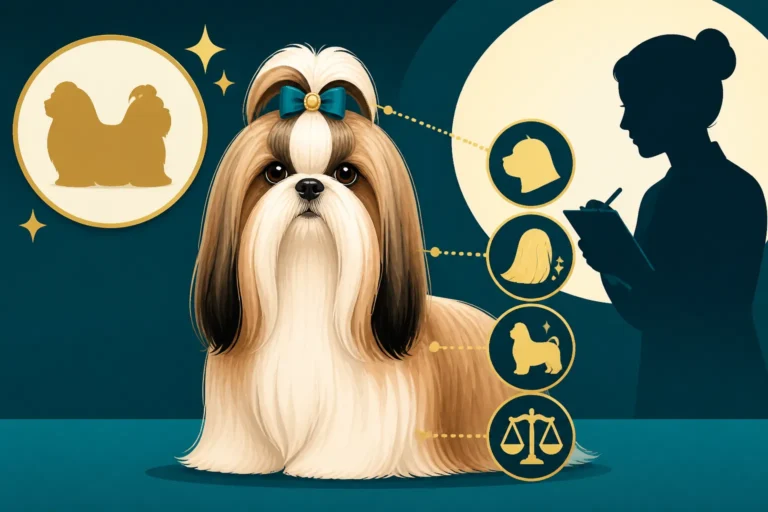
The breed standard isn't just about aesthetics; it's about preserving the health and functional integrity of the breed. A dog bred to these standards is typically robust enough to lead a full, active life without being unduly fragile. When we talk about The Shih Tzu Standard and What Judges Look For, we're discussing a comprehensive blueprint that has been carefully developed over decades by breed experts and geneticists, not just for beauty, but for vitality. There is simply no mention of an "Imperial" or "Teacup" variant within these established guidelines. Any breeder claiming to sell an "Imperial Shih Tzu" is deliberately using a term outside of these recognized standards, which should immediately raise a red flag. They are essentially making up their own rules and terminology, which often prioritizes perceived cuteness or marketability over the established health and structure of the breed.
Why Major Registries Don't Recognize "Imperial"
The core reason why no reputable registry acknowledges an "Imperial Shih Tzu" isn't about being stuffy or exclusive; it's about protecting the breed and, most importantly, the individual dogs. These registries have a responsibility to uphold the health and integrity of purebred dogs, and the "Imperial" label often flies in the face of these foundational principles.
Focus on Health and Breed Integrity
Major kennel clubs prioritize the health, genetic soundness, and consistent temperament of a breed. Their standards are meticulously crafted to describe a dog that is not only beautiful but also capable of living a long, healthy life. Breeding for extremes, such as excessively small size (often labeled "teacup" or "Imperial"), frequently leads to a host of significant health problems. Breeders who push for these micro-sizes are often prioritizing novelty and profit over the welfare of their dogs.
For example, dogs bred to be significantly smaller than the standard 9-16 pounds can be prone to severe hypoglycemia, especially as puppies, where their blood sugar levels can drop dangerously low, leading to seizures and even death. Their bones are much more fragile, making them susceptible to fractures from even minor falls or jumps. They often have underdeveloped organs, compromised immune systems, and difficulty regulating their body temperature, making them perpetually vulnerable. This is precisely why reputable breeders focus on Health Testing a Shih Tzu Breeder Should Do, ensuring their breeding stock is free from inherited diseases. When you start breeding solely for extreme smallness, you often lose sight of these crucial health considerations, potentially introducing more problems than you solve. As we discussed in Teacup Shih Tzus and the Health Risk Behind Them, the risks associated with these tiny dogs are very real and can lead to heartbreaking, expensive veterinary bills down the line.
The Lack of Historical Precedent
The Shih Tzu has a rich and fascinating history, originating in Tibet and then extensively developed in the imperial courts of China. Their name means "lion dog," a nod to their regal appearance and the breed's historical connection to Tibetan Buddhist beliefs. For centuries, these dogs were treasured companions within the Forbidden City. If you look into The Shih Tzu From Tibetan Temples to American Homes or learn about The Empress Who Bred Shih Tzus in the Forbidden City, you'll find extensive documentation of their lineage, development, and journey to the Western world.
However, at no point in this long and storied history was there a distinct, separate "Imperial" classification based on size that differed from the general Shih Tzu population. The term "Imperial" was more about the context of where the dogs were kept (in the Emperor's palace) than a specific genetic subtype. The Shih Tzus were simply the dogs of the imperial court. The "Imperial" designation, as it's used by some breeders today, is a relatively modern invention, a marketing term crafted to imply exclusivity and often, a smaller size. It doesn't reflect any historical breed division or genetic distinction recognized by those who worked tirelessly to preserve and establish the breed internationally. Reputable registries base their standards on careful historical records, genetic studies, and observed health outcomes, not on catchy marketing buzzwords.
The Dangers of Breeding for "Imperial" Size
It's tempting to think that a smaller version of an already small dog would simply be a more compact, cuter package. However, when breeders intentionally try to shrink a breed beyond its natural, healthy size, they often exacerbate existing vulnerabilities and create new ones. This is particularly true for a breed like the Shih Tzu, which already has unique anatomical challenges due to its brachycephalic (flat-faced) structure.
Compounding Brachycephalic Health Issues
Shih Tzus are charming, but their adorable flat faces come with a predisposition to several health concerns. Their compacted skulls mean they often have elongated soft palates, stenotic nares (narrow nostrils), and a smaller trachea, all contributing to Brachycephalic Breathing in a Shih Tzu. These issues can make them prone to snoring, reverse sneezing, and, more seriously, difficulty breathing, especially in hot weather or during exercise.
When a dog is bred to be an "Imperial" or "teacup" size, these issues can become far more severe. The quest for an even smaller head often results in an even more squished airway, making breathing a constant struggle. Imagine trying to breathe through a straw all day, every day – that's often the reality for these extremely small dogs. Beyond breathing, their short jaws already lead to Shih Tzu Dental Disease at 13 Percent of the Breed, with teeth overcrowding and trapping food particles. Making the jaw even smaller only intensifies this problem, leading to premature tooth loss and painful infections. Furthermore, the prominent, bulging eyes that are characteristic of the Shih Tzu breed already put them at risk for conditions like Shih Tzu Eye Proptosis, the Emergency Owners Miss, where the eye can literally pop out of its socket from trauma or even just excitement. In an "Imperial" Shih Tzu with an even shallower eye socket and more prominent eyes, this risk can be significantly higher, along with increased vulnerability to corneal ulcers and chronic dry eye. These aren't just minor inconveniences; they are painful, potentially blinding, and often costly medical emergencies.
Fragile Bones and Other Vulnerabilities
Beyond the brachycephalic issues, "Imperial" Shih Tzus face a host of other health challenges directly related to their unnaturally small size. Their bones are often much more delicate and brittle than those of a standard Shih Tzu, making them incredibly prone to fractures. A simple fall off a sofa, a misstep while playing, or even an accidental jostle can result in a broken leg or other severe injury. This fragility extends to their spine as well; while all Shih Tzus are predisposed to Shih Tzu Back Problems and Disc Disease due to their long backs and short legs, an "Imperial" version might have an even more compromised skeletal structure, increasing the risk of painful disc issues. Similarly, Shih Tzu Joint Problems in a Toy Frame, such as patellar luxation (slipping kneecaps), can be exaggerated in these tiny dogs, leading to early onset arthritis and mobility issues.
Extremely small dogs also struggle with regulating their body temperature, making them highly susceptible to both hypothermia in cold environments and overheating in warm ones. Their tiny digestive systems are often very sensitive, leading to chronic gastrointestinal upset, and they can be prone to hypoglycemia (low blood sugar), which can be life-threatening if not managed carefully, particularly in young puppies. Their immune systems can also be weaker, making them more vulnerable to infections and illnesses. The reality is, while an "Imperial" Shih Tzu might seem cute, the ethical considerations and potential for suffering due to these health issues are profound.
Finding a Reputable Shih Tzu Breeder
Given the issues with the "Imperial" label, it becomes even more critical to seek out a breeder who prioritizes health, temperament, and adherence to the recognized breed standard. Finding the right breeder is perhaps the most important decision you'll make when bringing a Shih Tzu into your home. It’s about ensuring you get a healthy, well-adjusted companion, not just a cute face.
What to Look for in a Responsible Breeder
A reputable Shih Tzu breeder will never use terms like "Imperial" or "teacup." Instead, they will be passionate about the official breed standard and committed to producing healthy, happy puppies that fit within those guidelines. When you're searching for a puppy, look for the following:
- Health Testing: This is paramount. Responsible breeders will perform genetic health screenings on their breeding dogs for conditions common in Shih Tzus, such as hip and elbow dysplasia, eye conditions (like progressive retinal atrophy), and patellar luxation. They should be transparent about these tests and willing to share results. This includes using organizations like the Orthopedic Foundation for Animals (OFA) and the Canine Eye Registry Foundation (CERF). Learning about The DNA and OFA Tests for a Shih Tzu Litter can empower you to ask the right questions.
- Transparency and Open Communication: A good breeder will welcome your questions, allow you to visit their facility (or at least conduct thorough video calls), and be happy to introduce you to the puppy's parents. They should be knowledgeable about the breed's history, health, and temperament, and be able to explain their breeding philosophy.
- Clean and Safe Environment: The puppies and parent dogs should be raised in a clean, stimulating, and loving home environment, not in isolated kennels.
- References: A reputable breeder will often have references from past puppy buyers and may be active in local breed clubs.
- Contract and Health Guarantee: They will provide a written contract that outlines the health guarantee, spay/neuter agreements (if applicable), and their commitment to the puppy throughout its life.
- Waiting List: Good breeders often have waiting lists because they breed infrequently and carefully. Be wary of anyone who always has puppies available immediately or offers multiple litters at once.
- Education and Support: A responsible breeder will educate you on Shih Tzu care, nutrition, grooming, and training, and will be a resource for you for the lifetime of your dog. They care where their puppies go and want them to thrive.
The journey to find Finding a Shih Tzu Breeder Worth the Wait might take time, but it's an investment in the future health and happiness of your beloved pet.
Understanding Breeder Contracts and Guarantees
When you choose a reputable breeder, you're not just buying a puppy; you're entering into a long-term relationship. A well-structured breeder contract is a hallmark of a responsible breeder. This document should clearly outline the responsibilities of both the buyer and the breeder. Typically, it will include:
- Health Guarantee: This is crucial. Reputable breeders will guarantee the puppy's health for a specific period against certain genetic conditions. If an issue arises within that timeframe, they will often offer a replacement puppy or a partial refund, provided certain conditions are met (e.g., veterinary verification). This stands in stark contrast to "Imperial" breeders, who may offer vague or non-existent guarantees, often disappearing once the sale is made and a problem arises.
- Return Clause: Many good breeders will require that if you can no longer care for the dog at any point in its life, it must be returned to them, ensuring their dogs never end up in shelters.
- Spay/Neuter Agreement: Most pet contracts will require you to spay or neuter your Shih Tzu by a certain age, unless it's purchased on a show/breeding contract.
- Vaccination and Worming Records: Comprehensive records of all veterinary care the puppy has received will be provided.
This level of detail and commitment reflects a breeder's genuine care for their dogs. When you bring your Shih Tzu puppy home, you'll need all the right supplies to get started. You can often find a wide array of high-quality products, from appropriate-sized beds to brushes that are gentle on their delicate coats, at pet retailers like Chewy. Always ensure you're equipping your new companion with the best possible start in their new home. Remember, while the idea of an "Imperial" Shih Tzu might sound enchanting, focusing on ethical breeders and the established breed standard is the best way to ensure you welcome a truly healthy and happy companion into your life.
| Feature | Standard Shih Tzu (AKC/KC Recognized) | "Imperial" or "Teacup" Shih Tzu (Non-Recognized) |
|---|---|---|
| Height | 9-10.5 inches at shoulder | Often marketed as significantly shorter (<9 inches) |
| Weight | 9-16 pounds (adult) | Often marketed as <9 pounds, sometimes <5 pounds |
| Registry Status | Recognized by AKC, FCI, The Kennel Club (UK), etc. | Not recognized by any major, reputable kennel club |
| Health Focus | Breeding for health, longevity, and temperament | Often prioritizes extreme smallness over health |
| Genetic Testing | Reputable breeders perform extensive health tests | Less likely to have health-tested parents; often skips crucial tests |
| Typical Lifespan | 10-16 years (with good care) | Potentially shorter due to increased health risks |
| Fragility | Generally robust for a toy breed | Highly fragile; increased risk of bone fractures and injuries |
| Brachycephalic Issues | Predisposed to some respiratory/eye issues | Exacerbated respiratory, dental, and eye problems due to extreme face compression |
| Cost | Varies greatly, but reflects breeder's investment in health and care | Often significantly higher, due to perceived "rarity" |
Disclaimer
This article is for general informational purposes only and does not constitute professional advice. Laws, prices and regulations vary by location and change over time. Consult a qualified professional for guidance on your specific situation.